Free Shipping on All Orders | 30-Day Easy Returns
Dog Boots Rubbing Paws? Stop Chafing & Blisters
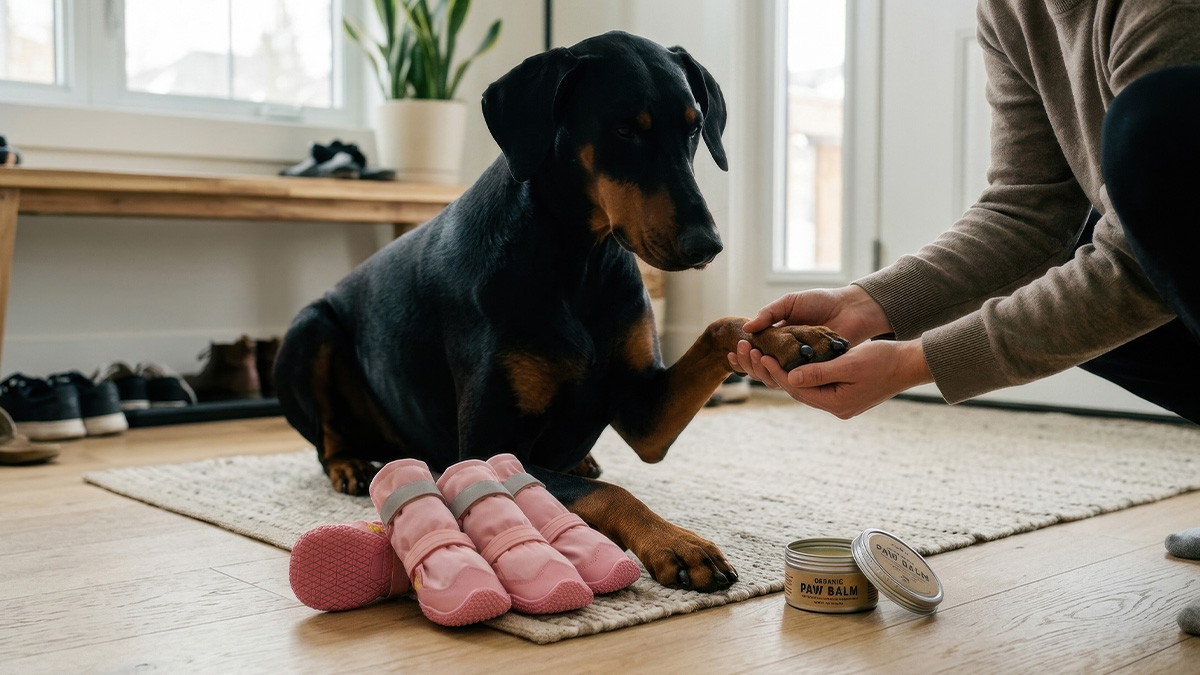
Table of Contents
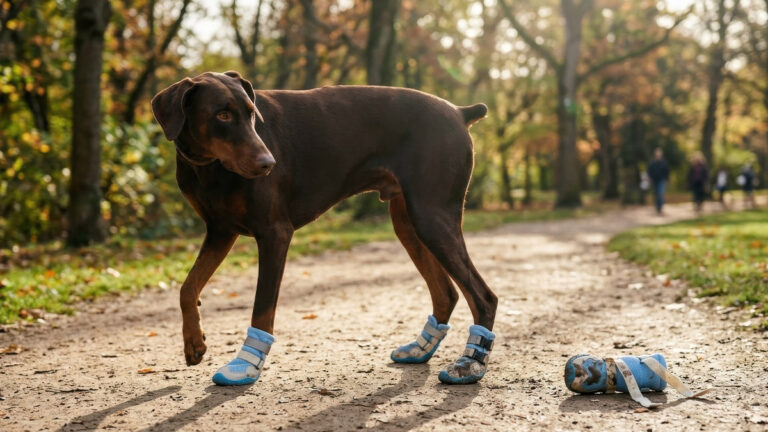
Dog boots rubbing paws is one of the most common problems new boot owners run into, and it’s also one of the easiest to fix. Maybe you took the boots off after a short loop around the neighborhood and found a pink stripe across the ankle, a damp, irritated patch between the toes, or a small puffy spot on a pad. It’s natural to wonder whether boots are worth it.
Boots aren’t the real problem. Chafing almost always has a cause you can fix:
- The boot is the wrong size.
- A strap sits in the wrong place or is too tight.
- Moisture is trapped inside.
- A rough seam rubs the same spot with every step.
A well-chosen boot protects against hot pavement, ice, road salt, sharp gravel, and wet ground. The boot just has to stop being a new source of friction.
This guide covers:
- Why dog paw chafing happens
- The three most common reasons dog boots rub paws
- Five practical fixes
- What to do if your dog already has a sore spot or blister
A quick note first: This article gives general pet-care information, not a diagnosis or treatment plan. If your dog’s paw is bleeding, very swollen, looks infected, seems really painful, or isn’t improving after the boots come off, call your veterinarian.
Are Dog Boots Bad for Dogs? What Really Causes Sores
People usually ask “are dog boots bad for dogs?” after seeing something worrying. The dog wears boots, a sore spot appears, and the boots get the blame.
A more useful question is: where, and how, did this boot interact with this paw? A boot that fits well protects the paw. Trouble starts when the boot creates too much pressure, slides around, traps moisture, or rubs hard on one spot.
Natural paw protection vs. footwear-related friction
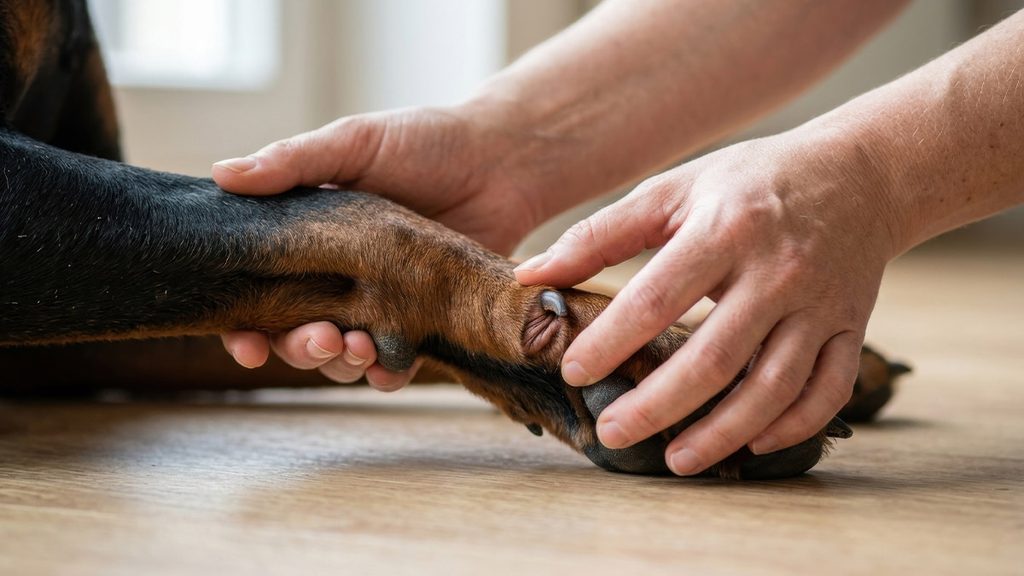
Run your thumb over your dog’s main paw pad. It feels thick and slightly rough, because it’s built to hit the ground. Now gently part the toes. The skin between them is thin, soft, and much more delicate. The same is true for the edges of the pads and the skin around the dewclaw.
A boot adds another surface to this setup. If the boot moves separately from the paw, every step creates a small slide between skin and fabric. One step doesn’t matter. But a 30-minute walk is thousands of steps, and thousands of small rubs add up to raw skin.
That’s a friction problem, not proof that boots are bad.
Why moisture makes friction worse
If you’ve ever hiked in wet socks, you know how this goes. Skin that stays damp gets soft and fragile, and soft skin tears and blisters faster.
Dogs have sweat glands in their paw pads, so a closed boot can get humid even on a dry day. Add rain, slush, or a creek crossing and the inside becomes a damp little sauna. A good boot balances protection with airflow.
The American Kennel Club’s guidance on dog boots and paw protection has more general advice on choosing boots and getting your dog used to them.
Why Are Dog Boots Rubbing Paws? The 3 Main Causes
When you look closely at dog boots rubbing paws, the cause is usually one of three mechanical problems, or a combination: strap pressure, moisture plus friction, or rough construction inside the boot. Once you know which one you’re dealing with, the fix is usually simple.
1. The Dewclaw Trap: Direct Strap Pressure
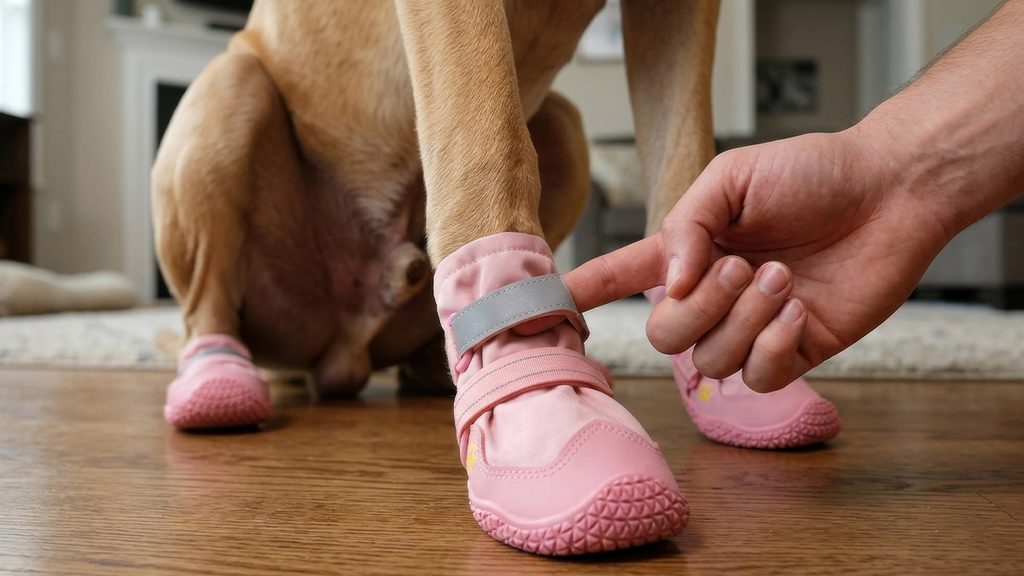
The dewclaw sits higher on the inner side of the front leg, separate from the main pads. On many dogs, it’s right where a boot strap wants to sit.
If the strap is too tight, or the boot slides up and down as your dog walks, the strap keeps grinding against that spot. Watch for these early signs:
- Fur that looks flattened or thin
- A pink mark
- A dog who stops mid-walk to lick one front leg
This is why how to protect dewclaws from dog boots is one of the first things to check with a new pair.
Don’t fix it by tightening the strap. A strap should hold the boot securely without pressing hard on the dewclaw. If the boot keeps creeping toward the dewclaw, recheck the size, the shape of the opening, where the strap sits, and the overall boot design.
If you see swelling, bleeding, discharge, obvious tenderness, or a cracked or torn dewclaw, stop using the boots and talk to your vet.
2. Moisture Trapping: Wet Paws & Blister Formation
You’ll recognize this one when you pull a boot off. The fur between the toes is damp and clumped, and there may be that familiar corn-chip smell.
Moisture builds up from sweat, wet grass, rain, snow, or water that seeps in at the cuff. Damp skin rubbing against the boot is a common route to dog paw blisters, raw skin, and redness between the toes.
Don’t assume the boot caused every blister on dog paw between toes, though. Grass awns, splinters, allergies, too much exercise, and infections can all cause bumps that look similar. If a spot doesn’t match where the boot rubs, that’s worth noting.
Trapped moisture is the main reason to compare materials carefully. Our Waterproof vs Breathable Dog Boots: Fabric Guide walks through the options.
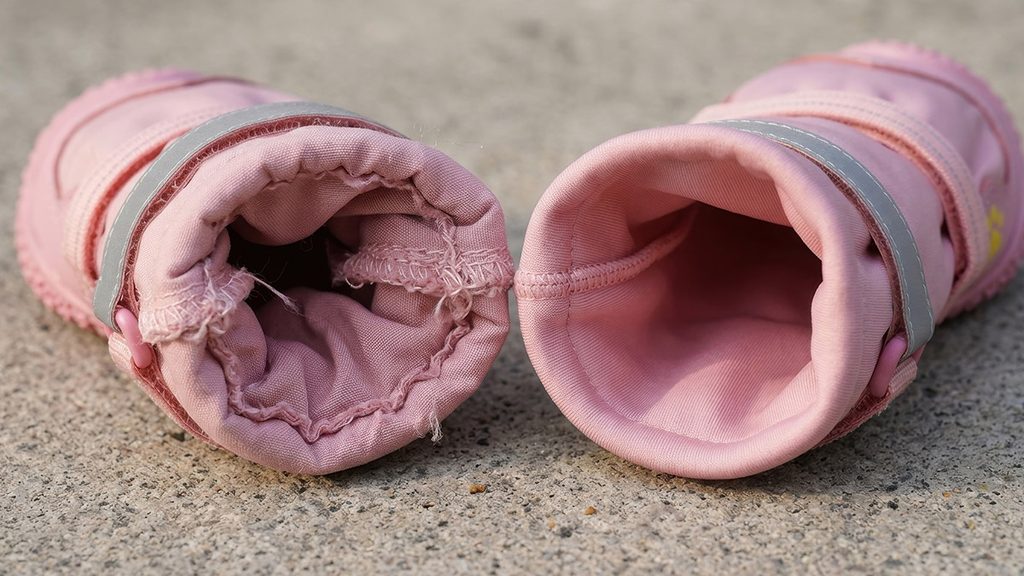
3. Rough Inner Seams & Protruding Stitching
Think of a pebble in your sneaker. The shoe can be the right size and still drive you crazy because one small point keeps pressing on the same spot.
Dog boots work the same way. A single raised seam, loose thread, or scratchy patch can create a hot spot that gets worse with every step.
Before any new boot goes on your dog, slide your fingers inside and run your fingertips slowly around the whole interior, like you’re checking a glove for a splinter. Feel for:
- Raised seams
- Exposed stitching
- Hard internal edges
- Rough hook-and-loop (Velcro) surfaces that can touch fur
- Uneven spots where lining materials meet
- Lumps of glue or other irregularities
- Anything sitting at dewclaw height
5 Steps to Stop Dog Boots Rubbing Paws
Preventing chafing comes down to controlling four things inside the boot: friction, pressure, moisture, and movement.
1. Use Breathable Dog Socks as a Friction Buffer
A thin dog sock acts as a soft layer between the paw and the inside of the boot. The sock takes the rubbing from a seam or rough patch instead of your dog’s skin.
This works best when the boot already fits and one spot inside still causes minor friction. Two limits to know:
- A sock can’t rescue a boot that’s too small. It takes up room, so a snug boot becomes a tight one.
- Socks add warmth and hold moisture. On longer outings, check the paws and change damp socks.
For lightweight options, explore soft breathable dog socks.
2. Strategic Dewclaw Padding & Protective Wrap
If a strap keeps touching the dewclaw area, a small amount of soft padding can reduce rubbing during short outings.
Some owners use a self-adhering veterinary wrap as a thin layer. Here’s the rule: never wrap it tightly. That kind of wrap tightens as it settles. It should lie flat with no tension. If you can’t easily slide a fingertip under it, it’s too tight.
Padding goes on a boot that already fits. It doesn’t fix one that doesn’t. If the dewclaw is still irritated after you’ve checked the size and moved the strap, stop using that boot and talk to your vet.
3. Sizing Perfection: Eliminate Sliding Dead Space
The wrong size is one of the most common reasons dog boots rub paws.
- Too big: The paw slides around inside, so every step adds more rubbing.
- Too small: The toes hit the front, the nails press on the toe cap, and the opening squeezes the foot.
Measure while your dog is standing, because toes spread when they carry weight. Keep in mind that sizes aren’t standardized across brands, or even across models from the same brand. Always compare your numbers with the size chart for the exact boot you’re buying. Our Dog Boot Sizing and Fit Guide: Get the Perfect Match walks through the full process.
If the boot still spins after you’ve measured correctly, the boot’s shape may be the problem rather than the size. For that situation, see dog boots keep falling off.
4. The 20-Minute Progressive Break-In Protocol
Don’t put brand-new boots on and head straight out for a three-hour hike. That’s how weekend trips end with a limping dog.
Start with a short session indoors or in the yard. Watch how the boots move as your dog walks, turns, sits, and stands up again. Twenty minutes is a practical starting point, not a medical rule. Adjust it to your dog and the activity.
After each of the first few sessions, take the boots off, part the fur, and check for:
- Redness
- Fur loss or flattened, broken hair
- Swelling
- Raw spots
- Dampness that hasn’t dried
- Pressure lines from straps
- Dewclaw irritation
- Signs of nail discomfort
If the skin looks normal and your dog seems happy, add time gradually.
Most dogs do the classic high-stepping dance the first time they wear boots, lifting each leg like the floor is lava. That’s a normal reaction to a new sensation, not a sign of pain. For help getting past that stage, see How to Get Dog Used to Shoes: Stop the Funny Walk.
5. Choose Ergonomic Footwear with Smooth Inner Construction
Good boot design starts where the paw meets the boot. Look for:
- A smooth interior with flat, low-profile seams
- A toe box wide enough for a paw carrying weight
- The right boot length for the nails
- Secure, adjustable closures
- A heel that stays in place without riding up
- Materials suited to the weather
- A sole with good grip that still lets the paw flex naturally
Strap placement matters too. A good closure spreads its holding force across the boot instead of concentrating it in one narrow band, which is often the band sitting right on the dewclaw.
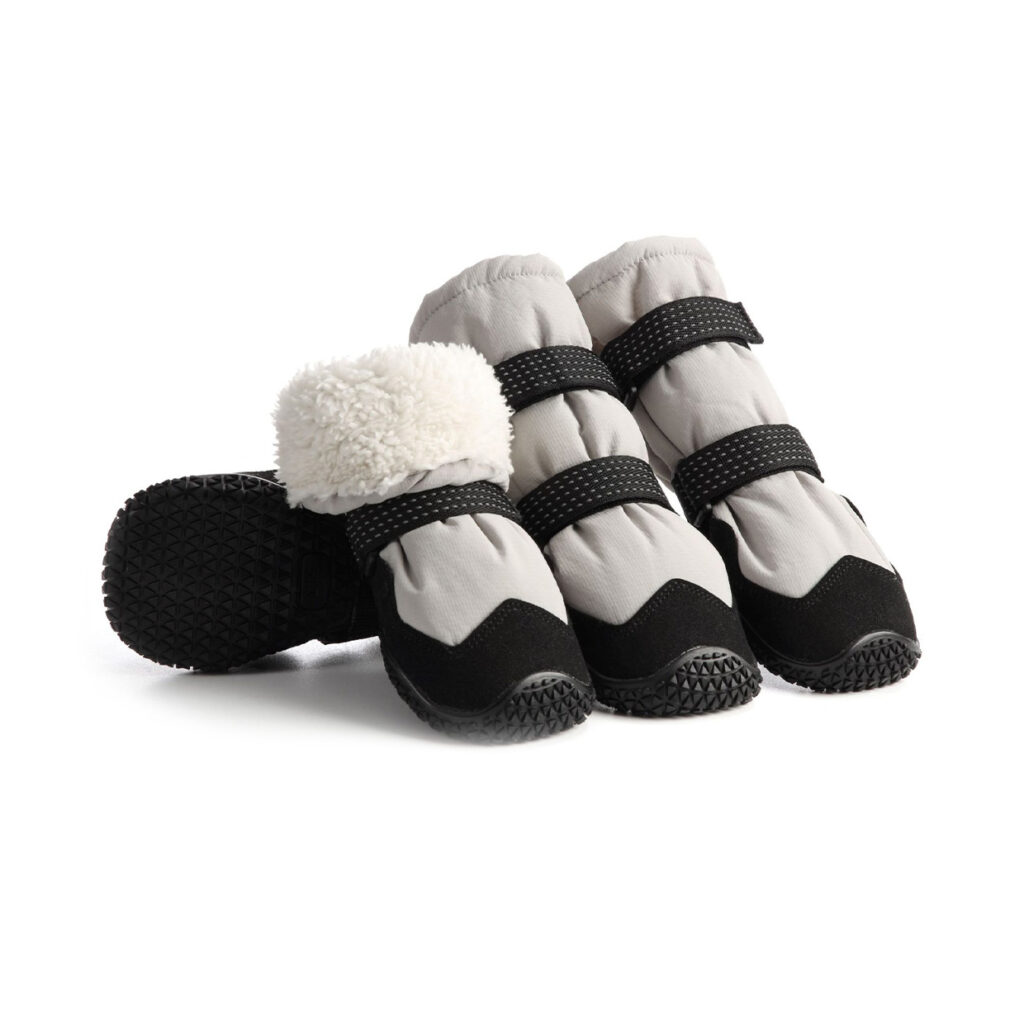
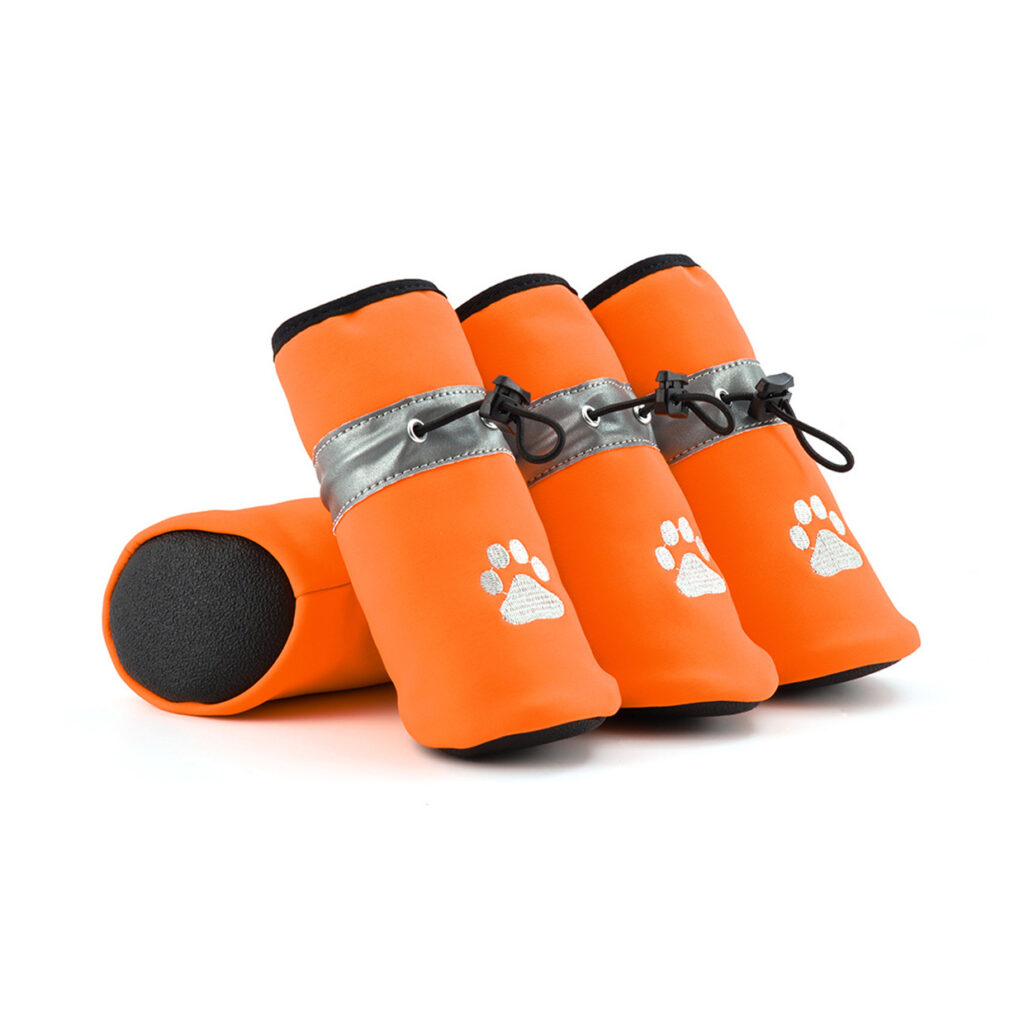
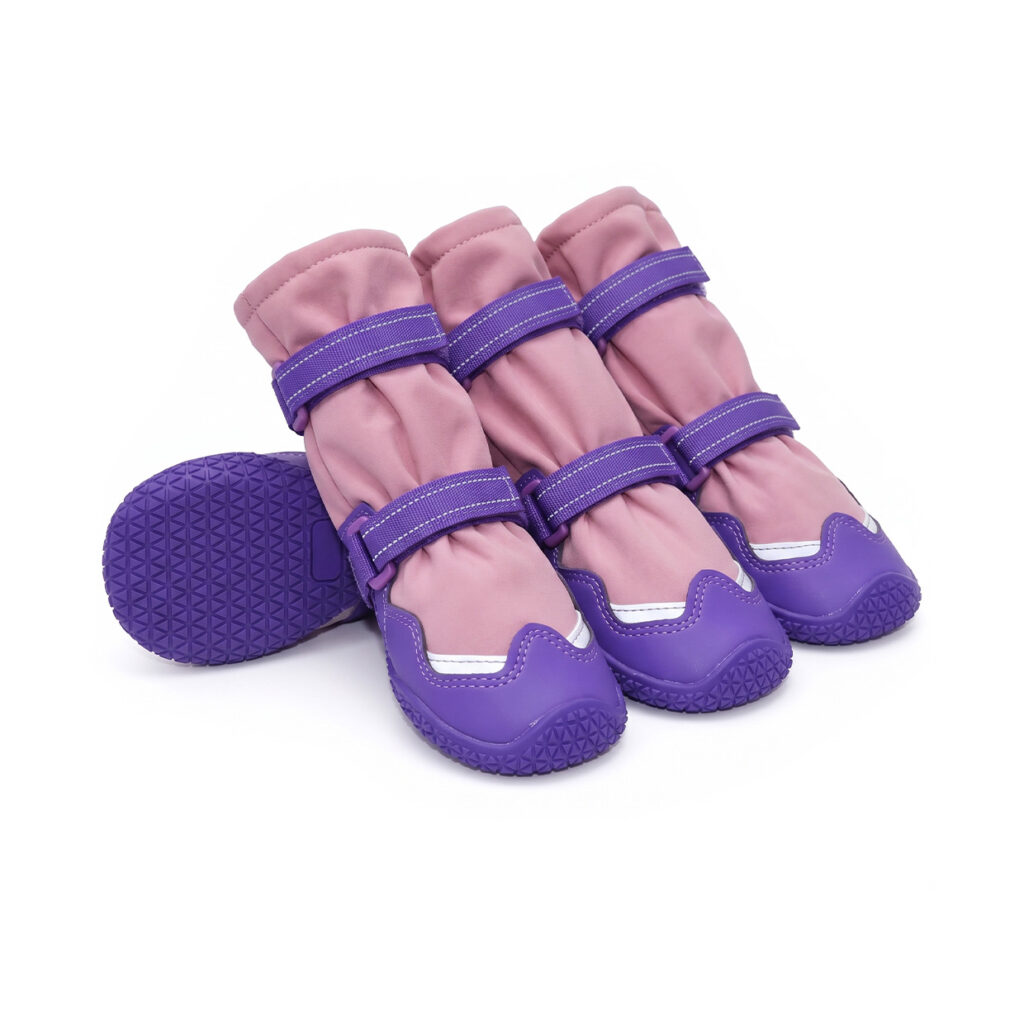
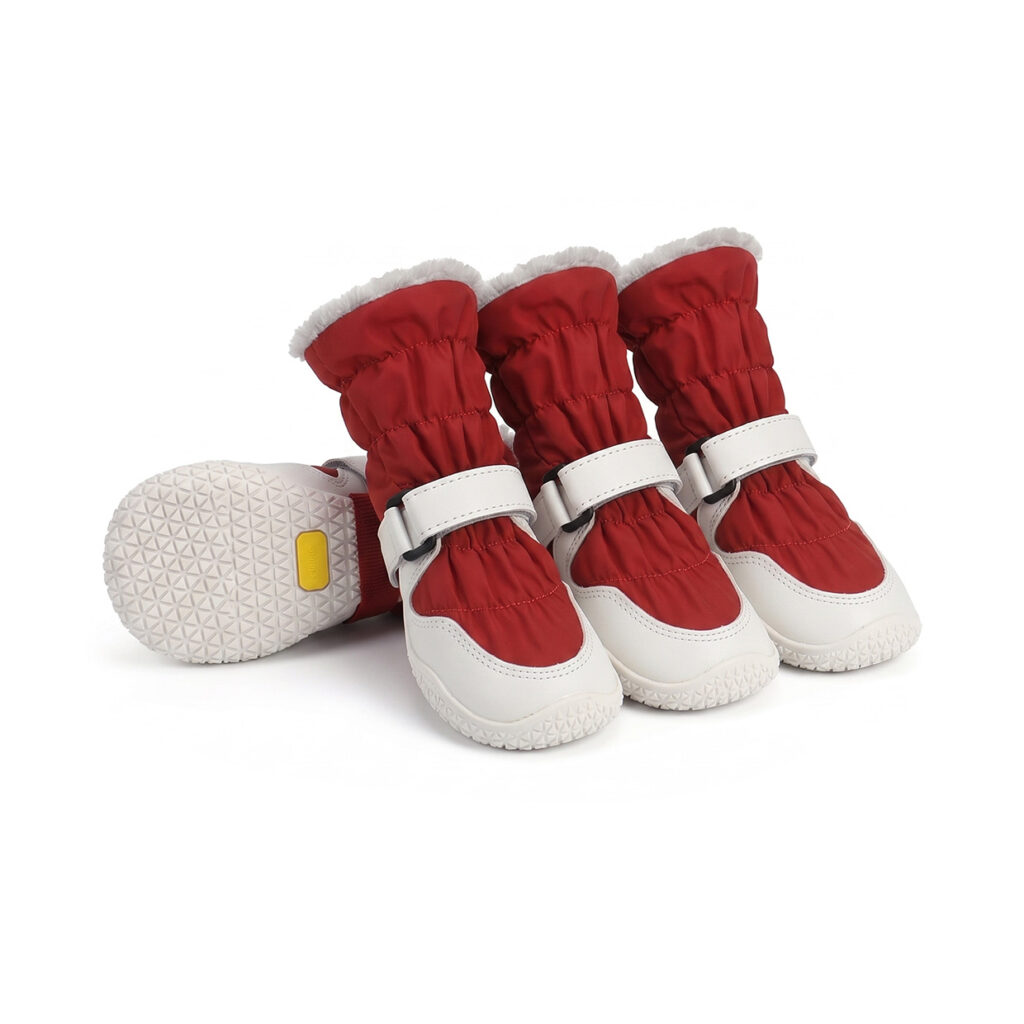
For outdoor boots built with these details, explore ergonomic anti-chafing dog boots. For lighter daily wear, explore seamless breathable dog shoes.
Emergency First Aid: How to Treat Dog Paw Blisters & Sores
If your dog ends up with a sore paw, stay calm. Most mild friction spots heal well once the cause is removed.
1. Stop the friction
Take the boots off and check all four paws, not just the one your dog is favoring. Don’t put the same boots back on “just to see.”
If the skin is pink but unbroken, keep it clean and dry and prevent any more rubbing. If there’s an open wound, real swelling, bleeding, discharge, or obvious pain, it’s time to see the vet.
2. Gently clean superficial irritation
Gently rinse with clean, lukewarm water or sterile saline, then pat dry with a soft cloth. Don’t scrub.
Be careful with what you grab from the medicine cabinet. Strong antiseptics like hydrogen peroxide or rubbing alcohol can irritate damaged tissue, and some human creams aren’t safe for dogs to lick off. The ASPCA’s pet poison and safety resources can help you spot risky products. Your vet can recommend a wound-care product made for dogs.
3. Prevent licking and additional trauma
Constant licking keeps the area wet and keeps rubbing it, which slows healing. A recovery collar or another vet-recommended option can help.
Don’t bandage a paw tightly unless you know how to apply and monitor a dressing. A bandage that’s too tight can cut off circulation.
4. Do not automatically pop a blister
When people look up dog paw blister treatment, the first instinct is to pop it like a blister on your own heel. Don’t. The intact skin protects the tissue underneath. Whether a canine blister should be left alone, drained, or treated is your vet’s decision.
Call promptly if you see pus, swelling that’s growing, heat, a bad smell, bleeding that won’t stop, or pain that’s getting worse.
Blister or something else? Reading the spot
Use these as clues to describe the problem to your vet. They’re not a diagnosis.
| What You See | Common Possibilities | What to Do |
|---|---|---|
| Blister on dog paw pad: puffy, pale, or peeling pad | Friction, rough terrain, or a burn from hot pavement | Rest the paw, keep it clean and dry, and see your vet if the pad is open |
| Blister between dog toes: red, raised, or fluid-filled bump | Boot friction or trapped moisture, but also foreign objects or an interdigital cyst | See your vet if it’s firm, growing, oozing, or keeps coming back |
| Blood blister on dog paw: dark red or purple bump | Pinching, impact, or pressure | Don’t pop it, and have it checked if it’s large or painful |
| Blister on dog foot with no boot contact | May not be footwear-related | Think about terrain and allergies, and talk to your vet |
When owners see what looks like a blister in between dog toes, it’s sometimes an interdigital cyst (also called a furuncle). As noted in VCA Animal Hospitals’ foot pad first-aid guidelines, deep pad sores, open blisters, and interdigital bumps often require veterinary treatment to prevent secondary infection.
For summer pad burns, try the seven-second test. Press the back of your bare hand on the pavement. If it’s too hot for your hand, it’s too hot for paws. See our guide on protecting dog paws from hot summer pavement.
For broader paw-care information, see Dog Paw Care 101: Prevent Burned, Cracked & Salted Paws.
Frequently Asked Questions (FAQ)
Why are my dog boots rubbing paws raw?
The usual causes are the wrong size, the boot moving too much, badly placed straps, rough seams, or moisture that stays in too long. A boot that’s too big spins and rubs, and one that’s too small squeezes. Feel inside the boot, then check your measurements against that model’s size chart. If rubbing continues after you’ve fixed the fit, try a different design.
Are dog boots bad for dogs’ feet?
No. A well-fitted boot protects against hot pavement, sharp gravel, ice, and road salt. Problems come from a poor fit, straps that are too tight, boots left wet for hours, or rough interiors. What matters is whether a particular boot suits your dog’s paw, activity, and weather.
How do I protect my dog’s dewclaws from boot chafing?
Check whether the strap or the top edge of the boot sits right on the dewclaw. Adjust the closure following the manufacturer’s instructions and confirm the size. If the strap still lands there after a proper fit, the design doesn’t suit your dog’s leg shape. That’s a design mismatch, not your mistake. If the dewclaw is swollen, torn, or bleeding, stop using the boots and call your vet.
What should I do if my dog gets a blister from their boots?
Take the boots off, keep the area clean and dry, and don’t use that pair again until you know what went wrong. Don’t pop dog paw blisters at home. If the spot is open, looks infected, is very painful, or isn’t improving, have your vet look at it.
Can dog socks stop boots from causing sores?
They can help. A thin sock adds a soft layer between skin and boot. Socks don’t fix sizing, though. In a boot that’s already snug, a sock makes it tight. Change damp socks on long outings.
How tight should dog boot straps be?
Tight enough that the boot doesn’t spin or slip, and loose enough that it leaves no deep marks. The “one-finger rule,” where one finger slides under the strap, is a good quick check for many designs, but it isn’t universal. If you see swelling, color changes, or deep strap marks, refit the boot.
Can wet boots cause blisters faster?
They can. Damp skin softens and rubs raw more easily. After wet walks, towel-dry the paws (including between the toes), let the boots air-dry completely, and check the skin before the next walk. Grit left in wet boots acts like sandpaper, so clean them often. Our How to Clean Dog Shoes: Easy Care & Wash Guide has a simple routine.
How long can a dog wear boots before a chafing check?
There’s no single limit that applies to every dog. With new boots, check after every short session. With a pair your dog is used to, check during long outings, wet weather, or unfamiliar terrain. Check more often for seniors, dogs with sensitive skin, and dogs who have had sores before.
When to Stop Using the Boots
Some awkwardness at first is normal. Physical irritation that keeps coming back is not something your dog should have to “get used to.” Stop and reassess if you notice:
- Raw skin or blisters
- Redness that keeps showing up in the same spot
- Bleeding or swelling
- Fur loss around a strap
- A damaged dewclaw
- Licking that continues after the boots come off
- Repeated attempts to pull off one particular boot
- Limping or refusing to put weight on a foot
Pay attention to the “one particular boot” sign. Dogs are honest. If your dog keeps fighting the same boot, something about that boot is bothering them.
If the problem clears up when the boots come off and comes back with the same pair, look hard at that boot’s fit and construction. A better boot reduces friction without needing tighter and tighter straps.
Say Goodbye to Dog Boots Rubbing Paws
Paw protection should take risks away, not add discomfort. The right footwear combines accurate sizing, a stable position on the foot, a smooth interior, suitable materials, and a sole made for the surfaces your dog walks on. When all of that works, your dog forgets the boots are there.
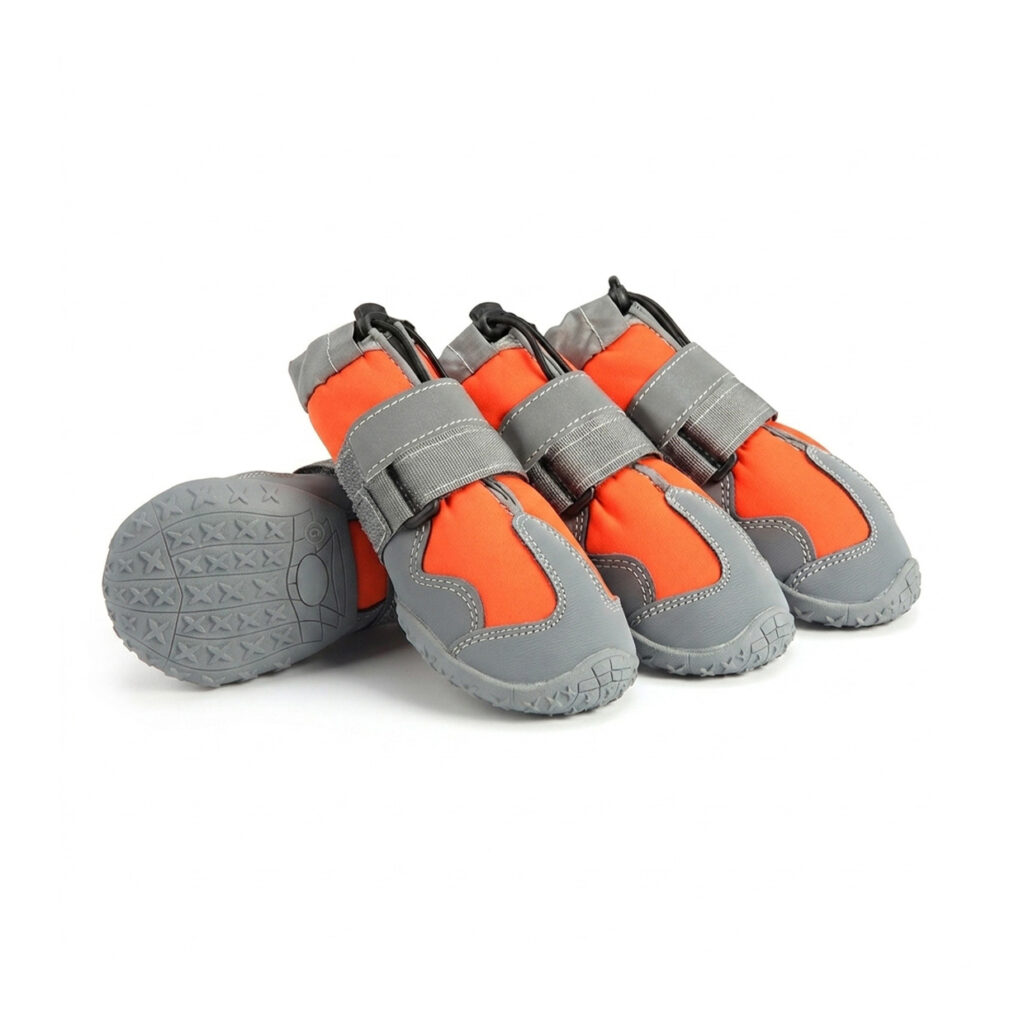
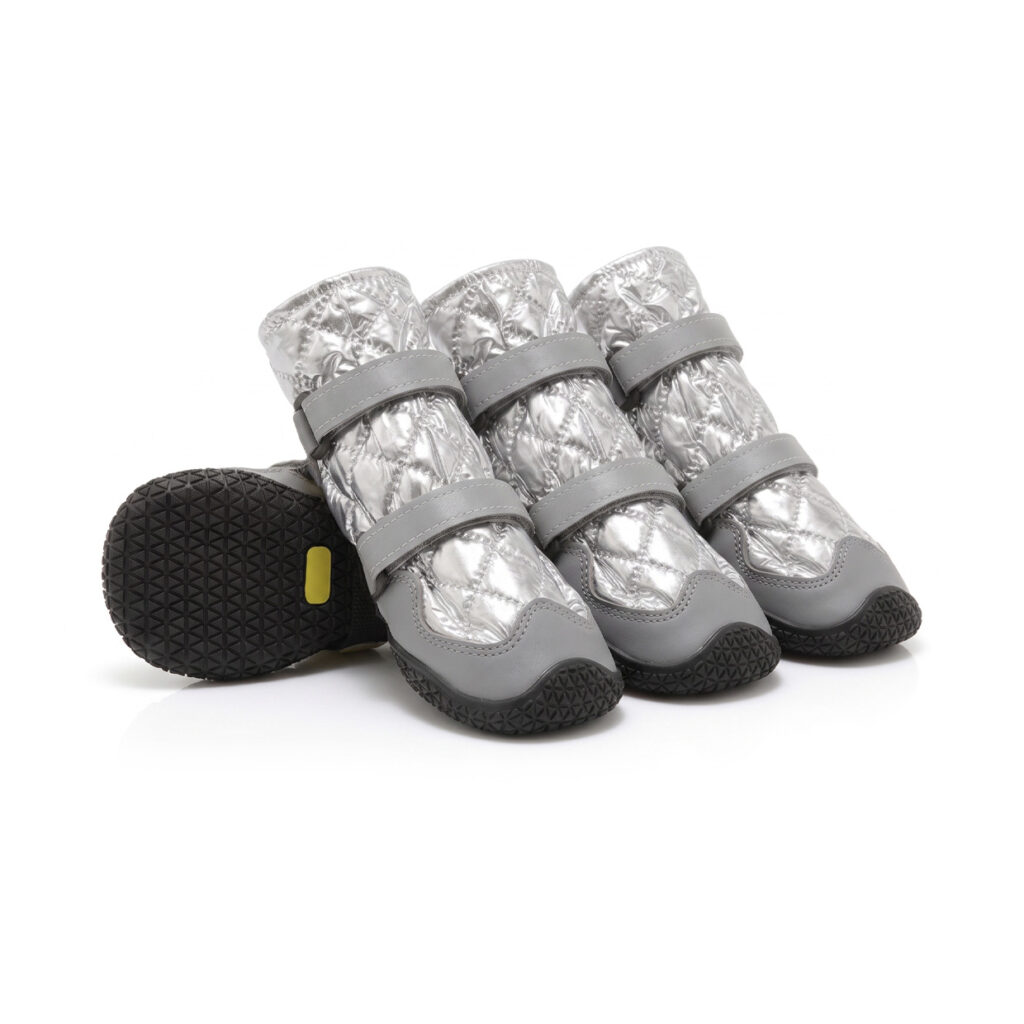
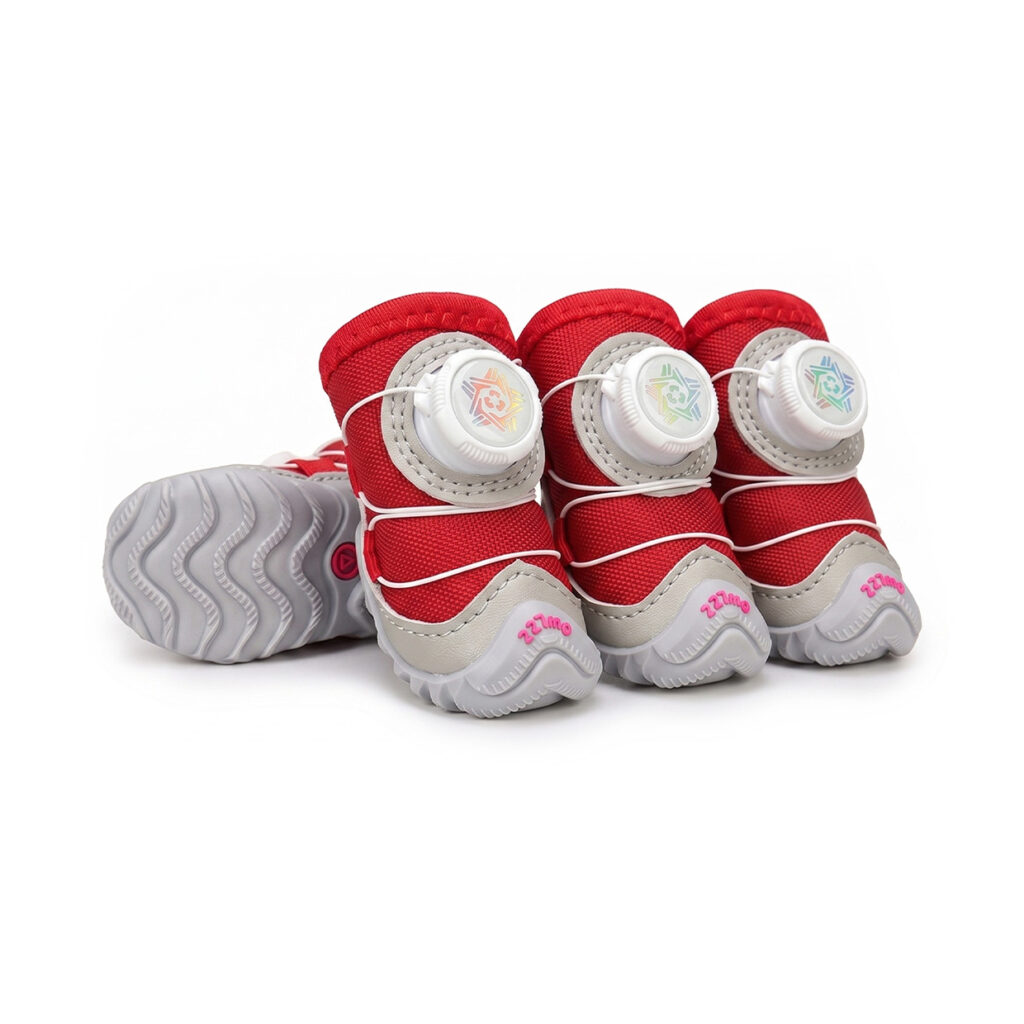
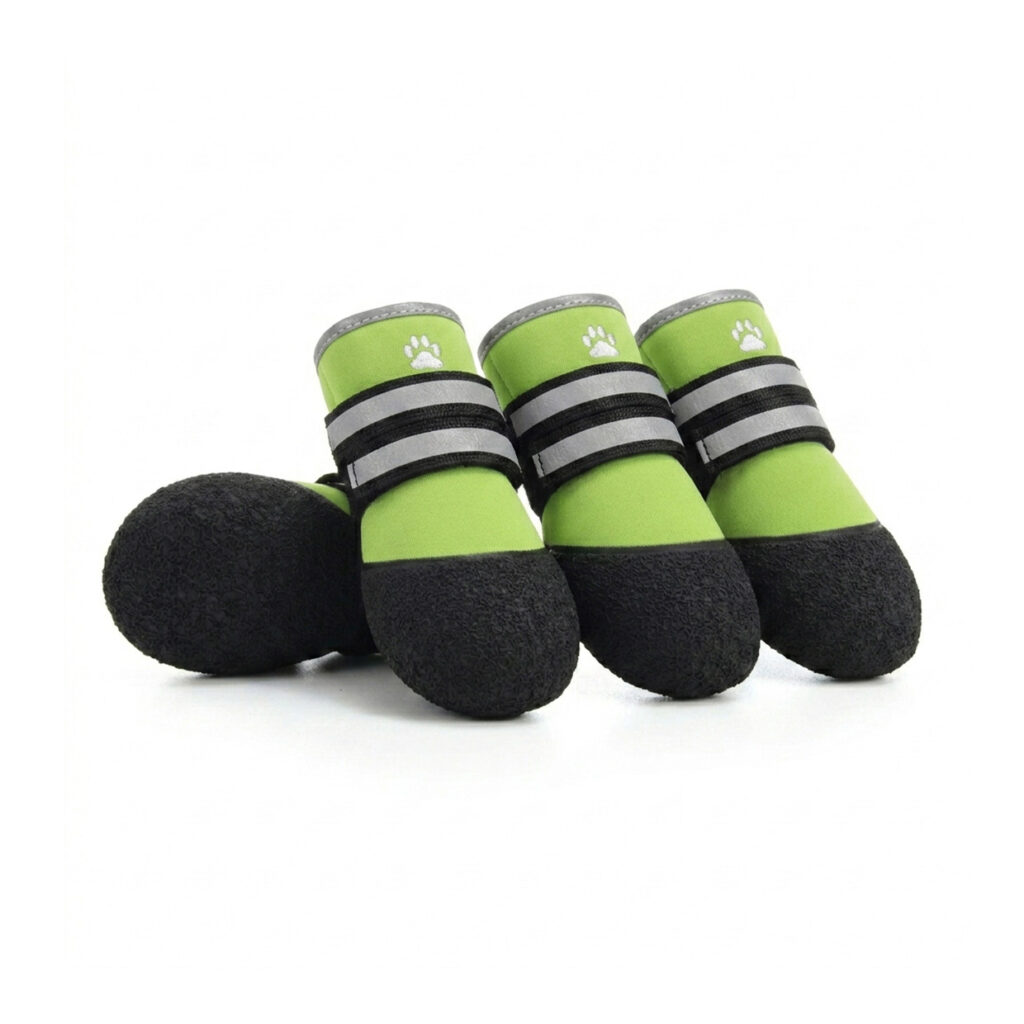
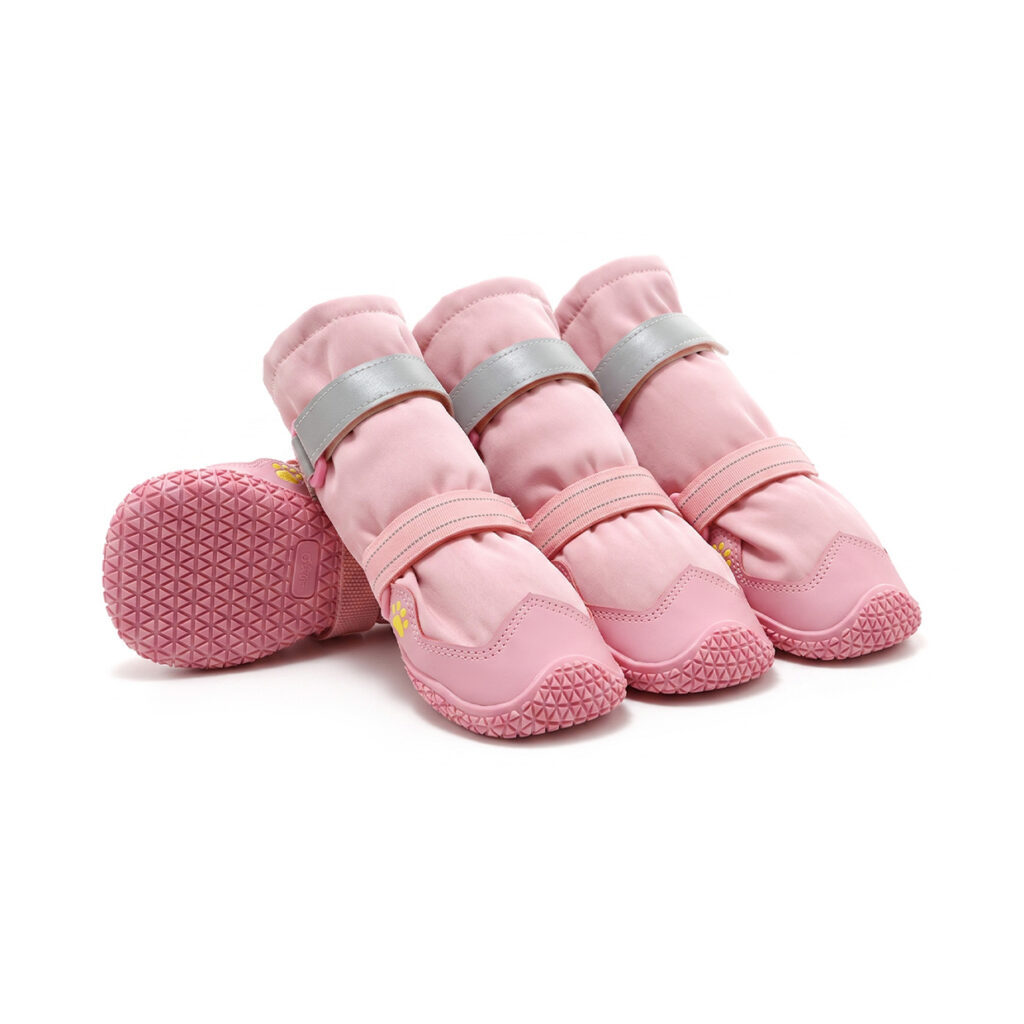
Explore Paw Clad’s collection of ergonomic dog boots and flexible all-weather dog shoes. They’re designed around secure closures, durable outer construction, and paw-friendly interiors. Each style has its own size chart, because each one fits a little differently.
Shop Blister-Free Ergonomic Dog Boots & Shoes Now
Before every new adventure, run through the routine:
Measure the paw → check the construction → fit the boot → start gradually → inspect the paws.
These five steps keep boots protecting your dog’s paws instead of rubbing them.