Free Shipping on All Orders | 30-Day Easy Returns
Waterproof vs Breathable Dog Boots: Fabric Guide
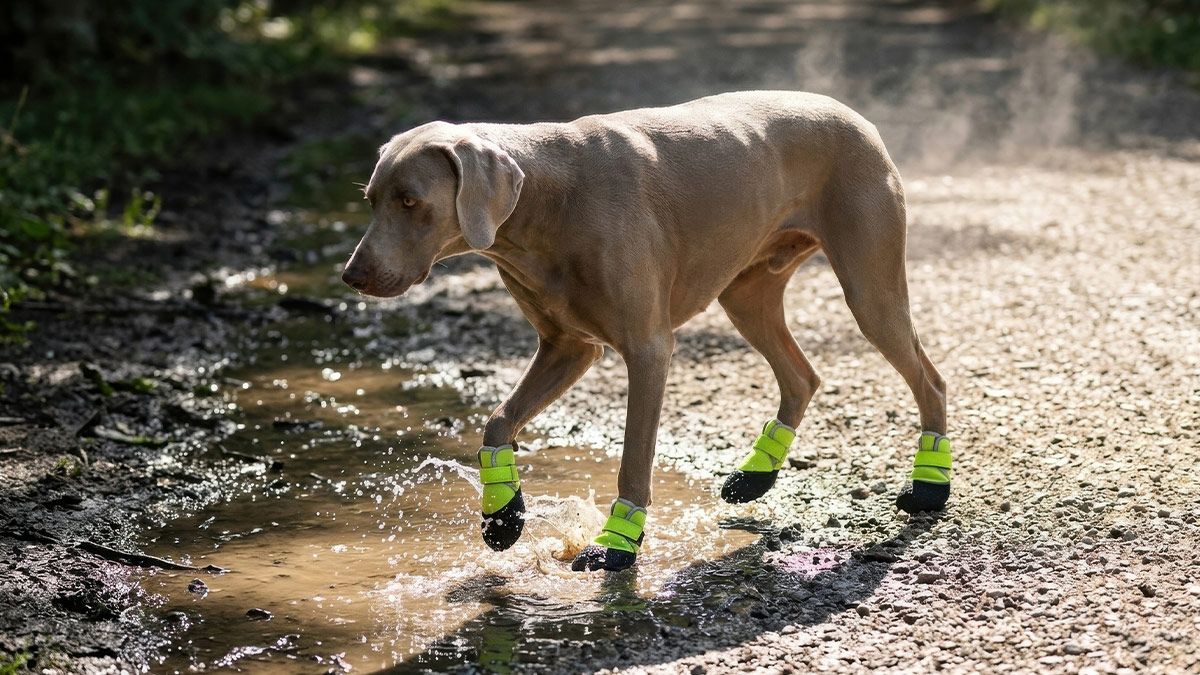
Table of Contents
If you’ve ever stood in the pet aisle turning a box of dog boots over in your hands, trying to decide between “waterproof” and “breathable” like it’s some kind of trick question — you’re not alone. This is one of the most common things dog owners agonize over, and honestly, it’s because both options are right. Just not at the same time.
Dogs do have sweat glands tucked into their paw pads, though panting is still doing most of the heavy lifting when it comes to cooling them down. On a warm-weather walk, a boot with zero airflow can turn into a tiny sauna against your dog’s skin. But swap that same walk for slush, freezing rain, or a muddy trail, and suddenly that “sauna” feature is exactly what’s keeping your dog’s paws dry and comfortable.
So the real question isn’t “which fabric is better.” It’s “which fabric matches what my dog is actually walking through today.” In this guide, we’ll break down how paws regulate temperature, compare waterproof and breathable materials side by side, walk through the seam and closure details that actually matter, and hand you a seasonal cheat sheet so you’re not guessing every time the weather shifts.
The Science Behind Waterproof vs Breathable Dog Boots
At its core, this comes down to a simple trade-off every outdoor gear designer wrestles with: keep water out, or let heat and moisture out. Doing both at once, perfectly, isn’t really possible — every boot leans one direction or the other.
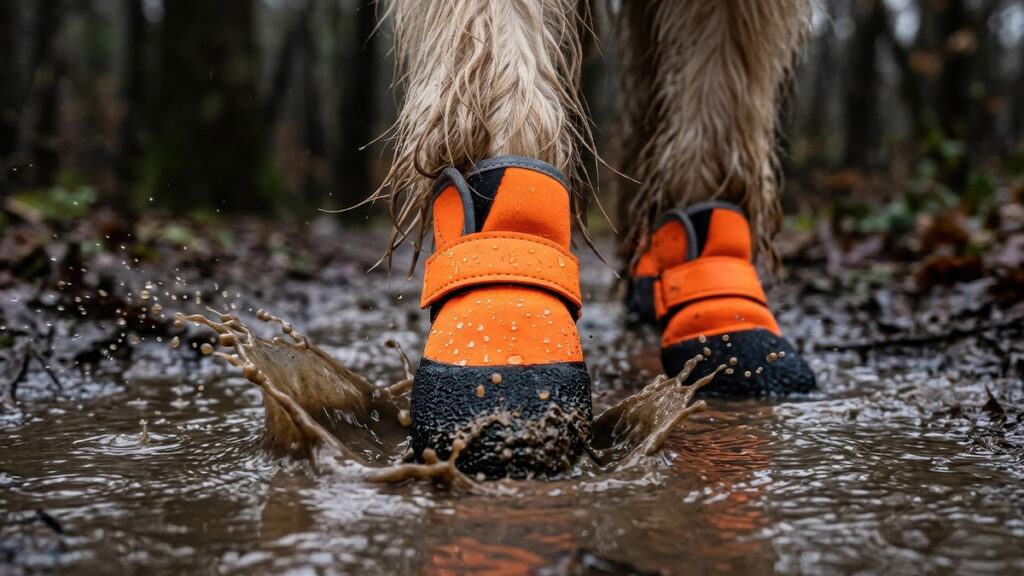
A waterproof boot is built like a tiny raincoat for the paw. Its upper, seams, and closures are all designed to keep rain, slush, puddles, and mud from ever touching skin.
A breathable boot flips that priority. Instead of sealing everything shut, it uses mesh panels and air-permeable fabric so heat and moisture vapor can actually escape while your dog is moving.
Can Dogs Sweat Through Their Paws?
Yes — dogs genuinely do have sweat glands in their paw pads. But don’t picture it like a human sweating through a t-shirt on a summer run. It’s a much smaller contribution to cooling, and panting is still the main event.
That said, paw-pad moisture does matter once you put a boot on top of it. Trap that moisture inside a sealed boot during a long, warm walk, and you’ve created a humid little pocket around your dog’s foot — not dangerous on its own, but not exactly comfortable either.
As noted in veterinary resources like VCA Animal Hospitals’ heat safety guidance, this is exactly why ventilation isn’t just a nice-to-have feature. If you’re heading out on a hot afternoon walk, a fully sealed boot can quietly work against you.
None of this means waterproof boots are bad news for paw health. It just means they’re a tool for a specific job — wet, cold, messy conditions — not a one-size-fits-all solution you leave on your dog year-round.
Waterproof Does Not Always Mean Better
Here’s a mistake I see a lot: assuming the most water-resistant boot on the shelf is automatically the “best” one.
A heavily sealed, insulated boot will absolutely dominate in snow and rain — and be complete overkill on a dry summer sidewalk, where it’ll just trap heat for no reason. Flip it around, and an ultra-light mesh shoe that feels great on a hot day will let water soak straight through the first time your dog steps in a puddle.
The goal isn’t “most protective at all times.” It’s “protective for the conditions in front of you today.”
Waterproof Dog Boots: Maximum Protection From Wet Conditions
Waterproof boots exist to do one job well: stop liquid water from ever reaching your dog’s paw. For dogs slogging through snow, rain-soaked grass, streams, or ankle-deep mud, that single job matters a lot more than airflow does.
Neoprene Dog Boots vs Breathable Mesh Shoes
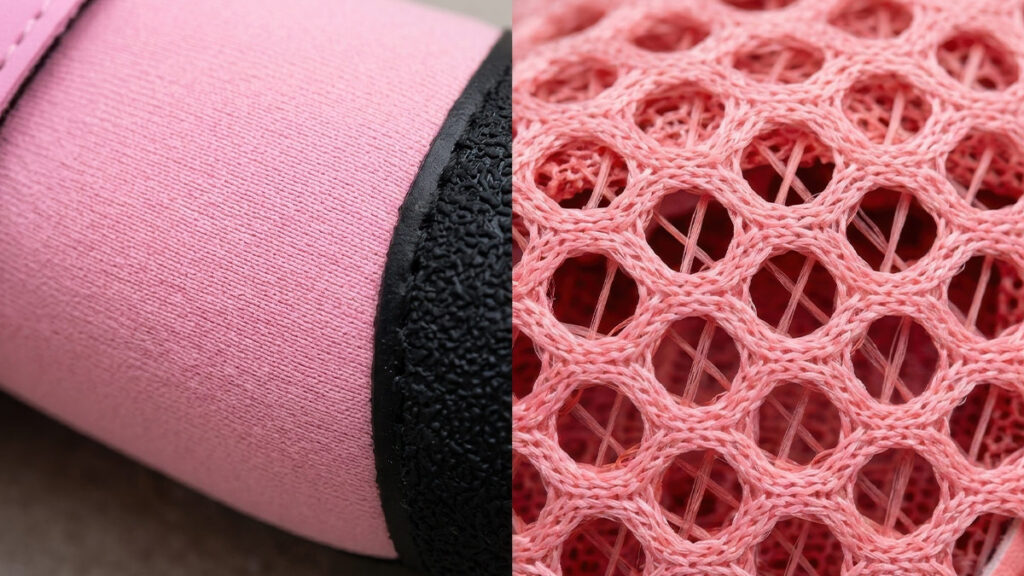
Neoprene shows up in a lot of quality dog boots for good reason — it’s flexible, insulating, water-resistant, and it hugs the shape of the paw and lower leg closely, which means fewer gaps for water and grit to sneak through.
But here’s the part that trips people up: neoprene isn’t automatically “100% waterproof.” Water is sneaky. It finds its way in through loose seams, unsealed stitching, or a closure that isn’t cinched properly, even when the main fabric itself is doing its job perfectly.
If you are preparing for slush, snow, or mud, explore our purpose-built waterproof dog boots and breathable dog shoes to match your seasonal forecast.
If you’re genuinely trying to keep paws dry through the winter, look past the fabric name on the label and check the whole construction:
- Water-resistant or waterproof upper material
- Covered or sealed seams
- A secure, snug boot opening
- Overlapping closure panels
- Water-resistant fasteners (not just decorative Velcro)
- A protective outsole that blocks moisture from below, too
When Waterproof Boots Make the Most Sense
Reach for waterproof or water-resistant footwear when your dog regularly deals with:
- Rainy walks
- Wet grass (that early-morning dew soaks through faster than you’d think)
- Muddy trails
- Snow and slush
- Stream crossings
- Cold-weather hikes
- Frequent standing water
For deep snow specifically, go taller if you can. A gaiter-style upper or higher boot shaft keeps snow from packing in around the ankle opening — because once that snow melts against your dog’s body heat, it’s now sitting inside the boot, which defeats the whole purpose.
Breathable Dog Boots: Better Ventilation for Warm Conditions
Breathable boots make a different bet entirely — airflow and moisture escape take priority over sealing everything shut.
This is the right call for dogs spending real time outside in warm weather, or for active dogs on longer walks where heat and moisture build up fast inside footwear.
3D Mesh and Airflow
Three-dimensional mesh fabric creates tiny air channels between layers, almost like a miniature ventilation system woven right into the boot. Instead of one solid barrier trapping everything against the paw, air actually moves through and around it.
That’s a meaningful difference on a hot day. A lightweight, well-ventilated boot means your dog isn’t fighting the footwear itself just to stay comfortable.
Breathable uppers really earn their keep when the main threats are:
- Hot pavement
- Rough sidewalks
- Dry gravel
- Light trails
- Sand
- General everyday abrasion
Rather than reaching for the thickest, most insulated boot “just in case,” a lighter build often protects just as well without weighing your dog down or making them overheat.
Breathability Has a Trade-Off
Here’s the honest catch: the more open a mesh design is, the harder it becomes to keep water out. Those same tiny gaps that let air flow through are also perfectly happy letting in water, mud, and fine debris.
This is really the whole debate in one sentence — waterproof vs breathable dog boots, boiled down:
| Feature | Waterproof Construction | Breathable Construction |
|---|---|---|
| Rain protection | Excellent | Limited to moderate |
| Snow/slush | Excellent | Limited |
| Mud resistance | Excellent with sealed construction | Moderate |
| Hot-weather comfort | Moderate | Excellent |
| Air circulation | Limited to moderate | High |
| Water vapor escape | Lower | Higher |
| Flexibility | Moderate to high | Usually high |
| Best environment | Wet/cold conditions | Dry/warm conditions |
There’s no overall “winner” here. There’s just the winner for what your dog is walking through this week.
4 Key Fabric Differences That Matter Most
Looking at the upper material alone only tells part of the story. These four construction details are where a boot actually earns — or loses — its keep.
1. Upper Material
Neoprene and coated synthetics lean toward wet-weather performance. Mesh and lightweight textiles lean toward ventilation. Ask yourself which problem you’re actually solving: water getting in, or heat getting trapped.
2. Seam Construction
Even a genuinely water-resistant fabric can leak like a sieve if the seams weren’t built to match. Look for reinforced stitching, covered seams, overlapping panels, or actual seam-sealing — not just a waterproof-sounding fabric name on the tag.
This matters a lot if you’re shopping around for the best all weather boots for dogs, because “waterproof fabric” and “waterproof boot” are not always the same promise.
3. Closure Design
The opening around your dog’s leg is basically an open door for water if it’s not designed well. A good closure holds the boot securely in place without cutting off circulation or rubbing raw. In snow or deep mud, a taller shaft with an extra fastening point beats a low-cut ankle boot every time.
4. Outsole Construction
The upper protects the top of the paw. The outsole is protecting the part actually touching the ground — hot asphalt, sharp gravel, ice, broken glass on a city sidewalk, all of it. A quality outsole gives traction on wet surfaces and insulation from abrasive or scorching ground.
For a closer look at how tread patterns and sole materials affect grip, check out: dog boot soles and traction patterns.
Waterproof vs Breathable Dog Boots: Which Should You Choose?
Start with the environment your dog actually lives in — not the flashiest feature on the box.
Summer and Hot Pavement
In dry, hot conditions, breathability should win the argument most of the time. A lightweight mesh upper paired with a protective, flexible sole keeps paws off scorching or abrasive ground while letting air move freely.
For temperature threshold charts and pavement safety rules, check out our guide on protecting dog paws from hot summer pavement.
Quick gut check: press the back of your hand against the pavement for five seconds. If that’s too hot for your skin, it’s too hot for paw pads — boot or no boot, that ground needs avoiding during peak heat.
Don’t assume a thick, fully sealed boot is “safer” just because it’s got more material. In summer heat, that’s often the opposite of helpful.
Winter, Snow, and Slush
Cold, wet conditions flip the priority toward water resistance and insulation. Snow melts against body heat, and that meltwater has to go somewhere — usually straight into the boot if it’s not built to keep it out. Wet, cold paws get uncomfortable fast, especially on longer outings.
Waterproof or water-resistant uppers, secure closures, and appropriate insulation matter far more here than maximum airflow.
Rainy Urban Walks
Rain sits in the middle ground. If your dog’s routine is a 20–30 minute walk on wet sidewalks, moderate water resistance is usually plenty — a full winter-grade sealed boot is often more than the situation calls for. Look for something that balances water resistance with flexibility and traction, rather than going full “arctic expedition” for a quick trip around the block.
Hiking and Mixed Weather
Trails demand a more complete approach. Rocky terrain brings abrasion and puncture risk; stream crossings and muddy patches bring moisture. Outsole durability and traction matter here just as much as the upper fabric does.
For an active trail dog, think in terms of the whole system: weather resistance + secure fit + durable outsole + enough ventilation to stay comfortable over hours, not minutes.
A Practical Seasonal Selection Matrix
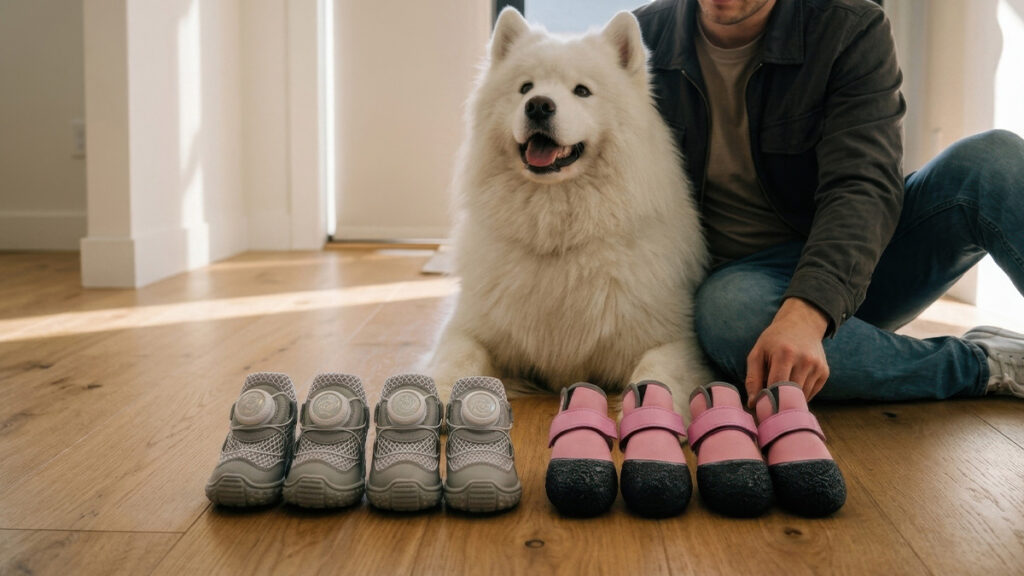
Bookmark this table for quick reference next time you’re shopping:
| Conditions | Recommended Construction | Main Priority |
|---|---|---|
| Hot & dry | Lightweight mesh | Breathability |
| Hot pavement | Breathable upper + protective sole | Heat/abrasion protection |
| Light rain | Water-resistant fabric | Basic moisture protection |
| Heavy rain | Waterproof upper + sealed construction | Water exclusion |
| Snow/slush | Waterproof insulated construction | Warmth + moisture resistance |
| Muddy trails | Water-resistant upper + lugged outsole | Debris + traction |
| Mixed-weather hiking | Hybrid construction | Balanced protection |
Sometimes a hybrid boot is the smartest single purchase — a weather-resistant lower section handling splashes and mud, with mesh panels higher up keeping air moving around the leg.
How to Choose the Right Dog Boot Materials
Before you buy, run through these four questions:
1. Where will my dog actually wear them?
A dry neighborhood sidewalk and a snowy mountain trail call for completely different boots. Be honest about your dog’s real routine, not their occasional adventure.
2. What’s the biggest hazard, specifically?
Hot pavement means prioritize the outsole. Deep snow means prioritize sealed water resistance. Figure out the one thing you’re actually protecting against.
3. How long will they be worn?
A 15-minute bathroom break and a 3-hour hike have completely different ventilation and comfort demands — don’t size up your gear needs to match a walk that isn’t happening.
4. Does the boot actually fit?
This one gets skipped constantly, and it shouldn’t. Even the best fabric in the world can’t save an ill-fitting boot. It should stay put without pinching, rubbing, or restricting how your dog naturally moves their paw.
If sizing has you second-guessing, start here: measure your dog’s paws accurately.
And if your dog is brand new to wearing boots at all — cue the classic high-stepping, stiff-legged shuffle dogs do the first time something touches their paws — a little patience and positive reinforcement goes a long way: learn how to get your dog used to shoes.
Frequently Asked Questions
What is better, waterproof or breathable dog boots?
Neither wins outright — it depends entirely on what your dog’s walking through. Waterproof boots are your go-to for rain, snow, mud, and wet trails. Breathable boots take over for warm, dry days. Match the boot to the weather, not the other way around.
Can dogs sweat through their paws in waterproof boots?
A little, yes — dogs have sweat glands in their pads, but panting does most of the cooling work. Still, moisture can build up inside a sealed boot during a longer, warmer outing. Waterproof boots are great for wet conditions, just don’t leave them on all day if airflow is actually what your dog needs.
Are neoprene dog boots better than mesh shoes?
Better for wet or cold weather — yes. Neoprene brings insulation, flexibility, and water resistance to the table. Mesh, on the other hand, wins in warm, dry conditions because it actually lets air move. Neither one is the “superior” material overall; they’re just built for different jobs.
What are the best all weather boots for dogs?
Skip the temptation to grab the most waterproof option on the shelf and call it done. A genuinely solid all-weather boot balances several things at once: a weather-resistant upper, a secure closure, a durable traction outsole, decent flexibility, and at least some ventilation baked in.
Should dog boots be waterproof in summer?
Not necessarily. If your dog’s summer walks involve rain or wet grass, sure, some water resistance helps. But for hot, dry sidewalk walks, breathability usually matters more than keeping every drop of water out. A lightweight, breathable shoe with a solid protective sole tends to be the better everyday summer pick.
Final Takeaway: Match the Material to the Weather
At the end of the day, the waterproof vs breathable dog boots debate isn’t really about finding the fanciest, most technically advanced fabric on the market. It’s about picking the construction that solves the actual problem your dog is facing outside, today.
Waterproof boots shine in rain, snow, slush, mud, and anywhere moisture just won’t quit. Breathable boots earn their spot when heat, airflow, and all-day comfort are the bigger concern. If your dog lives somewhere with genuinely different seasons — and let’s be honest, most of us do — keeping both a warm-weather pair and a wet-weather pair on hand is often the most practical answer.
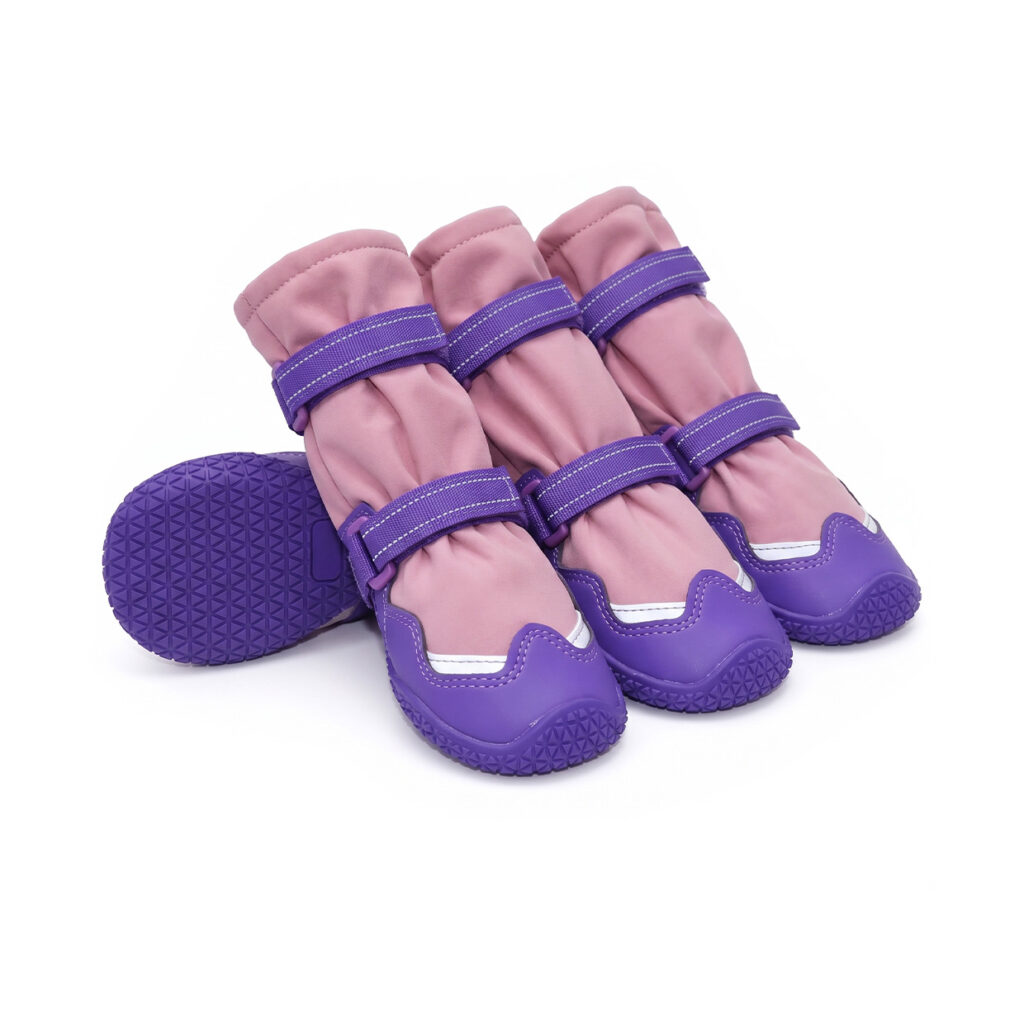
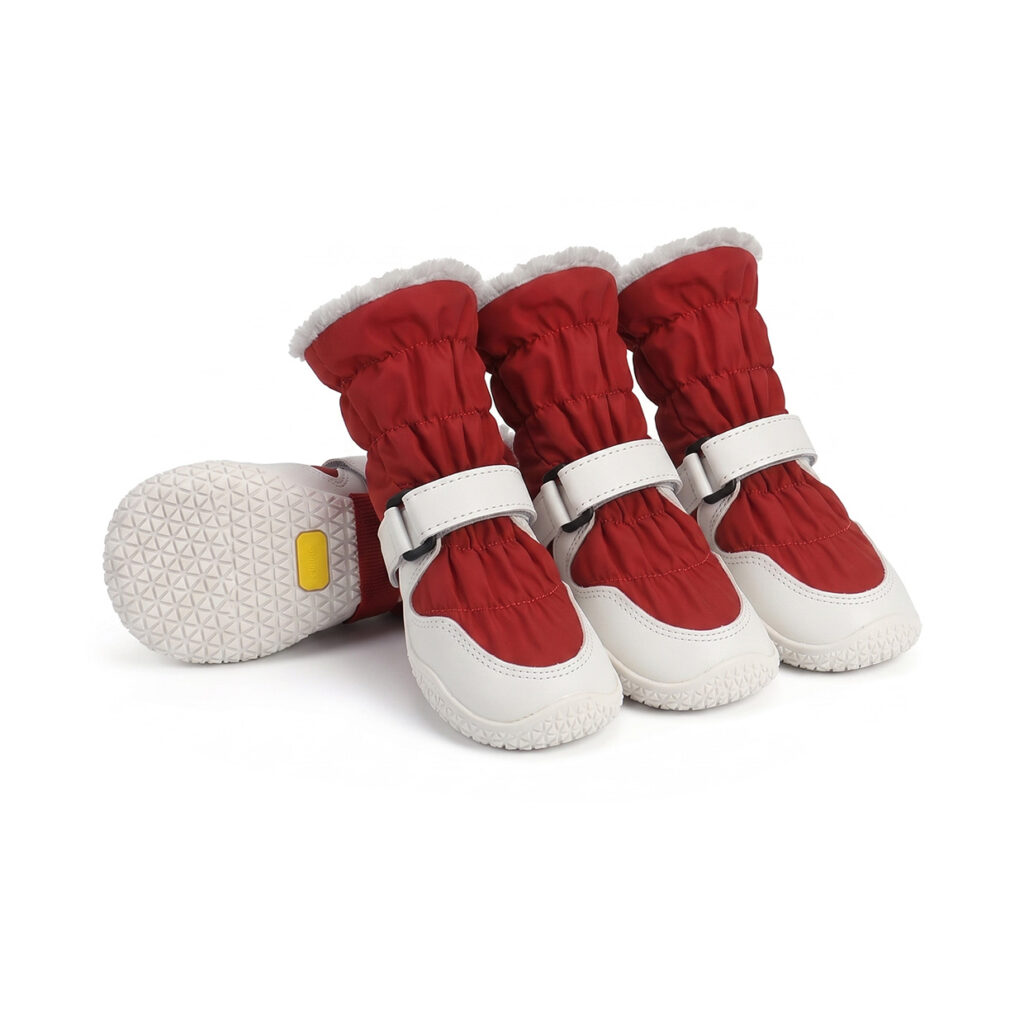
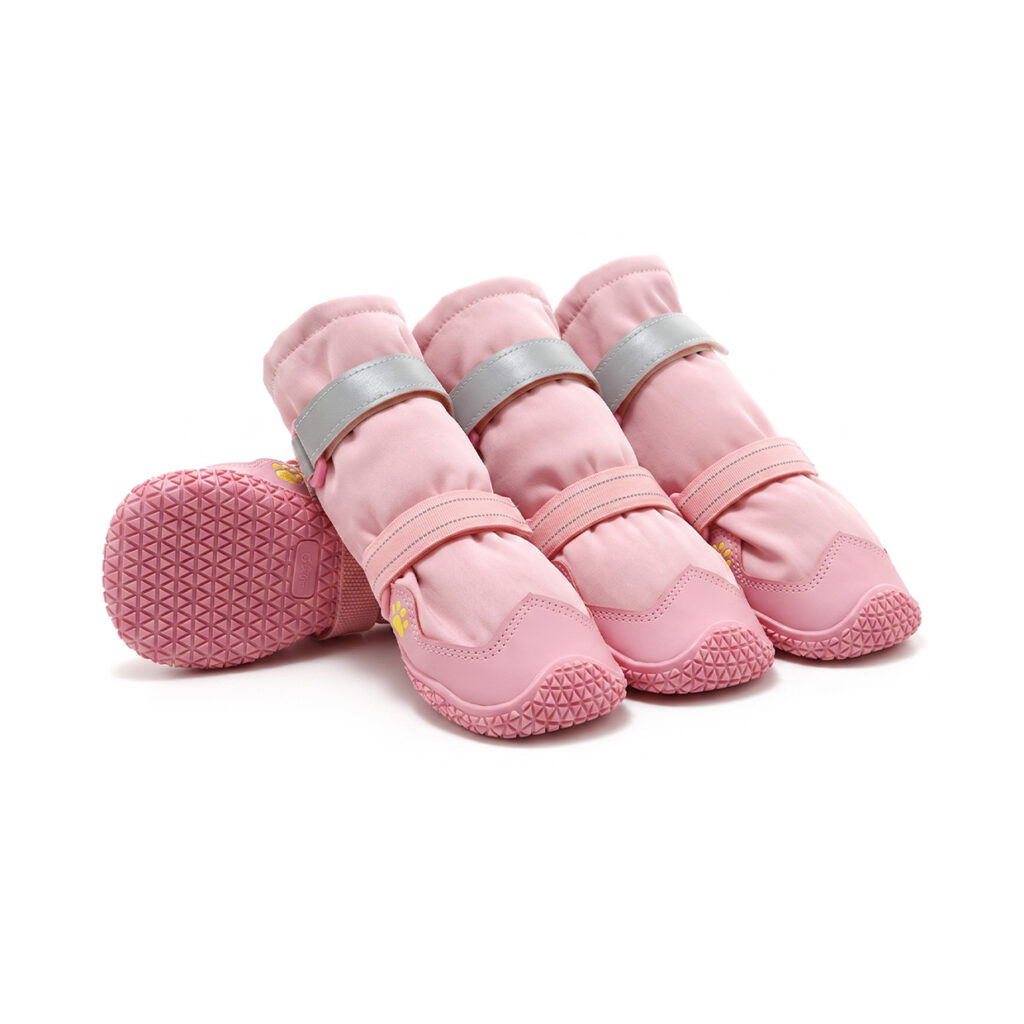
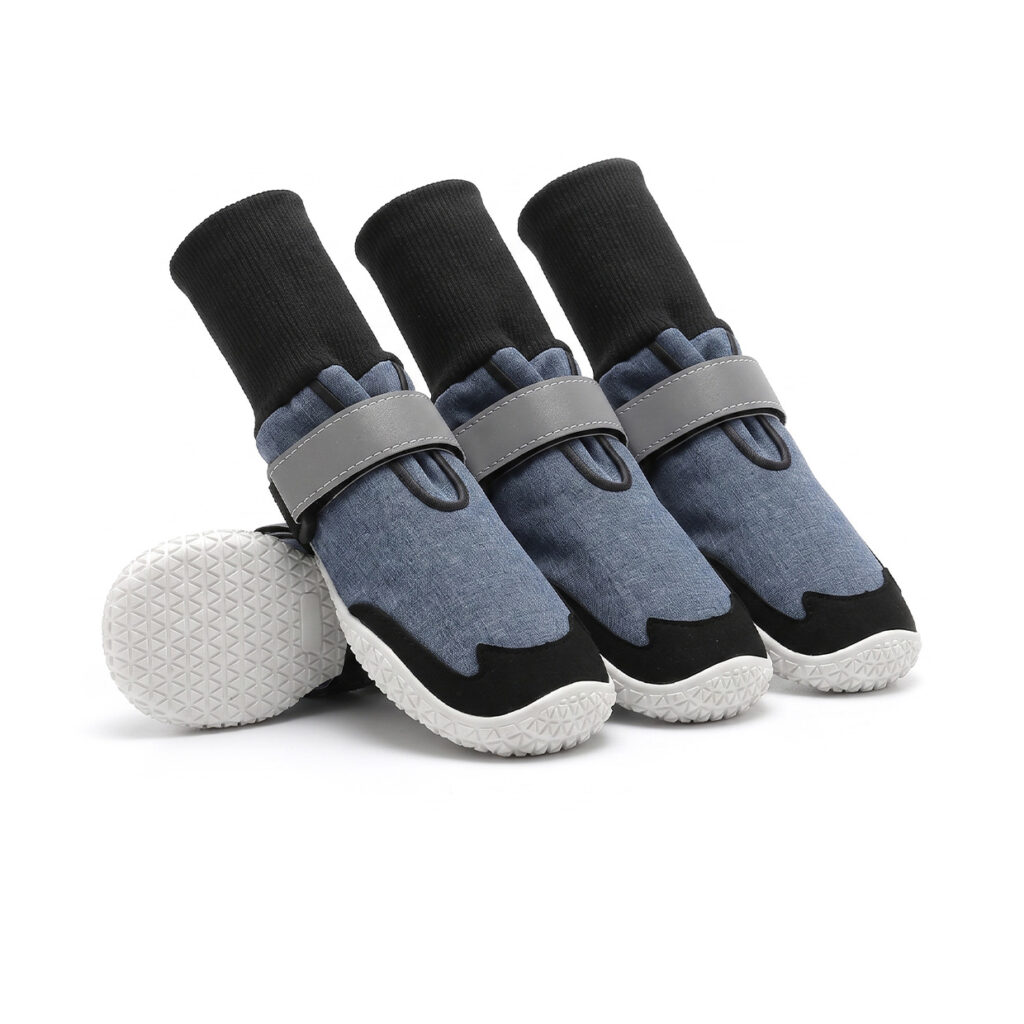
Weather Resistant Dog Shoes
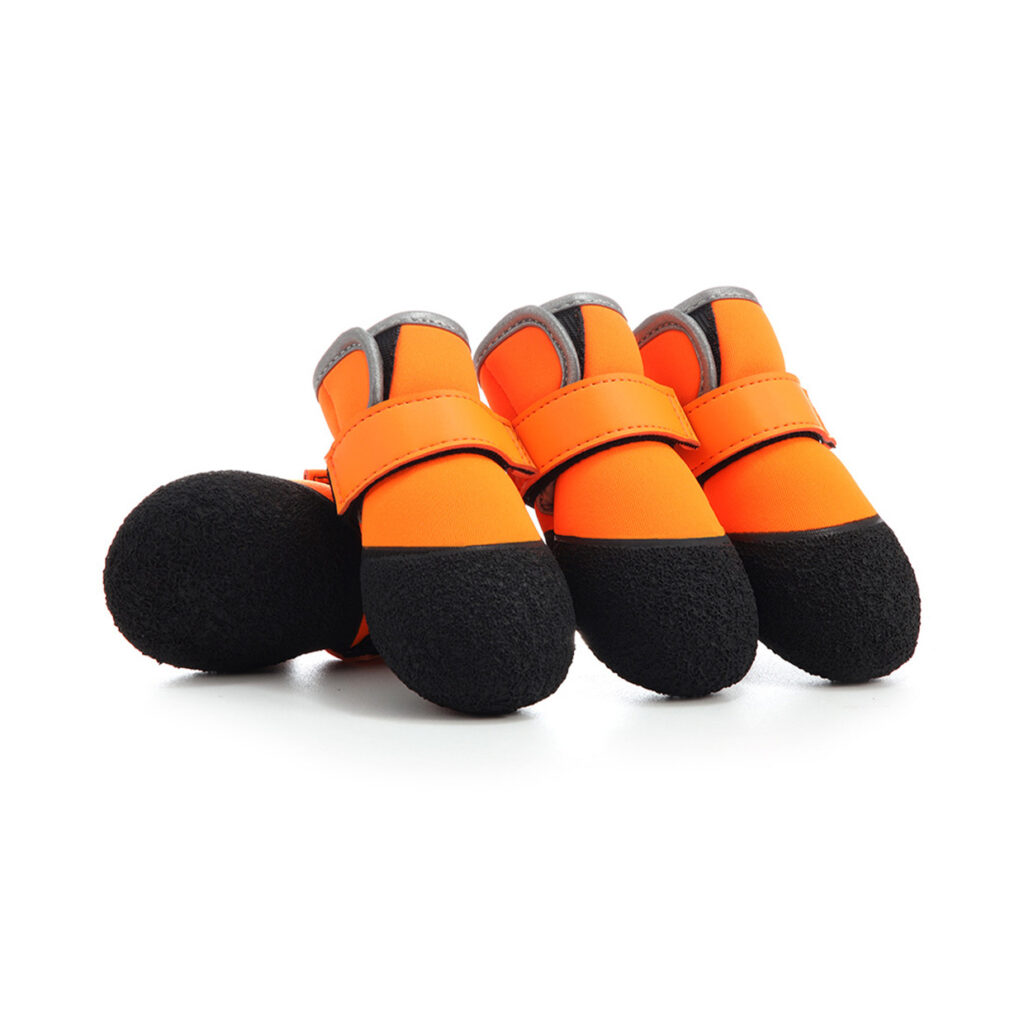
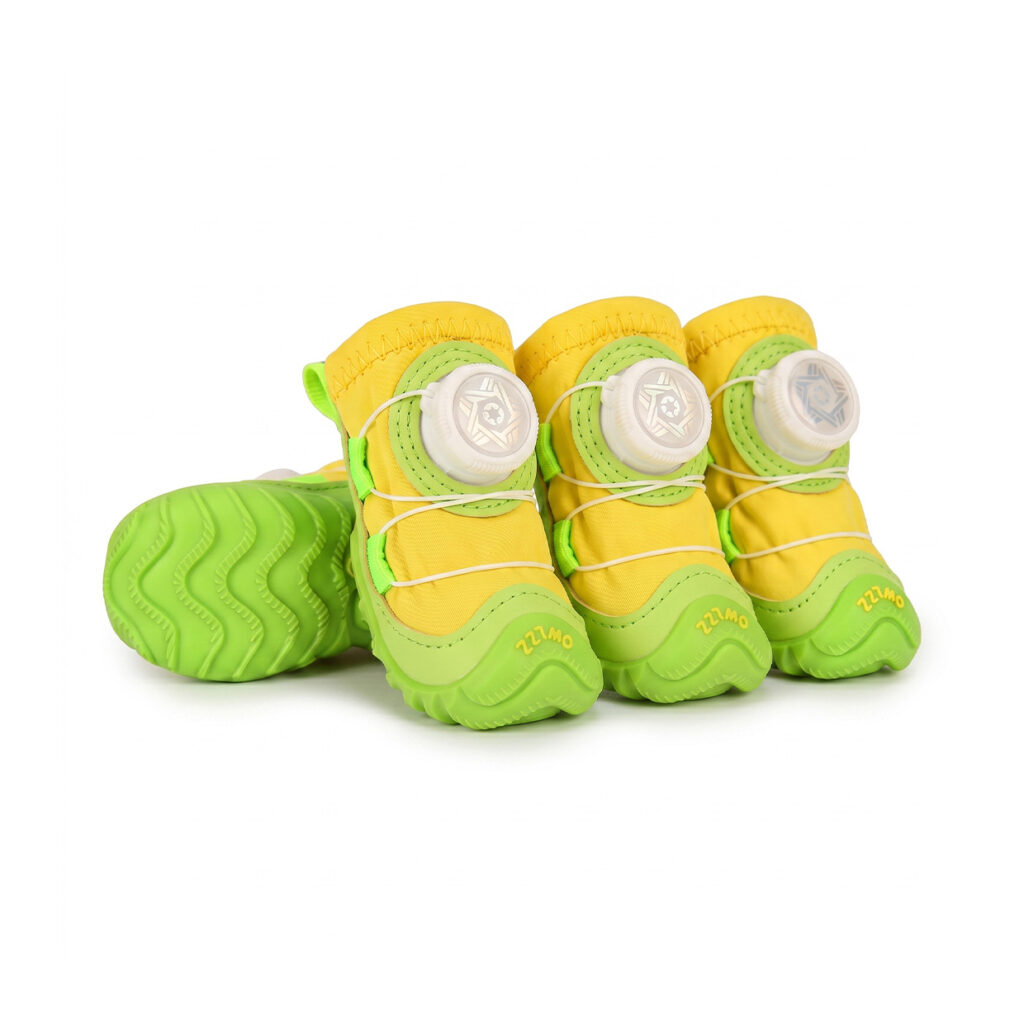
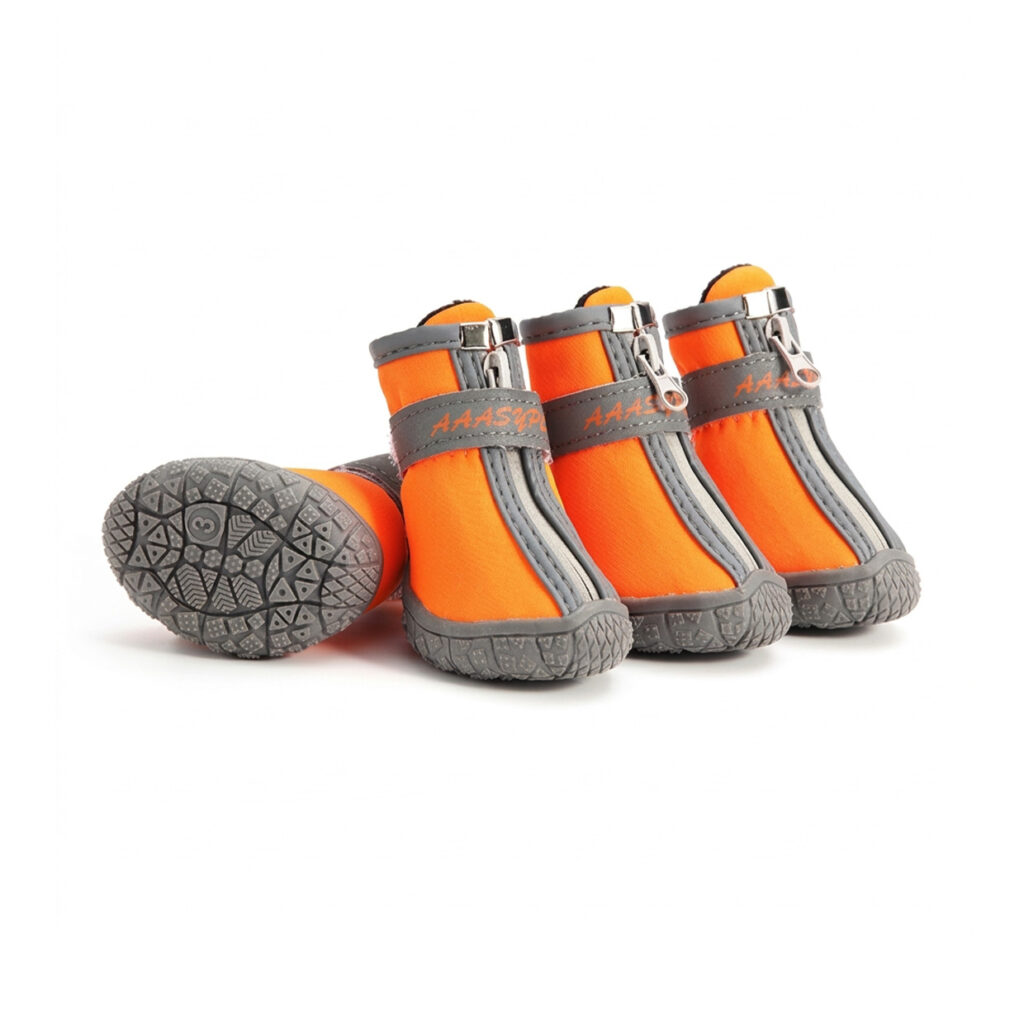
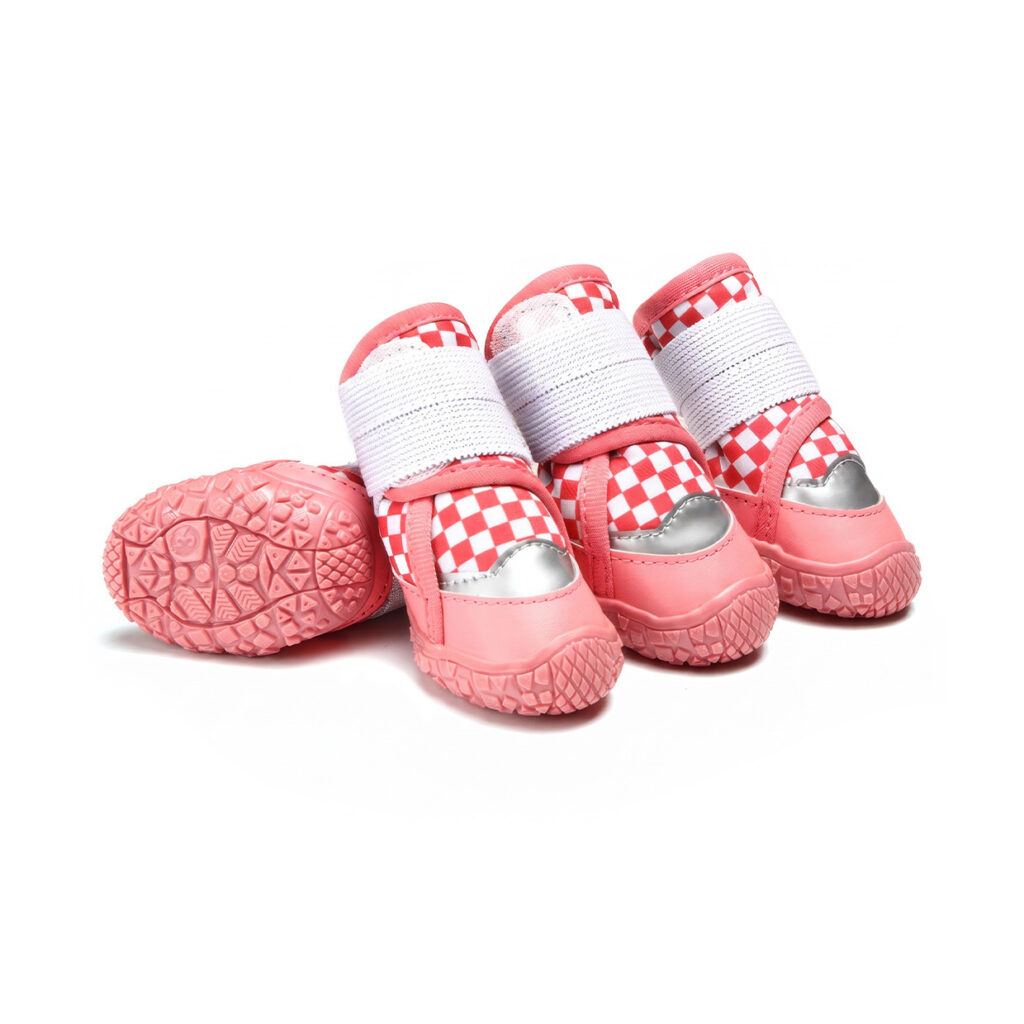
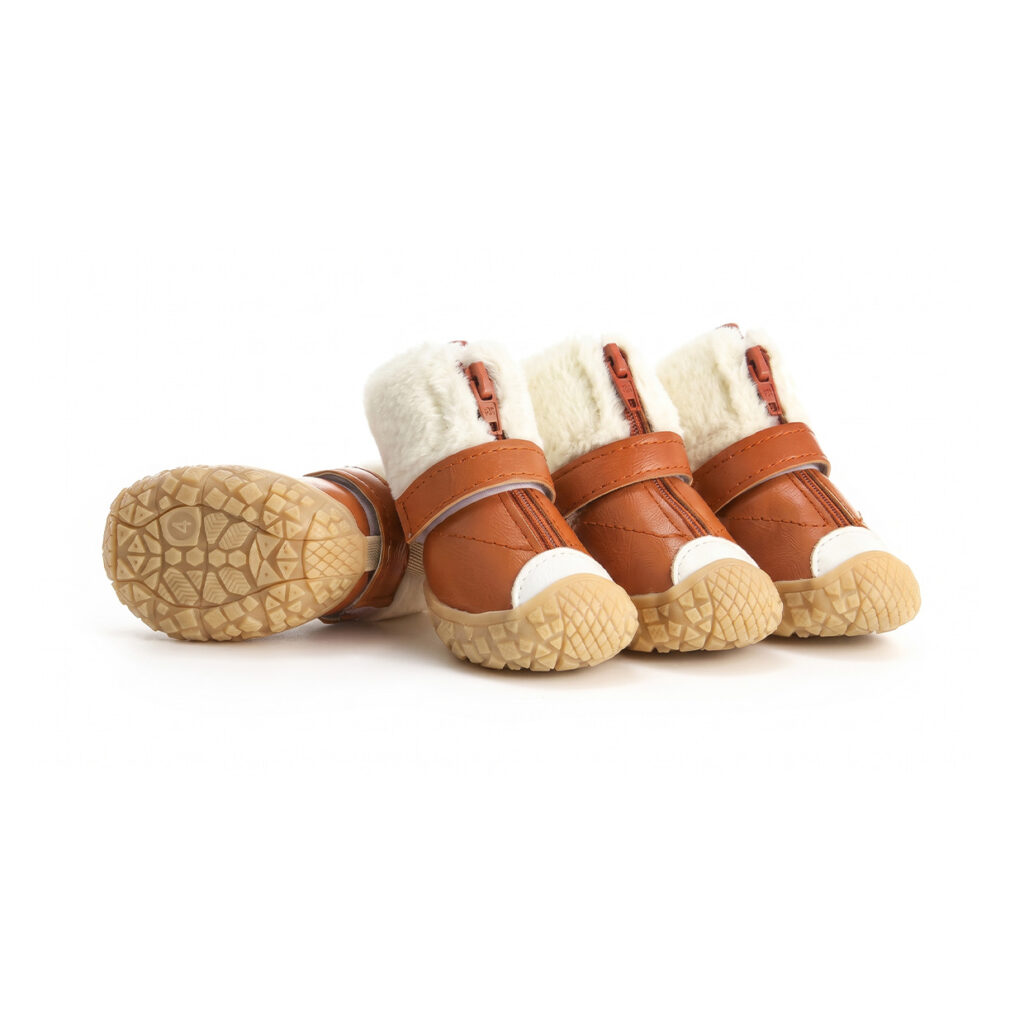
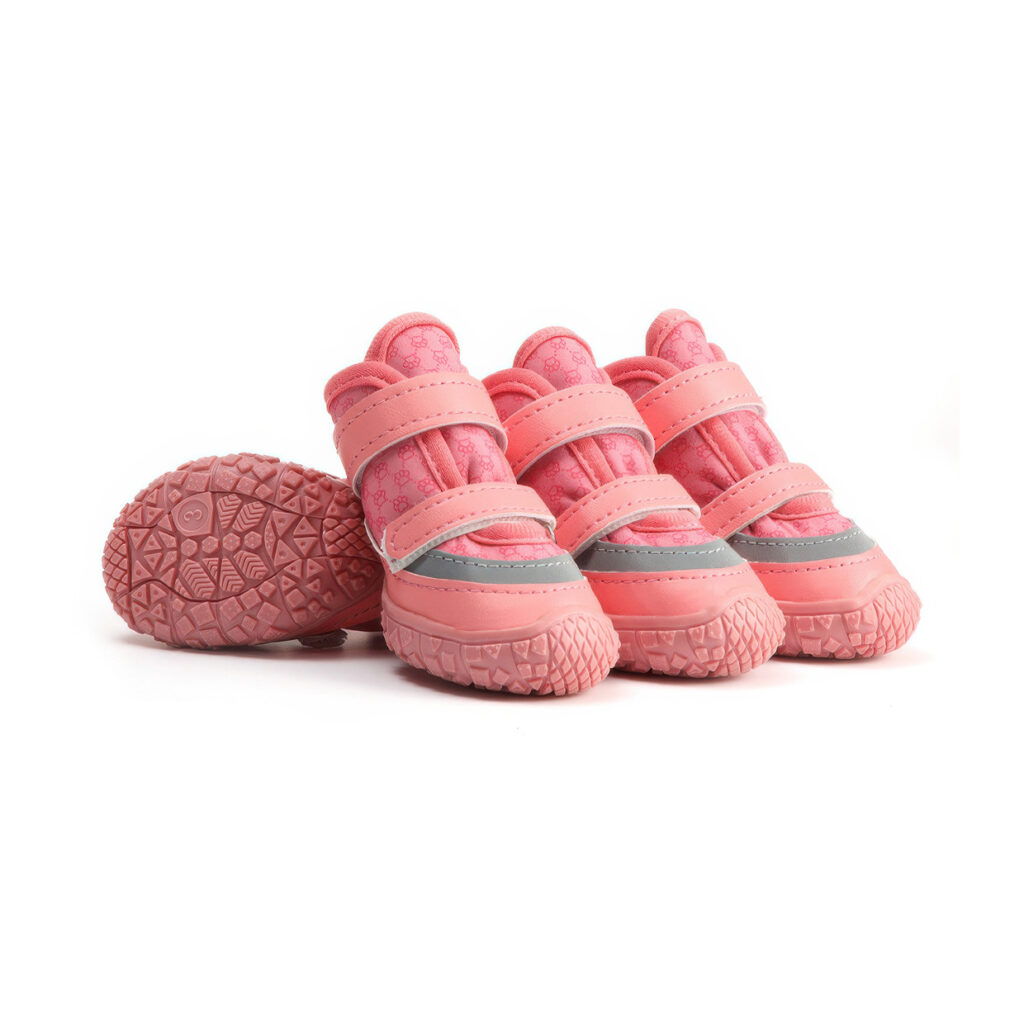
For dogs who spend serious time on rugged trails, explore:
Durable Outdoor Dog Boots
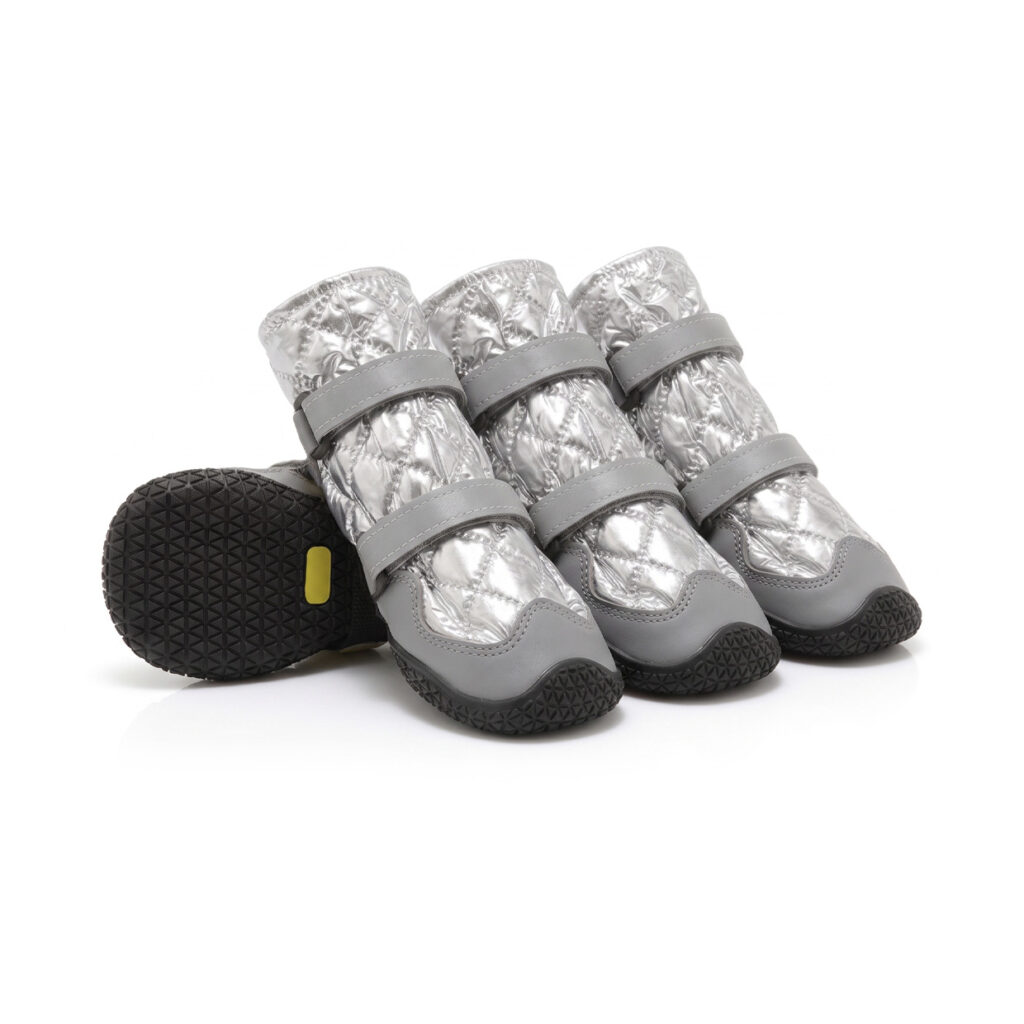
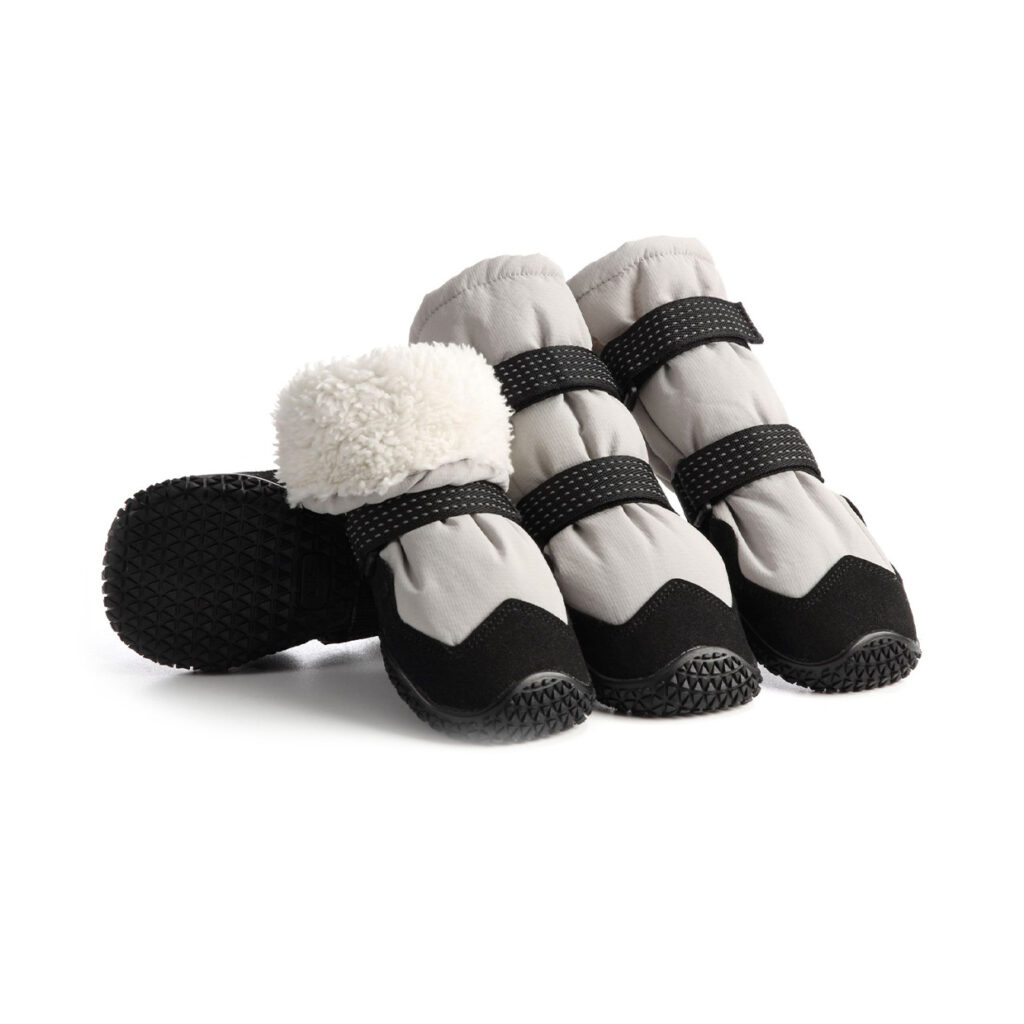
And one last thing worth remembering — the boot is only half the job. After any long walk or hike, take a minute to check paw pads, toes, and the skin around the boot opening for irritation, trapped debris, small cuts, or any lingering dampness. A quick check-in habit catches small problems before they become vet visits.
For a full rundown on keeping paws healthy year-round: complete dog paw care and wound prevention guide.
Light Protection for Every Season
Your dog’s environment changes with the seasons — their footwear should, too. Comfort and protection don’t have to be a trade-off when you’ve got the right pair for the right conditions.
From breathable boots that keep summer walks cool to weather-resistant builds that handle snow, rain, and mud without blinking, the right construction means every walk stays comfortable, whatever the forecast says.
Explore PawClad’s full collection of Dog Shoes and Dog Boots, built around real terrain, real weather, and real paw-protection needs.
Dog Shoes & Boots for Every Weather
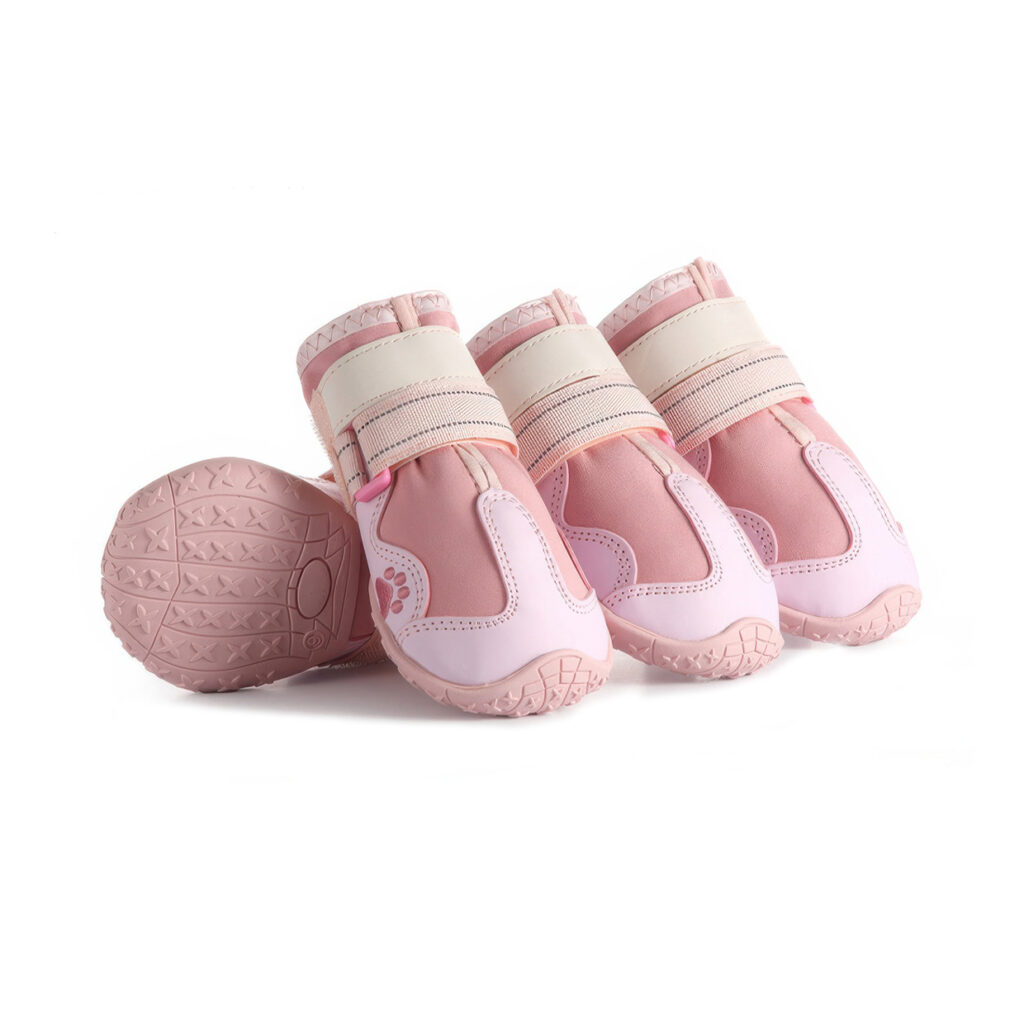
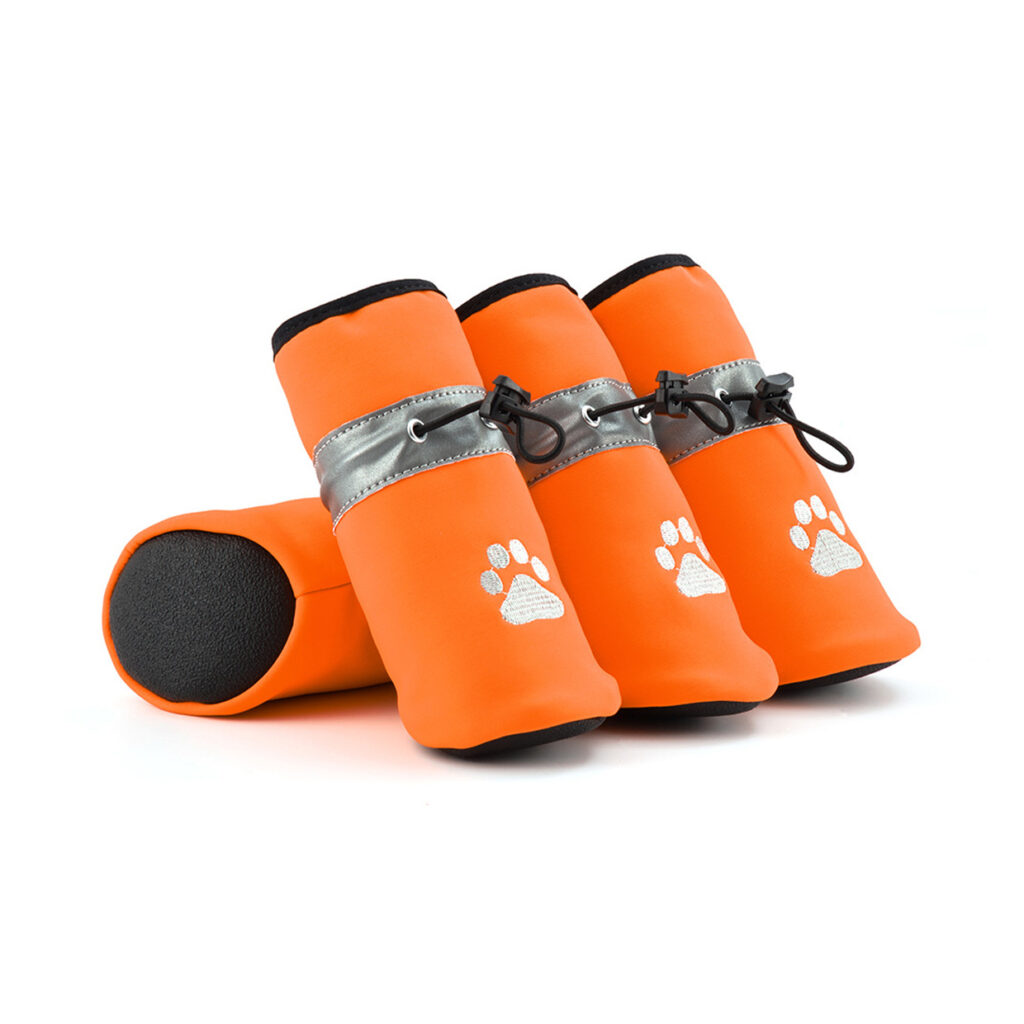
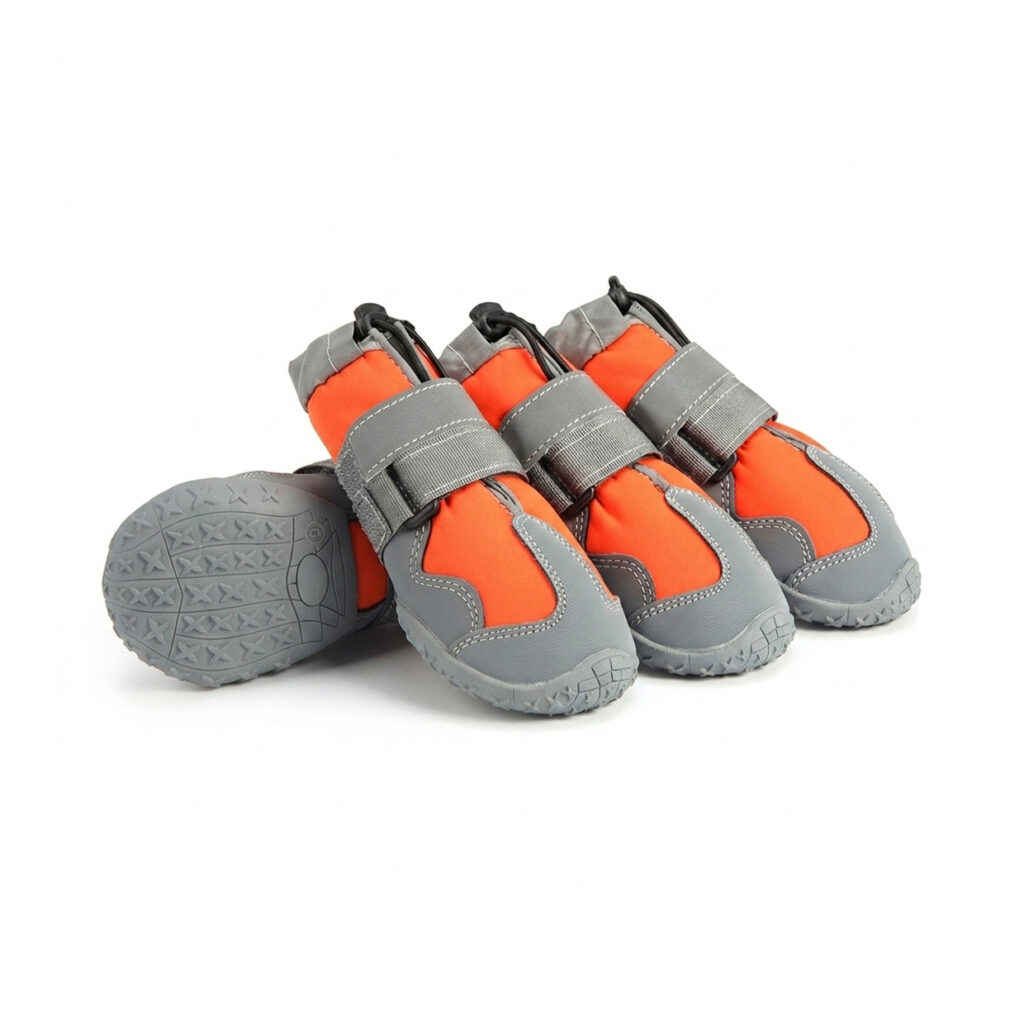
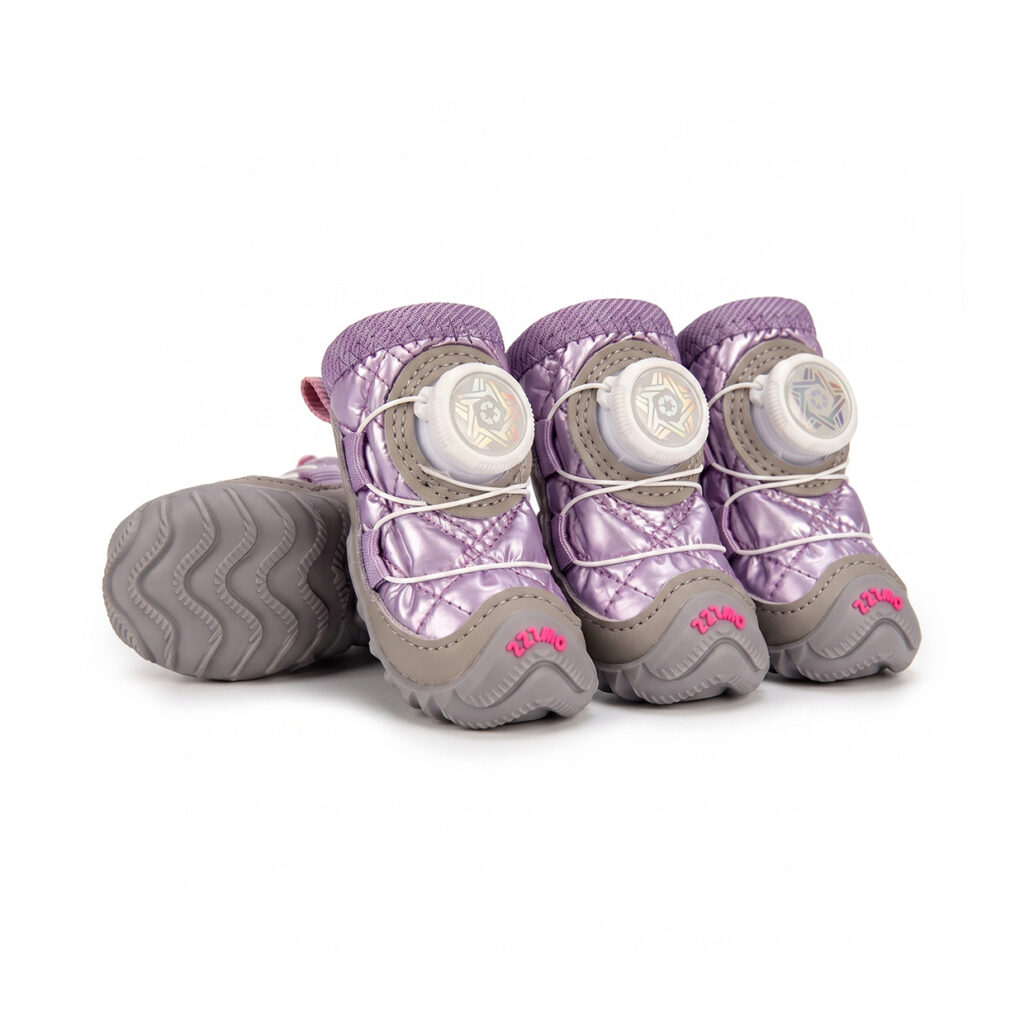
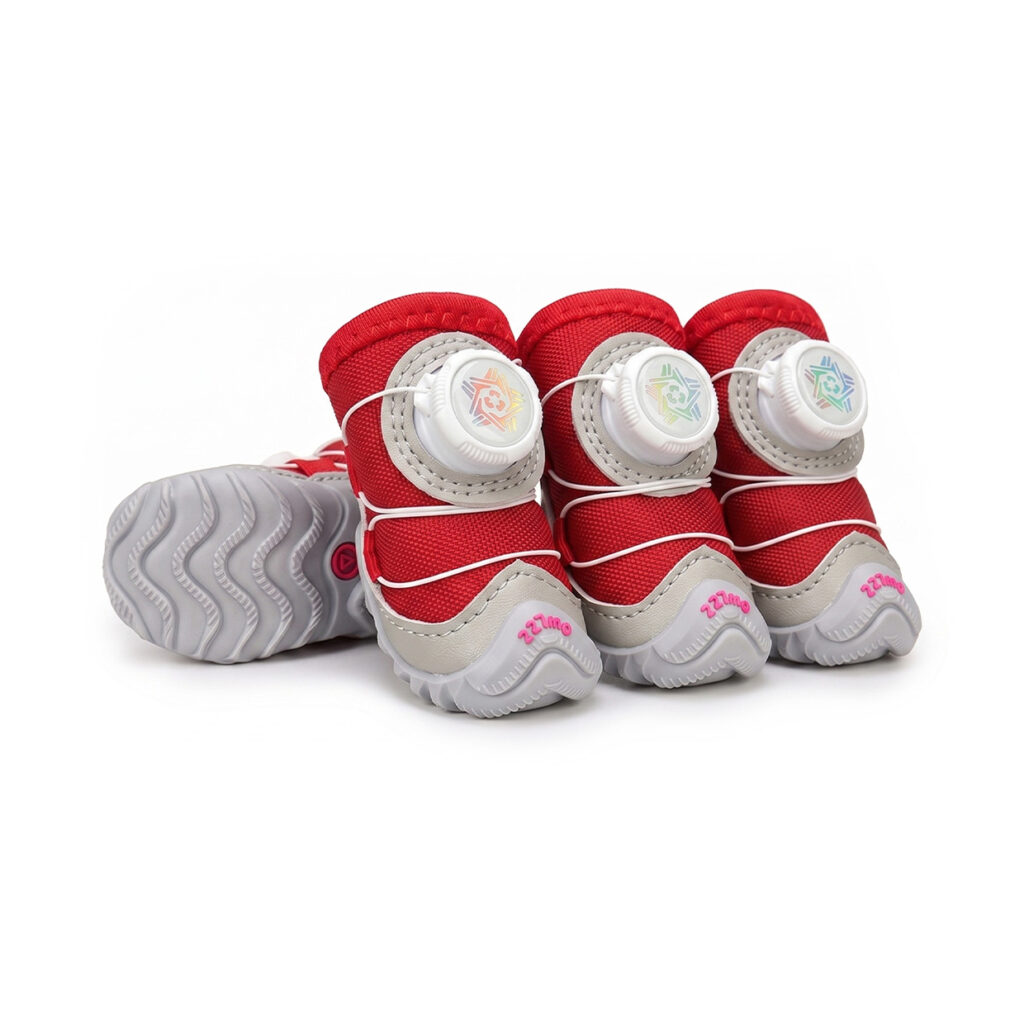
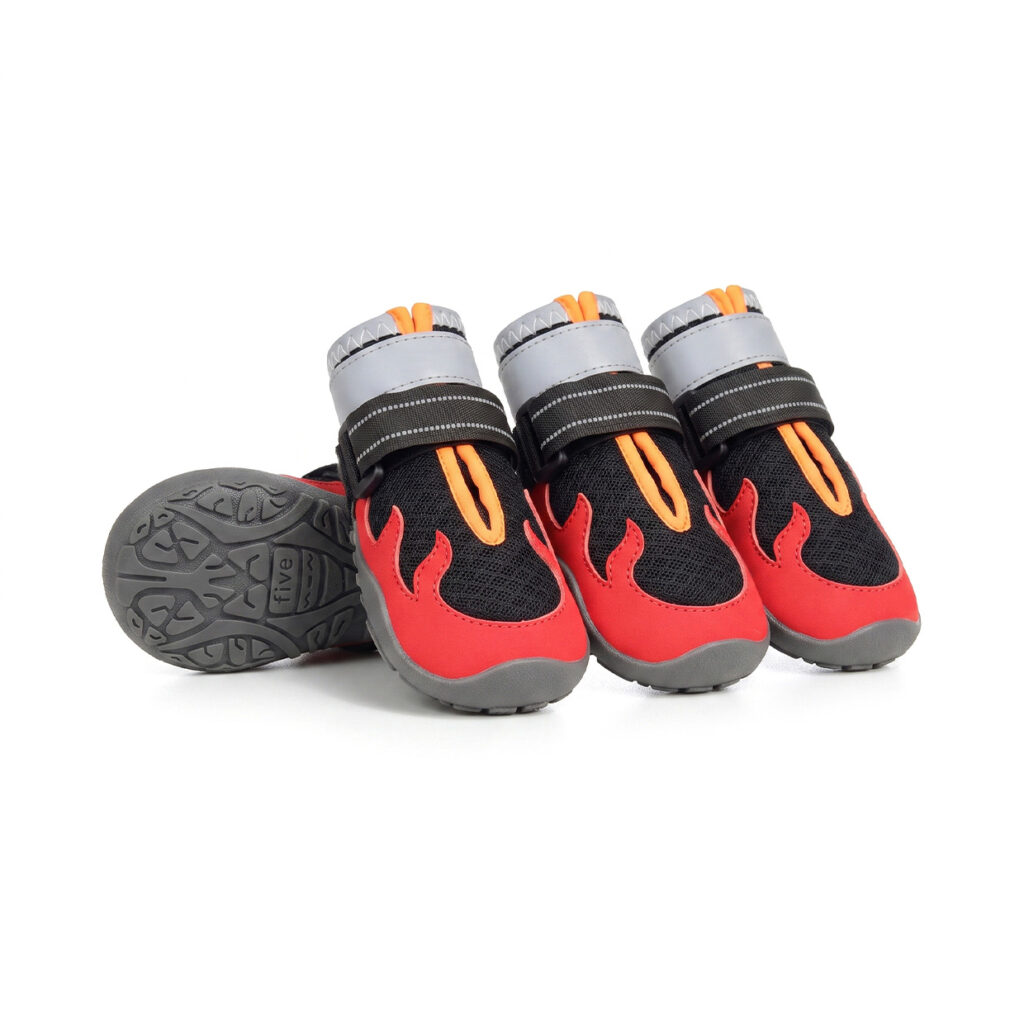
Choose the right protection. Match the material to the weather. Keep every step comfortable.
