Free Shipping on All Orders | 30-Day Easy Returns
How to Protect Dog Paws from Hot Pavement in Summer
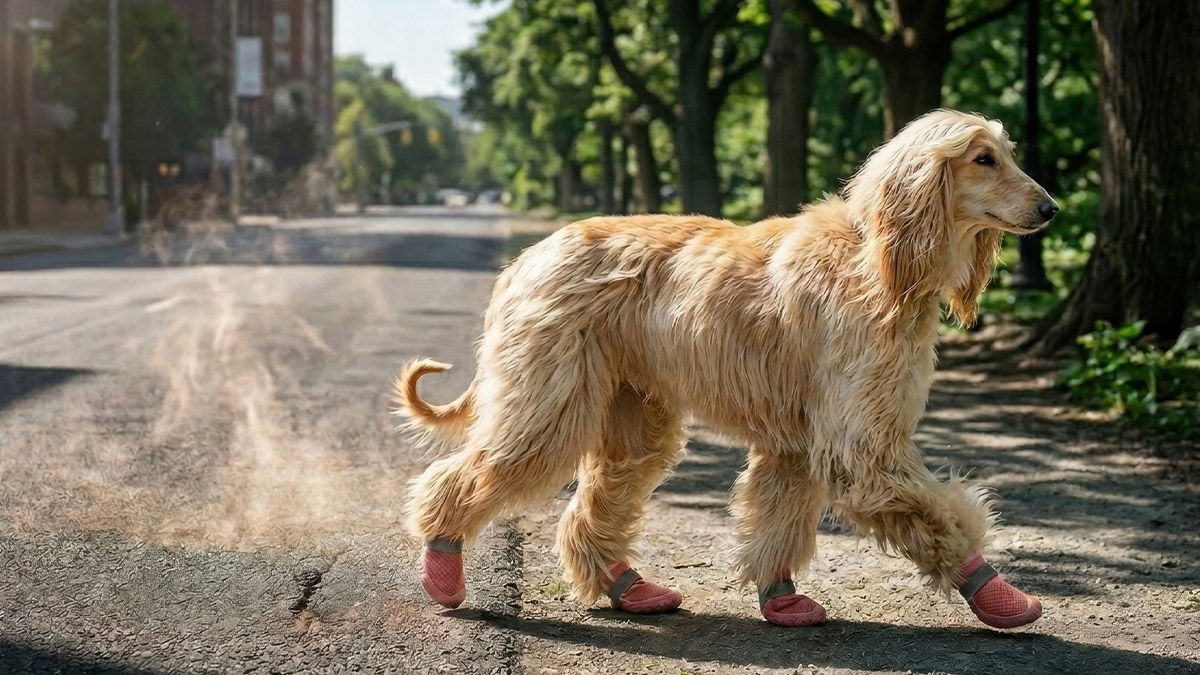
Table of Contents
If you’ve ever watched your dog suddenly lift a paw mid-walk and start hopping around like the ground betrayed them, you already understand why knowing how to protect dog paws from hot pavement matters so much. Asphalt and concrete soak up sunlight fast, and their surfaces can get shockingly hotter than the air around them — hot enough to blister sensitive paw pads before you even realize something’s wrong.
Here’s the tricky part: even a pleasant 80°F afternoon can bake the sidewalk into something closer to a stovetop. And dogs, bless their stubborn little hearts, will often keep trotting along despite the pain because they don’t want to stop the fun. That’s exactly why it falls on us as owners to catch the danger before it becomes a burn.
The good news? Summer dog paw protection doesn’t require an elaborate routine. A few smart habits — shifting walk times, picking cooler surfaces, doing a quick pavement check, keeping paw pads in good shape, and using breathable footwear when needed — go a long way.
Below, we’ll break down exactly how hot pavement can get, walk you through the simple 7-second test, share five protection strategies that actually work, and cover what to do if your dog’s paws do get burned.
The Hidden Danger: How Hot Does Asphalt Really Get?
Here’s a mistake a lot of well-meaning dog owners make: assuming pavement temperature roughly matches the air temperature. It doesn’t — not even close. Dark asphalt is basically a heat magnet, absorbing solar energy and climbing to temperatures that can genuinely injure a paw pad.
To put numbers to it, veterinary and pet-safety guidance shows just how dramatic the gap can be. When the air sits around 77°F (25°C), sun-baked asphalt can reach roughly 125°F (52°C). Push the air temp up to 87°F (31°C), and that same pavement can climb toward 143°F (62°C).
Of course, exact numbers shift depending on sunlight intensity, humidity, wind, pavement color, surface material, and how long it’s been baking in direct sun. Think of these figures less as hard rules and more as a wake-up call — a reminder that “it’s not that hot outside” doesn’t mean the ground agrees with you.
At high enough surface temperatures, direct contact can damage paw tissue in a matter of seconds. That’s why understanding how hot is too hot for dog paws matters far more than glancing at the weather app.
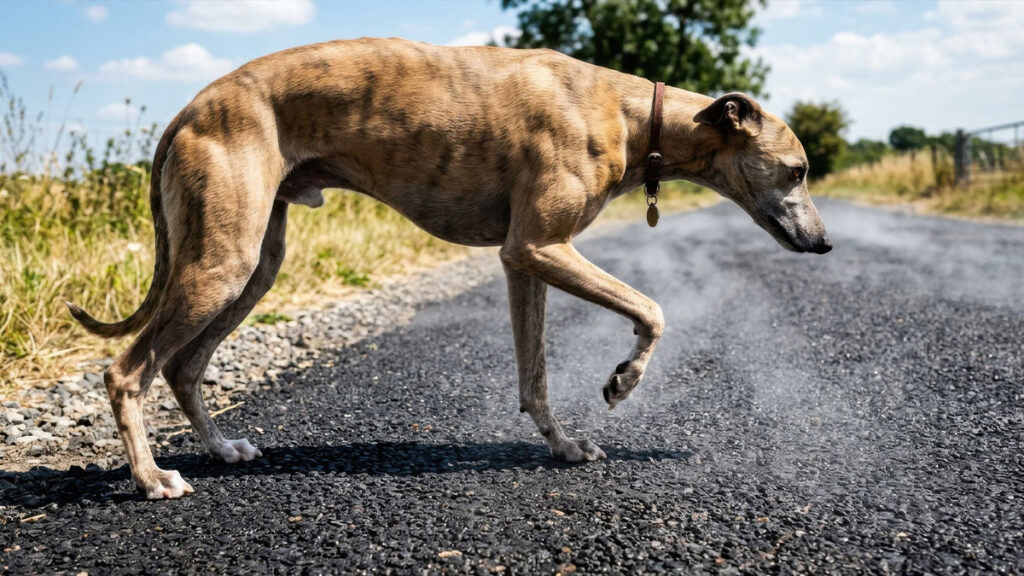
Healthy paw pads do offer some natural cushioning and protection — but they’re not made of asbestos. Repeated exposure to overheated surfaces can leave them dry, cracked, blistered, or worse.
The 7-Second Test: How to Tell If Pavement Is Too Hot
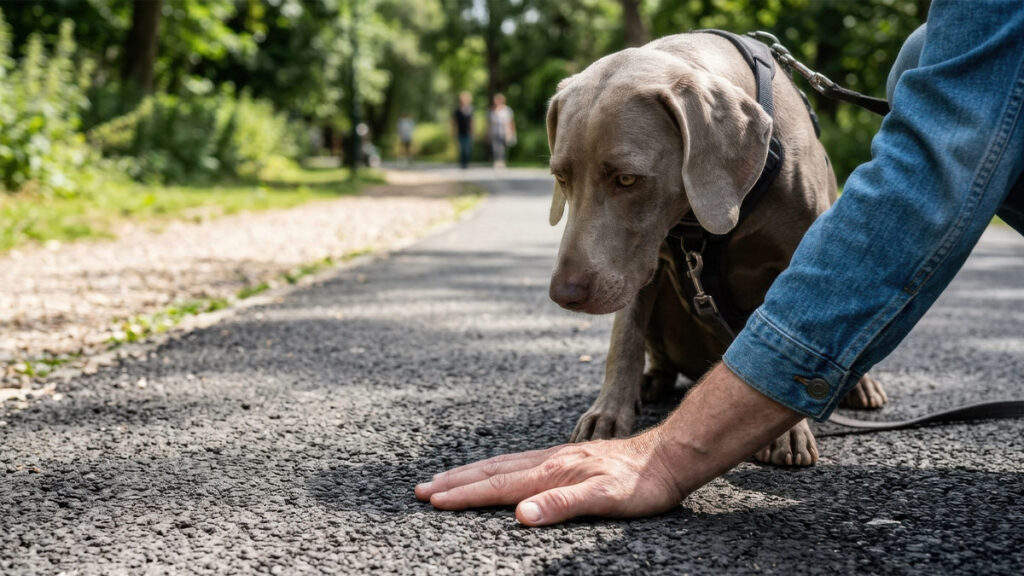
Want the simplest, most reliable way to check if pavement is too hot for dogs? Use your own hand.
Press the back of your hand firmly against the pavement — right where your dog would actually be walking — and hold it there for about seven seconds without pulling away.
If that’s uncomfortable for you, it’s absolutely too hot for your dog’s bare paws. Full stop.
What makes this test genuinely useful is that it measures the actual surface your dog will touch, not just the general air temperature. And don’t assume one reading covers your whole route — shaded pavement and sun-baked asphalt just a few feet apart can feel worlds apart in temperature.
Keep in mind this is a practical gut-check, not a lab-grade thermometer reading. When conditions feel extreme, don’t split hairs over it — just pick a cooler path or wait it out.
Still on the fence about whether your dog actually needs footwear? We break it down here: do dogs really need shoes.
5 Proven Ways to Protect Dog Paws from Hot Pavement
1. Gear Up with Breathable Dog Shoes
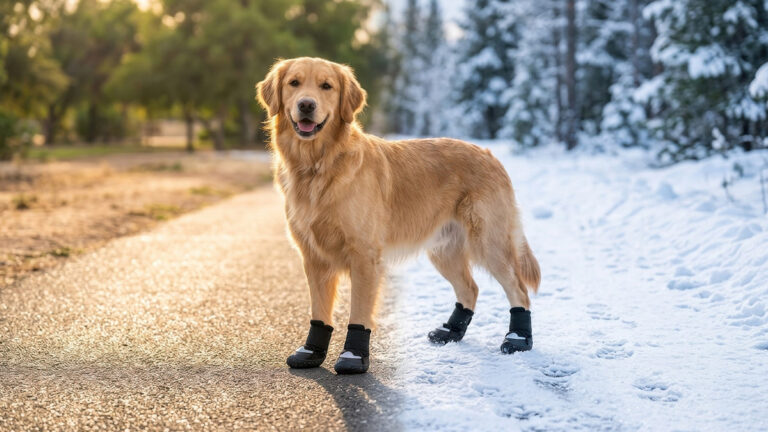
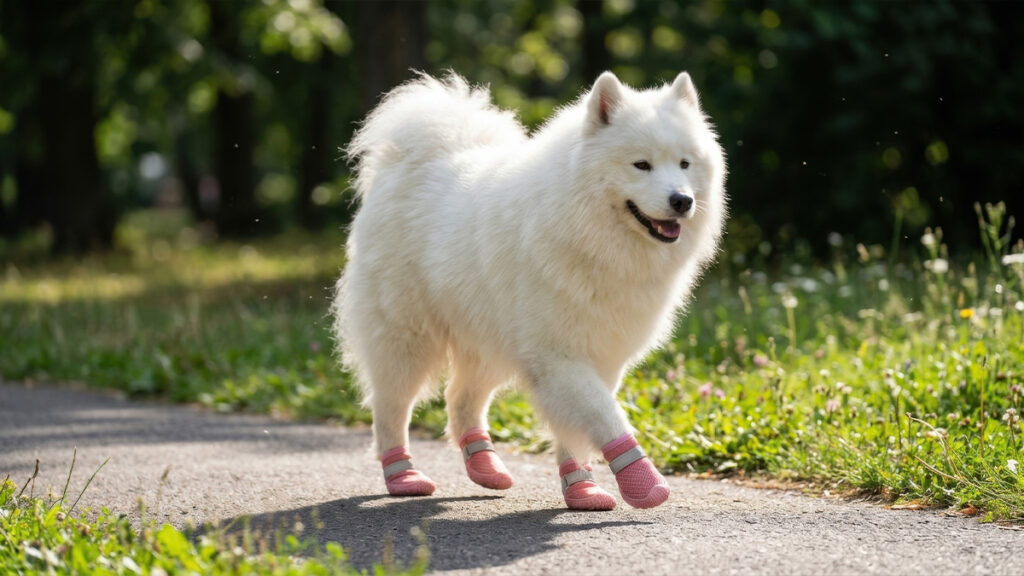
A well-fitted pair of shoes is honestly one of the most dependable physical barriers you can put between your dog’s paws and scorching pavement. It’s a simple concept — separate the pad from the heat source, and you eliminate most of the direct thermal contact.
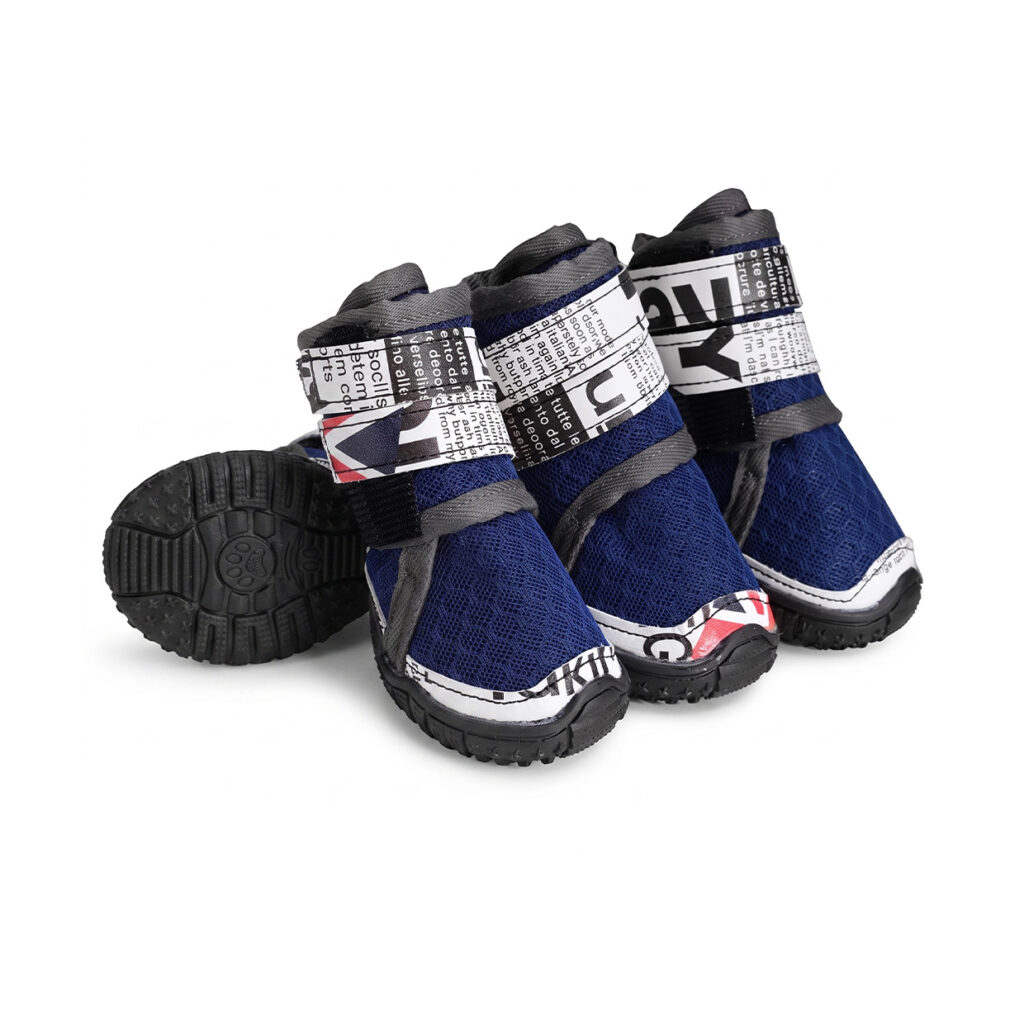
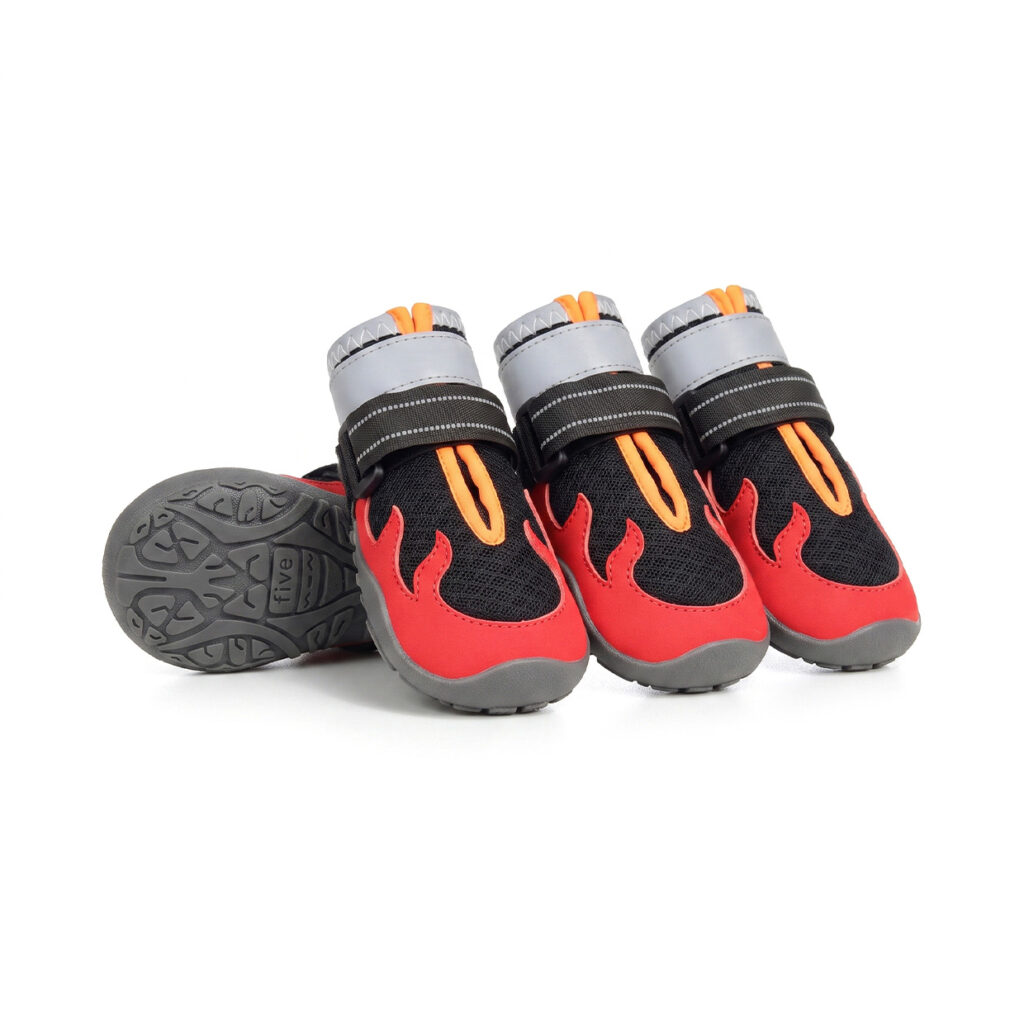
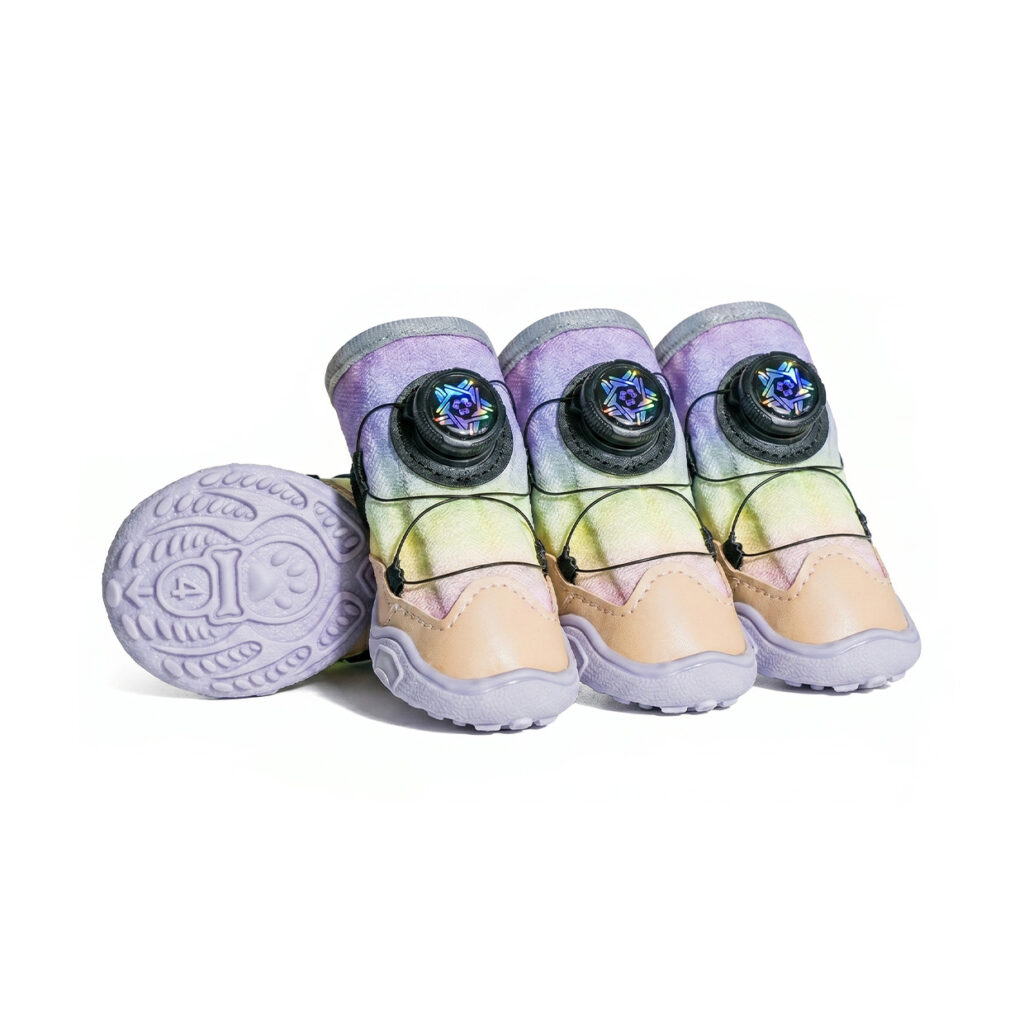
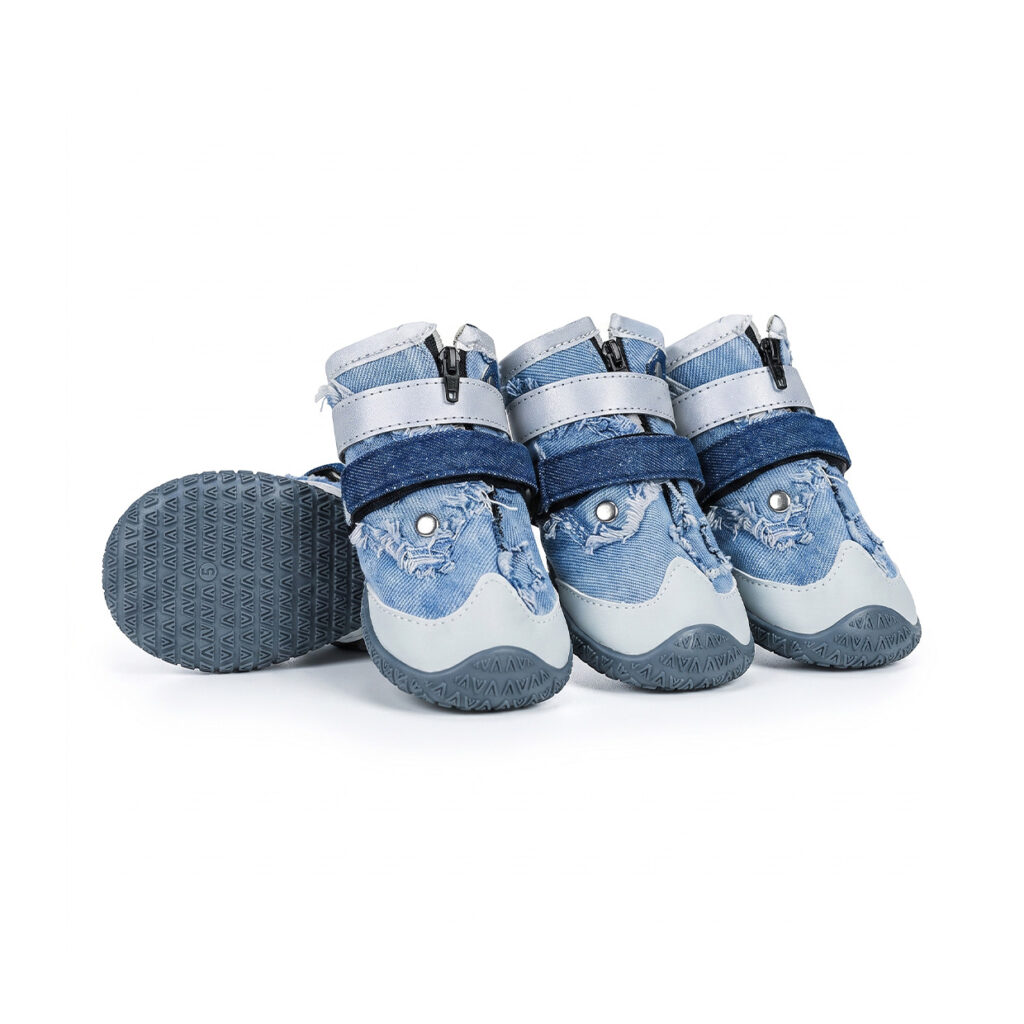
For summer specifically, look for lightweight builds with breathable mesh uppers paired with a heat-resistant sole. The mesh keeps air moving around the paw so it doesn’t turn into a sweaty little sauna, while the sole does the heavy lifting against the hot ground.
One common misstep when choosing dog shoes for hot pavement: reaching for the thick, insulated winter boots sitting in the closet. Those are built to trap heat — the exact opposite of what you want on a July afternoon.
The best breathable dog shoes for summer heat strike a balance: enough ventilation to stay cool, enough flexibility that your dog isn’t stomping around like they’re wearing ski boots, secure fastening so they don’t go flying off mid-walk, and a sole thick enough to actually matter.
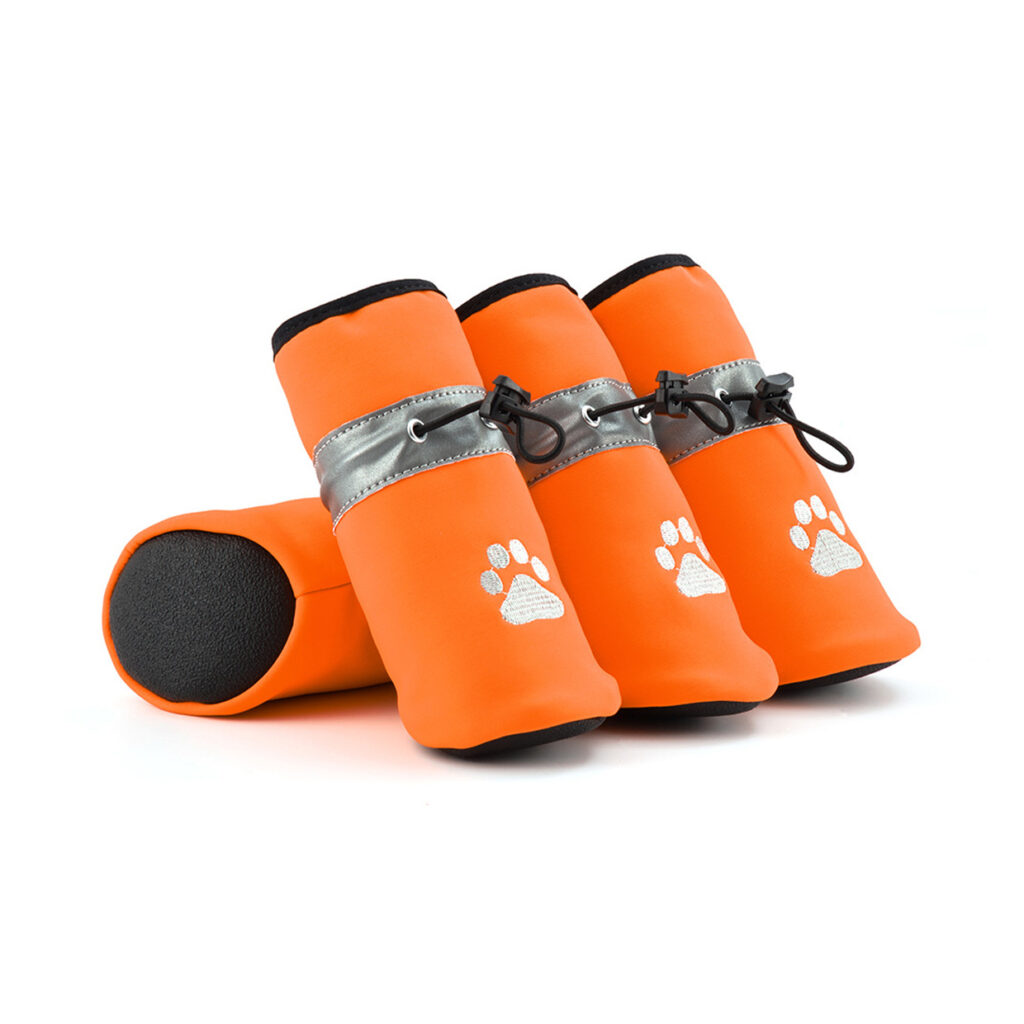
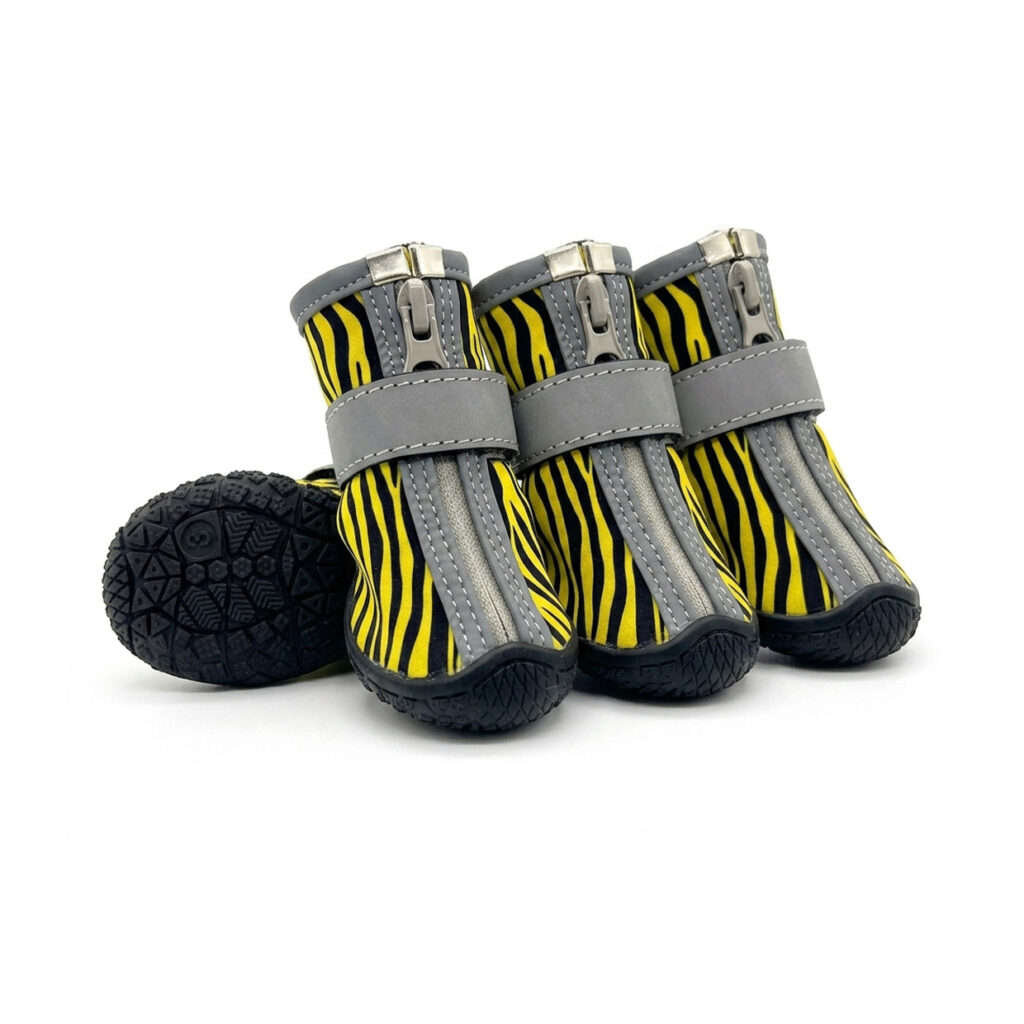
When choosing footwear for summer pavement walks, explore our curated selection of breathable dog shoes engineered with heat-deflecting rubber outsoles.
Protective Summer Dog Shoes


Curious how shoes stack up against boots and socks? We compare them all here: complete dog paw wear guide.
2. Adjust Walk Schedules: Beat the Midday Sun
Sometimes the easiest fix isn’t a product — it’s just timing.
Try shifting your longer walks to early morning or after the sun goes down. Steer clear of prolonged pavement time during peak heat, generally somewhere between 11 a.m. and 4 p.m., when the sun’s been hammering the ground the hardest.
One thing that trips people up: pavement stays hot well after the air starts cooling off, because asphalt holds onto heat like a grudge. Don’t assume a cooler evening automatically means safe sidewalks — do the hand test anyway.
If you do transition to late-evening or night strolls to beat the heat, remember that lower temperatures bring lower visibility. Check out our essential guide on dog walking at night safety and why reflective boots matter to keep your pup visible to oncoming traffic after dark.
For quick bathroom breaks in hot weather, pick the shortest, coolest route available rather than the usual loop.
3. Stick to Grassy & Shaded Routes
Grass, dirt, and shaded trails stay noticeably cooler than sun-drenched asphalt or concrete — it’s just physics.
When you’re mapping out a summer walk, lean toward parks, grassy patches, dirt paths, and tree-lined sidewalks whenever you can. Even if your dog’s already wearing protective shoes, choosing a cooler route reduces the overall heat load on their paws — belt and suspenders, essentially.
Steer clear of wide-open pavement stretches — parking lots and unshaded roads are usually the worst offenders after baking in direct sun for hours.
A small route tweak like this can quietly become one of the most effective pieces of your summer dog paw protection plan.
4. Apply Protective Paw Balms for Daily Hydration
Paw pads that are supple and well-conditioned simply hold up better against everyday wear and tear than pads that are dry, cracked, or flaky.
A pet-safe paw balm helps lock in moisture and support the paw’s natural protective barrier. Look for ingredients like beeswax or other gentle, pet-approved emollients as part of a regular maintenance habit.
But here’s the honest truth: paw balm is a moisturizer, not armor. It’s not going to save your dog’s pads from prolonged contact with dangerously hot asphalt — think of it as skincare, not a heat shield.
For a fuller daily paw-care routine, check out: essential dog paw care tips.
5. Stay Hydrated and Watch for Distress Signals
Hot pavement isn’t the only summer hazard lurking out there — dehydration and heat-related illness can sneak up just as fast.
Bring water on longer outings and let your dog take shade breaks whenever they seem to need one. And resist the urge to push through a walk just because your dog looks eager — dogs aren’t always the best judges of their own limits.
Keep an eye out for excessive panting, sudden weakness, heavy drooling, confusion, vomiting, or trouble moving normally. Any of these can signal something more serious than a hot paw, and it’s worth getting veterinary eyes on it quickly.
Paw protection is one piece of the puzzle — not the whole summer safety plan.
Symptoms & First Aid for Burned Dog Paws
Knowing dog paw burns symptoms and treatment means you can catch trouble early, before it turns into something that needs stitches or serious vet intervention.
Common signs to watch for:
- Limping or flat-out refusing to walk
- Excessive licking or chewing at the paws
- Redness or unusually dark discoloration on the pads
- Peeling or visibly damaged tissue
- Blisters
- Wincing or pulling away when the paws are touched
Here’s something worth knowing: symptoms don’t always show up immediately. Sometimes it’s an hour later, once your dog’s settled down, that the limping starts. So make it a habit to check paws after any extended time on hot pavement — even if nothing seemed wrong during the walk.
If you do suspect a burn, get your dog onto a cool, safe surface right away — shaded grass works well.
Then gently run cool (not ice-cold) water over the affected paws for about 10–15 minutes. Skip the ice — shocking already-stressed tissue with extreme cold can actually make things worse.
Resist the urge to pop blisters, peel away damaged skin, or reach for random household disinfectants. Leave that to the professionals.
If you’re looking at significant burns, blistering, open wounds, real pain, or a dog that simply won’t put weight on their paw, call your vet — don’t wait it out. For general first-aid context, the ASPCA’s guidance on pet burns is a solid resource.
At the end of the day, prevention beats treatment every time. If the pavement fails the 7-second test, just choose differently — cooler surface, different time, or shoes on.
Frequently Asked Questions
At what temperature does asphalt become dangerous for dog paws?
Honestly, there’s no single magic number — surface heat depends on too many variables like sunlight, pavement type, shade, and wind. But as a reference point, air around 77°F (25°C) can translate to asphalt near 125°F (52°C) in direct sun, and that’s plenty hot enough to damage paw tissue fast. Skip the guesswork and just do the 7-second test before you head out.
Can dogs wear shoes in hot summer weather without overheating?
Yes, as long as you’re picking the right kind. Look for breathable mesh, lightweight materials, and flexible soles built for warm weather — not the heavy insulated boots meant for snow. One thing worth remembering: dogs cool themselves mainly through panting, not their paws, so shoes help with ground protection but aren’t doing the heavy lifting on temperature regulation.
How do I know if my dog’s paws are already burned by hot pavement?
Watch for limping, reluctance to walk, obsessive paw licking, redness or dark spots on the pads, peeling skin, or blisters. Check their paws right after any hot-pavement walk, especially if you notice a sudden change in their gait. If you spot blisters, open wounds, or bleeding, skip the home remedies and get to a vet.
Will walking on grass prevent paw burns completely?
It helps a lot, but it’s not a guarantee. Grass and dirt stay far cooler than baked asphalt since they don’t trap solar heat the same way. That said, grass isn’t automatically hazard-free — sharp debris, lawn chemicals, and other irritants can still be lurking. Stick to clean, shaded areas when you can.
Is paw balm enough to protect dog paws from hot asphalt?
No — and this is a common misconception. Balm is great for keeping pads moisturized and flexible, but it’s not insulation. Think of it like lotion versus a fireproof glove; one nourishes the skin, the other actually blocks heat. For real protection against dangerous surfaces, breathable dog shoes are your best bet, ideally paired with smarter timing and route choices.
Final Thoughts: Make Hot-Pavement Protection Part of Your Summer Routine
At its core, protecting your dog’s paws from hot pavement really just comes down to catching the problem before it starts.
Test the ground before you head out, dodge the hottest hours of the day, lean toward shade and grass when you can, keep those pads healthy and moisturized, and slip on breathable shoes when hot pavement is unavoidable.
If you notice redness, peeling, blisters, or your dog seems genuinely uncomfortable after a walk, stop right there and reach out to your vet — better safe than sorry.
With a little planning and the right gear, summer walks can stay exactly what they should be: fun, not risky.
Don’t Let Scorching Pavement Stop Summer Adventures!
Protect your dog’s sensitive paws from hot asphalt burns, sharp trail debris, and summer heat. Our ultra-breathable, heat-resistant Dog Shoes feature airy mesh fabrics and durable traction soles engineered to keep paws protected and comfortable.
Explore our full summer collection and keep every sunny walk safer.
Shop Breathable Dog Shoes for Hot Pavement Now