Free Shipping on All Orders | 30-Day Easy Returns
How to Clean Dog Shoes: Easy Care & Wash Guide
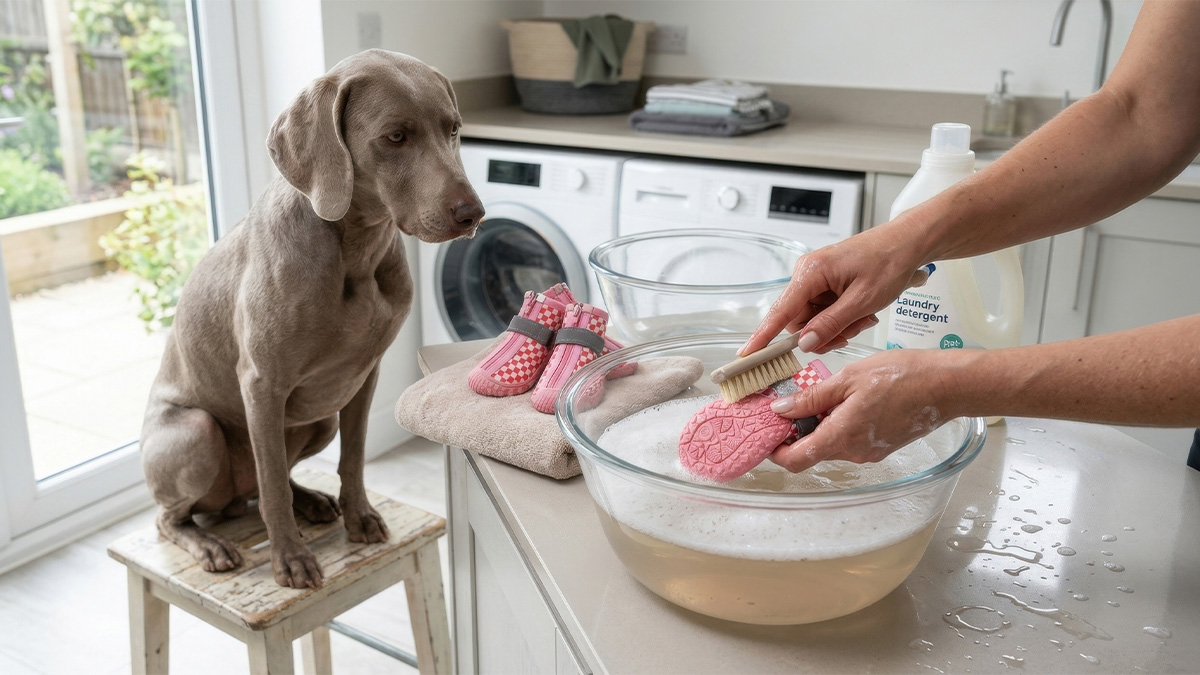
Table of Contents
If you’ve ever peeled a pair of dog boots off after a muddy trail walk and caught a whiff that made you recoil, you already know why learning how to clean dog shoes properly matters. Between mud, grit, grass clippings, and general street grime, outdoor walks turn pet footwear into little dirt magnets — and that buildup doesn’t just look bad. It leads to lingering odors, stiff fabric, clogged tread patterns, and Velcro that stops gripping the way it used to.
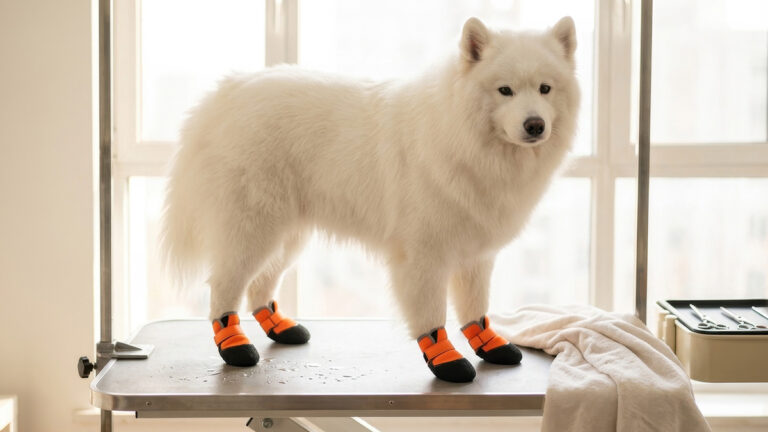
Here’s the thing most people don’t realize: regular cleaning isn’t just about keeping your dog’s shoes presentable. It’s what actually preserves the flexible soles, breathable mesh, waterproof layers, and fastening systems you paid for in the first place. If you frequently use footwear to keep dog paws clean indoors or for bath time, establishing a quick wash routine for these grooming shoes is essential. Skip it long enough, and moisture and debris quietly work away at materials that are supposed to last for seasons, not weeks.
In this guide, we’ll walk through cleaning muddy dog boots properly, weigh hand washing against machine washing, cover safe drying methods, tackle hair-clogged Velcro, and deal with that stubborn “why does this still smell” odor problem.
Pre-Cleaning Prep: Removing Dried Mud & Debris
Here’s a tip that saves a lot of frustration: if the mud is still wet and gooey, let the shoes dry out first before you touch them. Trying to clean wet mud usually just smears it deeper into the fabric.
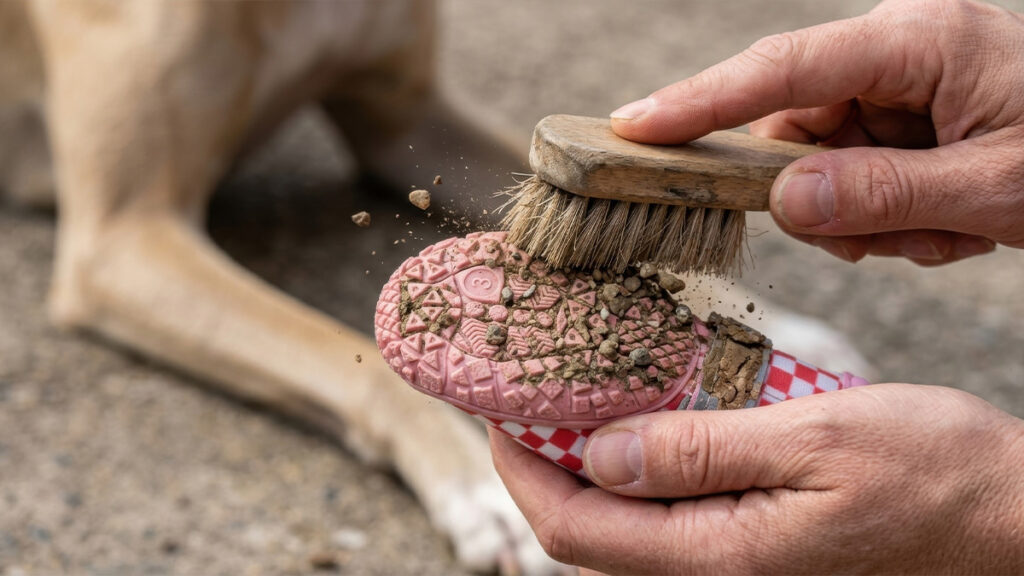
Once everything’s dried, grab a soft-bristled brush and start knocking loose the big chunks — dirt clumps, sand, grass bits, whatever your dog dragged home. Work over both the upper and the outsole.
This step matters even more if the shoes have mesh panels or textured rubber soles, since washing over loose dirt right away just turns it into thick mud that wedges itself into seams and fabric fibers — exactly what you’re trying to avoid.
For the outsole, run the brush between the tread grooves and around the sole edges. An old soft toothbrush actually works great here — narrow enough to get into tight channels without being harsh on the material.
While you’re brushing, take a minute to actually look the shoes over. This is a good moment to catch loose stitching, a sole starting to separate, torn mesh, stretched-out elastic, or Velcro that’s lost its bite — small issues that are much easier to deal with before they turn into “why did this fall apart on our hike” problems.
If you notice the front toe box is shredded from scuffing, explore our guide on mobility and traction dog boots for arthritis and IVDD to see how wrap-around rubber toe caps protect dragging paws.
If your dog’s collection includes different shoe styles for different terrain, our full breakdown can help clear up which one’s built for what: comprehensive dog paw wear guide.
Step-by-Step: How to Clean Dog Shoes Safely
Once the loose debris is gone, it’s time to pick your cleaning method — and that choice should come down to what the manufacturer’s care tag actually says, plus how the shoe is constructed.
For most dog footwear, hand washing wins. You control the water temperature, how much you’re scrubbing, and how everything dries afterward.
Method 1: The Gentle Hand-Wash (Recommended)
Fill a basin with lukewarm water — not hot — and stir in a small amount of mild, pet-safe soap. Hot water might seem like it’ll clean faster, but it can quietly weaken adhesives, coatings, and rubber components over time.
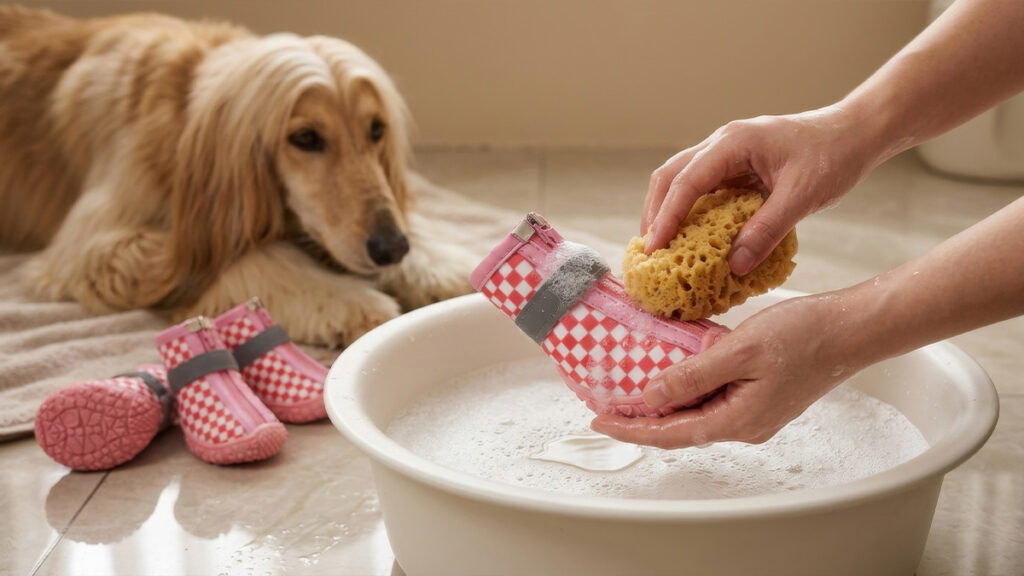
Submerge the shoes and gently wipe them down with a soft cloth or sponge. Give extra attention to the outsole, seams, toe area, and around the fastening system, since that’s where grime loves to hide.
For the stubborn spots, resist the urge to scrub aggressively. Let the shoes soak in the soapy water for a few minutes first — it does most of the work for you. A soft toothbrush handles grooves and stitching without wearing down the material.
Rinse thoroughly, and I mean thoroughly, until there’s no soapy residue left anywhere. Leftover detergent can transfer straight onto your dog’s paws or skin the next time they wear the shoes, which is exactly what you don’t want.
This matters even more for dogs with sensitive skin — VCA Animal Hospitals’ guidance on contact dermatitis and irritants is worth a look if your dog tends to react to new products.
Once rinsed, gently press out excess water. Don’t twist or wring the shoes — that kind of stress can warp the shape and stress the seams.
Method 2: Machine Washing Rules
Can you wash dog shoes in the washing machine? Sometimes — but only if the care label specifically gives you the green light. Not every shoe is built to survive a spin cycle.
If yours is machine-washable, fasten every Velcro strap completely first. Loose hooks will happily grab onto anything nearby, including your good laundry, and that friction can wear down the fastening material over time.
Toss the shoes into a mesh laundry bag and run a cold-water, gentle, or delicate cycle. Use a small amount of mild detergent, and skip the fabric softener entirely — it leaves residue on technical fabrics and can mess with the breathability or water resistance you’re paying for.
After the wash, give the shoes a careful once-over before your dog wears them again. Check the stitching, sole attachment, waterproof lining, and Velcro to make sure nothing shifted or came loose in the wash.
When you’re not sure, hand washing is always the safer bet. Dog footwear mixes so many materials — mesh, rubber, synthetic leather, waterproof membranes, adhesives, hook-and-loop fasteners — that there’s really no one-size-fits-all machine-washing rule.
How to Dry and Maintain Dog Shoes
Cleaning is only half the job. How you dry the shoes afterward can make or break their lifespan — and honestly, this is the step most people rush through.
Trapped moisture doesn’t just slow down the next wear; it’s often the real culprit behind lingering odors. So gentle, thorough drying deserves just as much attention as the wash itself.
Air Drying vs. Machine Dryers: Avoid Heat
Skip the clothes dryer unless the manufacturer explicitly says it’s safe. This one’s non-negotiable in most cases.
High heat softens adhesives, warps flexible rubber soles, shrinks technical fabrics, and can wreck waterproof coatings. Leaving shoes baking in direct sunlight for hours causes similar damage — same problem, slower burn.
Instead, here’s a simple three-step routine for drying dog shoes properly:
- Shake off the excess water first.
- Stuff clean, dry paper towels inside to soak up internal moisture.
- Set them in a shaded, breezy spot until they’re completely dry.
Swap out the paper towels once they’re soaked through.
One more thing — don’t tuck damp shoes away in a bin or closet just because the outside feels dry. Moisture loves to linger around the toe box and lining long after the exterior seems fine, and that’s exactly where odor and mildew start.
How to Clean Velcro Straps and Restore Grip
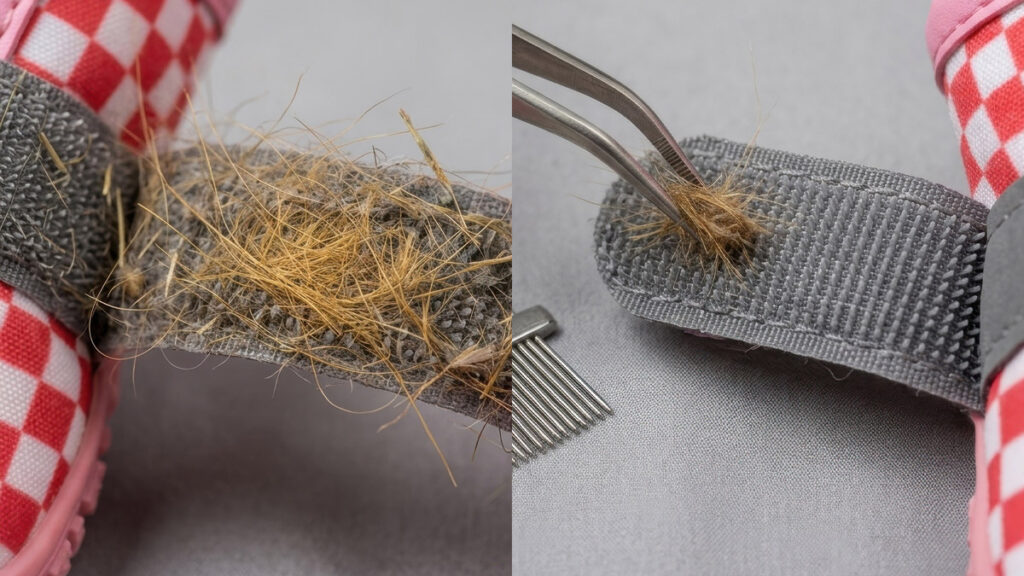
Velcro has a way of losing its grip faster than you’d expect, mostly because dog hair, lint, and grass fibers get wedged deep into the hooks.
If you’re dealing with clogged Velcro on your dog’s boots, start by pulling out the loose hair with your fingers or a pair of tweezers. Then run a fine-tooth comb through the hook surface to drag out the fibers that are more stubbornly stuck.
For really packed-in buildup, a small stiff brush can loosen things up — just go slow so you don’t bend or tear the hooks in the process.
A habit worth building: always close the straps before putting the shoes away. It keeps the hooks from collecting more lint in storage and saves your other fabrics from getting snagged.
This isn’t just about keeping things tidy, either. Weak Velcro means straps that loosen mid-walk, which can lead to a boot twisting sideways or slipping off entirely — not ideal when you’re three blocks from home.
How to Deodorize Smelly Dog Shoes
If the shoes still smell off even after a good brushing, trapped moisture combined with organic debris is almost always the real cause.
Here’s something a lot of owners don’t know: dog paw pads actually have sweat glands, and that moisture builds up inside enclosed footwear during activity. Left damp between walks, that moisture becomes a breeding ground for the kind of microorganisms responsible for that unmistakable “gym locker” smell.
The fix starts with airflow. After every walk, open the shoe up completely and let it breathe rather than zipping it straight into a closed bin or bag.
For washable shoes, an actual cleaning session beats trying to mask the smell every time.
If you want an occasional odor boost, sprinkle a little baking soda inside completely dry shoes, let it sit for a few hours, then shake and brush it all out before your dog wears them again. Just make sure there’s no loose powder left behind that your dog could lick up.
A pet-safe deodorizing spray made specifically for animal gear is another solid option — just avoid the heavily perfumed sprays that only cover up odor and leave residue on surfaces touching your dog’s paws.
If the smell sticks around even after a full clean and complete dry-out, check the lining and seams closely. Sometimes contamination gets embedded too deep, or the material’s simply broken down — at that point, replacing them with a fresh pair of breathable dog shoes or waterproof dog boots is the more hygienic call than fighting a losing battle against the odor.
Good footwear hygiene ties directly into why protective shoes are worth having in the first place: why do dogs need shoes.
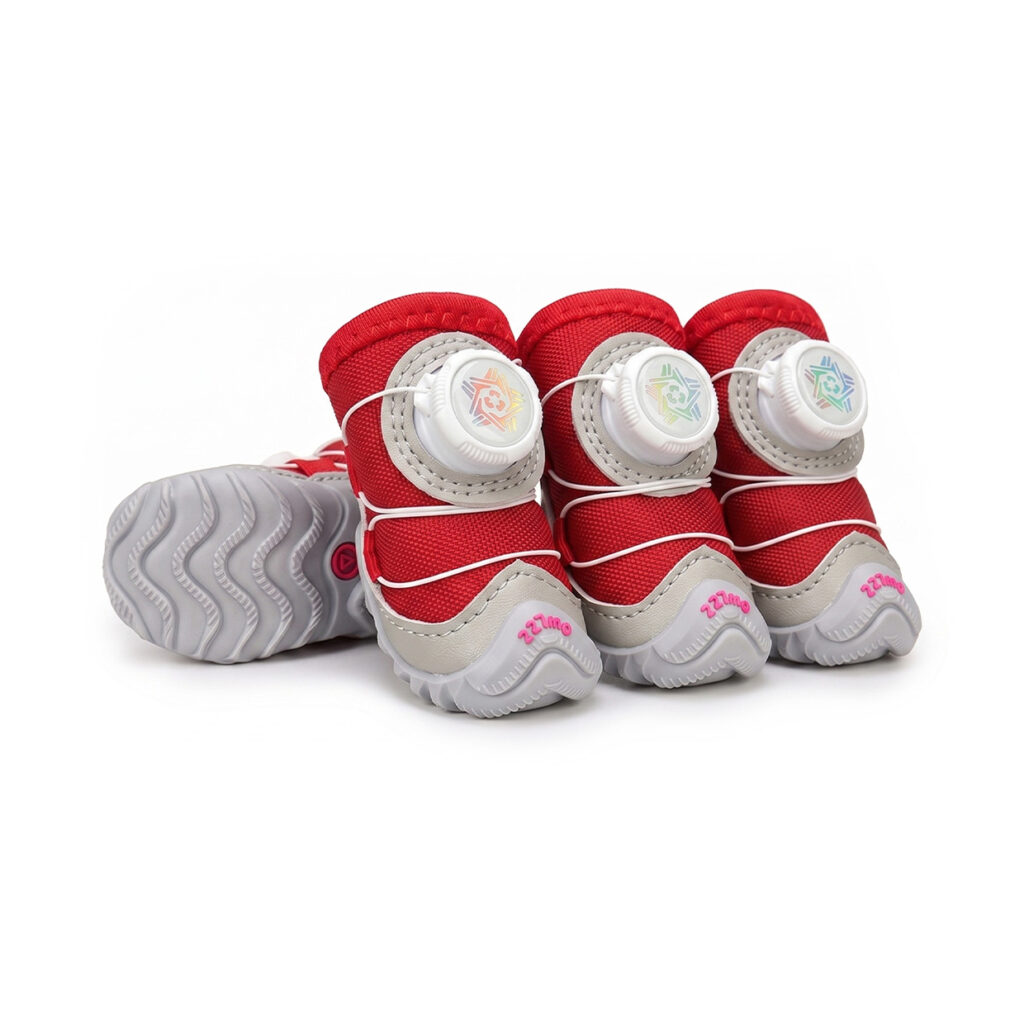
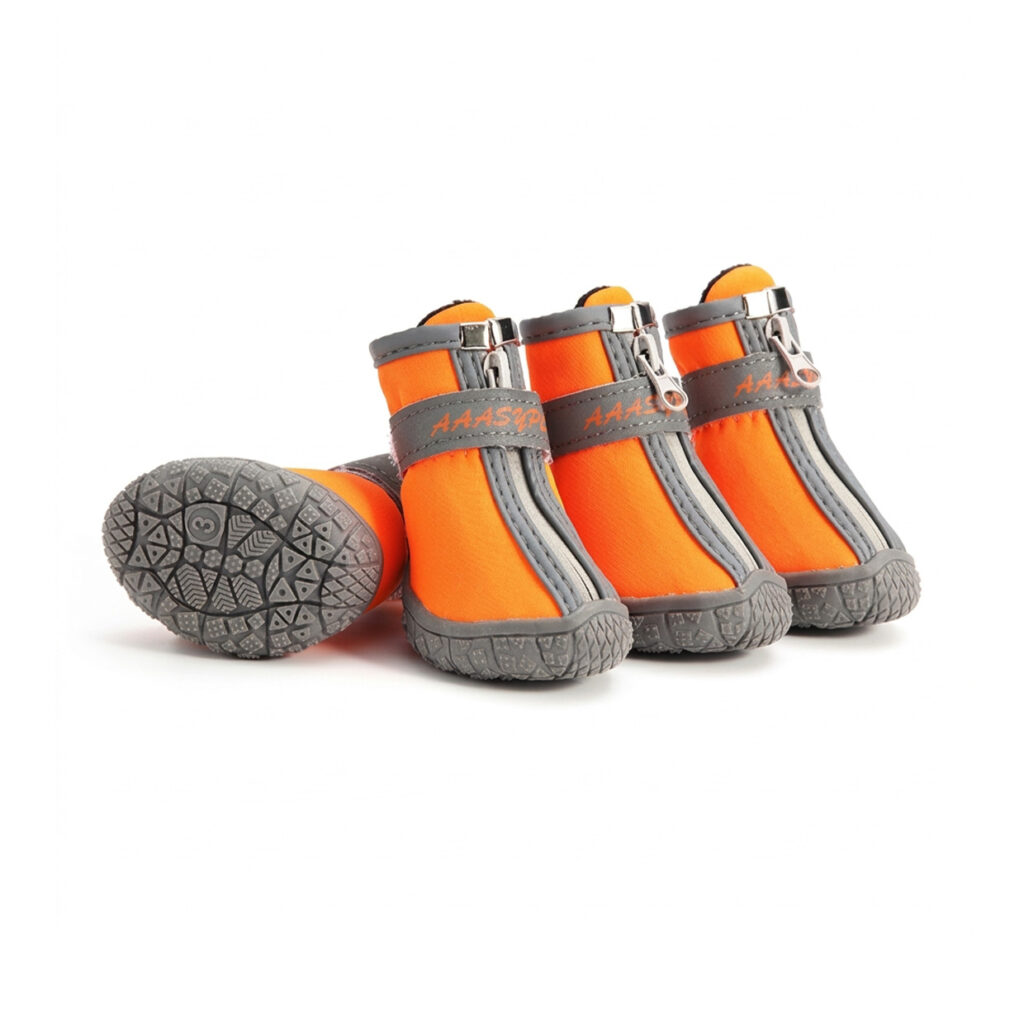
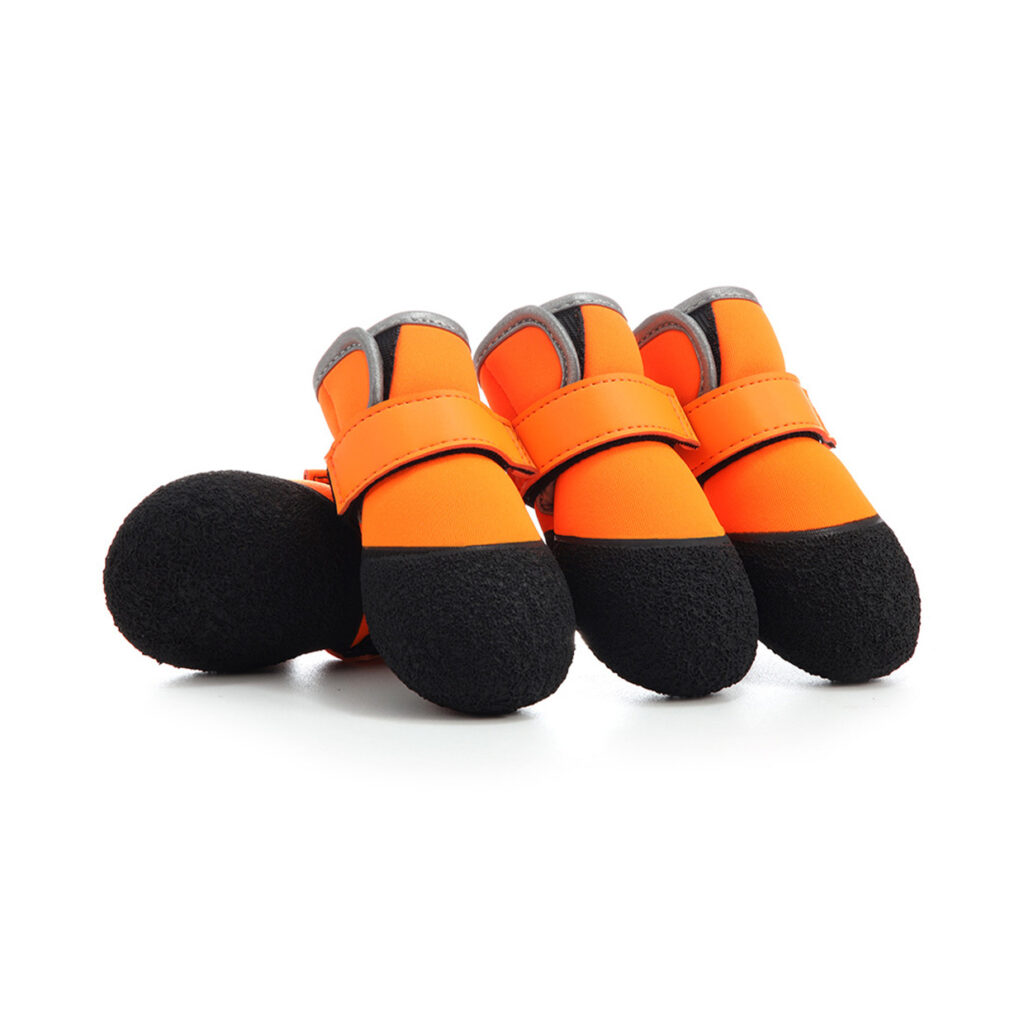
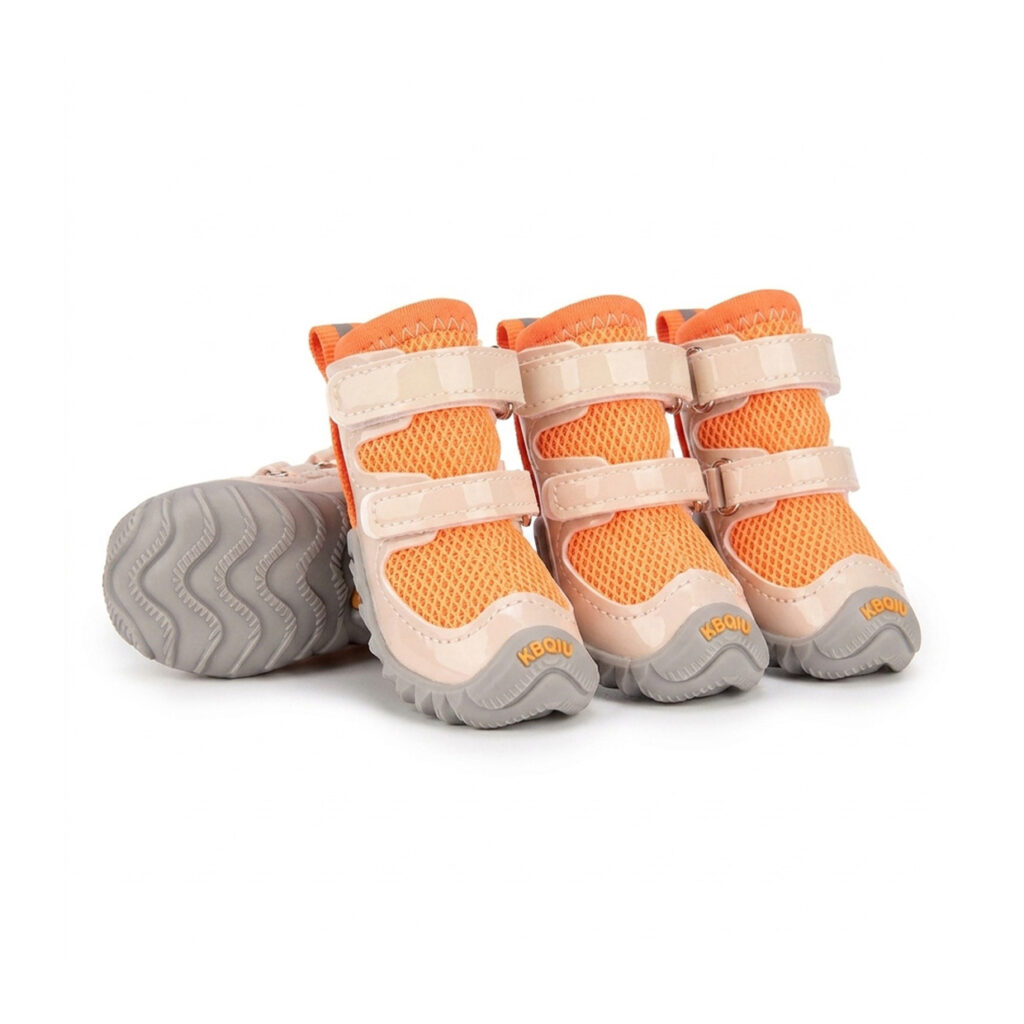
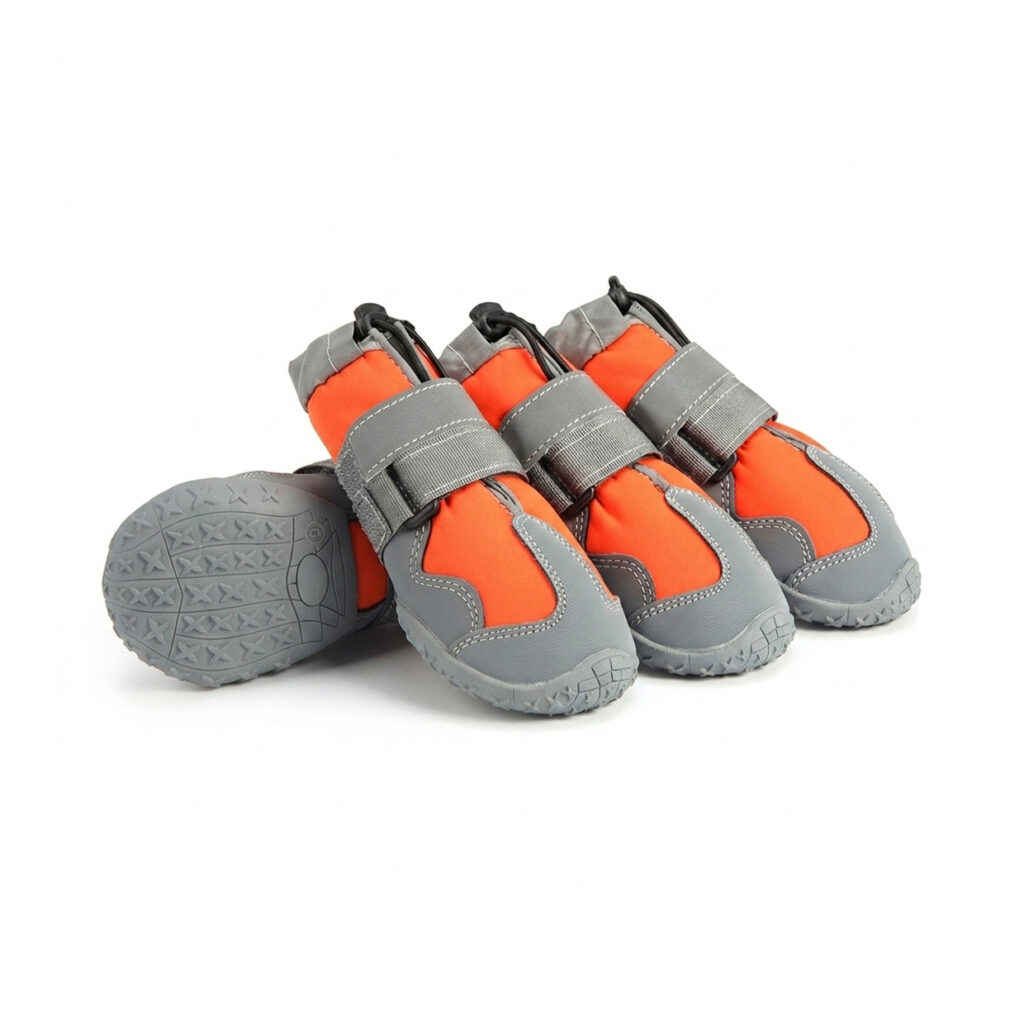
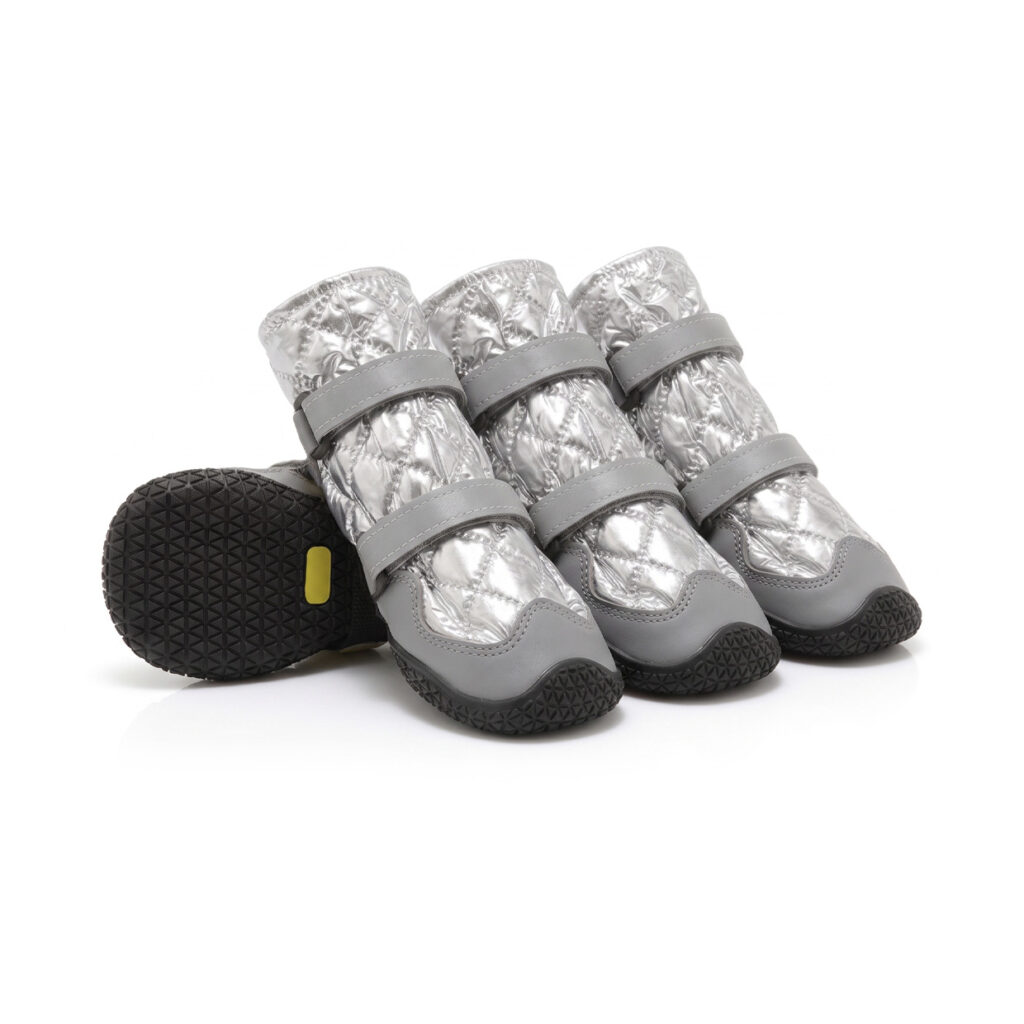
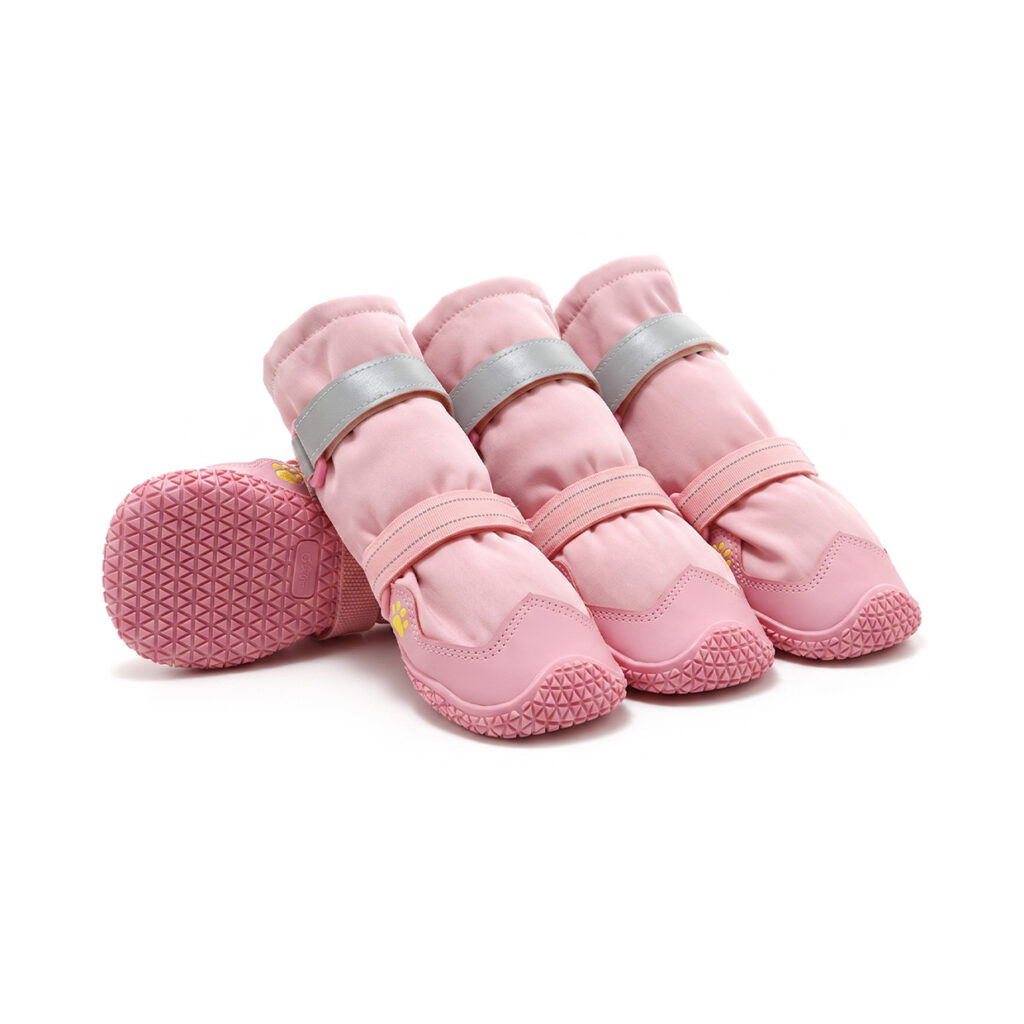
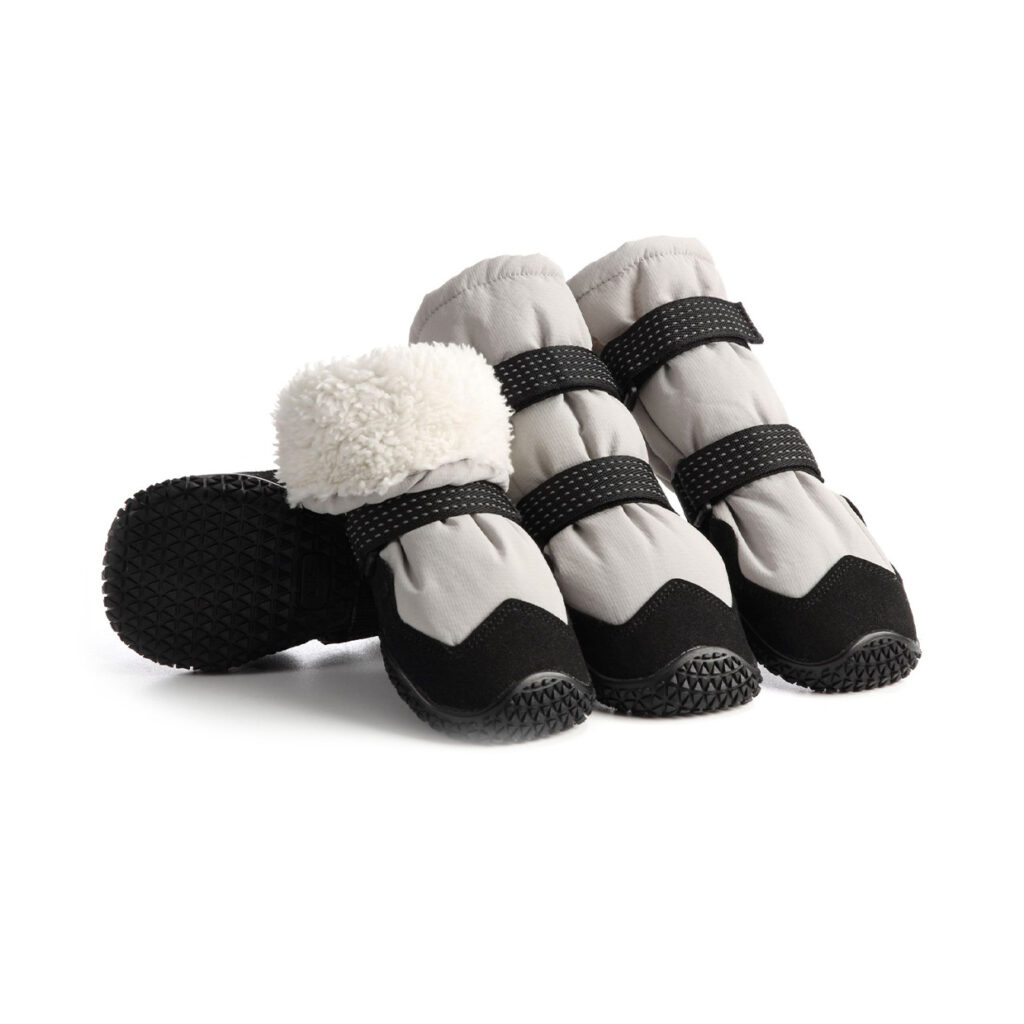
Looking for something built for frequent outdoor use and easy rinsing?
Durable Outdoor Dog Shoes
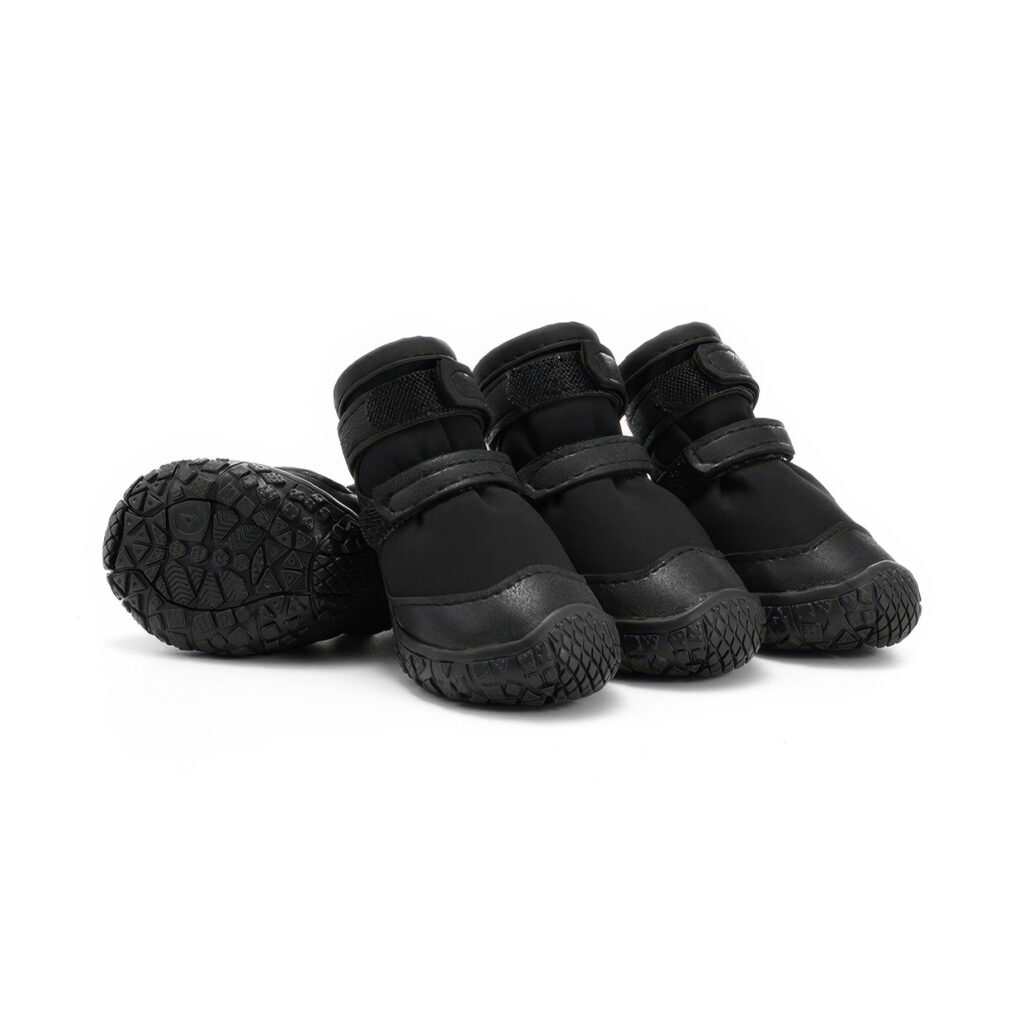
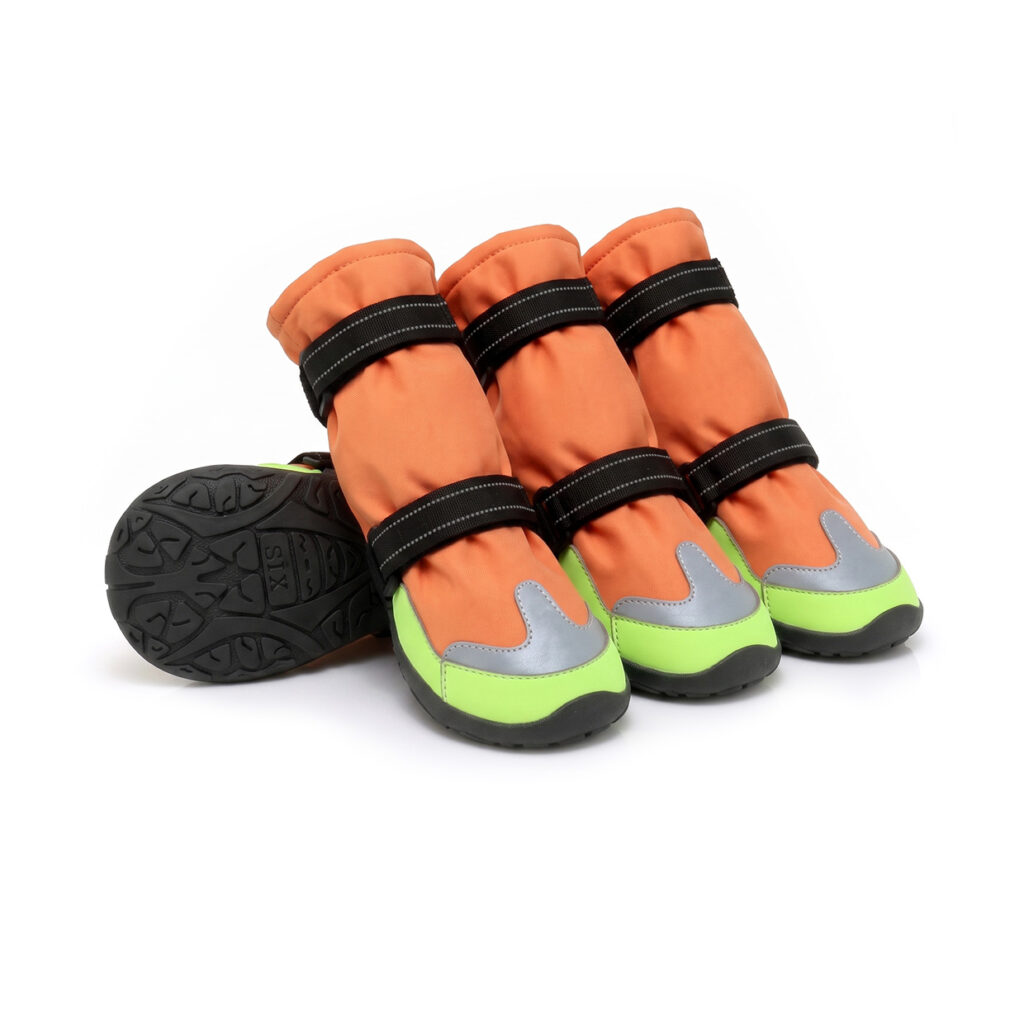
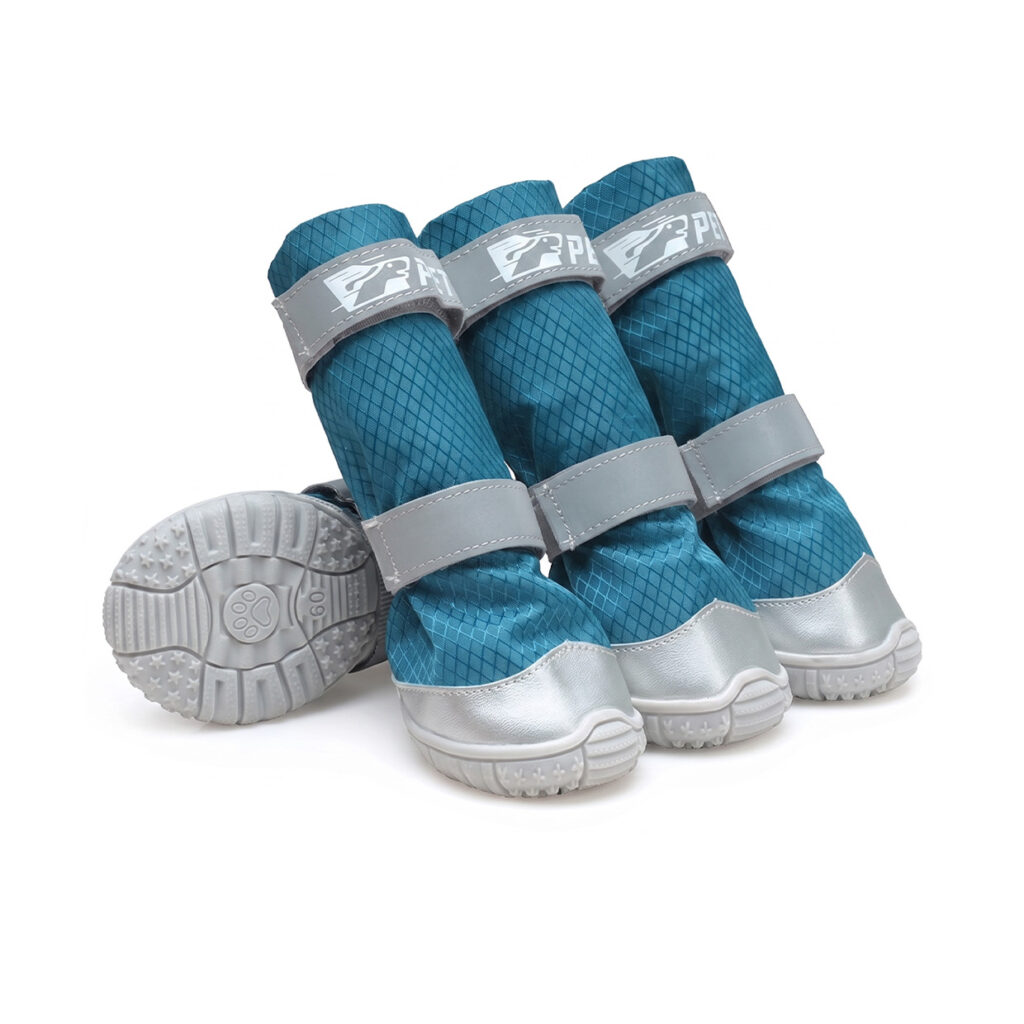
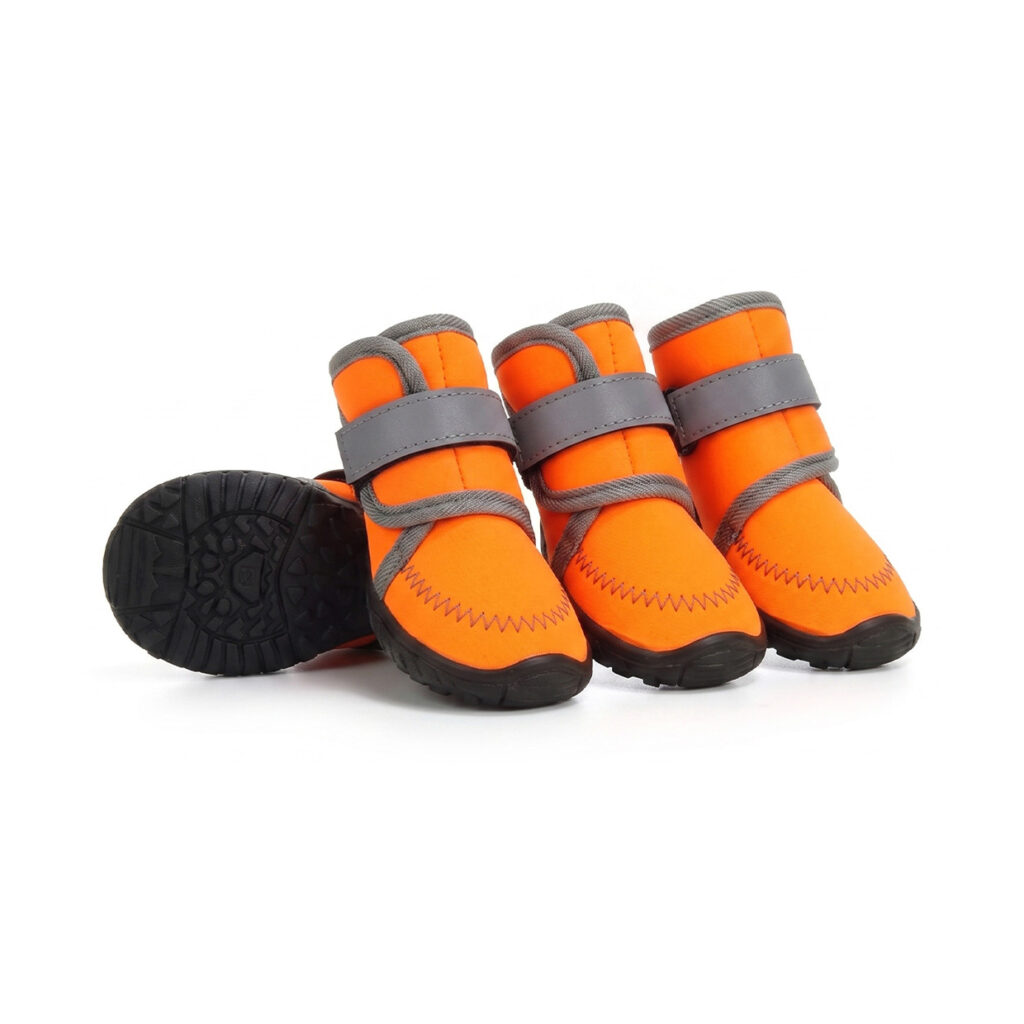
For wetter conditions:
Rugged Waterproof Dog Boots
Frequently Asked Questions
How often should you clean dog shoes?
Give them a quick brush-down after every muddy, dusty, or wet walk — it takes two minutes and stops dirt from working its way into the fabric. For a full soap wash, every 2–4 weeks is a solid baseline for shoes in regular rotation. If your dog’s constantly splashing through mud or snow, wash more often. And honestly, if they start smelling or looking grimy, don’t wait for the calendar — just wash them.
Can you put dog boots in the dryer?
Nope, not unless the tag specifically says it’s dryer-safe, which most aren’t. Heat is rough on adhesives, warps rubber soles, shrinks synthetic fabrics, and can ruin waterproof membranes. Squeeze out the excess water, stuff the shoes with paper towels, and let them air dry somewhere shaded with decent airflow.
How do you get dog hair out of Velcro shoe straps?
Pull off the loose hair by hand or with tweezers first. Then work a fine-tooth comb through the hooks to pull out the fibers stuck deeper in. If it’s really packed in, a small stiff brush helps break it loose — just be gentle so you don’t damage the hooks. Do this regularly instead of waiting until the Velcro barely sticks anymore.
What type of soap is best for washing dog footwear?
Stick with a mild, unscented, dye-free soap, or something made specifically for pet gear. Skip bleach, harsh solvents, and heavily fragranced household cleaners unless the manufacturer says otherwise. And honestly, the soap choice matters less than the rinse — even gentle detergent left behind can irritate your dog’s paws.
Can I submerge waterproof dog boots in water to wash them?
Yes, as long as the manufacturer says immersion is fine. Sealed or rubber boots usually handle a quick dunk in lukewarm water without issue. Just don’t leave them soaking for ages — extended time in water puts unnecessary strain on seams, adhesives, and any waterproof lining inside. Rinse well, dry completely in a ventilated spot, and don’t assume a waterproof shell means the inside can handle prolonged moisture too.
Keep Your Dog’s Footwear Clean and Ready
At the end of the day, learning how to clean dog shoes is a small habit that pays off in a big way. A quick brush clears the abrasive stuff, a gentle wash handles the deeper grime, careful air drying protects the materials, and a little Velcro upkeep keeps everything fitting snug.
There’s a nice side benefit too — cleaning regularly means you’ll spot wear and tear early, before it turns into a mid-walk malfunction. Get in the habit of checking the sole, seams, straps, and interior every time you clean.
For a full rundown on choosing and caring for different types of paw protection: comprehensive dog paw wear guide.
Keep Every Step Fresh, Safe, and Ready for Adventure!
Proper maintenance keeps your pet’s gear lasting longer, but when it’s time to refresh their outdoor setup, choose footwear engineered for effortless cleaning and high durability.
Explore our complete lineup of easy-to-wash Breathable Dog Shoes and weather-resistant Heavy-Duty Dog Boots, designed with quick-dry fabrics and rugged non-slip soles for everyday adventures.
Shop Easy-Care Dog Shoes & Boots Collection Now!