Free Shipping on All Orders | 30-Day Easy Returns
Do Dogs Need Shoes? Benefits for Snow, Heat & Safety
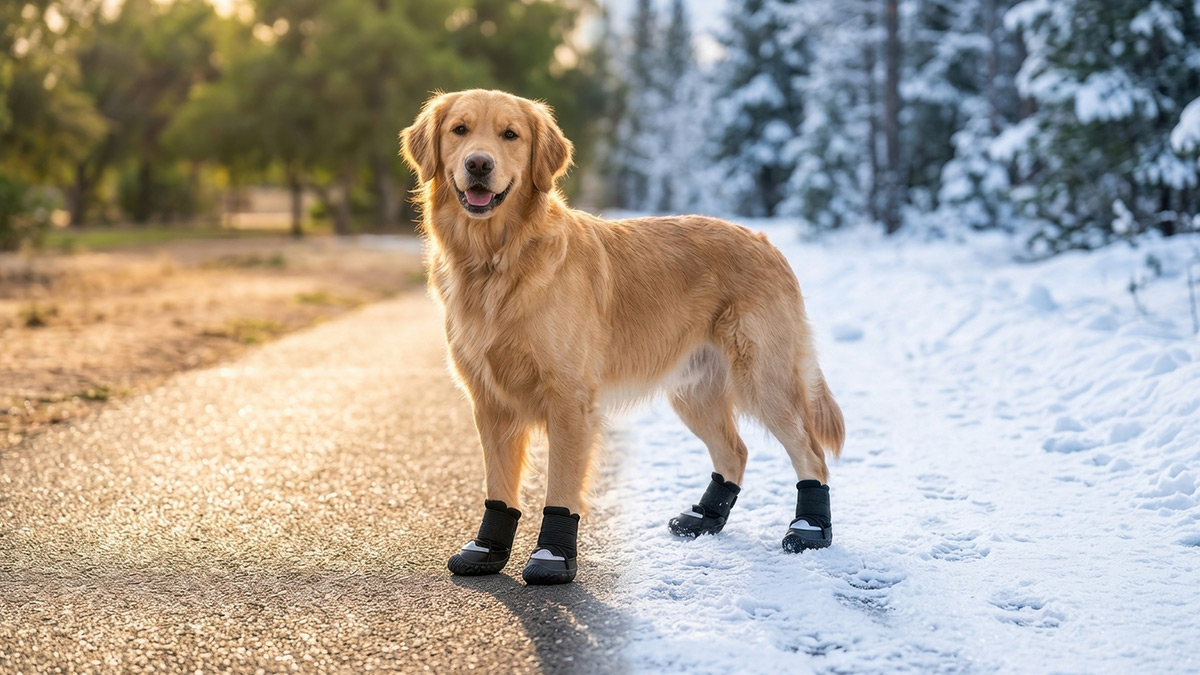
Table of Contents
Do dogs need shoes? It’s a fair question, and the honest answer is: it depends on where your dog is walking. Wild dogs never had to worry about scorching asphalt or salt-crusted sidewalks — but your dog does.
Modern surfaces put paws through conditions their ancestors simply never faced: baking hot pavement, ice-covered sidewalks, gravel-strewn hiking trails, and chemically treated winter roads. Paw pads are tougher than they look, built for traction and some natural cushioning, but “tough” isn’t the same as “indestructible.”
Extreme heat, sharp debris, deicing chemicals, and repeated impact can all wear pads down faster than most owners expect. A hot summer sidewalk can blister a paw pad in minutes, and winter salt or ice can leave pads cracked and raw for days.
For most dogs, shoes aren’t a daily requirement — they’re a tool you pull out when conditions get rough, the same way you’d reach for your own hiking boots or winter gloves. Used at the right moments, dog paw protection can keep active dogs, seniors, and sensitive breeds comfortable no matter what season it is.
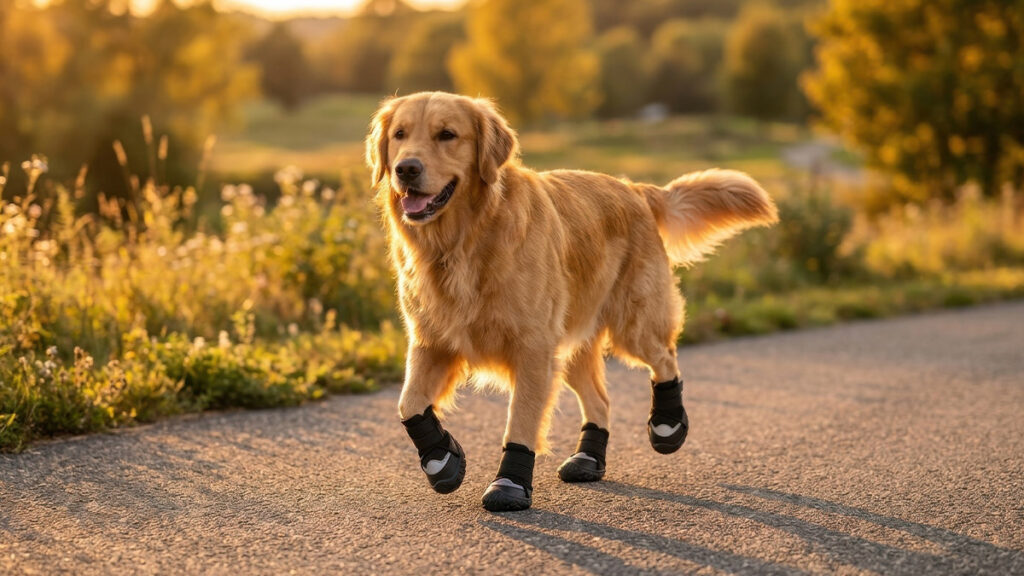
5 Essential Benefits of Dog Paw Protection
1. Protection Against Hot Pavement and Summer Heat
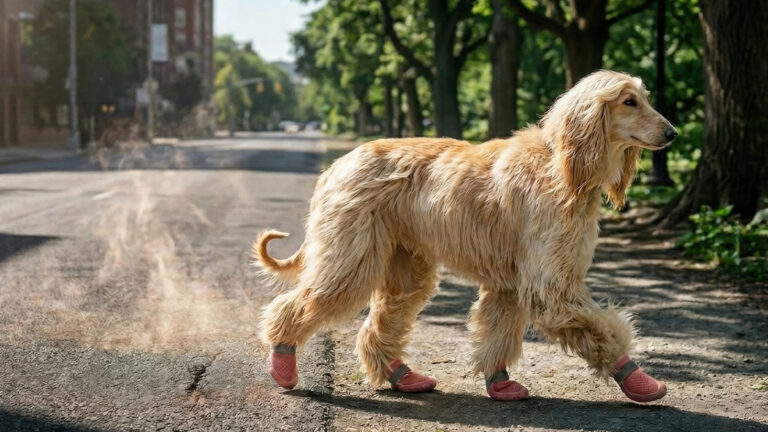
If there’s one thing that convinces most owners to try dog shoes for hot pavement, it’s watching a dog suddenly lift a paw mid-walk and refuse to put it back down. Asphalt and concrete soak up sunlight like a sponge and can hit dangerous temperatures even on days that don’t feel that hot to you.
Here’s the tricky part: a sidewalk that feels fine to a person wearing sneakers can be scorching for a dog walking on it barefoot. According to summer safety guidelines from the American Kennel Club, burned paw pads typically show up as redness, blistering, or peeling, and once that happens, even short walks become painful.
The easiest way to check before you head out is the 7-Second Surface Test. Press the back of your hand flat against the pavement and hold it there for about seven seconds — if you have to pull your hand away before the seven seconds are up, that surface is too hot for paws.
For temperature threshold charts and step-by-step summer safety tips, check out our in-depth guide on how to protect dog paws from hot pavement.
Protective dog boots put a real barrier between sensitive pads and superheated ground. They’re especially worth it for dogs that do a lot of sidewalk walking, spend time outside during peak summer heat, or live somewhere with long, brutal summers.
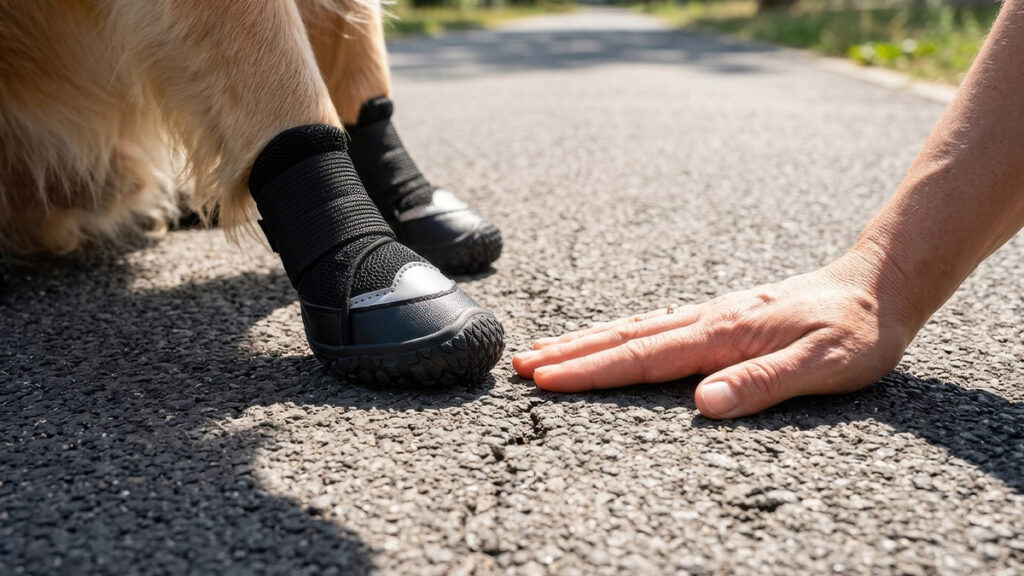
2. Winter Defense: Ice, Snow, and Deicing Chemicals
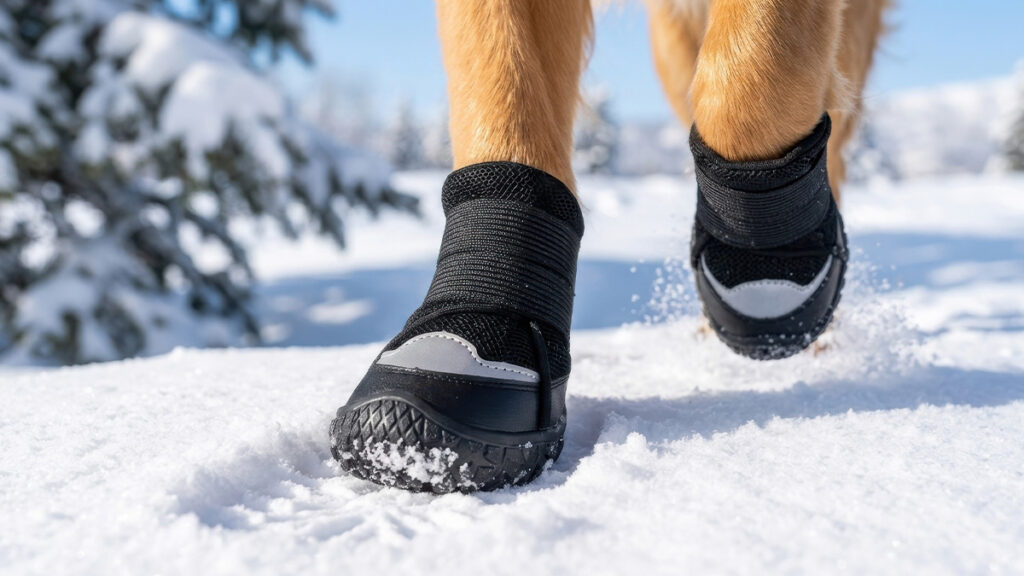
“Do dogs need shoes for snow?” comes up constantly once temperatures drop, and the honest answer is: it depends on the walk. A quick trip out to the yard on clean, dry snow usually isn’t a big deal, but winter throws a few curveballs that aren’t always obvious until they’ve already caused a problem.
Snow packs between toes and paw pads and hardens into painful little ice balls that tug at the skin with every step. Dogs with longer fur around their feet are especially prone to this, since the fur traps moisture and snow almost instantly.
Then there’s road salt and chemical deicers, which are everywhere on winter sidewalks. Per ASPCA winter pet safety resources, these products can irritate paw pads on contact or cause bigger problems if your dog licks the residue off afterward.
Winter dog boots create a barrier against both the cold surface and the chemical residue sitting on top of it. If your dog spends real time outside in harsh winter weather, the smartest approach is combining boots with a habit of wiping down paws after every walk.
3. Shielding Paws on Rugged Outdoor Trails
Trail dogs face a different set of hazards than dogs doing laps around the block. Hiking trails hide sharp rocks, thorny brush, broken branches, and loose gravel — the kind of terrain that can nick or bruise even a well-conditioned paw pad after hours on the move.
Boots built for outdoor use come with reinforced soles, tougher abrasion-resistant materials, and grippier traction than everyday shoes. That extra durability matters most for dogs covering long distances or uneven ground for hours at a time.
If your regular routes involve jagged scree, steep scrambles, or other technical terrain, it’s worth checking out our complete guide on dog hiking boots for rocky trails — it breaks down exactly how specialized outsoles and secure closures help keep pad punctures and trail injuries from ruining a hike.
For early morning or late-night adventures, equipping your pup with high-visibility reflective dog boots provides critical visual contrast to keep them safe from cyclists and passing motorists.
For serious outdoor dogs, switching to durable protective dog boots isn’t about looking cute — it’s about keeping them mobile, visible, and injury-free so a great outing doesn’t end early.
4. Indoor Traction and Joint Health for Senior Dogs
Not every reason to consider dog shoes is about the outdoors. Plenty of senior dogs, and dogs recovering from injury or dealing with joint pain, struggle more indoors than they do outside.
Hardwood, tile, and laminate floors turn into ice rinks for dogs with weaker hips or aging joints. That slipping and scrambling for grip isn’t just awkward to watch — it puts real strain on already-sensitive joints and muscles.
Non-slip dog socks or lightweight indoor shoes give older dogs something to actually grip, which often translates into steadier, more confident movement around the house. It’s a small change that can make a noticeable difference for dogs dealing with arthritis or general mobility decline.
To be clear, footwear won’t treat arthritis or fix an underlying joint condition. What it can do is reduce the slipping that makes everyday movement harder than it needs to be.
While outdoor protection is crucial, hardwood floors pose a daily threat to your dog’s joints. Read our complete guide on choosing the best indoor non-slip dog footwear to discover how silicone micro-grips and double-sided designs restore stability.
5. Hygiene Maintenance and Wound Recovery
There’s also a practical, unglamorous benefit here: cleanliness. Dogs walk through mud, bacteria, allergens, and who-knows-what on a regular basis, and all of it comes home with them.
Shoes cut down on what actually makes it through your front door, which means less scrubbing paws and fewer muddy paw prints on your floors. Footwear can also help during recovery from a minor paw injury by keeping a dog from licking or worrying at the area while it heals.
To keep your pup’s footwear fresh and free of odor, follow our easy tutorial on how to clean and wash dog shoes safely.
That said, injured paws deserve real attention. As outlined by VCA Animal Hospitals’ pet health resources, you should keep an eye on anything that looks swollen, doesn’t improve, or seems to be bothering your dog more than expected, and check in with your vet when something feels off.
When Do Dogs Need Shoes or Boots vs. Going Barefoot?
Not every dog needs shoes every day, and honestly, most don’t. Healthy paws handle the vast majority of everyday situations just fine: grass, dirt trails, mild weather, normal sidewalks.
Going barefoot usually works fine when:
- The ground temperature is comfortable
- The walking surface is soft and hazard-free
- There’s no salt, chemicals, or sharp debris around
- Your dog isn’t showing any signs of paw sensitivity
Footwear starts to make sense when your dog is dealing with:
- Hot summer pavement
- Ice, snow, or freezing temperatures
- Salt-treated sidewalks
- Rocky or rough hiking trails
- Long outdoor adventures
- Slippery indoor flooring
- Paw injuries or post-injury recovery
The real question isn’t “should my dog wear shoes all the time?” It’s “does today’s environment ask more of my dog’s paws than they’re actually built to handle?” Most days, the answer is no — some days, it’s a clear yes.
Dog Shoes, Boots, or Socks: Which Footwear Is Right for Your Dog?
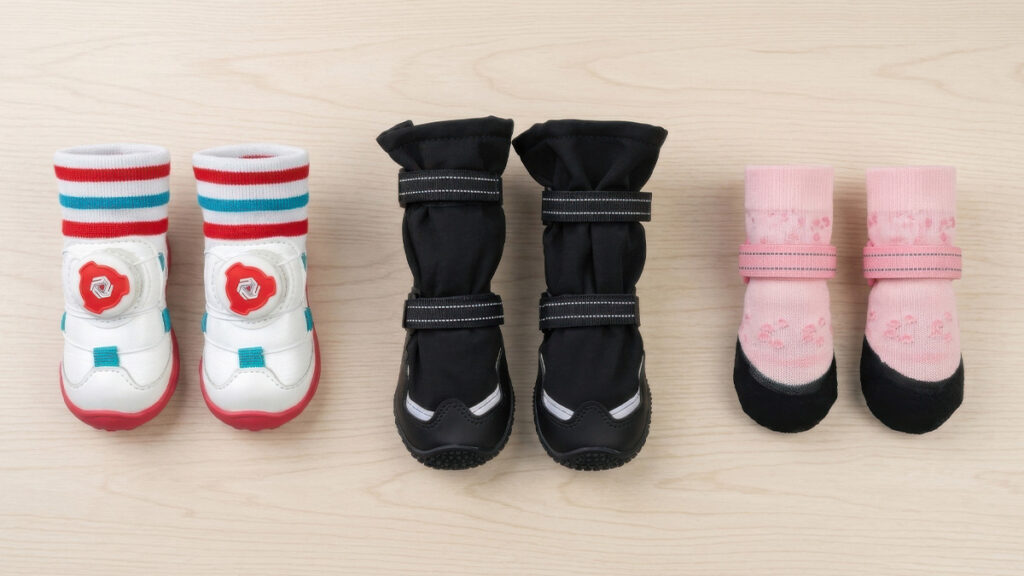
Not all dog footwear is doing the same job. Here’s a quick side-by-side before we dig into the details.
| Type | Best For | Key Features |
|---|---|---|
| Dog Shoes | Everyday city walks, warm pavement, light outdoor activity | Lightweight, breathable, easy on-off |
| Dog Boots | Snow, hiking, rough terrain, extended time outdoors | Thicker soles, insulation, stronger fastening |
| Dog Socks | Indoor grip, layering under boots | Soft, non-slip on smooth floors, not weatherproof |
If you’re still deciding between different footwear styles, read our complete dog paw wear comparison guide.
Dog Shoes
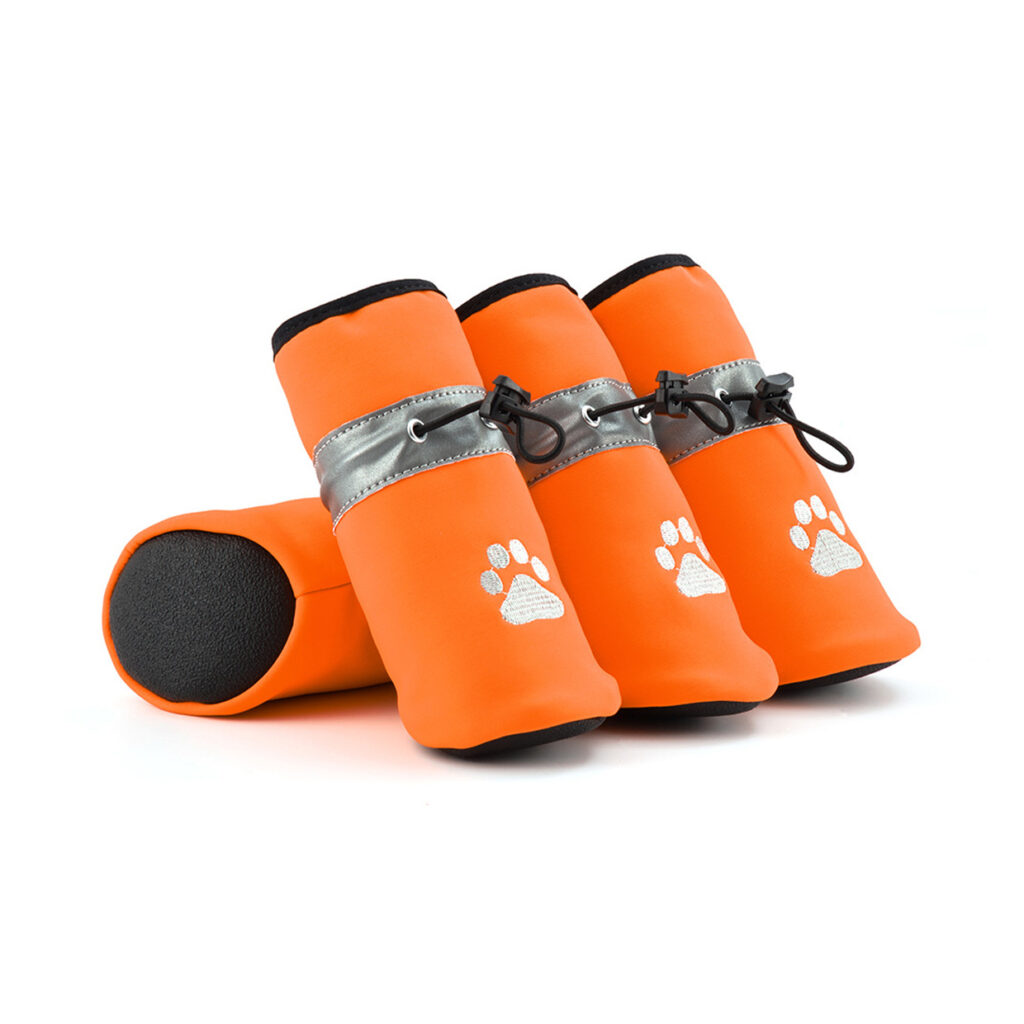
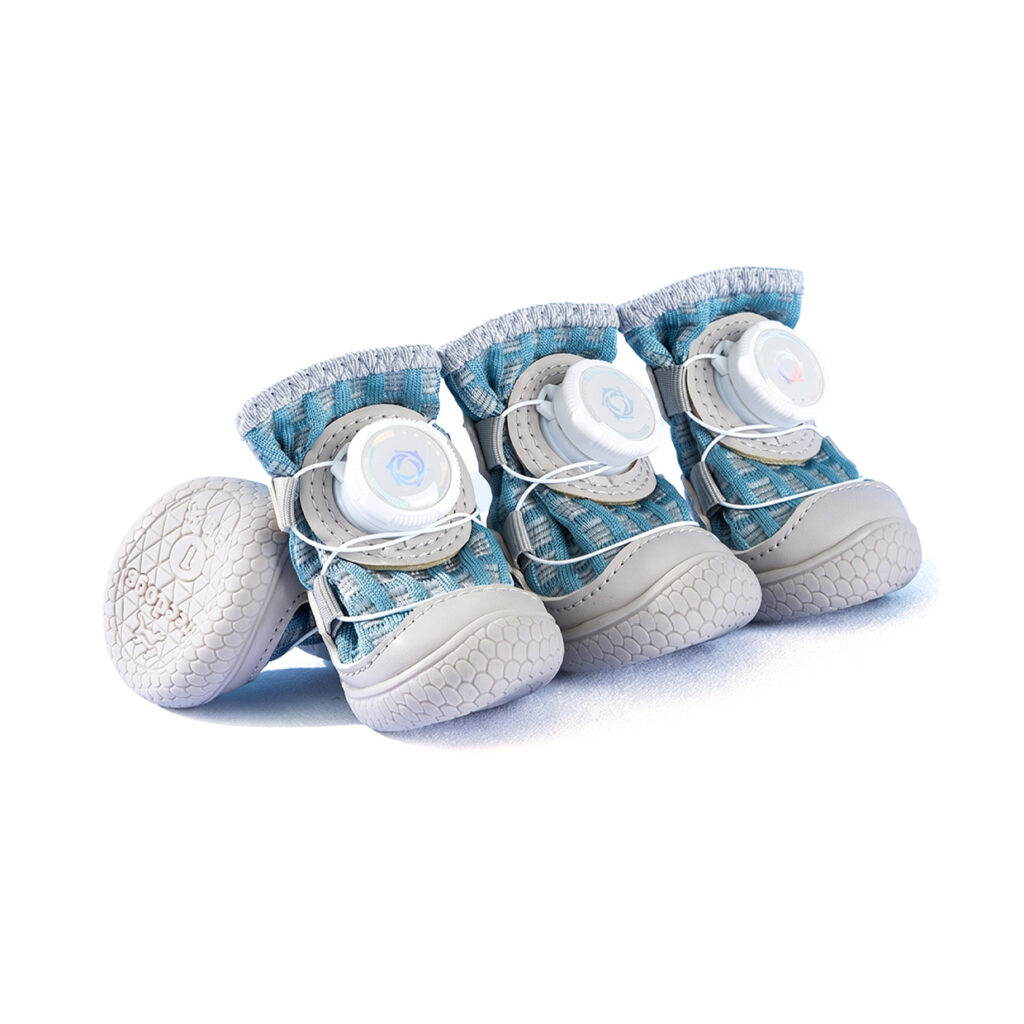
Dog shoes are the everyday option, lightweight enough for regular walks but sturdy enough to guard against warm sidewalks and light outdoor wear and tear. For dogs that need breathable everyday protection, browsing lightweight breathable dog shoes is usually the simplest place to start.
Dog Boots
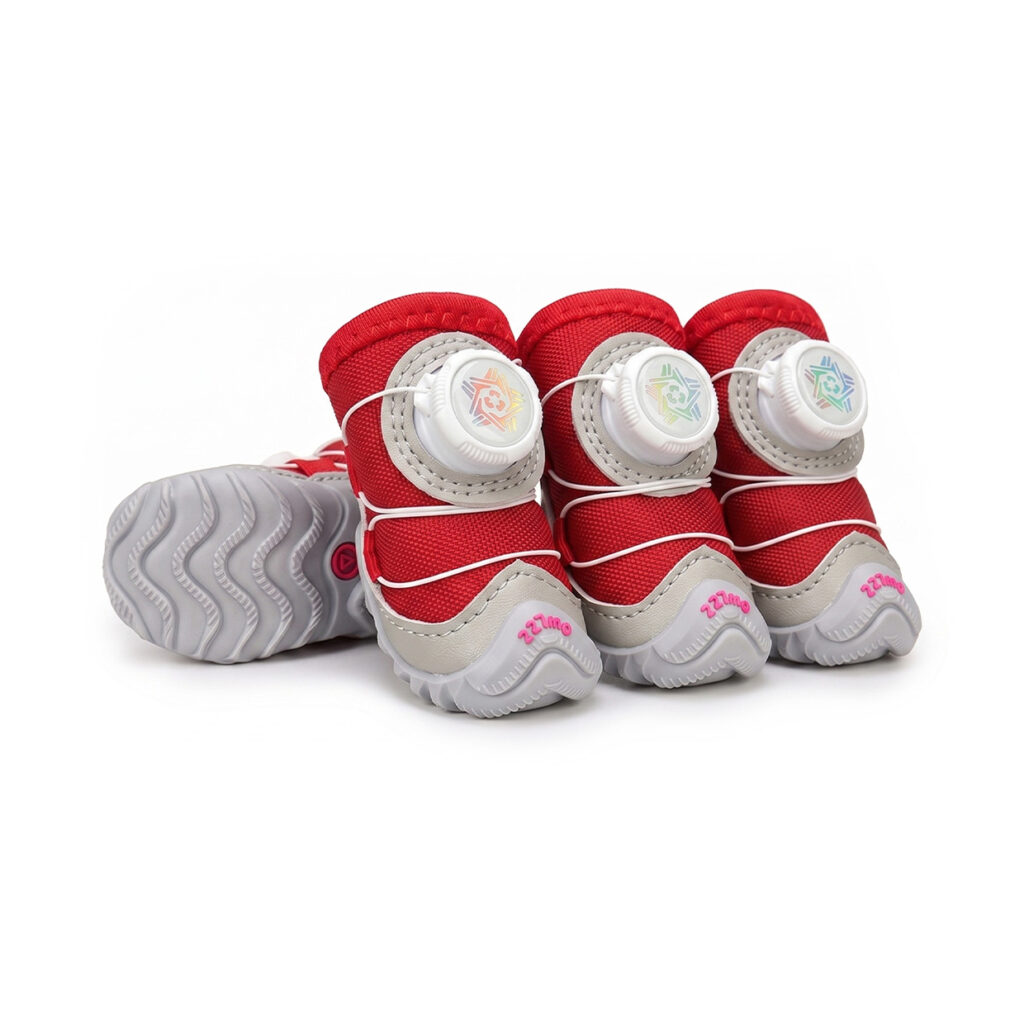
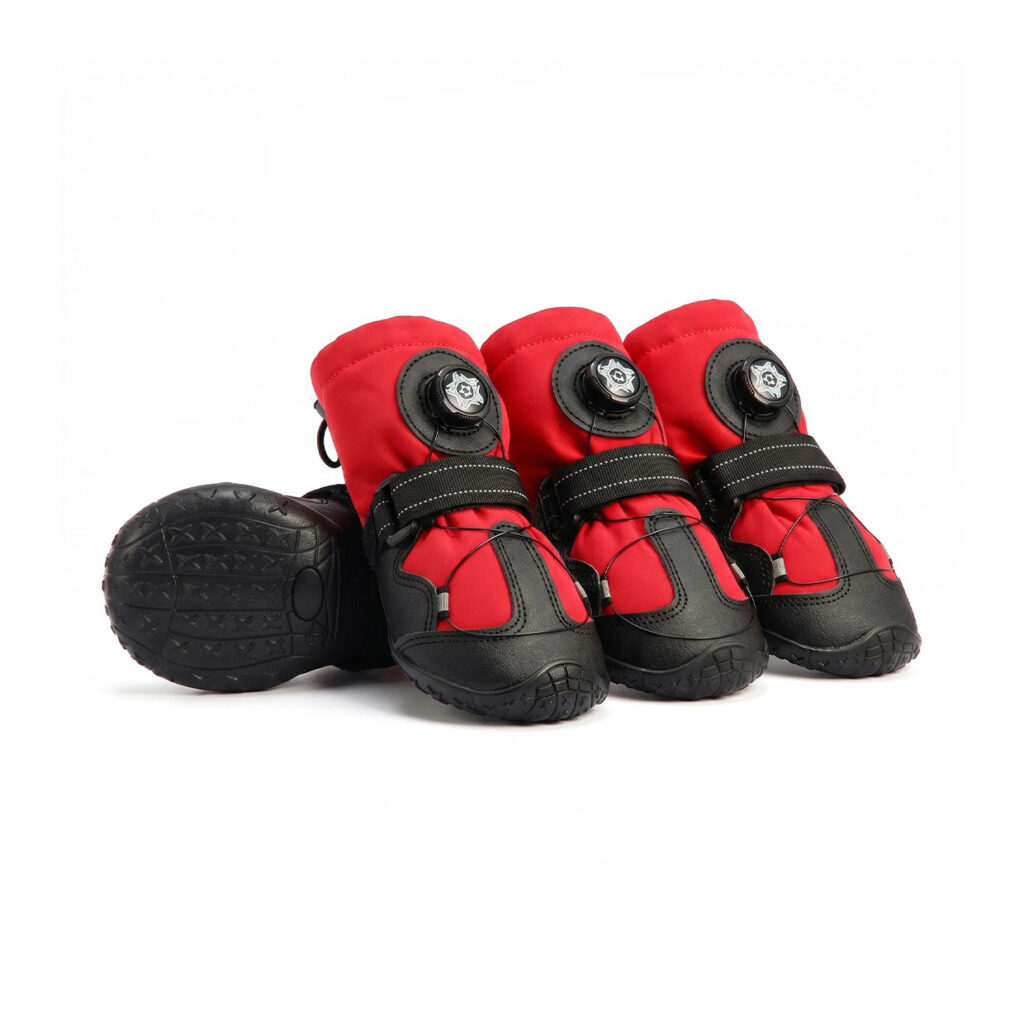
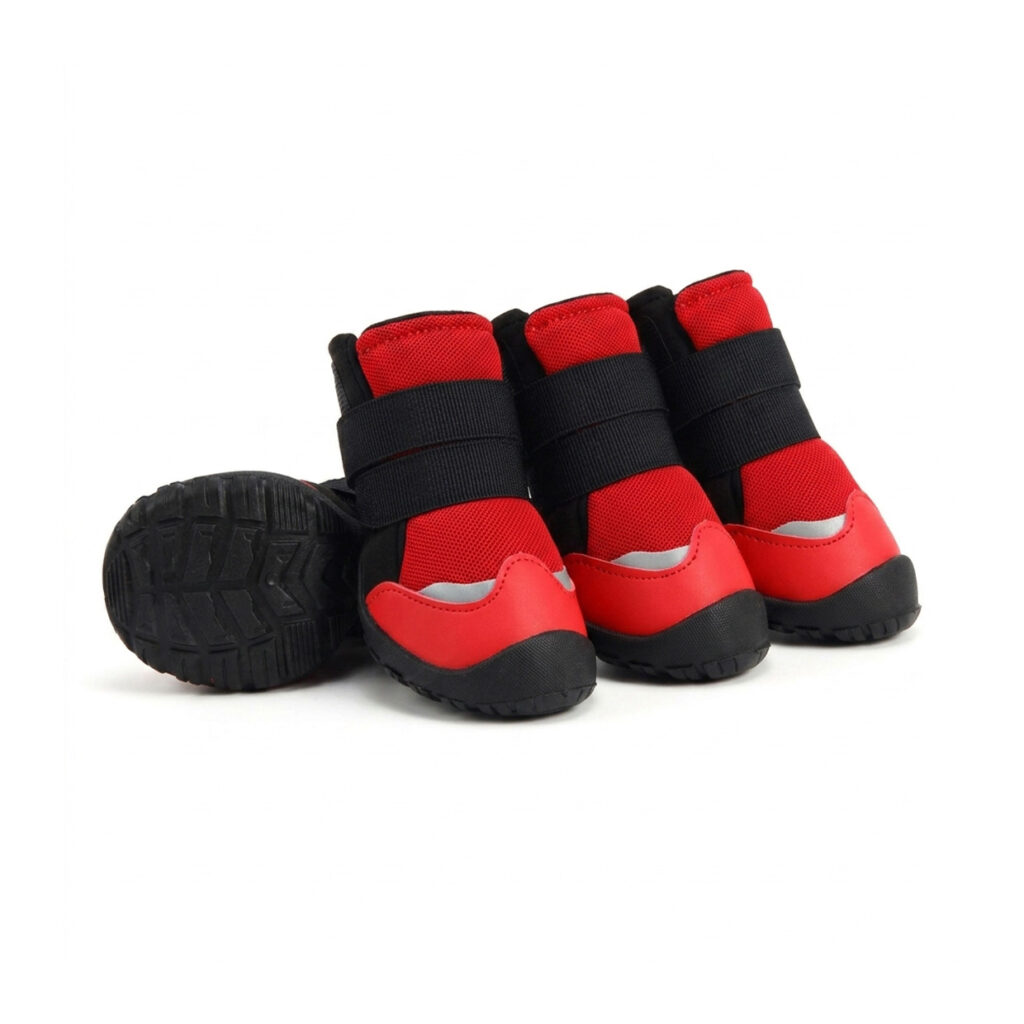
Boots step things up considerably, with thicker soles, better insulation, and more secure fastening systems that make them the go-to choice for genuinely demanding conditions. They’re ideal for snow and winter conditions, hiking trails, rough terrain, and extended outdoor activities.
If your dog regularly faces tough outdoor environments, upgrading to reinforced protective dog boots
offers the durability and coverage everyday shoes just aren’t built for. To pick the right material for shifting forecasts, compare waterproof vs. breathable dog boots to balance wet-weather protection with cooling airflow.
Dog Socks
Socks are really an indoor product. They add grip on hardwood and tile, and some owners layer them under boots for extra comfort on longer outings.
What they’re not good for is anything outdoors and demanding, since snow, heat, or rough ground will chew through them fast — they simply weren’t built with that kind of durability in mind.
Frequently Asked Questions About Dog Footwear
Do dogs need shoes in the snow if they only go out briefly?
For a quick bathroom break on clean, dry snow, probably not. But if there’s deicing salt, chemical ice melt, or frozen debris anywhere on that route, even a five-minute walk can leave paws irritated.
When in doubt, boots are the safer call. And no matter what, check between the toes and wipe down paws after every snowy walk, since salt and ice residue love to hide there.
How do I know if the pavement is too hot for my dog?
Run the 7-Second Surface Test before you leave the house. Press the back of your hand against the pavement and hold it for seven seconds — if you can’t keep it there comfortably, your dog shouldn’t be walking on it either.
Remember that small dogs, seniors, puppies, and dogs with sensitive paws feel heat at lower thresholds than a healthy adult dog, so give them extra caution. As AKC’s hot weather walking guidance points out, it’s always better to err on the side of caution during peak afternoon heat.
How do I keep dog shoes from falling off?
It almost always comes down to sizing and fastening. Measure your dog’s paw width using the manufacturer’s guide before you buy — too loose, and shoes twist and slide off mid-walk; too tight, and you’ll restrict natural movement.
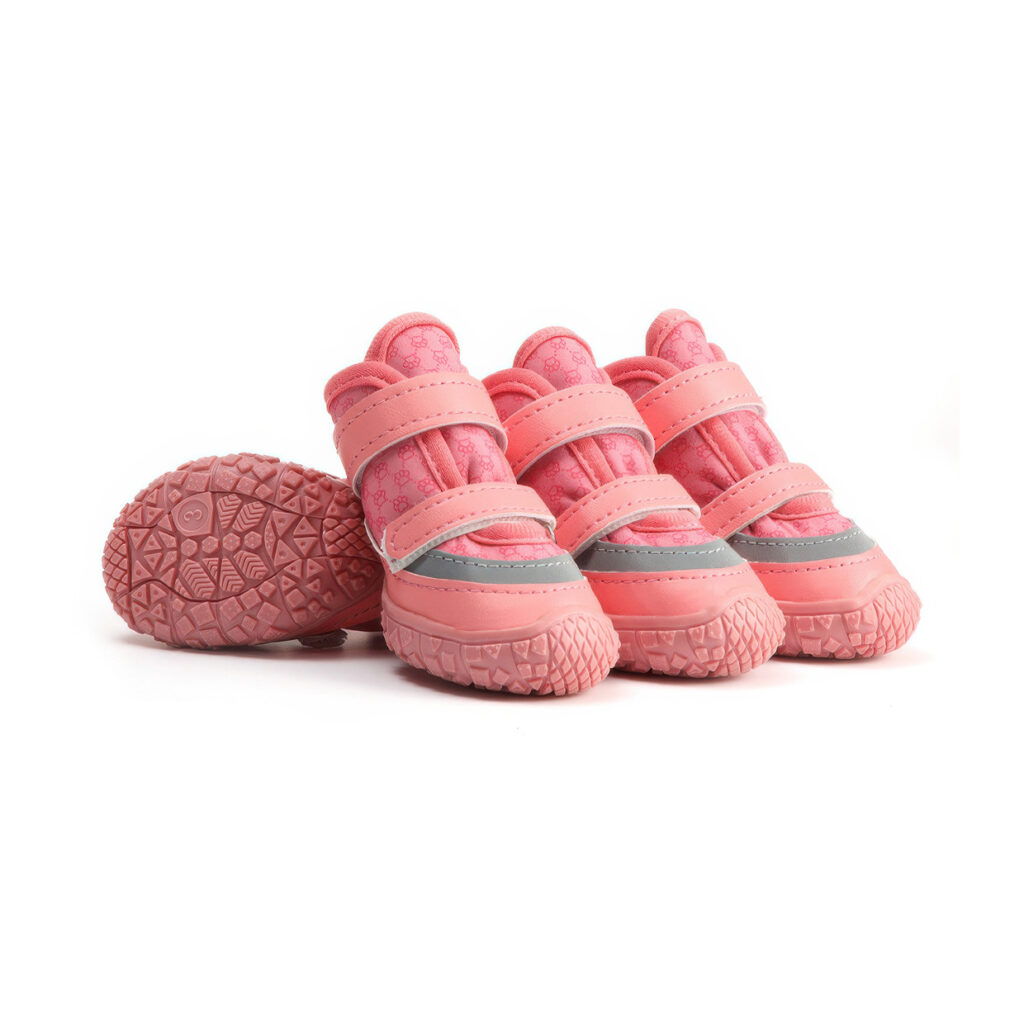
Look for adjustable Velcro straps, double fastening points, anti-slip soles, and flexible materials that move with the paw instead of against it. A thin pair of dog socks underneath can also help shoes stay put. If your pup constantly kicks footwear off mid-stride, read our field-tested tips on how to keep dog boots from falling off, and check our dog shoes sizing guide for exact weight-bearing measurements. For an in-depth breakdown of front vs. back paw differences and fit checks, use our step-by-step dog boot sizing and fit guide.
Do dogs’ paws naturally toughen up over time?
Yes, to a point. Regular walking on normal surfaces does build tougher, more resilient pads over time — it’s basically calluses, dog-style.
But toughness has a ceiling. Even the most weathered paw pads aren’t immune to hot asphalt, broken glass, or road salt, so experience helps, but it doesn’t make paws invincible.
How long does it take for a dog to get used to wearing shoes?
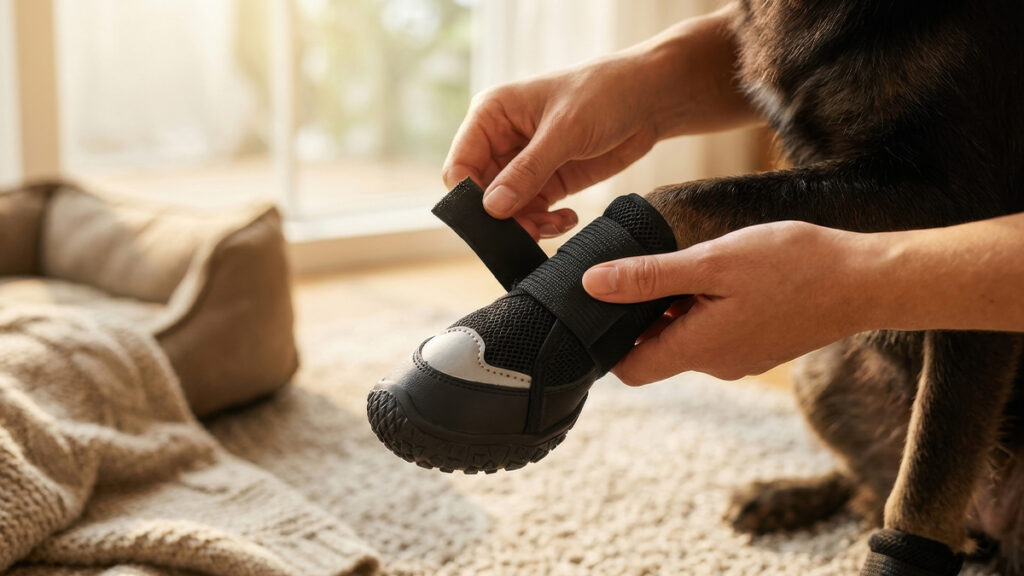
Give it three to seven days for most dogs. Start indoors with short sessions, letting them wear the shoes for just a few minutes at a time while you reward calm behavior with treats.
Expect some awkward high-stepping and confused glances your way the first few times — that’s completely normal and usually fades fast. With the right fit and a little patience, most dogs adjust without much fuss.
Final Thoughts: Are Dog Shoes Worth It?
So, do dogs need shoes? It really comes down to your dog’s day-to-day environment. A dog living somewhere mild, walking mostly on safe, comfortable surfaces, may rarely — if ever — need them.
But if hot pavement, snow, hiking trails, slick floors, or sensitive paws are part of the picture, good dog footwear earns its keep. The goal was never to replace what a dog’s paws can naturally do — it’s about backing them up when the environment asks for more than paws were ever designed to handle.
Protect Your Dog’s Paws in Every Season
Whether your dog is chasing summer walks, winter adventures, or everyday outdoor exploration, the right gear turns risky surfaces into manageable ones.
Explore our collection of durable dog shoes and boots designed for different environments, from breathable daily walking shoes to rugged outdoor protection.