Free Shipping on All Orders | 30-Day Easy Returns
Dog Grooming Shoes: Calm Bath Time & Keep Paws Clean
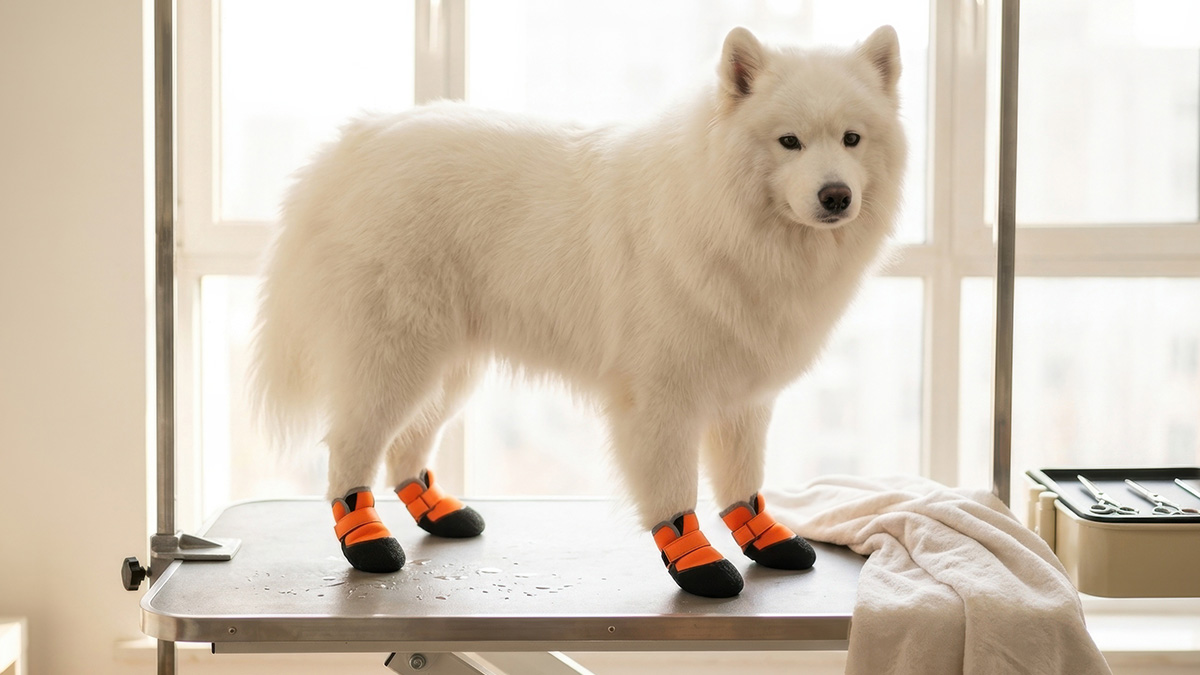
Table of Contents
Why are specialized dog grooming shoes quickly becoming a staple in modern homes and professional pet salons alike?
If you’ve ever bathed a nervous dog, you’ve probably seen it happen. The back legs splay out like a newborn fawn’s. The nails scrabble against wet acrylic. Your dog decides the safest option is to climb straight up your chest, which leaves you soaked and both of you stressed.
Very often the water isn’t the real problem. The footing is. Wet tubs, slick tile and shampoo-coated surfaces take away the grip a dog normally relies on to feel steady. Without dependable dog traction, a dog braces, scrambles and keeps shifting its paws when it could be standing calmly to be washed, dried, brushed or have its nails trimmed.
The same frustration shows up at the front door. Mud, wet grass, road grime and bits of lawn debris wedge between the toes, then get pressed into your carpets, sofa and bedding. The right footwear can give you a cleaner handoff between outdoors and indoors. If it’s built for wet surfaces, it also adds real grip in the tub.
In this guide we’ll cover why dogs panic in the bath, how neoprene compares with breathable mesh, how footwear helps you keep dog paws clean, and how to care for grooming footwear so it lasts.
A quick, honest note: Grooming footwear should add to good handling and professional or veterinary care, not replace it. If your dog shows severe anxiety, pain, weakness or trouble standing, talk to your vet first. A shoe can’t fix what’s going on underneath.
The Bathtub Panic Mystery: Why Dogs Hate Grooming Sessions
For many dogs, the bath feels like being asked to stand still on an ice rink while someone pours water over them.
A smooth acrylic tub or glazed tile floor already gives much less grip than a rug or grass. Add water and a layer of shampoo and that grip almost disappears. A dog’s instinct is to dig in with its nails, but nails can’t find purchase on glossy surfaces, so the paws keep sliding. To a dog that’s already unsure about being handled, that feels like losing control of its own body.
So if you’re wondering how to keep dog from slipping in the bathtub, start with the surface under the paws. A well-fitted grooming shoe or another purpose-built traction aid gives your dog a predictable surface to stand on. That predictability is what helps them settle.
Stability Can Change the Entire Grooming Experience
Dogs don’t just walk on their paws. They balance on them, constantly making small adjustments to stay upright. That job gets much harder in the bath, where we ask them to stand still while we lift a leg, rinse the belly or reach around to scrub the back end.
When the paws keep sliding outward, most dogs respond in one of three ways. They widen their stance and lock up. They push back against your hands. Or they try to leave the tub altogether. Better paw friction for dogs removes one big source of that wobbliness. It won’t erase fear by itself, but it often takes the edge off enough for a dog to start cooperating.
If your dog is truly fearful of grooming, gradual desensitization and cooperative-care training are still essential. Fear Free Pets: Low-Stress Grooming and Handling has excellent, practical guidance on making handling feel safer for anxious dogs.
The bottom line: when you’re comparing the best shoes for dog grooming bath time, put a sole designed to grip when wet at the top of your list. “Waterproof” on the label is not enough. A dry upper doesn’t help if the bottom skates across the tub.
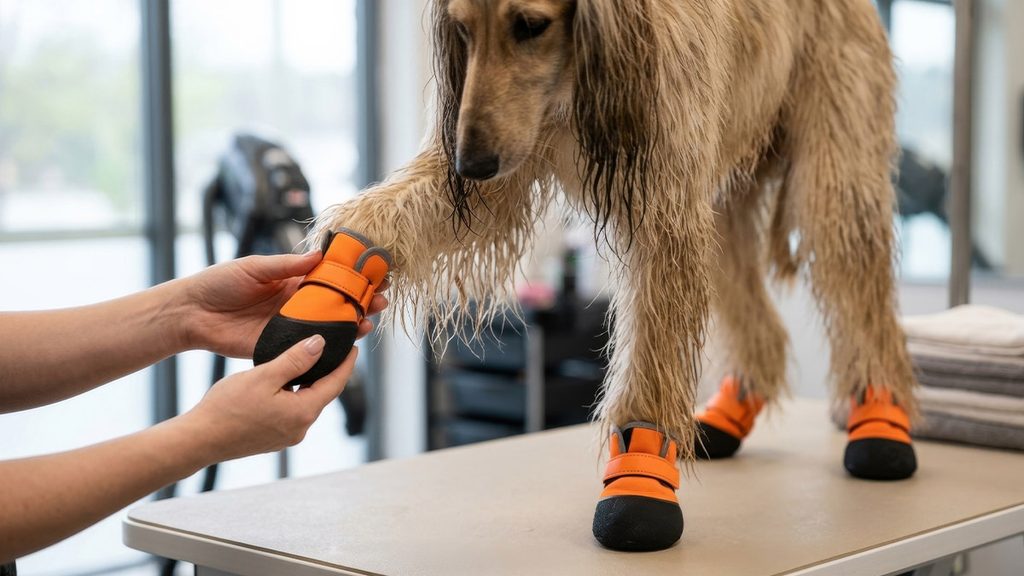
Fabric Science: Waterproof Neoprene vs. Quick-Dry Breathable Meshes
Materials matter more than most people expect, especially when the footwear will meet water, shampoo, mud or daily wear around the house.
No single fabric suits every grooming situation. The right choice depends on what matters most to you: water resistance, coverage, flexibility, drainage, drying speed or all-day indoor comfort.
Hydrophobic Neoprene for Wet Grooming & Water Resistance
Neoprene is the stretchy synthetic rubber used in wetsuits, and that’s a good clue to why it suits bath time.
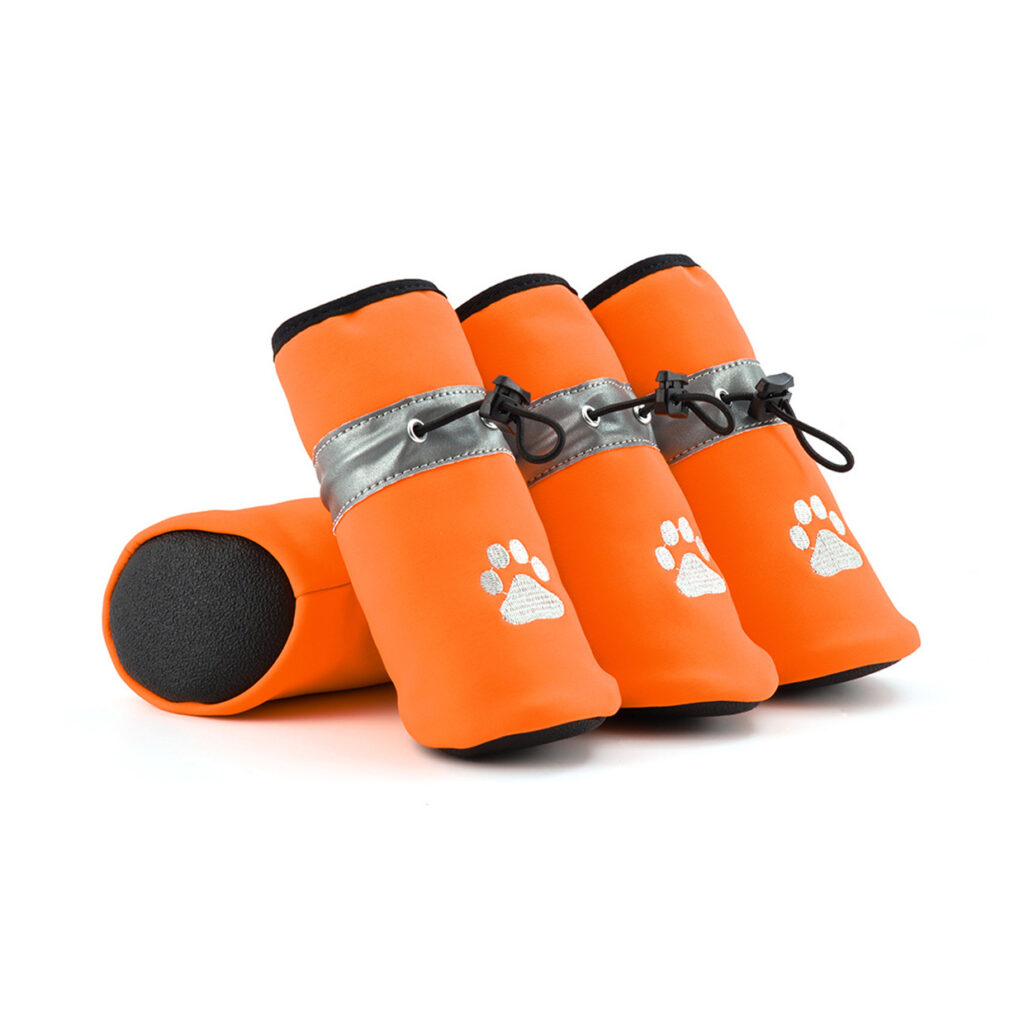
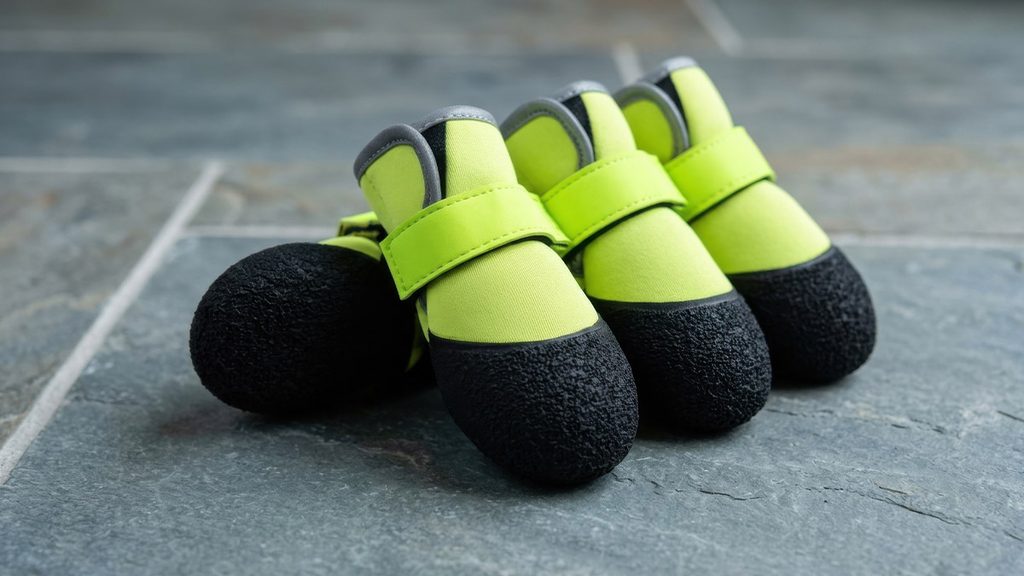
Its elasticity lets footwear hug the paw and lower leg closely, so it shifts less while your dog moves around in the tub. The closed-cell structure also resists water and adds a little insulation, which helps keep paws from feeling cold during a long rinse. That makes neoprene dog boots and neoprene dog socks worth a look if the footwear will regularly face splashing and wet floors.
Here’s the honest part, though: neoprene is water-resistant, not a guaranteed waterproof seal. Seams, stitching, cuff openings, closures and the way the sole is attached all affect how much water reaches the paw. Neoprene also tends to dry more slowly than open mesh, which matters if you plan to reuse it the same day.
For the bath, look for a design that pairs a water-resistant upper with a sole that stays grippy when wet. Neither one does the job alone.
Lightweight Drainage & Breathability for Fast Post-Bath Drying
Once the bath is over, your priorities change. Keeping water out matters less than letting moisture escape.
If your dog keeps footwear on indoors after a wet walk or bath, trapped dampness can make paws uncomfortable. Skin that stays moist between the toes for too long can also become irritated. Breathable mesh panels, moisture-wicking fabrics and drainage features let water out and air in, which makes the footwear much more pleasant for short indoor stints.
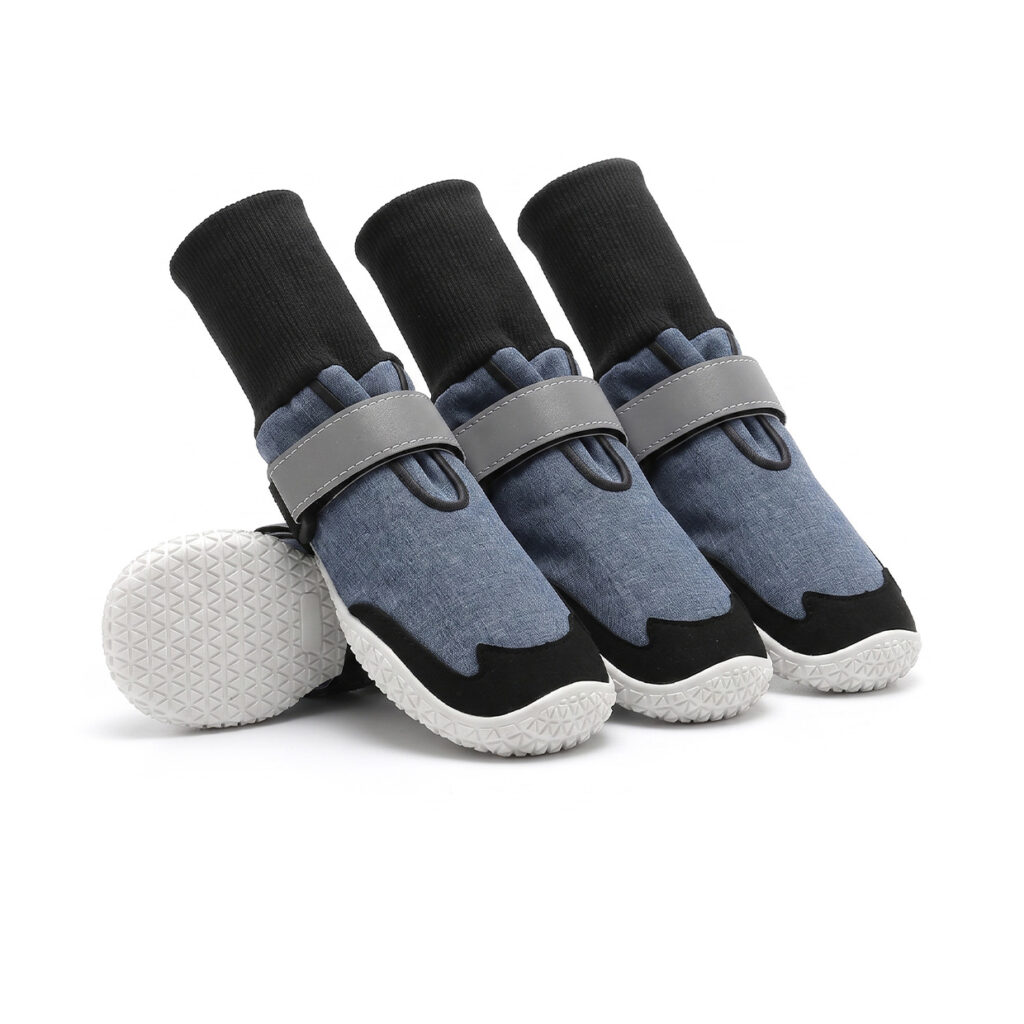
This matters if you’re shopping for neoprene dog socks for paw protection but also want something that can go from a damp situation to normal wear around the house. Some designs combine a neoprene cuff with a breathable body, which handles both jobs reasonably well.
For everyday indoor use, lighter is usually better than a heavily insulated boot. You want to protect the paw and add the right amount of traction without making your dog feel like they’re walking in ski boots.
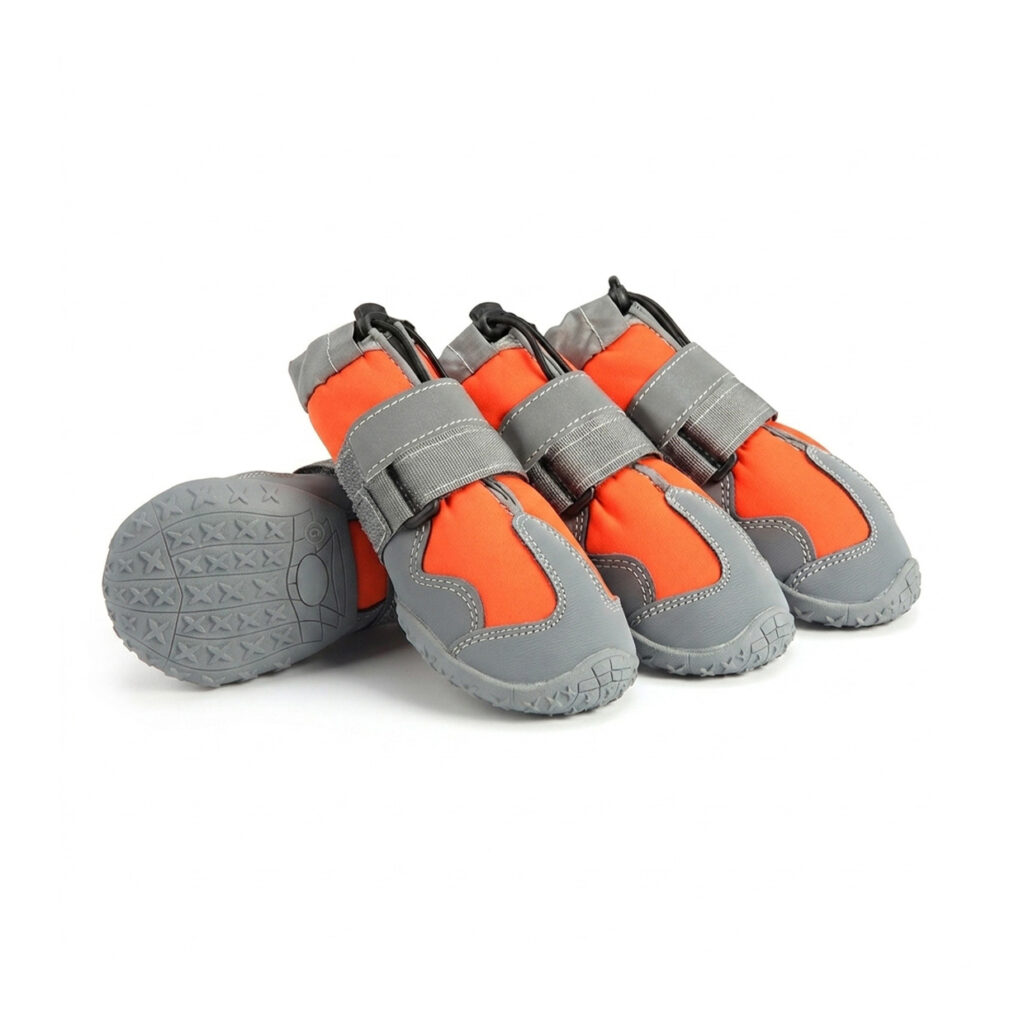
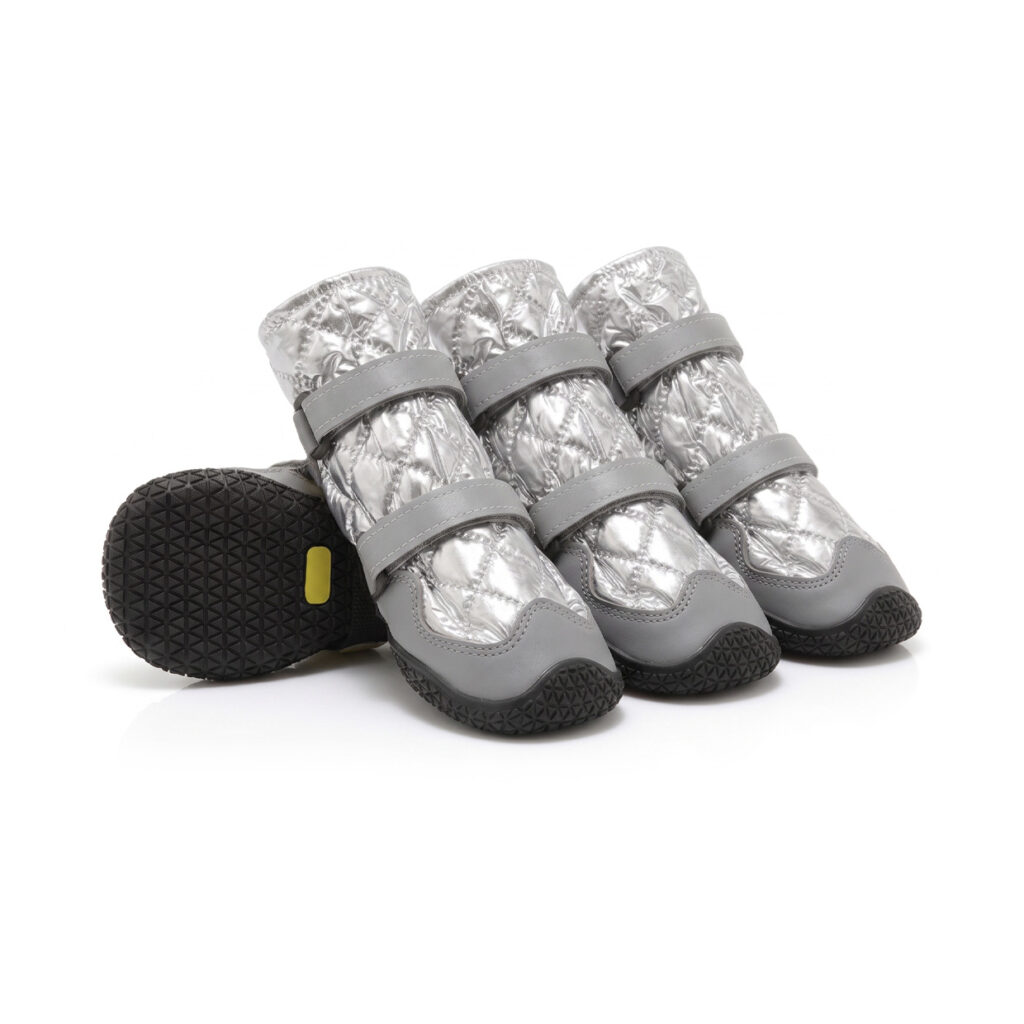
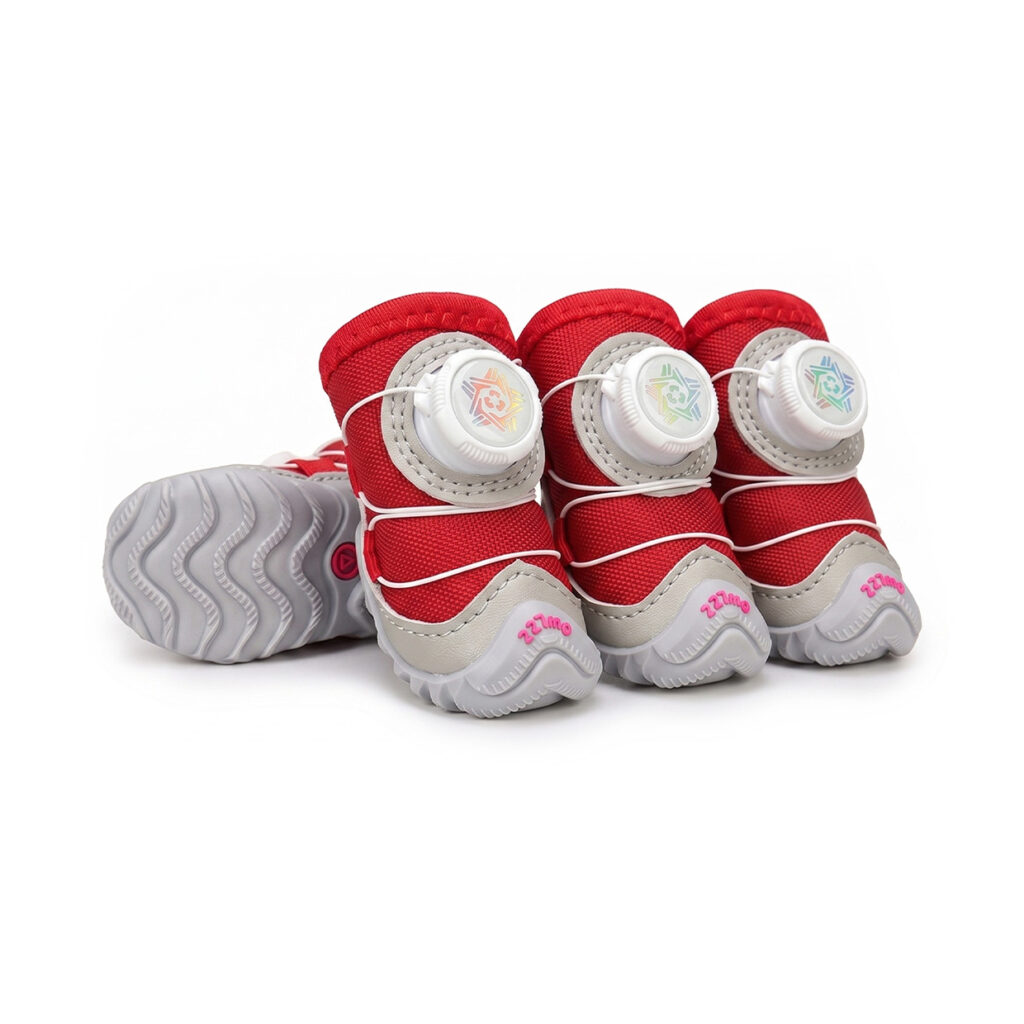
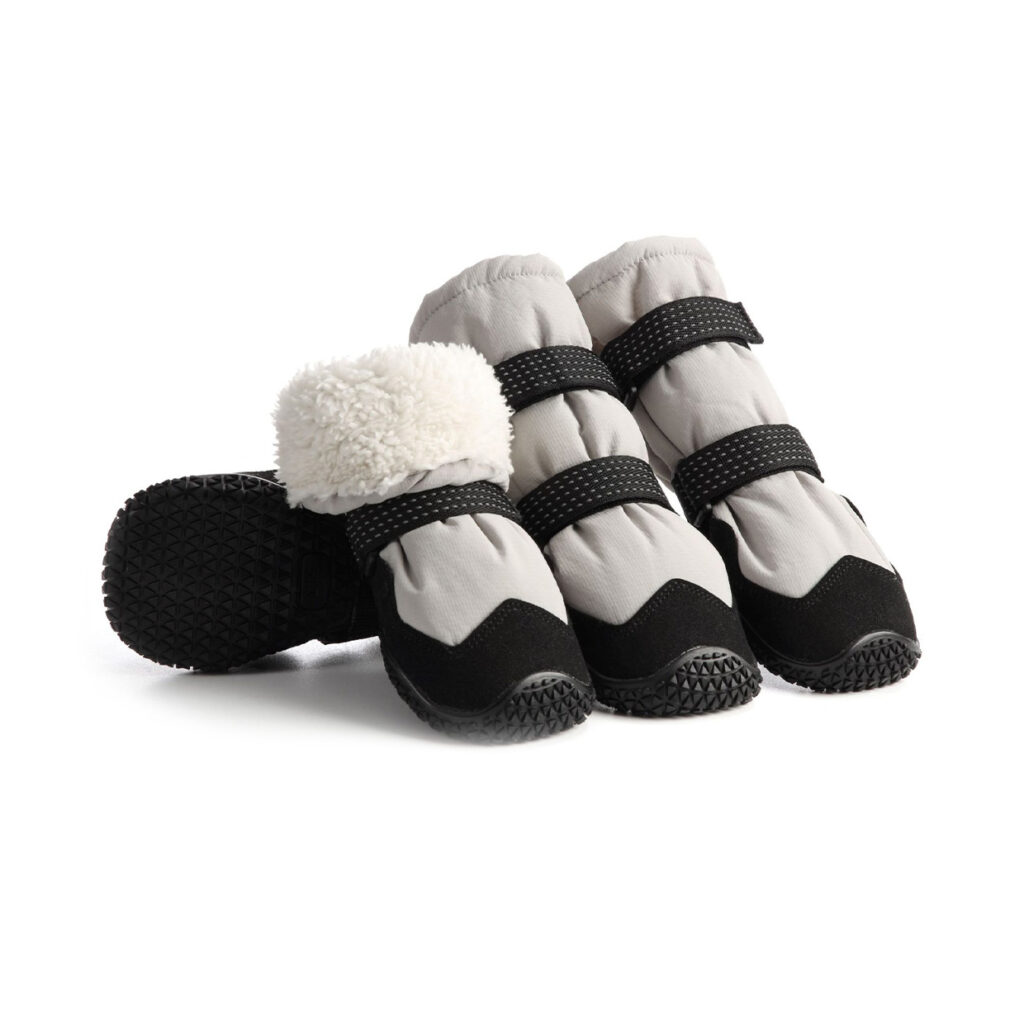
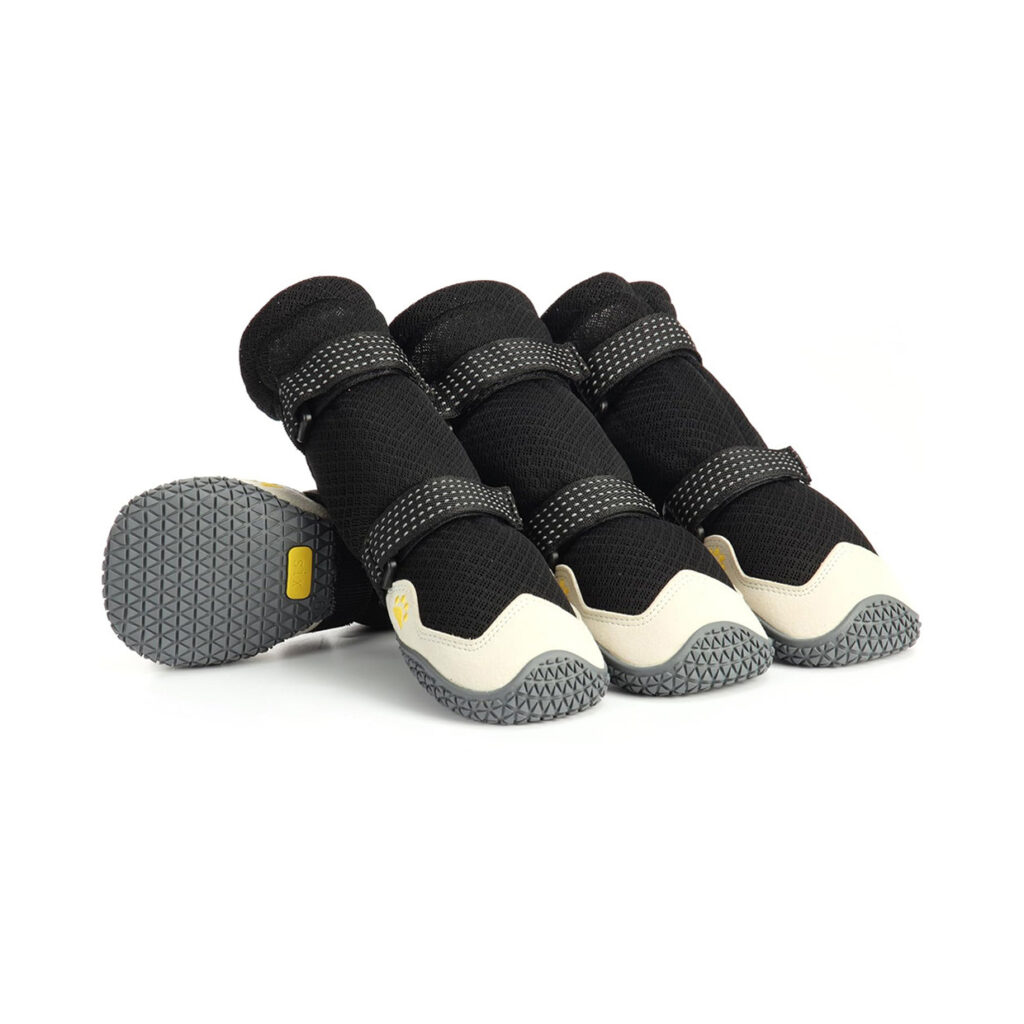
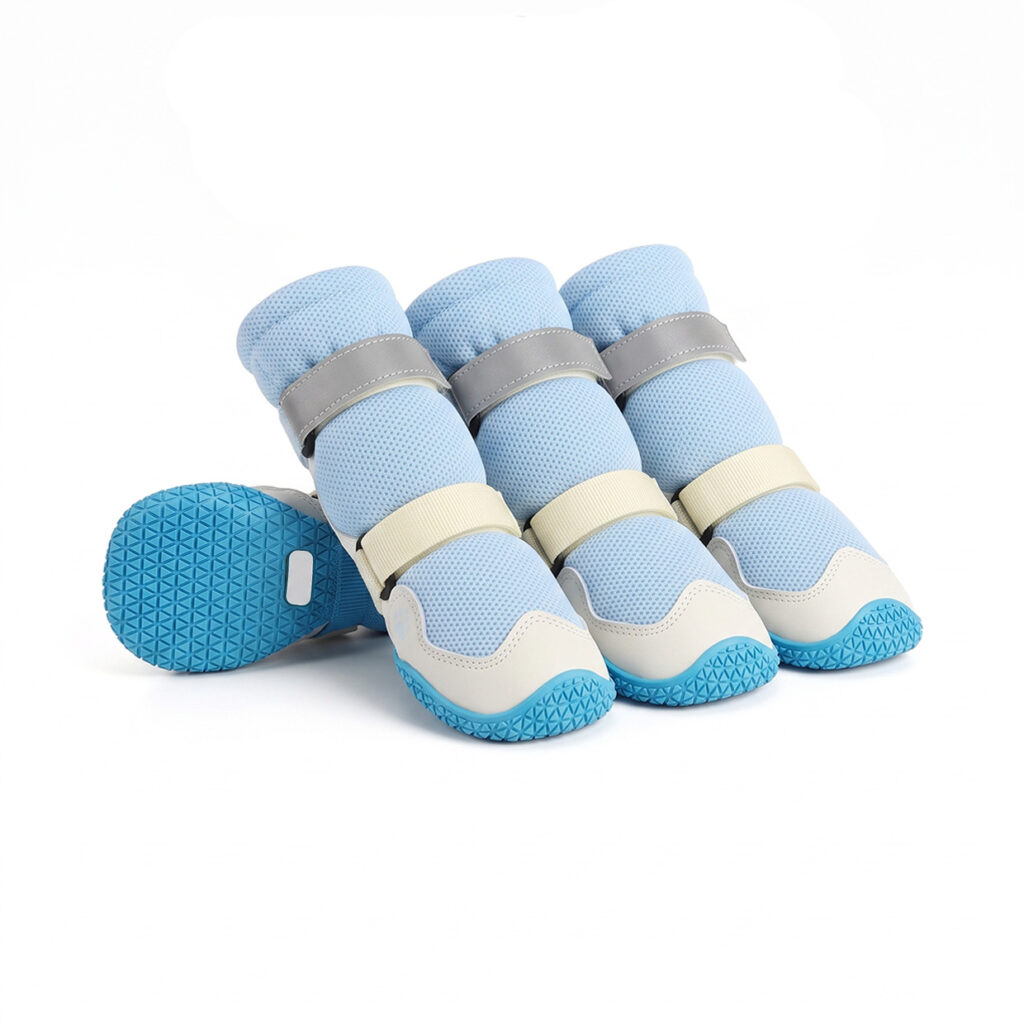
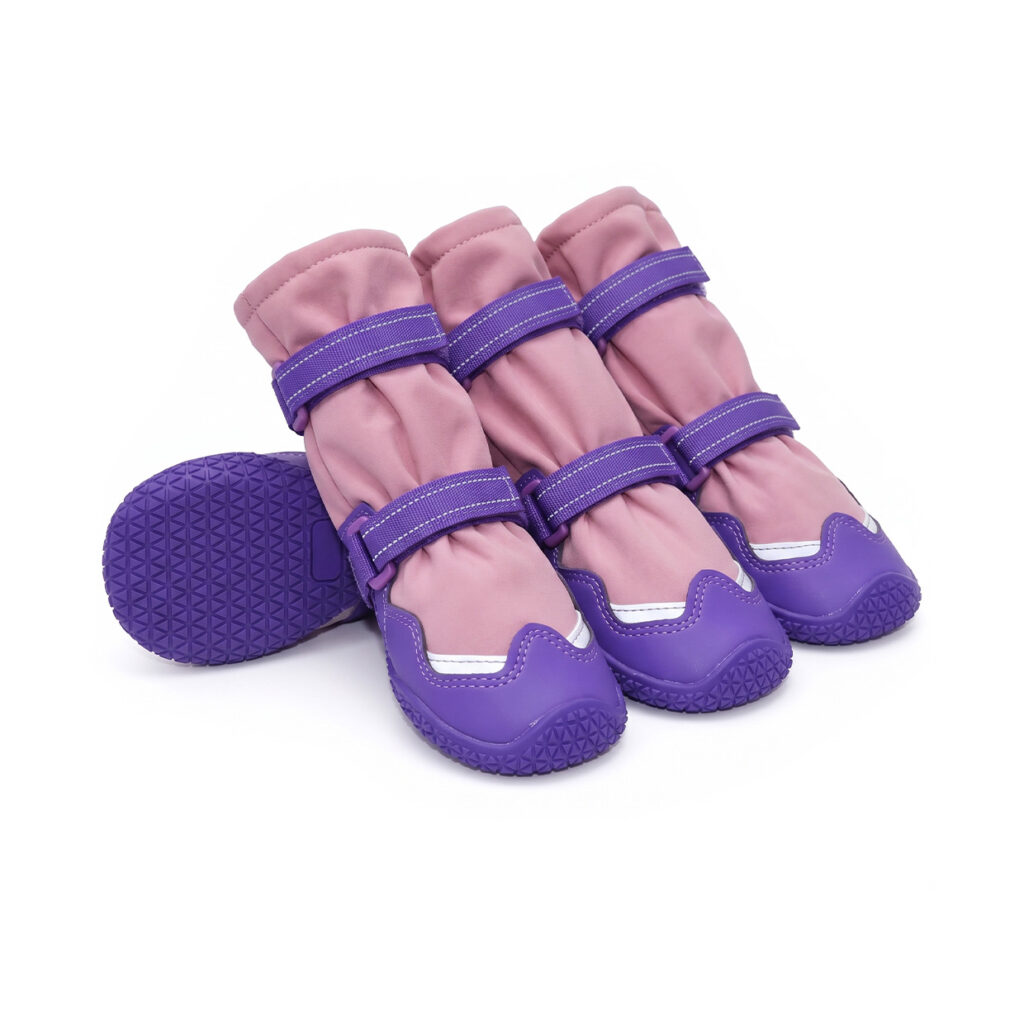
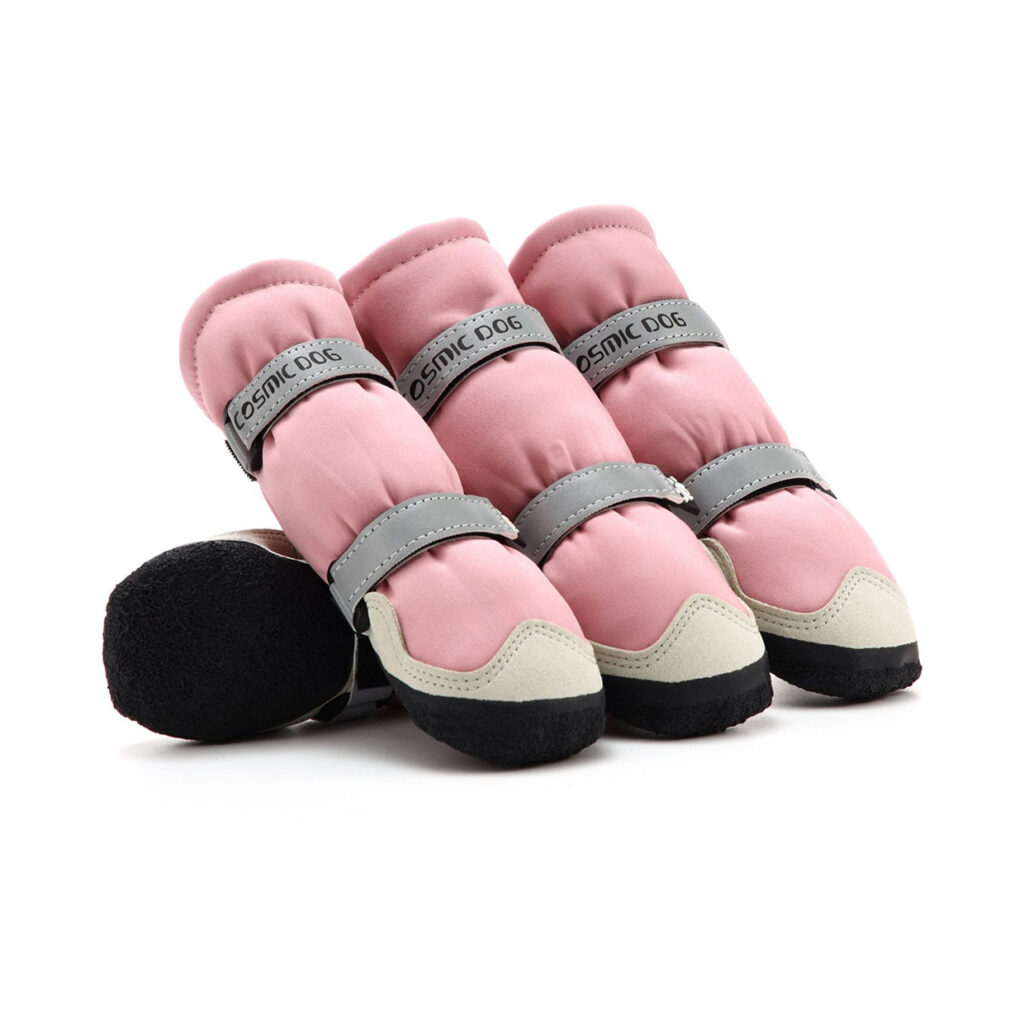
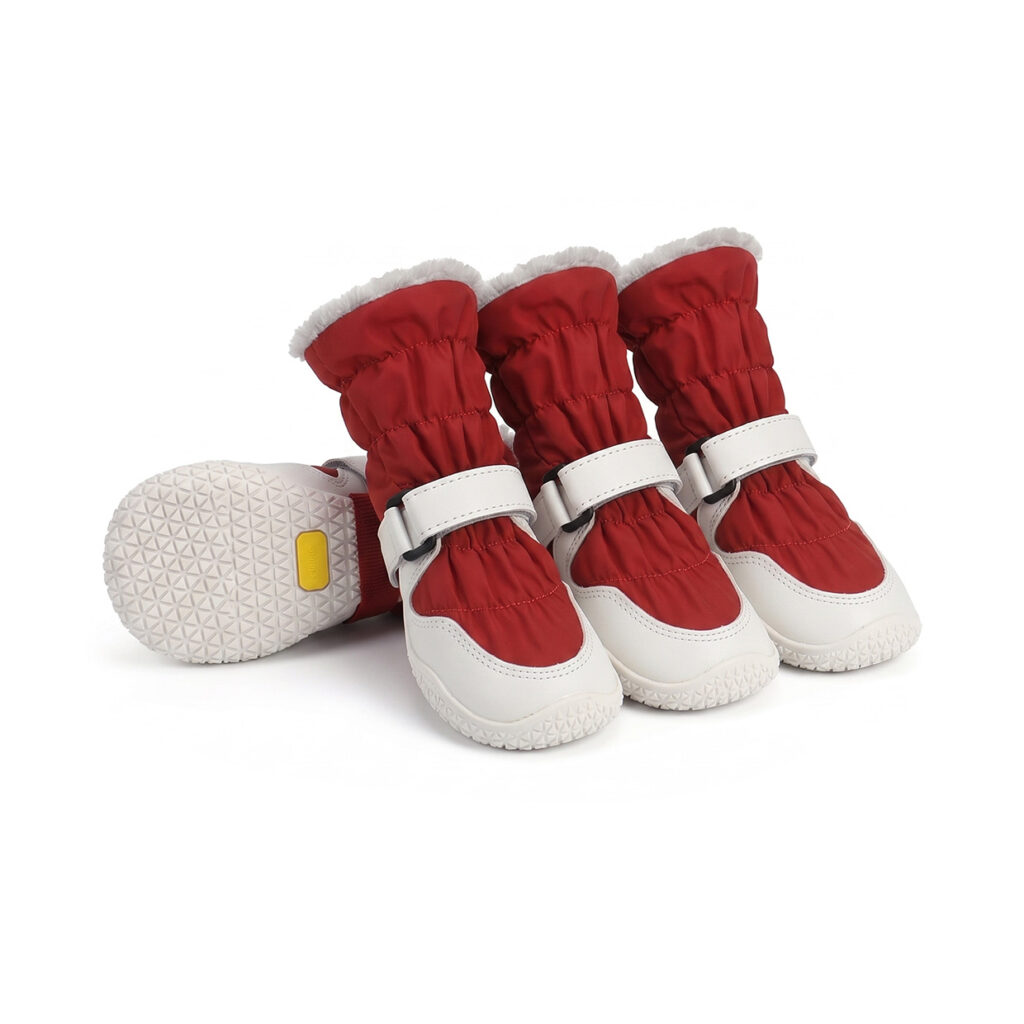
Flexible Water-friendly Dog Shoes
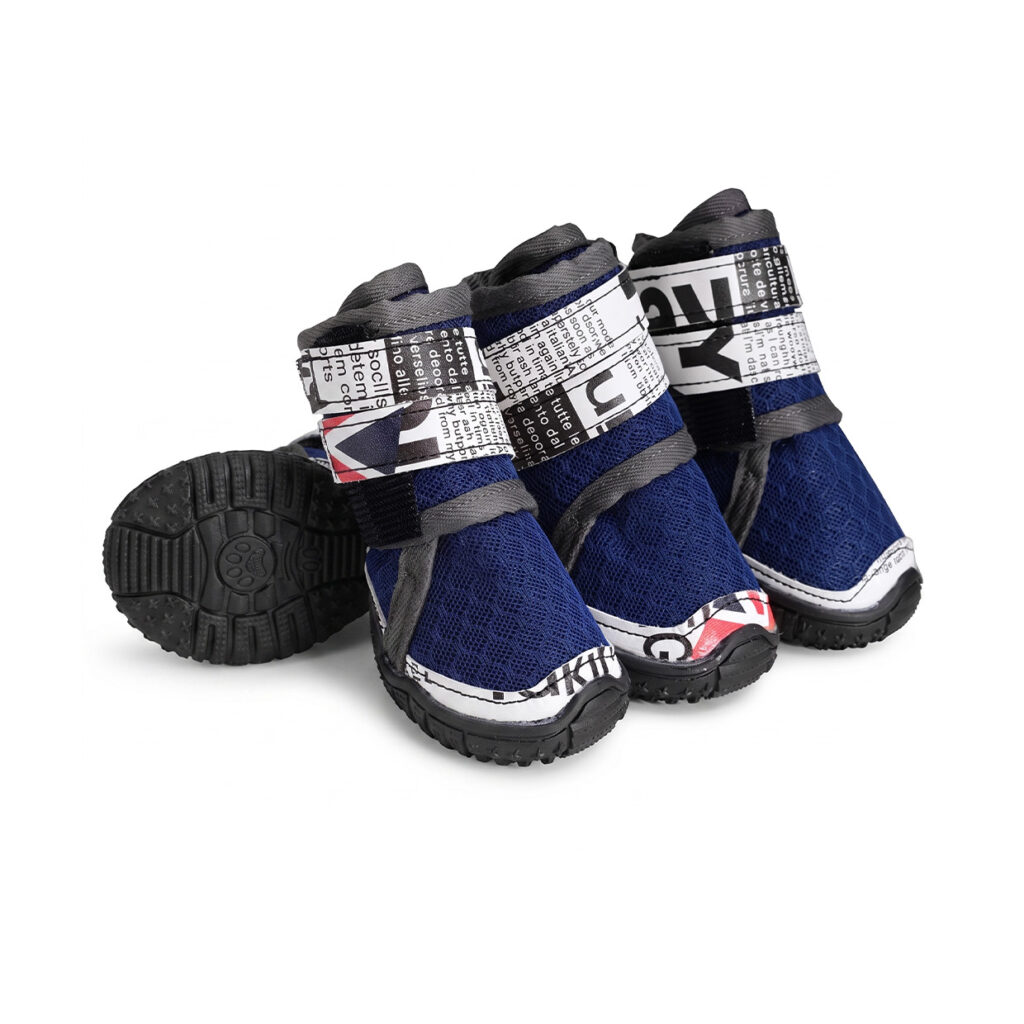
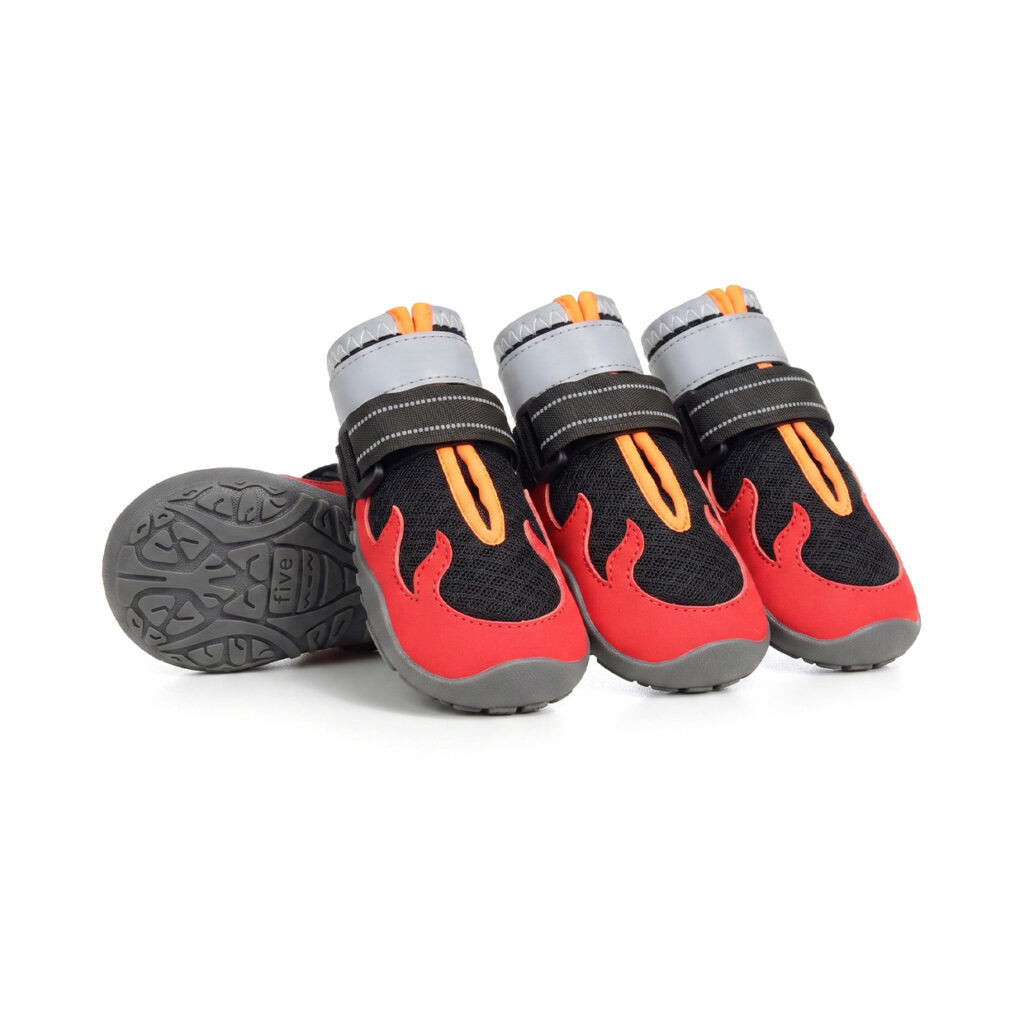
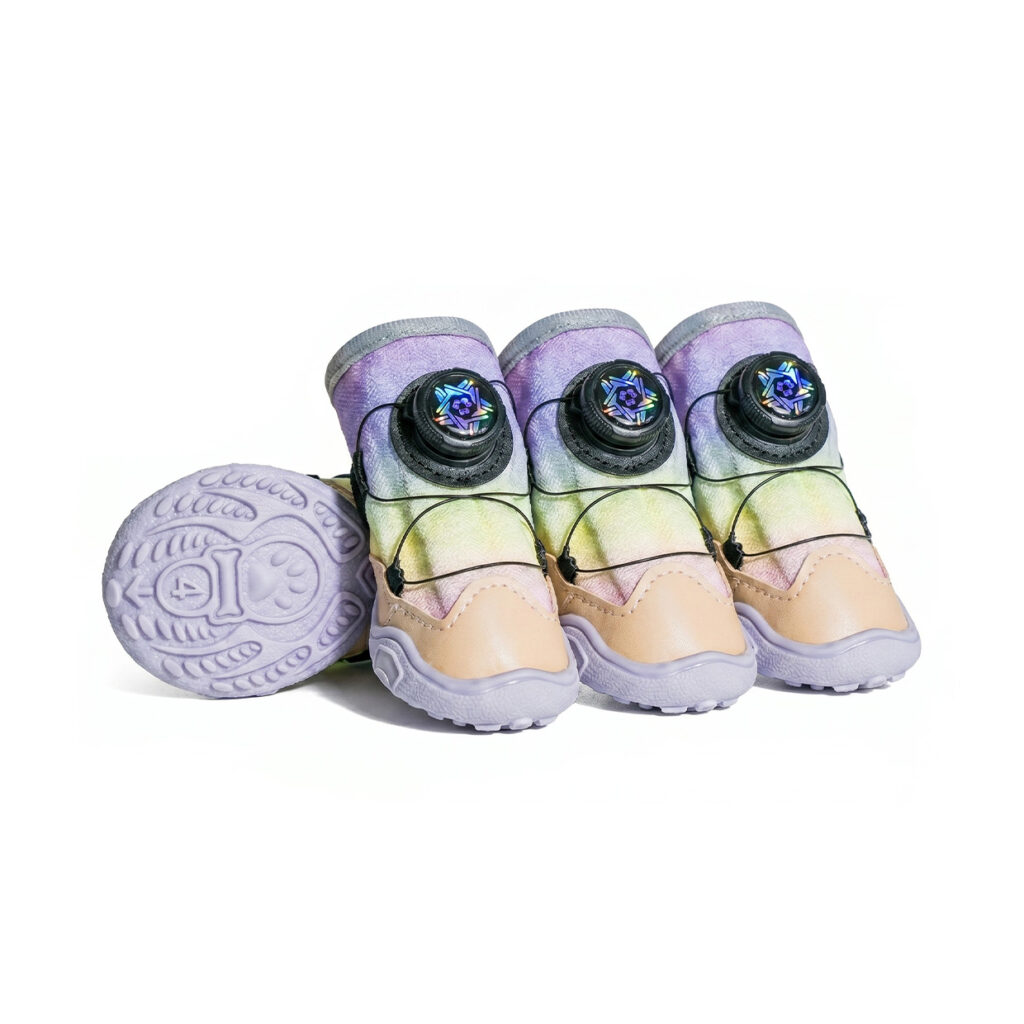
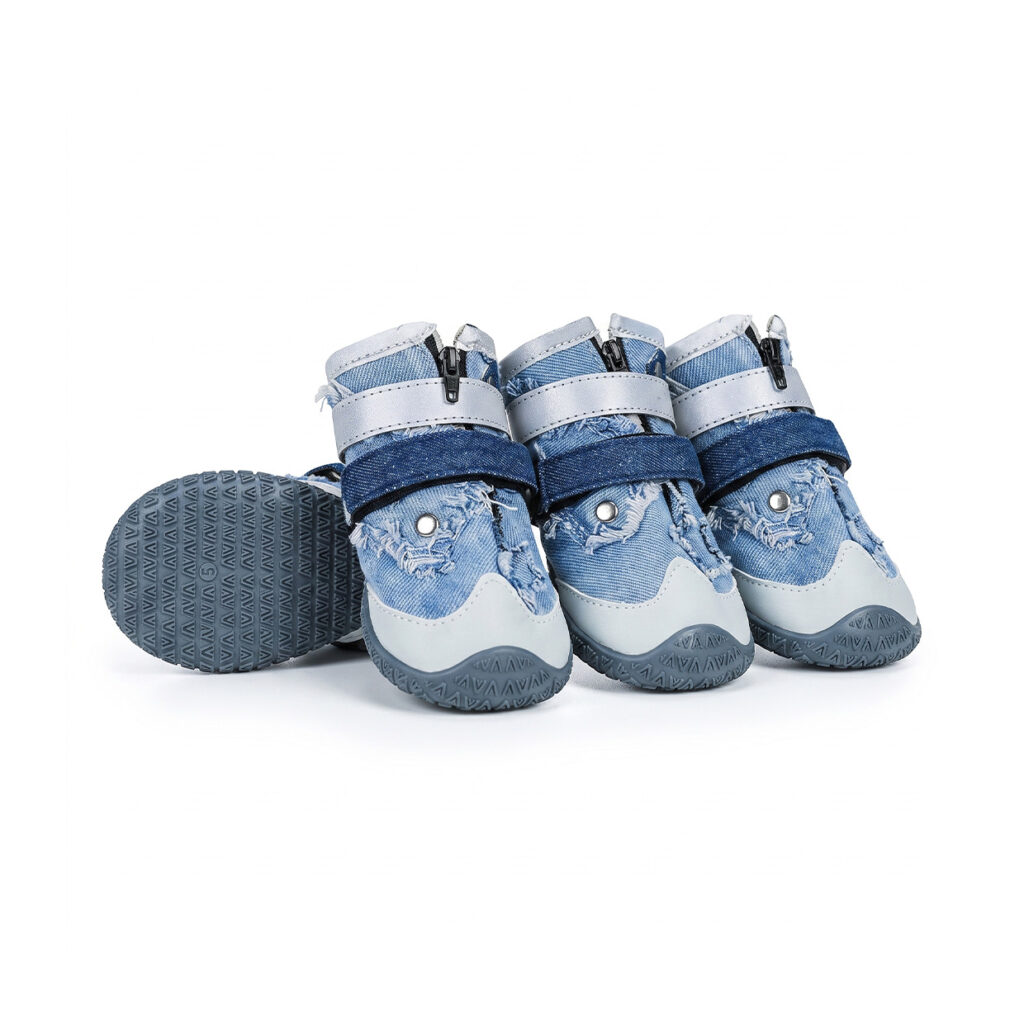
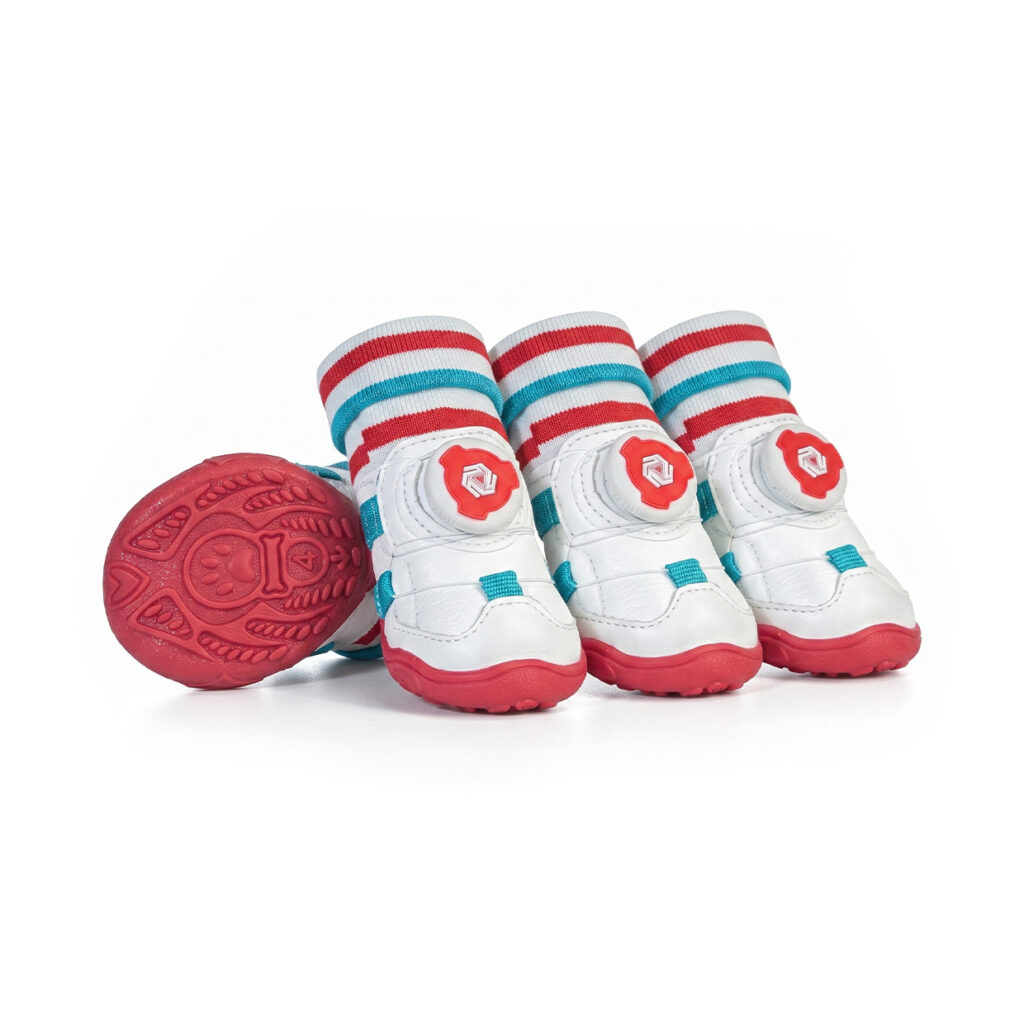
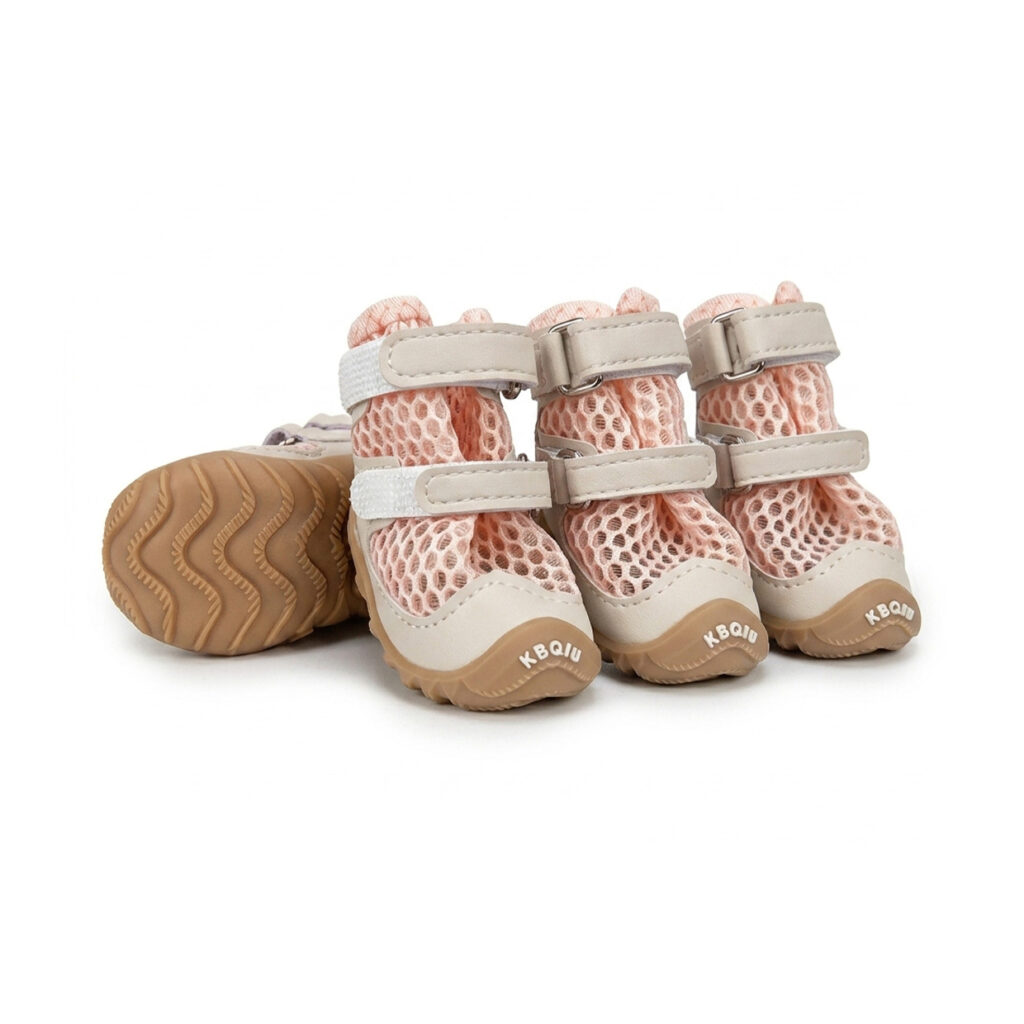
For rougher outdoor conditions, a dedicated boot is usually the better tool:
Protective Outdoor Dog Boots
Indoor Hygiene Defense: How to Keep Dog Paws Clean at Home
Clean paws aren’t only about keeping the cream rug cream. They also cut down on what your dog carries into the spaces where you both live and sleep.
On every walk, paws pick up dirt, moisture, grass seeds, pollen, mud and whatever was sprayed on the neighbor’s lawn. Run your fingers between your dog’s toes after a rainy-day walk and you’ll find a surprising amount of grit. That grit ends up on your floors, furniture and bed.
Most of us who try to keep dogs’ feet clean find the same thing: no single trick works on its own. A simple combination does. Check the paws after walks, wipe or wash when needed, and set up a clear “transition zone” at the door.
Create a Mud-to-Clean Transition
Don’t let a wet dog zoom straight through the house. Set up a small paw station near the entrance instead. A washable mat, a dedicated towel and a basket for indoor footwear are all you need.
A routine that works in real homes looks like this:
- Knock off the obvious stuff. Remove visible mud, leaves and debris.
- Spread the toes. Check between them and around the pads for burrs, grass awns or small stones.
- Dry thoroughly. Pay extra attention to the fur between the pads, where moisture likes to hide.
- Put on clean indoor footwear if your dog wears it.
- Take it off or clean it once your dog reaches their designated indoor area.
This makes it much easier to keep dogs’ feet clean without chasing them around with a wipe five times a day.
One rule we don’t bend: footwear is not a substitute for cleaning. If the paws are visibly muddy, contaminated or wet, clean and dry them first. Putting a clean shoe over a dirty, damp paw just traps the problem inside.
Protect Carpets and Furniture
Clean indoor footwear also acts as a simple barrier between the paw and your floor.
That helps most in homes with light carpets, fabric sofas or bedding you can’t wash every other day. It’s especially handy during rainy seasons or after walks along muddy trails.
If you’re researching how to keep dog paws clean indoors, think about the whole environment too. A good absorbent mat at the door, a towel that only belongs to the dog and a consistent wipe-down habit often make a bigger difference than footwear alone. The shoes work best as the final layer.
Veteran owner tip: On warm days, test the pavement with the back of your bare hand before a walk. If you can’t comfortably hold it there for about seven seconds, it’s too hot for bare paws. Paws that have been stressed by heat or rough surfaces are more prone to cracking and irritation, which makes good paw hygiene matter even more.
Post-Grooming Maintenance: Easy Cleaning for Footwear Longevity
After a bath or a muddy walk, grooming footwear collects its share of shampoo residue, loose fur, mud and bits of the outdoors.
The good news is that most reusable dog footwear is easy to look after, as long as you follow the manufacturer’s care instructions.
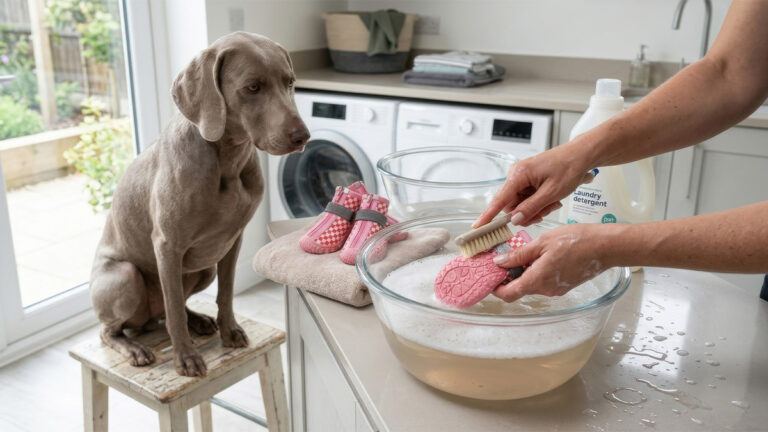
Start by removing visible dirt and hair from the sole, fastening system and seams. Hook-and-loop straps are fur magnets, and an old toothbrush or lint comb clears them in seconds. For washable pairs, rinse off loose residue first, then clean with a mild detergent according to the care label.
Don’t assume every dog shoe can go in the washing machine, the tumble dryer or a long soak. Adhesives, fabrics, strap closures and rubber soles all react differently to heat and water, and a single hot dryer cycle can warp a sole or weaken the glue holding it on.
After washing, let the footwear dry completely in a well-ventilated spot before your dog wears it again. Never store damp shoes in a closed bag or bin. Leftover moisture leads to odors, and it isn’t good for your dog’s paws either.
Paw hygiene matters as much as footwear hygiene, especially for dogs with sensitive skin. Veterinarians often recommend regular paw care and less exposure to environmental irritants for dogs with skin and allergy problems. VCA Animal Hospitals: Dog Skin, Paw & Environmental Allergy Care is a trustworthy veterinary resource if your dog licks or chews its paws a lot after walks.
How to Choose the Best Dog Grooming Shoes
People searching for the best shoes for dog grooming usually mean one of two things: shoes for the dog, or shoes for the person doing the grooming. We’ll cover both, starting with your dog.
For Your Dog: Six Things to Check
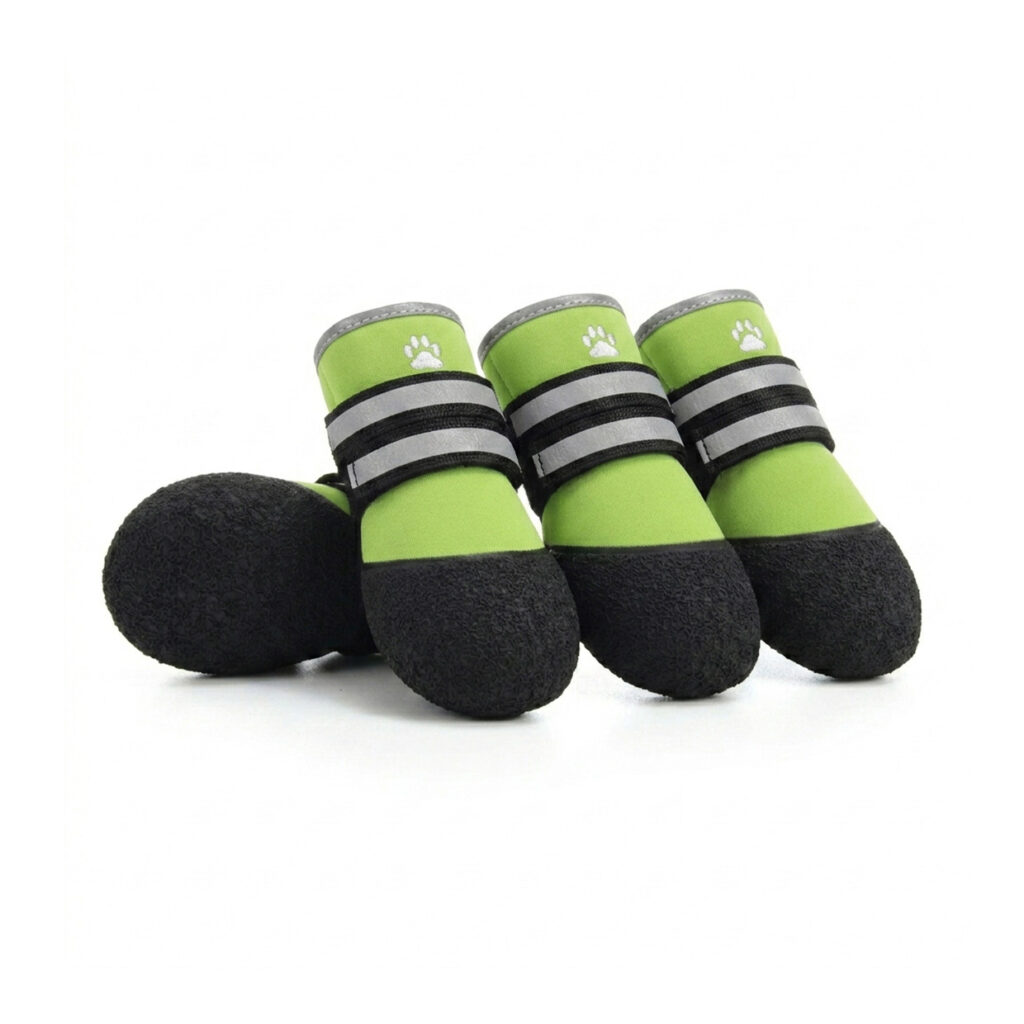
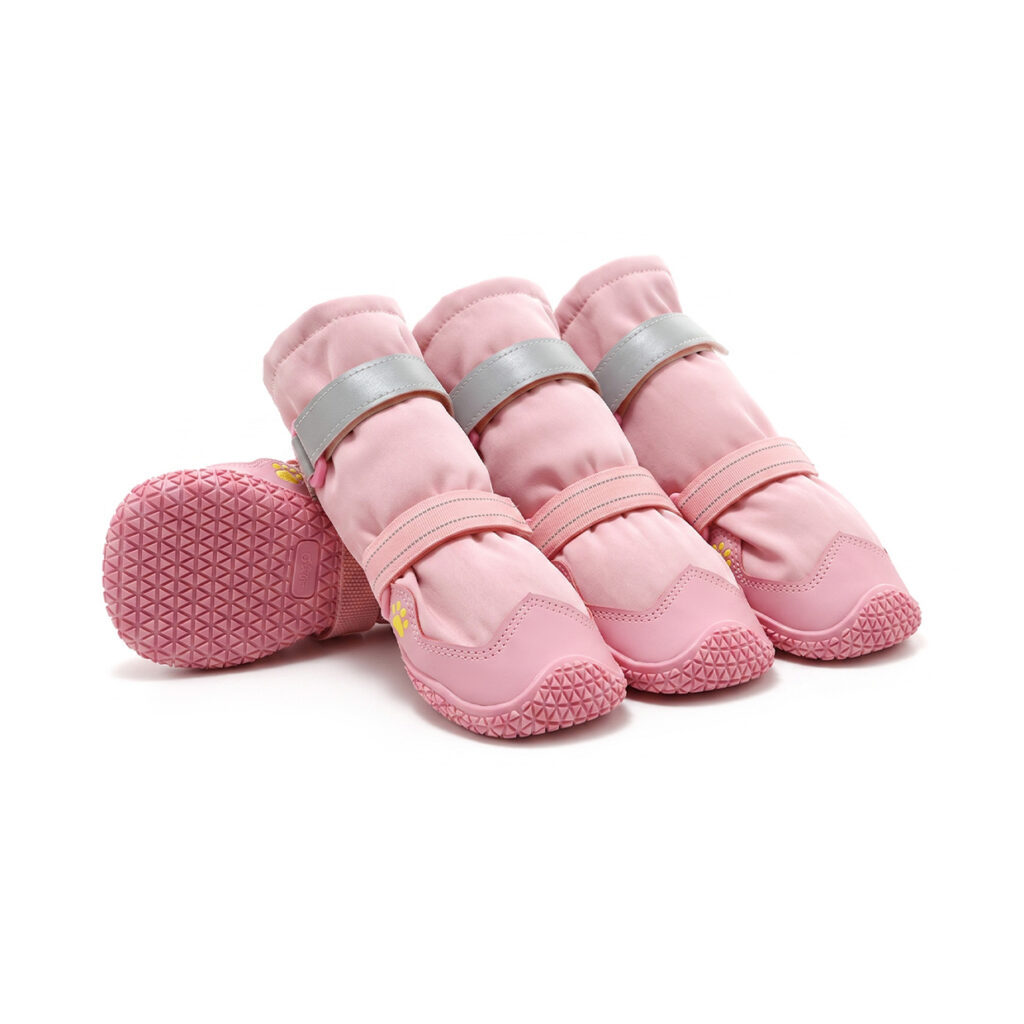
- Wet-Surface Traction: The outsole should be designed to grip when wet. Look for textured or siped rubber patterns. A smooth, generic rubber sole can be nearly as slippery as the tub itself.
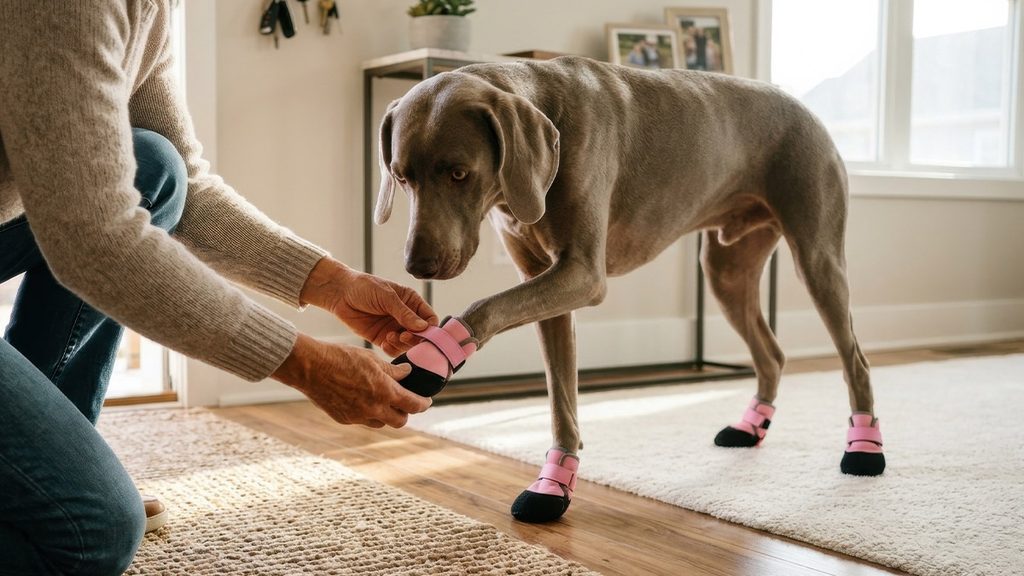
- Secure Fit: The footwear should stay put without squeezing. A loose shoe can twist sideways or fly off mid-bath. An over-tightened strap can press on the paw or lower leg. As a rough rule, you should be able to slip a finger under the strap.
- Appropriate Coverage: More water resistance makes sense for the bath. For short indoor sessions, a lighter, more breathable design is usually more comfortable.
- Easy Cleaning: If the footwear will deal with shampoo, mud or daily indoor wear, it should rinse clean and dry without fuss.
- Natural Movement: Your dog should still be able to stand and walk normally once they’re used to the footwear. Bulky or stiff designs can change their gait, and many dogs simply won’t tolerate them.
- Proper Sizing: Measure the paw while it’s bearing weight. Have your dog stand on a piece of paper and mark the widest points. Then follow the manufacturer’s size chart. Don’t guess from breed or body weight. Two 30-pound dogs can have very different feet.
A properly fitted pair is much more likely to give useful dog traction without becoming a distraction.
Expect the “shoe dance.” The first time you put footwear on most dogs, they lift each foot high in that exaggerated, cartoonish way, as if the floor has turned into hot lava. It’s normal. Start with one or two shoes for a minute or two, give plenty of treats, and stop before your dog gets frustrated. Practice on dry floors for a few days before introducing the shoes in the tub. Most dogs walk normally within a few short sessions.
A Quick Note for Groomers: The Other Kind of Grooming Shoes
If you’re a professional, you know the floor of a busy salon is wet, covered in hair and unforgiving on your feet. The best shoes for dog groomers share a few traits:
- Slip-resistant outsoles rated for wet floors, the same principle we want for our dogs
- Water-resistant, wipe-clean uppers, because hair, shampoo and the occasional shaken-off rinse will find you
- Closed toes to keep out clipped nails and sharp hair
- Solid cushioning and arch support for long days on your feet
Good groomers shoes protect the person holding the dog. A steady groomer means a calmer dog, so shoes for dog groomers matter more than people think.
Dog Grooming Shoes vs. Anti-Slip Socks: Which Should You Choose?
Both have a place in your dog’s wardrobe, but they solve slightly different problems.
If you’re still deciding between grip socks, lightweight shoes, or outdoor boots, read our comprehensive dog paw wear guide for a complete breakdown of each category.
Choose Grooming Shoes When:
- Bathing or rinsing is the main use
- Paws will deal with a lot of moisture
- You want more coverage around the paw
- Mud and outdoor debris are your biggest headache
- You need a sturdier, more protective outsole
- The footwear will be used in wet grooming setups
Choose Anti-Slip Socks When:
- The main problem is sliding on dry hardwood
- Your dog needs lightweight indoor traction
- You want minimal bulk
- Your dog only needs occasional indoor paw protection
- Breathability matters more than water resistance
If you’re researching anti slip for dogs feet, match the product to the surface and the activity. Senior dogs and dogs with mobility issues often do best with grippy socks or paw grippers for dogs on everyday floors. If your dog’s slipping seems linked to weakness or joint pain, have your vet check it out.
Don’t assume a sock designed for dry hardwood will hold up in a wet bathtub. On the other hand, a heavy-duty outdoor boot is probably overkill for a dog that only needs a bit more grip crossing the living room.
Frequently Asked Questions (FAQ)
Can dogs safely wear grooming shoes in the bathtub?
Yes, if they fit well and are made for wet surfaces. “Water-resistant” isn’t enough on its own. The sole needs to grip a wet tub, and the shoe needs to stay put without squeezing.
Watch your dog closely the first few times. If the shoe twists, your dog licks at it constantly, you see redness, or the gait looks off, take it off and recheck the fit. Some dogs never get comfortable in footwear, and that’s fine. A good non-slip bath mat works well for them.
Do dog grooming shoes replace the need to wash paws after walks?
No. Shoes reduce how much grime reaches the paw, but you still need to check paws and clean them when they’re dirty.
The routine that works: check after walks, remove debris, clean if needed, and dry thoroughly before putting on clean indoor footwear. Think of the shoe as a backup layer, not a shortcut.
Are neoprene dog boots suitable for bath sessions?
They can be great for baths, as long as the specific pair is built for wet use and has a non-slip sole.
Neoprene dog boots are flexible and resist water well, but they aren’t completely waterproof. Water can still get in through seams, cuffs and closures. Check three things: wet grip, a snug fit and easy cleaning. A boot that keeps water out but slides on wet acrylic won’t help in the bath.
Will wearing shoes inside the house make my dog’s paws sweaty?
They can, especially if your dog wears them for hours in a warm room. Dogs sweat partly through their paw pads, so ventilation matters.
Breathable fabrics and mesh panels help a lot compared with fully enclosed, insulated designs. For indoor use, take the footwear off now and then and check for redness, dampness, odor, swelling or irritation.
There’s also no need to keep shoes on all day. If your dog only needs dog paw grips for hardwood floors for specific moments, such as zoomies, stairs or getting up from a nap, use them for those moments and give the paws a break the rest of the time.
How do I choose between indoor grooming shoes and anti-slip socks?
Start with the surface and the activity. Wet baths and muddy entryways call for a grooming shoe with a water-resistant upper and a wet-grip sole. Slipping on dry hardwood or laminate usually just needs a lightweight anti-slip sock. If your dog spends a lot of time on rough outdoor terrain, a dedicated protective boot will outperform any all-in-one option.
Here’s a quick cheat sheet:
| Your Need | Best-Suited Option |
|---|---|
| Wet bathtub grooming | Water-resistant grooming shoes |
| Dry hardwood traction | Anti-slip dog socks |
| Muddy outdoor walks | Protective dog boots |
| Light indoor paw protection | Lightweight socks or shoes |
| Maximum water resistance | Water-resistant boot construction |
| Maximum breathability | Lightweight mesh footwear |
The best anti slip for dogs is the one matched to where your dog actually slips.
A Simple Dog Grooming Footwear Routine
You don’t need another complicated pet-care checklist. This five-step routine fits into a normal week:
- Before grooming: Check the paws for injuries, heavy debris or irritation. If you find a cut or sore spot, skip the footwear and ask your vet.
- During bathing: Use a stable, non-slip surface. Add footwear only if your dog tolerates it and it’s designed for wet conditions.
- After bathing: Take off the footwear, rinse away any shampoo, and dry the paws thoroughly, including between the toes.
- After outdoor walks: Check the pads and the spaces between the toes. Clear mud, grass and debris before your dog heads for the carpet or sofa.
- After use: Clean the footwear according to its care label and let it dry completely before you put it away.
Used this way, dog grooming shoes become one part of your dog’s overall paw care, alongside cleaning, drying and regular checks, not a gadget you try once and forget in a drawer.
Transform Grooming Day into a Calm, Spotless Experience!
Say goodbye to the splash-and-scramble routine in the tub and to muddy paw prints across the house. Whether your dog needs extra confidence at bath time or a clean barrier against dirt and moisture indoors, the right footwear makes everyday paw care much easier.
Explore our versatile Dog Shoes and Dog Boots, designed for different mixes of traction, paw protection, water resistance and everyday indoor comfort.