Free Shipping on All Orders | 30-Day Easy Returns
Dog Boot Use and Comfort: Why Socks Are the Secret
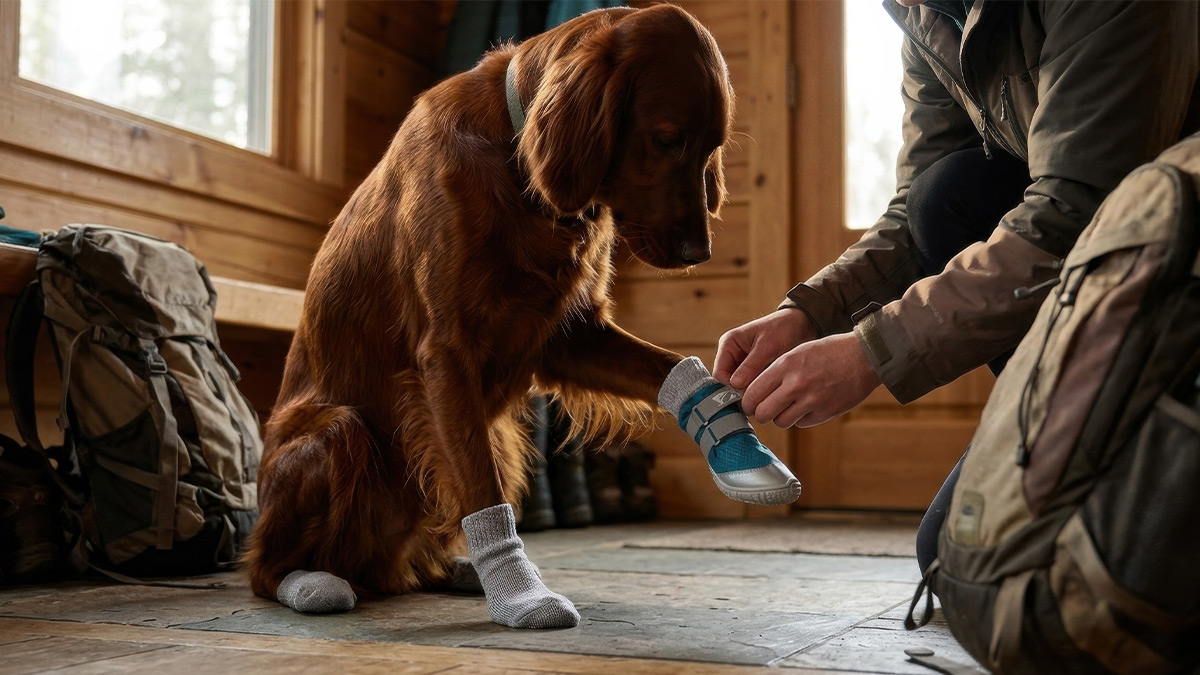
Table of Contents
Optimizing dog boot use and comfort often comes down to one small piece of gear most owners skip: a thin, well-fitted pair of dog boot liners.
Picture a serious hiker lacing up stiff mountaineering boots. They’d never put them on barefoot. The rugged outer boot handles rocks, mud, and weather, and a soft technical sock takes care of sweat and rubbing against the skin. Dogs wearing boots for hiking, snow, hot pavement, or long walks can benefit from the same layering idea.
When a boot sits directly against fur, skin, and dewclaws, every small shift inside it becomes a little rub. Add a damp paw, a slightly-off fit, or a rough inner seam, and that rubbing turns into a sore spot faster than you’d expect. You might notice your dog stopping on the trail to lick one ankle. Or you might pull off a boot and find a flattened, pink patch of fur.
A thin, breathable liner gives the paw a smoother surface to rest against. The liner has to fit correctly, though. A sock that’s too thick, too tight, or too warm can cause new problems instead of solving the old one.
This guide covers:
- How dog boot liners work
- When dogs should wear socks with boots, and when they don’t need them
- How liners help with dewclaw rubbing
- Breed-by-breed tips for Dachshunds, Pomeranians, Frenchies, Golden Retrievers, German Shepherds, and Great Danes
Dog Boot Use and Comfort: Why Canine Paws May Benefit From a “Boot Liner”
Outdoor gear for people uses layers for a good reason. The outer shell handles the environment, and the inner layer handles contact between foot and boot.
Dog footwear works the same way. A rugged dog boot might have a grippy outsole, a weather-resistant upper, and a structured cuff. Those features are great on the trail. They don’t guarantee that the inside of the boot feels good against every paw.
Understanding Micro-Friction and Shear
A paw never stays perfectly still inside a boot. When your dog trots, pivots after a squirrel, or scrambles up a rocky step, the paw shifts slightly against the inner surface, even if the boot looks secure from outside.
Thousands of those small shifts on one walk create friction and shear. The force concentrates around the ankle, heel, the soft skin between the toes, and the dewclaw.
That’s why how to keep dog boots from rubbing isn’t just a matter of tightening the strap. A tighter strap can reduce movement, but too much tension creates pressure points. Aim for controlled contact: the boot stays stable without squeezing.
Filling Small Amounts of “Dead Space”
Paws aren’t neat geometric shapes. Toe length, paw width, fur density, ankle size, and dewclaw position all vary from dog to dog, and sometimes from front paw to back paw on the same dog.
So even a correctly sized boot can have small gaps inside. A thin liner smooths the transition between the paw’s uneven shape and the boot’s structured interior.
It doesn’t replace correct sizing. If a boot is too big or too small, a thick sock usually makes things worse. Also keep in mind that boot sizing isn’t universal. It changes between brands and even between models from the same brand, so always measure against the chart for the specific boot you’re buying.

The best dog boot liners are thin, stretchy, smooth against the skin, and snug enough to stay put without bunching.
For a quick, dry loop around the block, many dogs don’t need a liner. For long hikes, wet days, or dogs who tend to rub at the ankle and dewclaw, a well-fitted liner is a useful extra layer.
5 Reasons Wearing Socks Inside Boots Can Elevate Comfort & Fit
“Should dogs wear socks with boots?” has no single answer for every dog. A better question is whether the combination improves your dog’s fit, friction, moisture, and willingness to wear the gear.
Here are five situations where a liner can make a real difference.
1. Preventing Dewclaw Irritation & Inner-Seam Chafing
Dewclaws sit on the inner side of the front legs, a little above the paw. On many boots, that’s right where the strap, cuff edge, or stiff opening lands.
A smooth sock puts a soft barrier between the dewclaw area and the boot interior. The liner takes the contact from a rough seam or Velcro edge instead of the same small patch of skin.
That’s a practical answer to how to protect dewclaws inside dog boots. Be clear about its limits, though. A liner reduces direct rubbing, but it doesn’t spread out strap pressure. If the strap presses hard on the dewclaw, you’ll still need to move it. Adjust the strap so it holds the boot securely without crossing directly over the dewclaw.
If you take the boots off and see redness, swelling, fur loss, or a dewclaw your dog flinches about, stop using them and reassess the fit.
For a deeper look at friction problems, see our guide on how to stop dog boots from rubbing paws and causing blisters.
2. Managing Moisture and Reducing Paw Maceration
Moisture is a big part of dog boot use and comfort that owners often overlook.
Dogs have sweat glands in their paw pads, though they cool down mainly by panting. Paws also get wet from rain, snow, dewy grass, puddles, and water that sneaks in at the cuff. If you’ve ever pulled a boot off after a long winter walk and felt that clammy, cold-sock dampness on the fur, you’ve seen this firsthand.
Skin that stays wet for a long time softens (that’s maceration) and is easier to rub raw. Moisture doesn’t automatically cause blisters or infection. It does make a slightly-off fit much more irritating.
A breathable liner can absorb or move some moisture away from the skin, depending on the fabric:
- Cotton feels soft and works well for short, dry outings, but it holds moisture once it’s wet.
- Technical knits (moisture-wicking synthetics or merino blends) usually dry faster on longer or wetter adventures.
The outer boot matters just as much. Fully waterproof styles like wellington boots for dogs or rubber wellies dog boots keep puddles out, but they also keep sweat in. That makes a breathable liner especially helpful inside them.
Learn how to balance waterproofing and breathability in our Waterproof vs. Breathable Dog Boots Fabric Guide.
You’re not trying to keep the paw bone-dry. You’re trying to avoid hours of dampness combined with rubbing, heat, and tight squeezing.

3. Helping Reduce Boot Spin and Slipping
A boot that spins around the paw is a friction machine. Each twist moves the seams and straps onto a new patch of skin. Over a long hike, those small rotations add up.
A well-fitted liner can sometimes improve how the paw and boot interact by giving the boot a more consistent surface to grip than slick fur.
This is where should dogs wear socks with boots becomes a very individual question. Some dogs feel noticeably more stable with a liner. For others, the sock makes the boot too snug or changes the fit badly.
The boot should stay on because it fits and is well built, not because you’ve wedged a sock in to fill a gap.
If your dog’s boots keep sliding down or spinning, fix the underlying fit first: dog boots keep falling off.
4. Improving Fit for Slim or Large-Breed Paws
Body shape can make boot fitting tricky in ways breed charts don’t always capture.
A Great Dane can have a huge paw on a comparatively slim lower leg. A German Shepherd’s sturdy paw often comes with a different ankle profile. A Golden Retriever’s fluffy, feathered feet can need a wider footprint than the leg suggests.
Small dogs have their own challenges. Dachshunds, Pomeranians, and French Bulldogs need close attention to both paw size and the boot opening.
That’s why owners search for things like booties for golden retrievers with socks and the best boot liners for large breed dog boots. They’re trying to solve a specific mix of paw size, leg shape, and boot design.
A liner can take up a small amount of extra room, but it should never be used to make an oversized boot work. Whatever the breed, follow our guide on how to measure dog paws and train them to wear shoes instead of choosing by breed or weight alone.
5. Making the On-and-Off Process Smoother
If you’ve ever heard a small tick as your dog’s nail caught on a loose thread inside a boot, then felt them pull back, you know how quickly a dog can decide boots are bad news.
A smooth liner wraps the nails and fur so they slide into the boot instead of snagging on seams or folded fabric. For dogs who are still deciding how they feel about footwear, a smoother on-and-off routine makes a real difference.
Positioning matters, though. A sock bunched around the toes creates its own pressure points. Smooth it flat before the paw goes into the boot.
A good setup feels controlled, not compressed: the paw goes into the liner, the liner lies flat, and the boot closes around both without strain.

Breed-by-Breed Liner Notes
Every dog is an individual, but certain body types tend to have predictable footwear quirks. Use these notes as a starting point and let your measurements make the final call.
| Breed | Common Fit Quirk | Liner Tip |
|---|---|---|
| Dachshund | Short legs keep paws and belly close to snow, salt, and slush | A thin liner under dachshund winter boots adds comfort without bulk on small paws |
| Pomeranian | Dense fur on the feet can bunch inside small boots | Trim the excess fur between the pads, then use the thinnest liner available |
| French Bulldog | Wide paws, sturdy short legs, and toes that may point outward | Prioritize toe-box width, and avoid warm liners in hot weather because Frenchies overheat easily |
| Golden Retriever | Feathered fur between the toes collects ice balls and burrs | A liner keeps that fur flat and smooth inside the boot |
| German Shepherd | Tough pads, active lifestyle, long trail days | A thin technical liner helps with moisture on long hikes |
| Great Dane | Big paws, heavy body weight, comparatively slim lower legs | Make sure the liner cuff sits smoothly under the boot opening and doesn’t fold |
Small breeds: Dachshunds, Pomeranians & Frenchies
Wiener dogs live close to the ground. On a snowy sidewalk, their paws, chest, and belly all meet the cold and salt. When you shop for dachshund dog boots or dachshund shoes for dogs, pay close attention to the ankle opening. Small, slim legs make it easy for a boot to gap at the top, and a thin liner can help smooth that transition. Plenty of owners shop for wiener dog boots or weenie dog shoes by breed name, but the paw measurement still decides the size.
Pomeranian dog boots and pomeranian dog shoes come with a fur challenge. Those fluffy feet can bunch and fold inside a boot. A neat trim between the pads, plus the thinnest liner you can find, keeps the fit clean. Don’t shave close to the skin, though.
For French bulldog boots, French bulldog booties, or Frenchie shoes, width usually matters more than length. Frenchies tend to have broad paws and may have toes that turn slightly outward. Short-coated Frenchies feel the cold, so winter boots for French bulldogs with a thin liner make sense in snow. In summer, skip warm liners entirely, because brachycephalic breeds overheat easily.
Large breeds: Goldens, German Shepherds & Great Danes
When you’re comparing booties for golden retrievers, think about the fur between the toes. In winter, it collects ice balls the size of marbles, and a dog will stop mid-walk to chew at them. A boot and liner together keep that fur dry and flat.
Do German Shepherds need boots? Not on every walk. Their pads are tough. Boots help on hot pavement, salted or icy sidewalks, sharp rocky trails, and during working-dog tasks. When you choose German Shepherd boots, German Shepherd booties, or shoes for German Shepherd dogs, add a thin liner for long, active days, when sweat and friction build up the most.
Great Dane boots, Great Dane shoes, and Great Dane snow boots carry a lot of body weight with every step. Choose a sturdy sole and a cuff that closes smoothly. If you use a liner, make sure it doesn’t fold at the top of the boot. On a dog that size, a small wrinkle can turn into a real pressure point quickly. Whether you’re shopping Great Dane dog boots for the trail or Great Dane winter boots for slushy streets, measure all four paws, because fronts and backs often differ.
A note on leather and style boots
Leather dog boots, leather dog shoes, leather dog moccasins, and loafers for dogs look great, but leather stretches less than technical fabric, and stitched seams can be stiffer. A thin liner adds a soft layer inside, and it helps a lot while the leather is still breaking in.
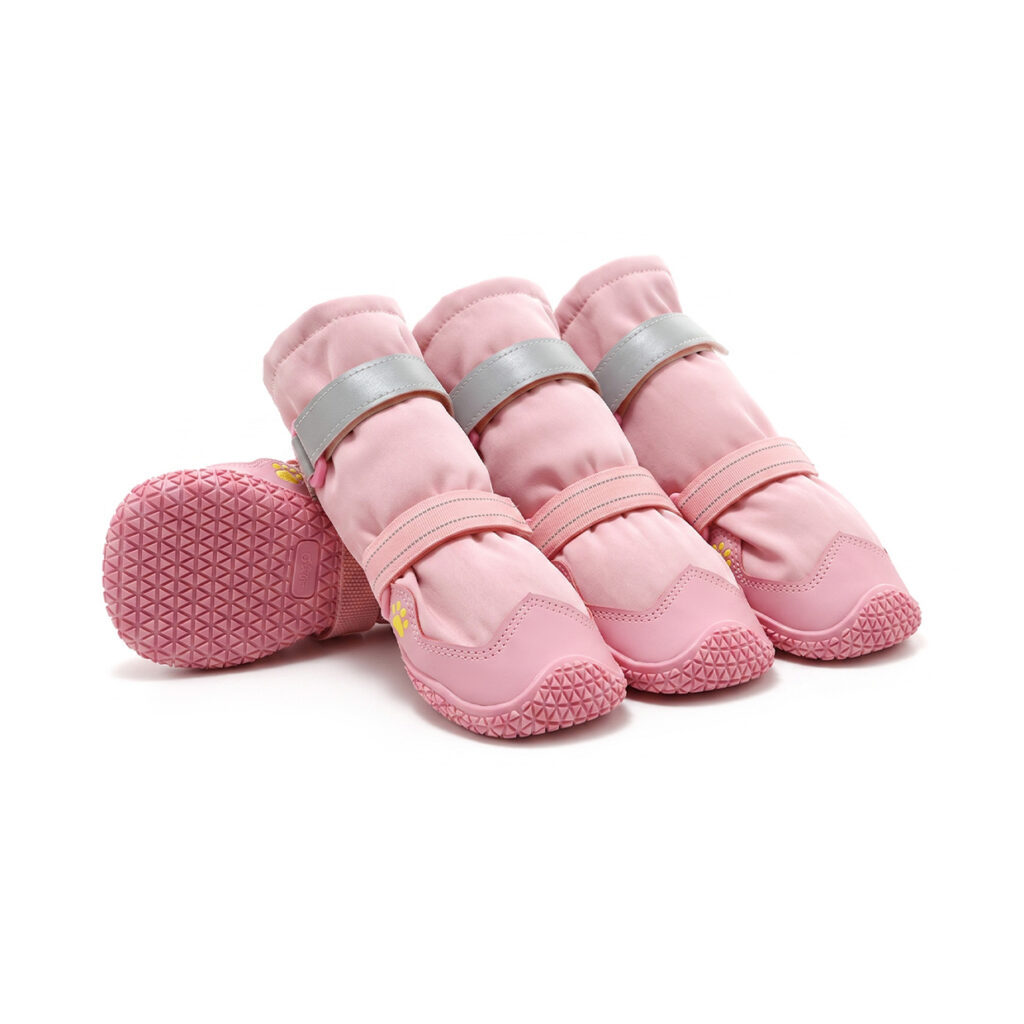
Color is personal. Whether you love pink dog booties or plain black, the liner underneath matters more for comfort than the shade outside.
The Ultimate Outdoor Setup: Pairing Socks with Heavy-Duty Boots
On demanding outings, dog boot use and comfort depends on how the whole footwear system works together.
Take a rocky trail as an example. The outer boot deals with sharp stones, loose gravel, mud, and grip. The liner has a different job. It manages friction and moisture right against the paw and gives the inside of the boot a softer, more consistent surface.
That split between outer and inner layers is the core of any good layering system.
For Hiking and Rocky Terrain
Trail dogs usually do best in a structured boot with a tough outsole. Keep the liner thin enough that the toes aren’t squeezed and the boot’s intended fit stays the same.
On longer hikes, check paws at water breaks. A comfortable first mile doesn’t promise a comfortable tenth mile.
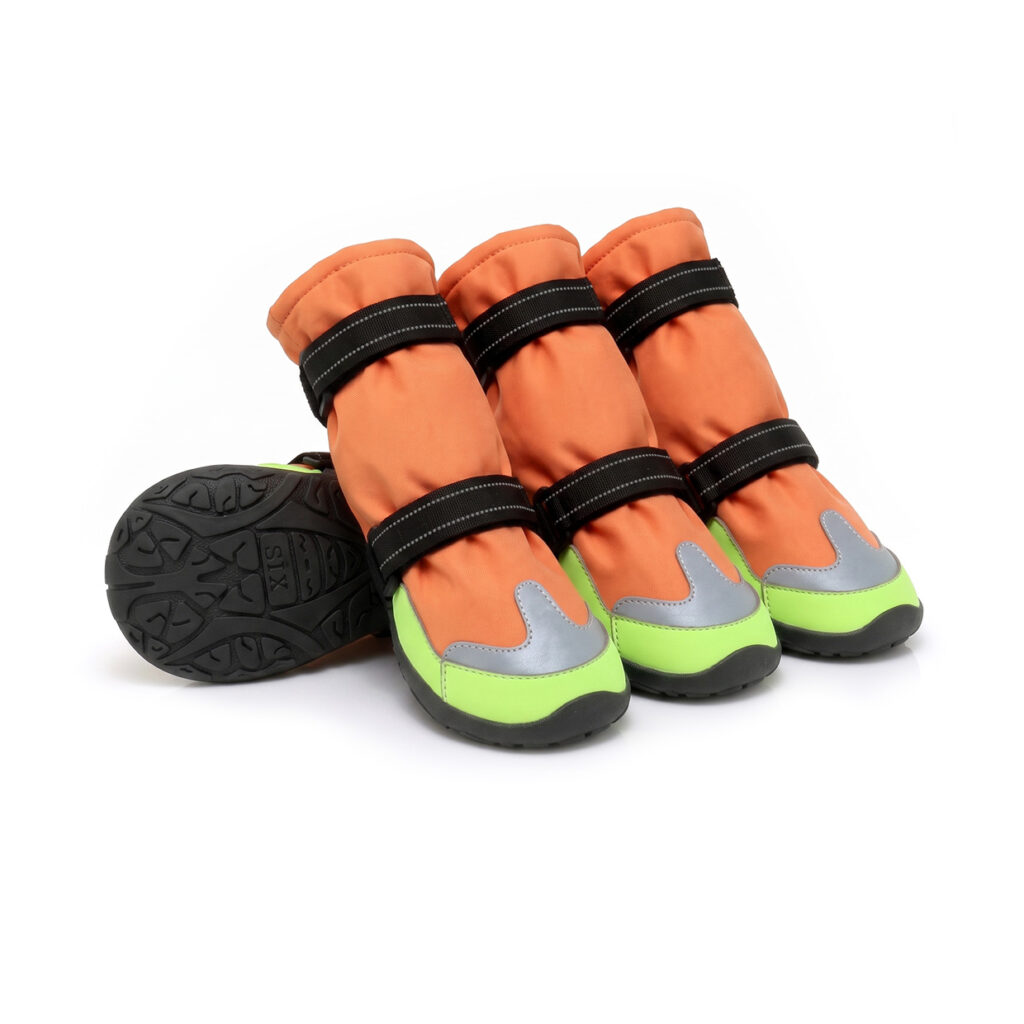
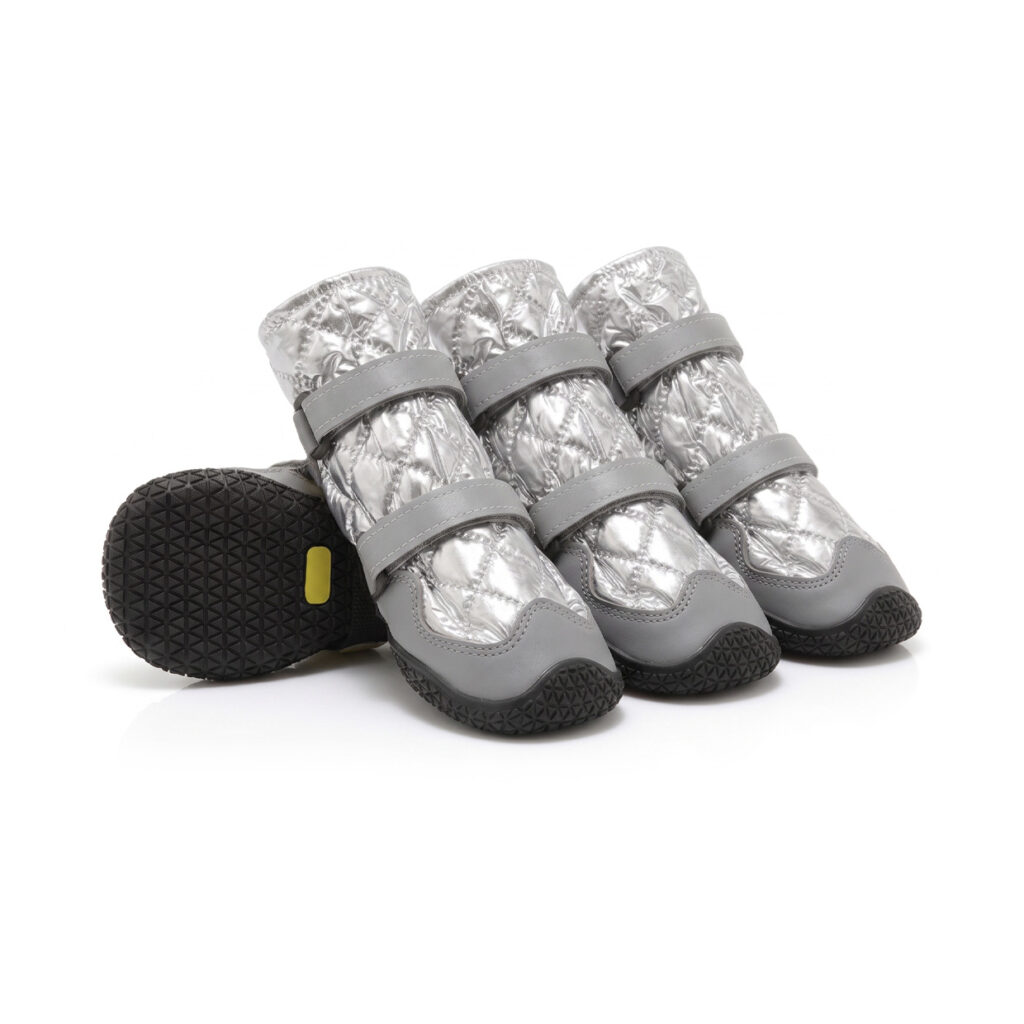
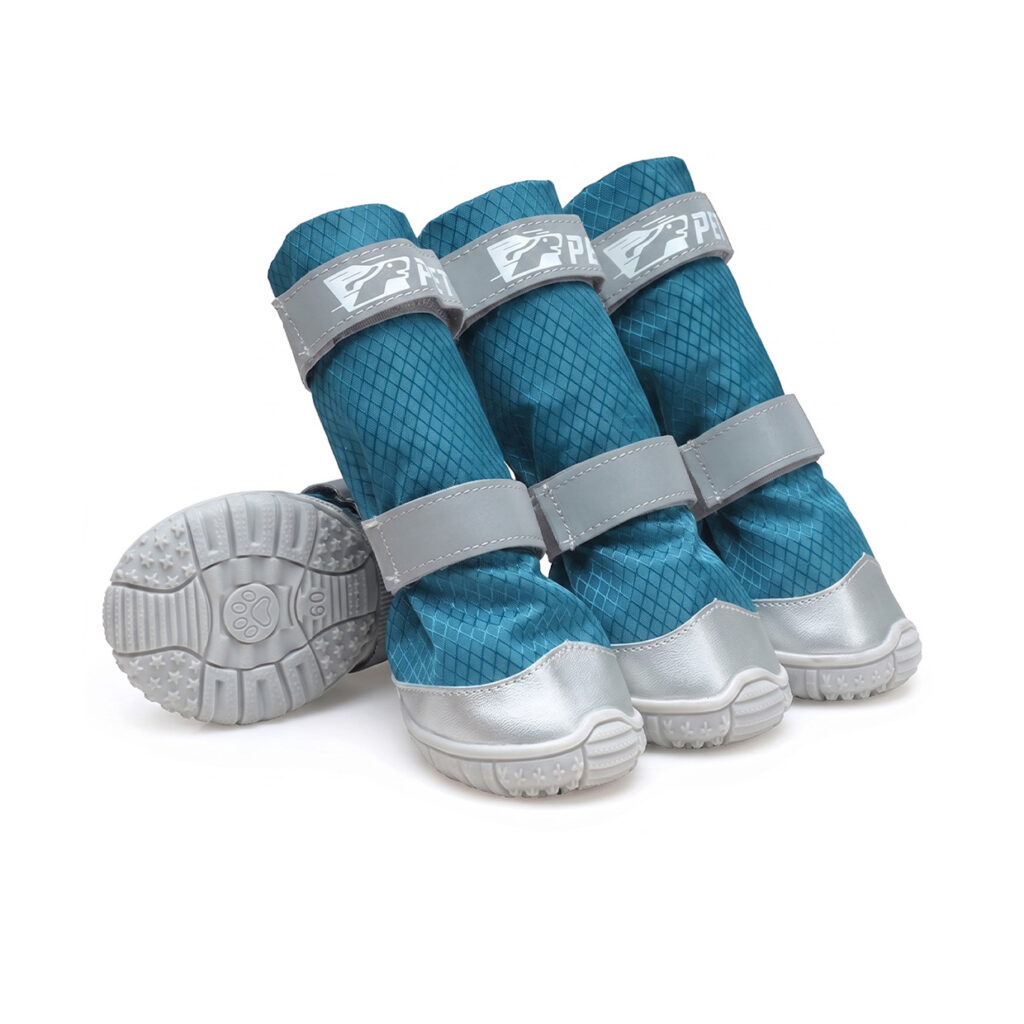
Rugged All-weather Dog Boots
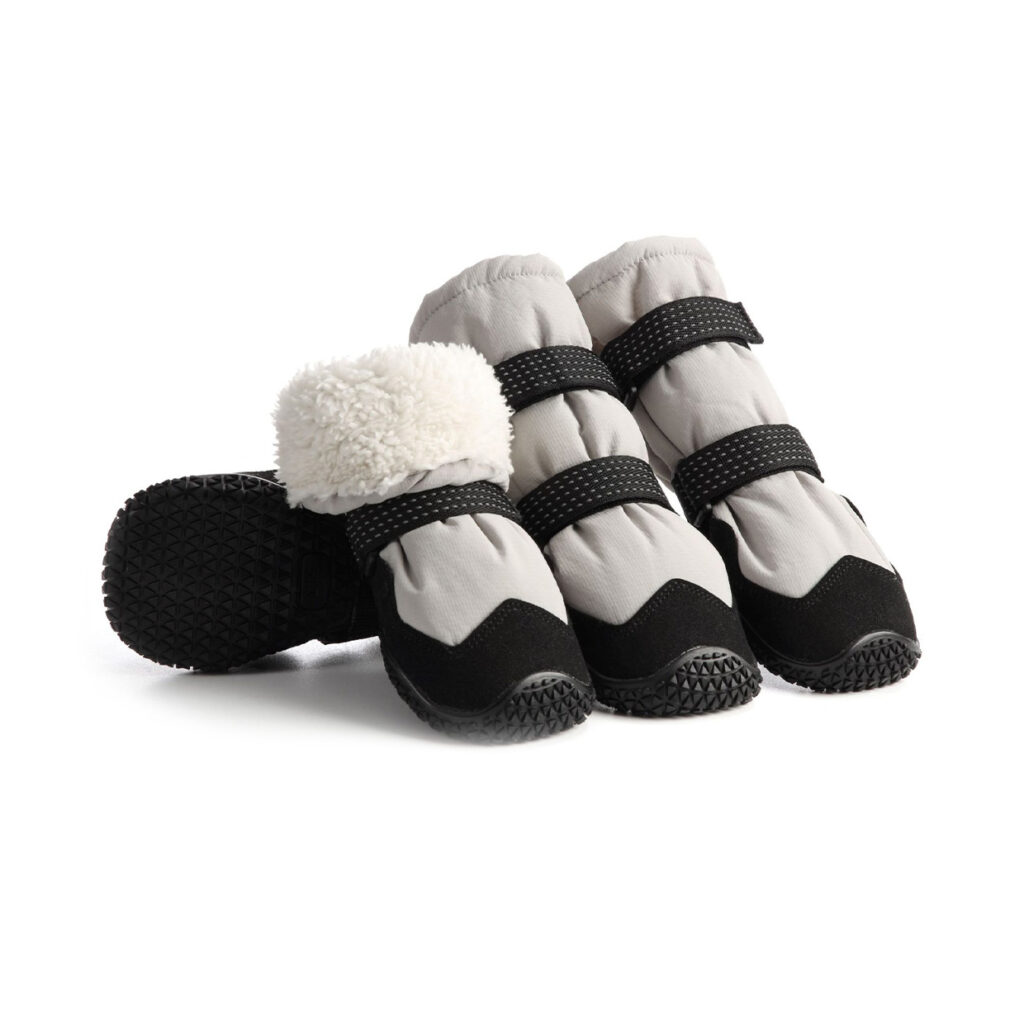
For Rain, Snow, and Wet Conditions
A waterproof boot blocks puddles and slush, and a breathable liner helps with the sweat that builds up inside.
If the boot gets wet inside anyway, adding another layer isn’t the answer. At rest stops, pull the boots off, check the paws and liners, and swap in a dry pair if you brought one. Dry everything fully before the next outing.
Breathable Multi-pack Dog Boot Liners
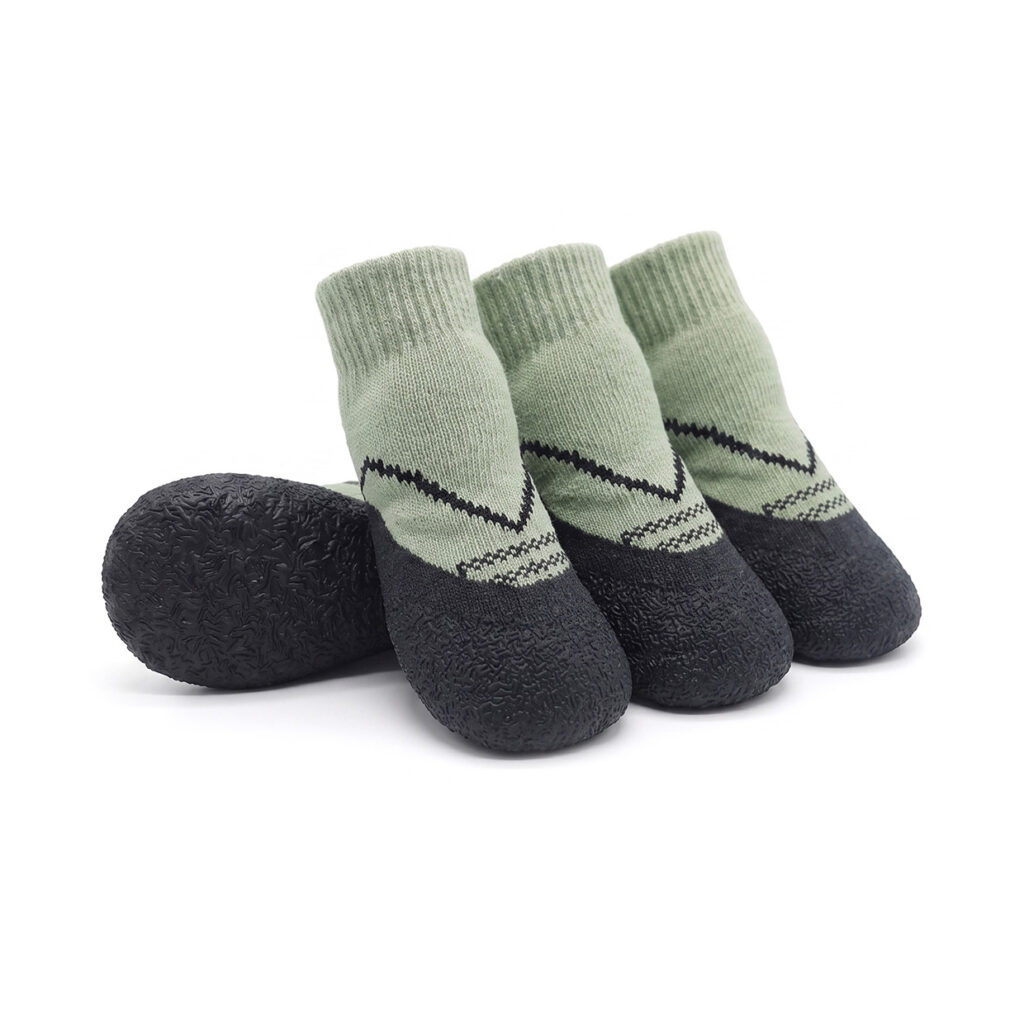
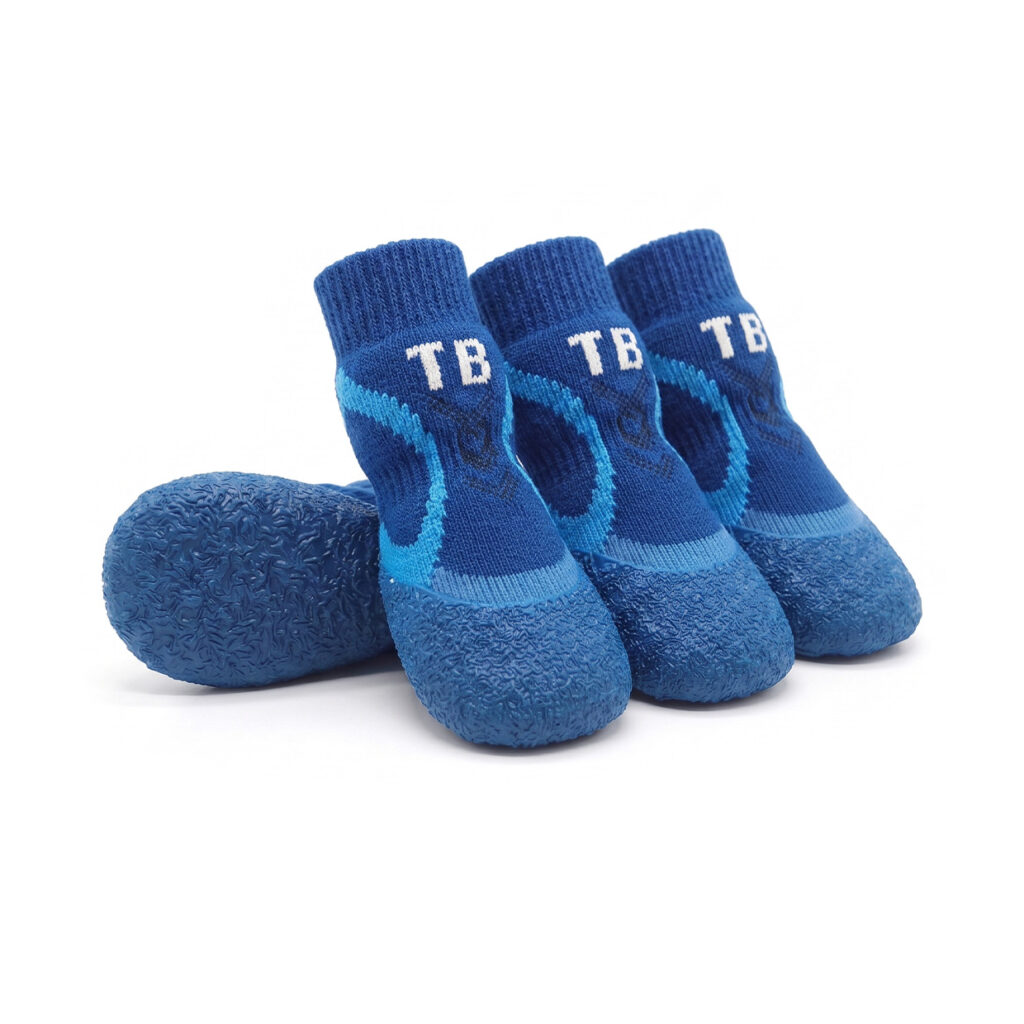
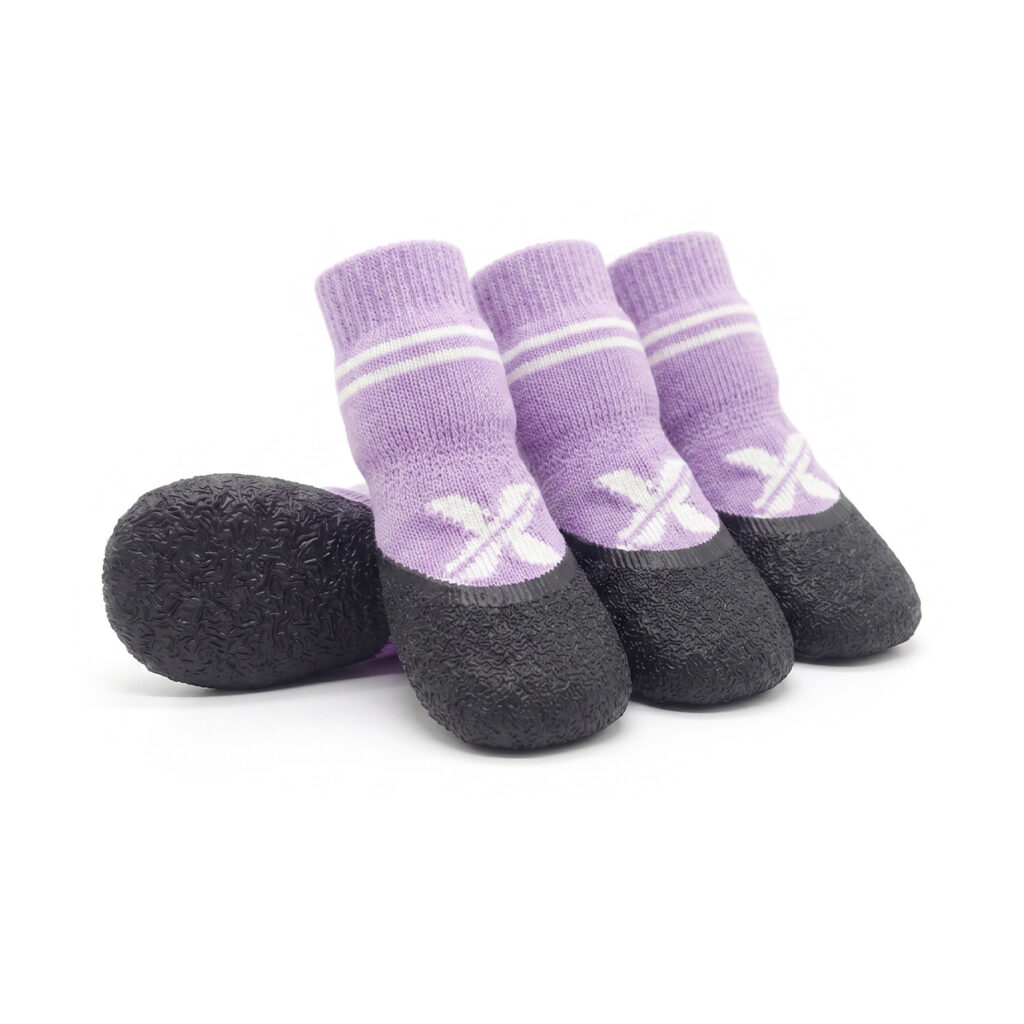
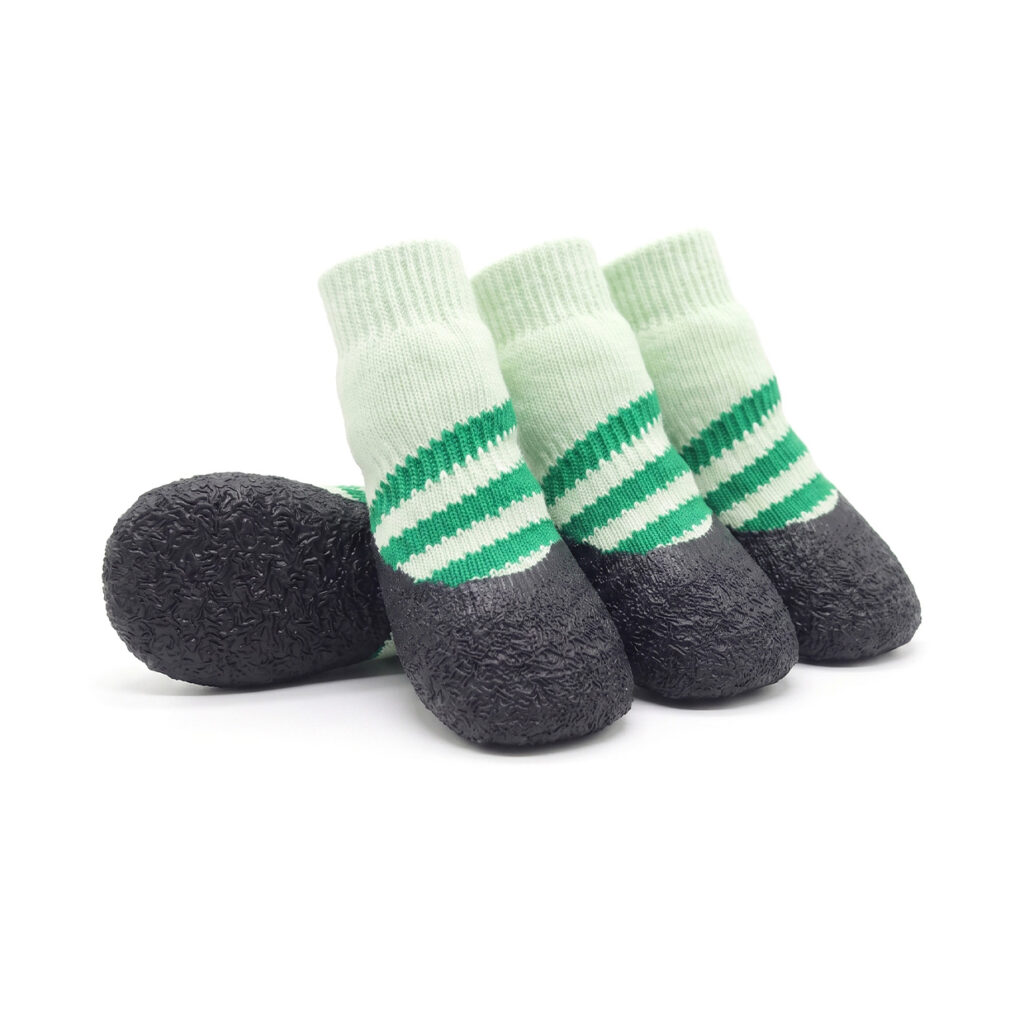
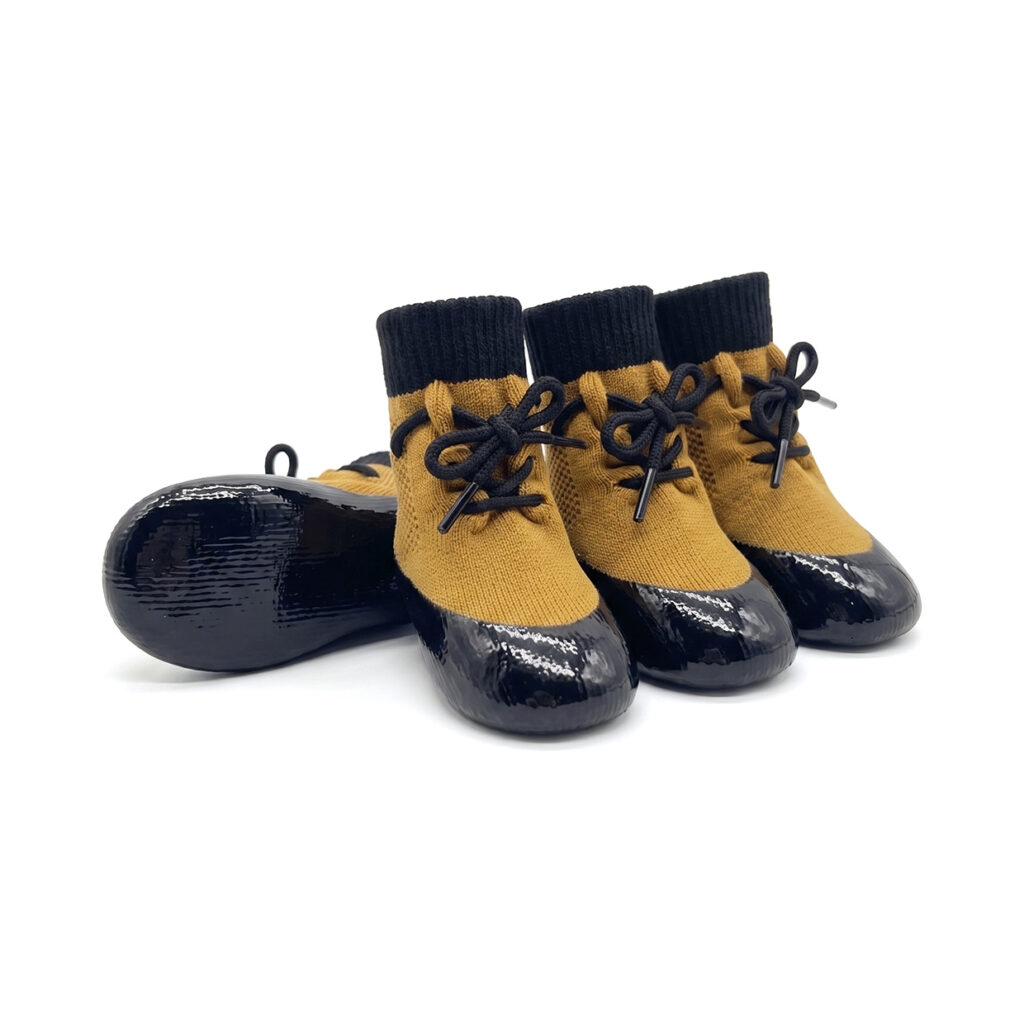
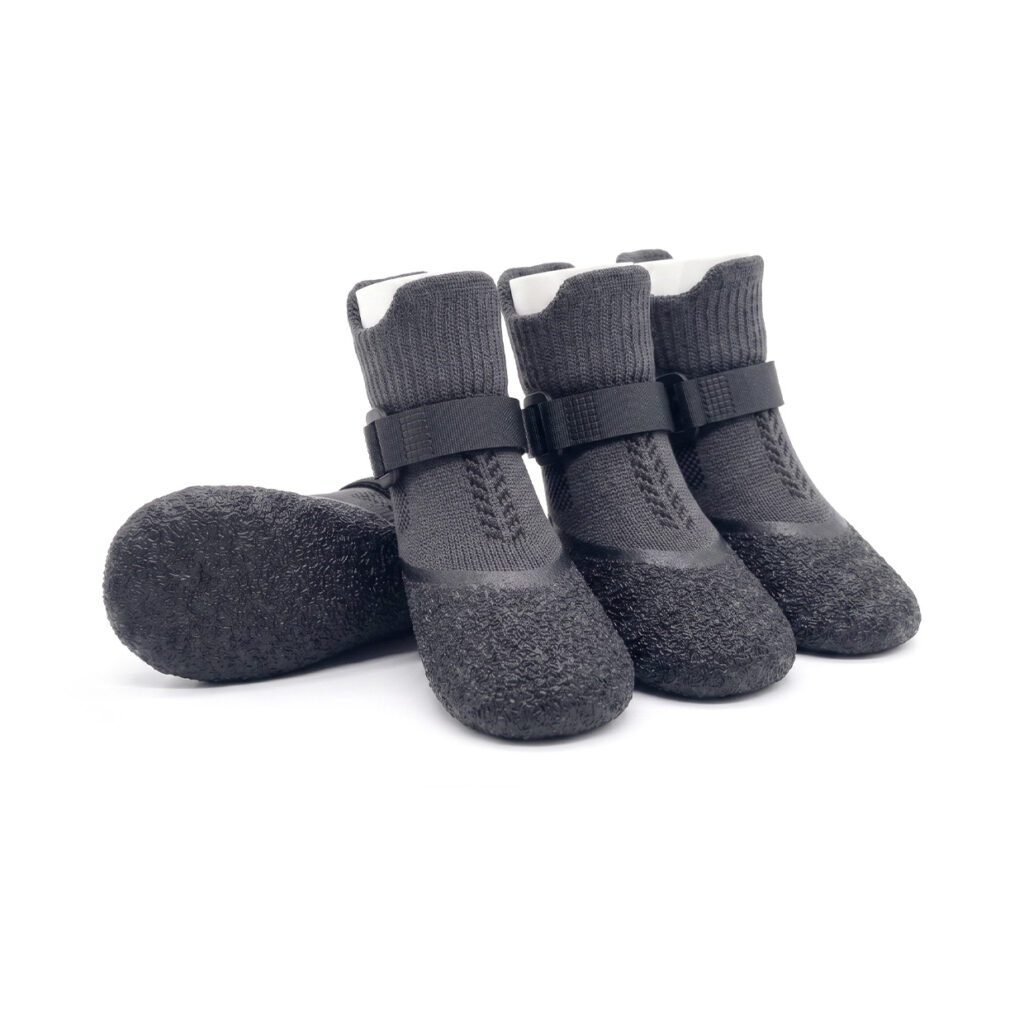
A handy two-in-one trick: If your liners have light grip dots on the bottom, they can work as indoor anti-slip socks once the muddy boots come off at the door. Change into a clean, dry pair first, though. A sweaty trail sock isn’t something to leave on for the evening.
For Everyday Walking
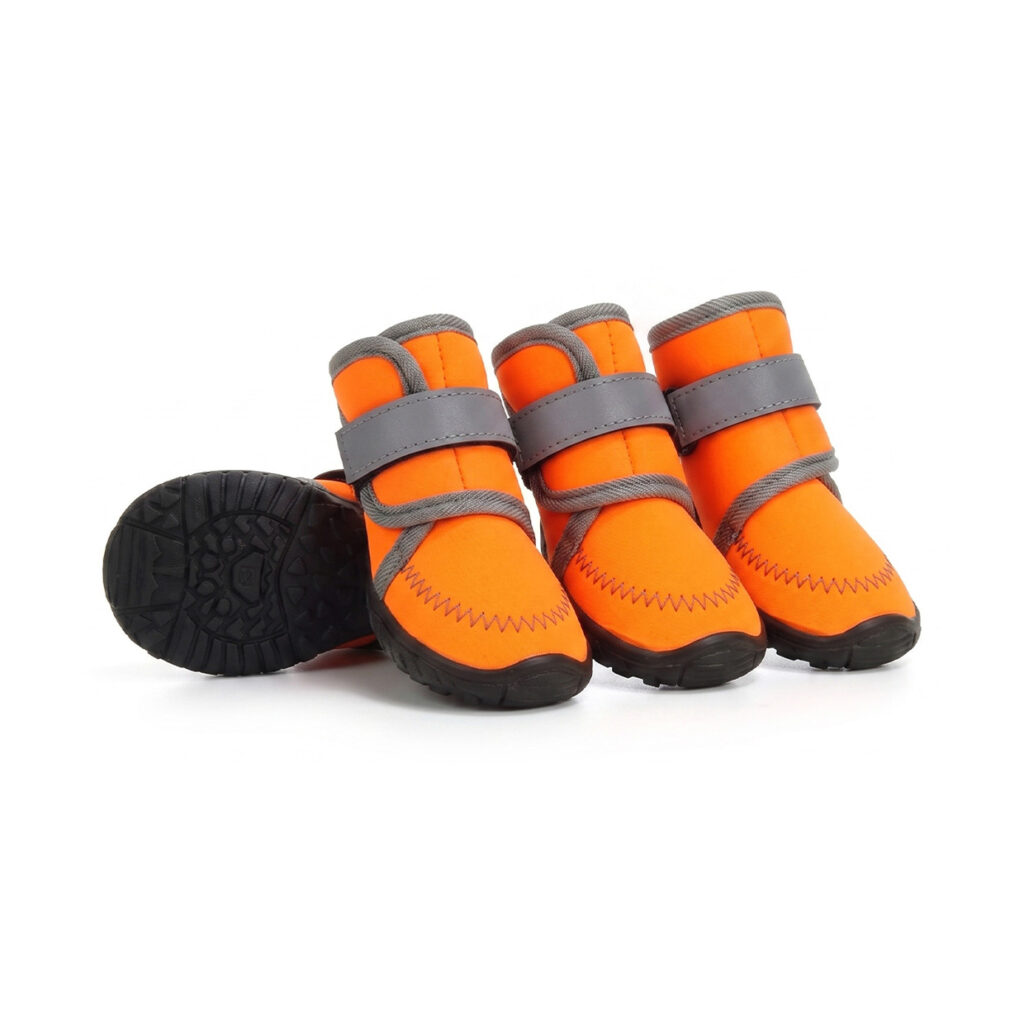
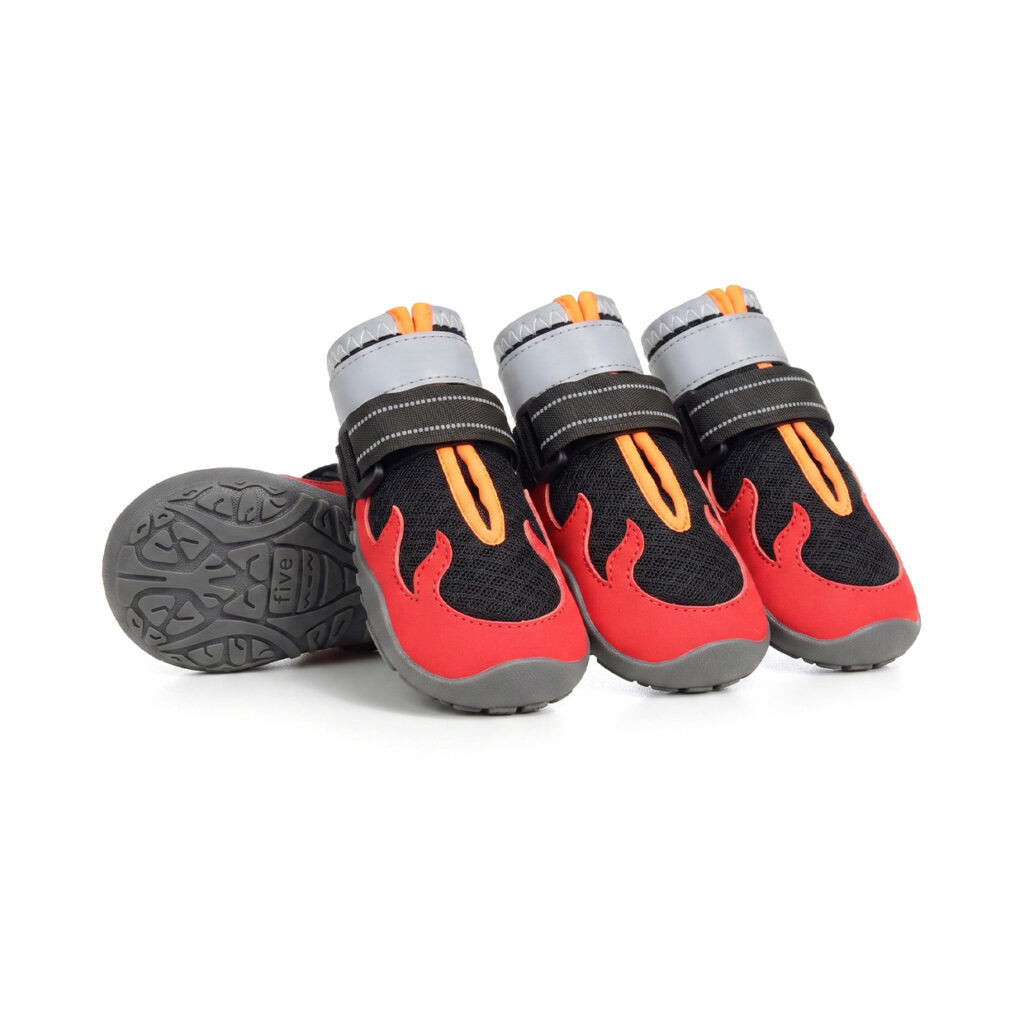
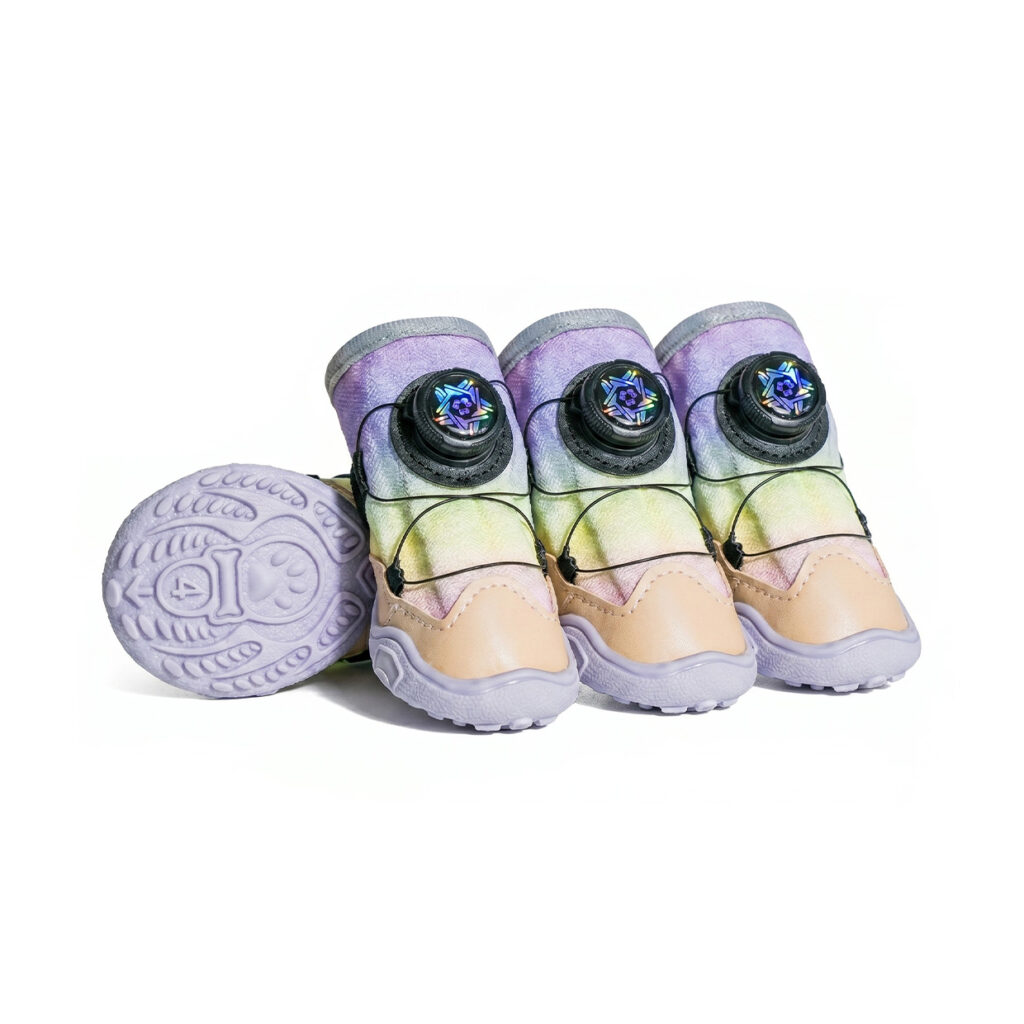
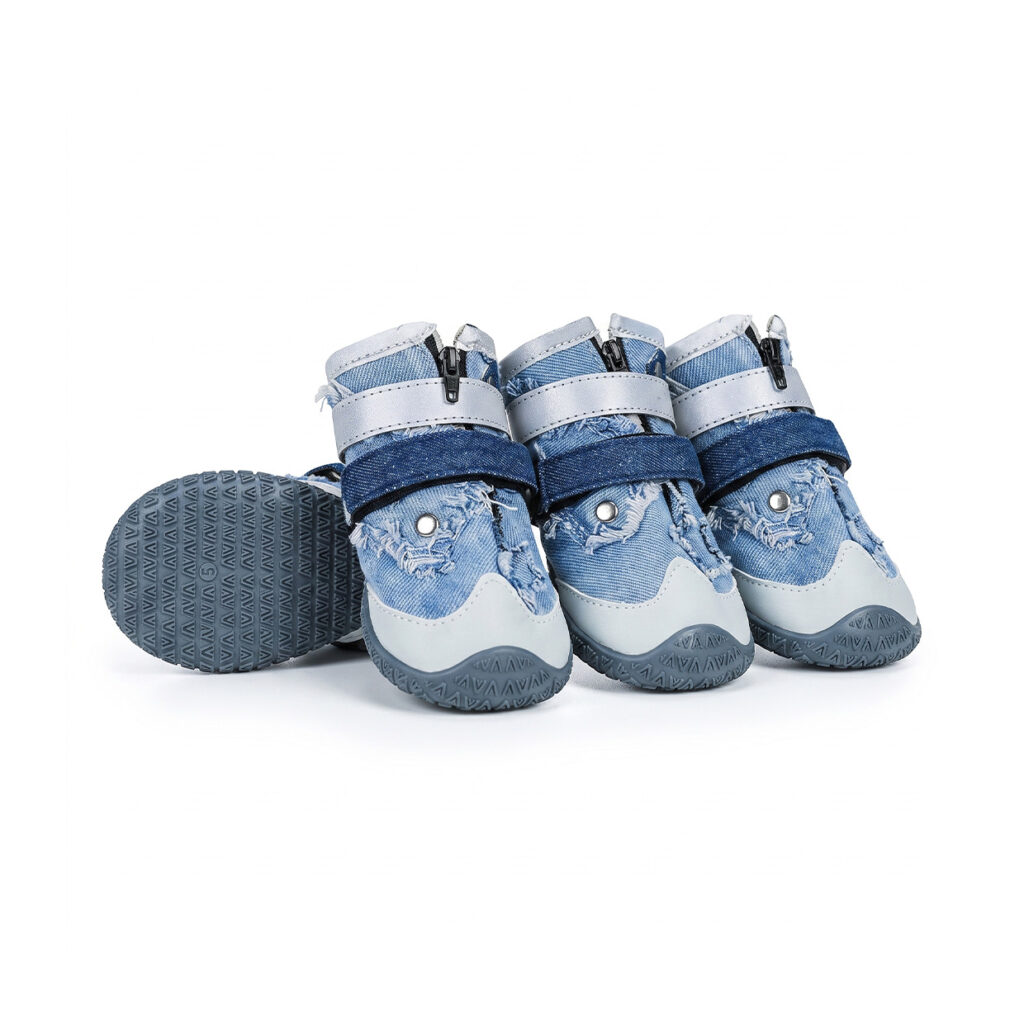
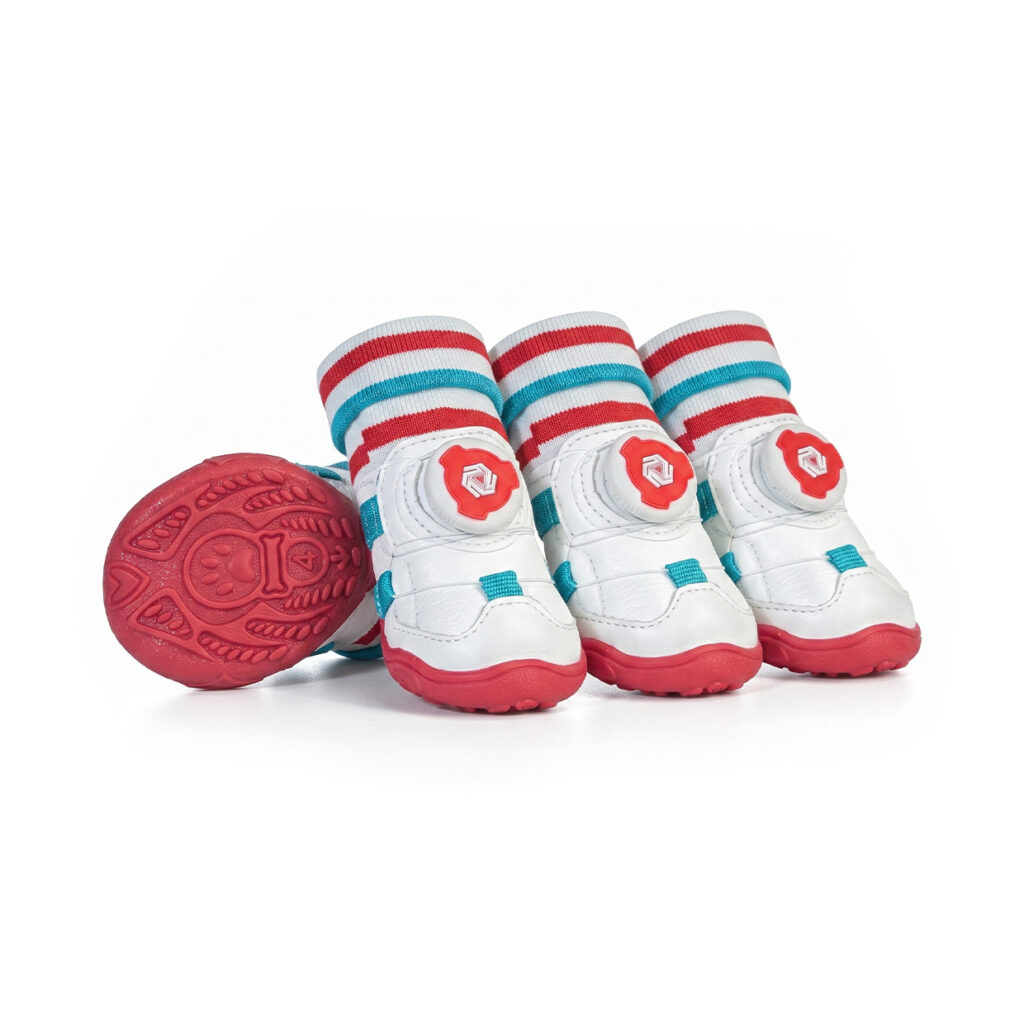
Not every walk needs heavy-duty boots. For neighborhood strolls, lightweight dog shoes are often a better fit. They’re less bulky and still protect against hot pavement, grit, or winter salt.
Lightweight Ergonomic Dog Shoes
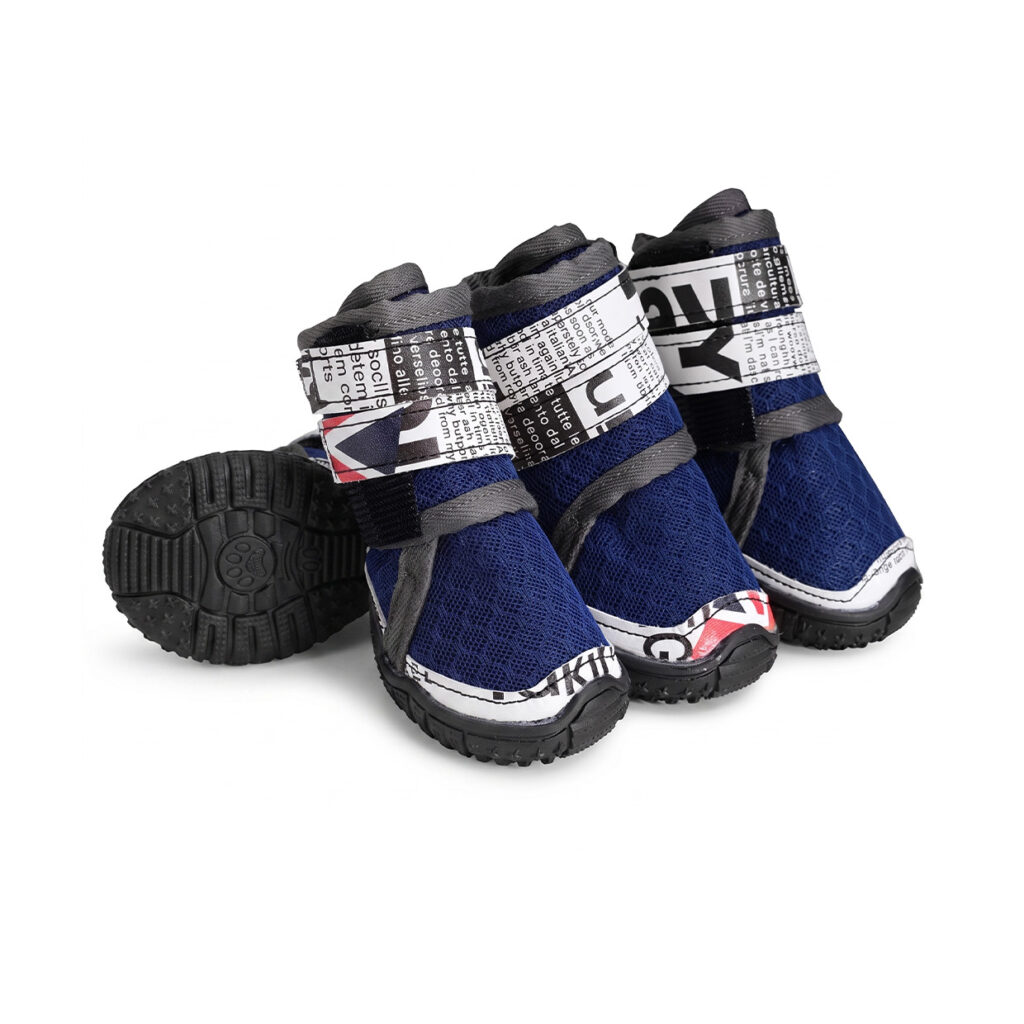
If you’re not sure which type suits your dog’s routine, see our comprehensive Dog Paw Wear Guide: Shoes, Boots, or Socks? to compare your options.
The most protective boot isn’t always the right one. Match the gear to the environment. The American Kennel Club’s guidance on canine exercise, paw protection, and outdoor safety can help you think about footwear as part of your overall activity plan.

How to Build a Comfortable Dog Boot and Liner System
The best setup isn’t the one with the most layers. It’s the one that protects the paw without adding pressure, heat, or friction. Run through these steps before your next outdoor trip.
1. Start With Correct Paw Measurement
Measure each paw the way the boot manufacturer recommends, with your dog standing so the toes spread naturally. Don’t assume a dog who wears a medium harness needs medium boots. Footwear sizes follow their own rules and often vary between models.
2. Choose a Thin Liner
Look for:
- Smooth, flat seams
- Good stretch
- Low bulk
- Breathable fabric
- A cuff that holds without squeezing
- Enough height to sit just above the boot opening
Skip thick, plush socks that noticeably shrink the inside of the boot.
3. Put the Liner On Flat
Run your fingers along the sock once it’s on. There should be no wrinkle under the pads and no fold between the toes. Pay extra attention to the dewclaw area and the top edge of the cuff.
4. Slide the Boot On Without Forcing It
The paw should slide in easily. If you find yourself pushing and wiggling the foot into place, stop and reassess the size or boot style.
5. Secure the Boot, Then Check
The boot should be snug enough not to spin and loose enough that the strap doesn’t leave a groove. The one-finger check, where one finger slides under the strap, is a reasonable starting point. Fastening systems vary, so follow the manufacturer’s instructions first.
6. Inspect During the First Few Uses
Don’t wait until the end of a two-hour hike to find out a boot is rubbing. For any new boot-and-liner combination, start with a short walk and check the paws afterward.
Some high-stepping, like a parade horse walking on lava, is normal the first time a dog wears boots. Repeatedly lifting one foot, chewing at a boot, limping, or redness afterward is different. Take the gear off and look into the fit.
Common Dog Boot Liner Mistakes to Avoid
A liner only improves comfort when the whole system fits. These are the mistakes we see most often.
Using a Sock That Is Too Thick
This is the easiest mistake to make. A cozy, thick sock can turn a comfortable boot into a tight one and squeeze the toes with every step.
Assuming Cotton Is Always Best
Cotton is soft and works fine for short, dry walks. Once it’s soaked, it stays wet. For snow, rain, or long hikes, a moisture-managing technical fabric is usually the better choice.
Letting Socks Bunch Up
A wrinkle under the paw acts like a pebble in your shoe. Smooth the sock every time before the boot goes on.
Tightening the Boot to Make Up for Poor Sizing
More tension doesn’t mean more security. Cranking down an oversized boot pinches the ankle, and tightening an undersized boot only adds squeeze. Get the size right first.
Treating Socks as a Substitute for Good Boot Design
A liner can’t make up for a rough seam, a badly placed strap, a narrow toe box, or the wrong size. If a boot keeps causing friction, try a different design instead.
Frequently Asked Questions About Dog Boot Use and Comfort
Should dogs wear socks with boots on every outdoor walk?
No. A healthy dog in a well-fitted boot on a short, dry walk is often fine without a liner. Socks earn their place on long walks, hikes, wet days, and for dogs who tend to rub at the ankle or dewclaw. Judge the whole setup instead of assuming more layers mean more comfort.
Do socks make dog boots fit too tightly?
They can. A good liner is thin enough that it barely changes the inside of the boot. If the boot is already close to too small, a sock can tip it over into pinching. If your dog falls between sizes, remeasure and check that boot’s size chart instead of using a thick sock to adjust the fit.
Can indoor anti-slip socks be used as boot liners?
Sometimes. A thin, smooth anti-slip sock can work if it fits snugly and doesn’t bunch. Big silicone grip patterns can create texture and pressure inside a close-fitting boot, though, and they won’t necessarily add traction in there. For indoor grip, see Anti Slip Dog Socks Guide: Stop Indoor Slipping.
How do boot liners protect my dog’s dewclaw?
They put a soft barrier between the dewclaw and the boot’s straps or edges, which cuts down on direct rubbing. They don’t spread out strap pressure, so the boot still needs to be positioned and adjusted correctly. If redness keeps coming back around the dewclaw, change the strap position or the boot design.
How often should I wash dog boot liners?
Wash them whenever they’re visibly dirty, damp, or smelly. Every few outings is a good baseline for regular use, and after every muddy or sweaty hike. Let them dry completely before the next use. A clean liner also makes it easier to spot debris or unusual moisture. Our How to Clean Dog Shoes: Easy Care & Wash Guide covers the boots too.
How do I know if my dog actually needs a liner?
Check after the walk. If your dog keeps getting friction marks around the ankle, dewclaw, or boot opening even though the boots are the right size, try a liner. It’s also worth trying for long hikes and wet weather. If your dog is comfortable, the paws come out dry, and the boots stay put, you probably don’t need another layer.
Can socks stop dog boots from rubbing?
They can reduce some kinds of rubbing, but they won’t fix every cause. If the boot spins, the strap sits on a sensitive spot, or an inner seam is rough, change the boot instead. For persistent friction, check these in order:
1. Paw measurement
2. Boot size
3. Strap position
4. Inner seam construction
5. Moisture level
6. Liner thickness
That’s far more reliable than tightening straps or adding thicker socks.
How long can a dog wear boots with socks?
There’s no single limit that applies to every dog. Start any new combination with a short session and check the paws afterward. Once your dog is used to the gear, check every 1 to 2 hours on demanding hikes, and sooner in wet, hot, rocky, or unfamiliar conditions. If you see repeated licking, chewing, limping, or an odd gait, stop and check instead of pushing on.
When Boot Friction Becomes a Paw Problem
If your dog develops redness, a raw patch, or a blister-like bump after wearing boots, take the footwear off right away.
Gently rinse the area with clean water or sterile saline, pat it dry, and keep your dog from licking it constantly. Don’t pop a blister. Don’t use human creams or antiseptics unless your vet has recommended a specific product for your dog.
Bumps between the toes don’t always come from the boot. Grass seeds, allergies, and interdigital cysts can all look similar, so don’t assume the boot is to blame.
Call your vet if the area is:
- Open or bleeding
- Clearly swollen
- Producing discharge or a bad smell
- Very painful, or causing ongoing limping
- Not improving after you’ve removed the likely cause
For broader year-round maintenance tips, read our foundational guide on Dog Paw Care 101: Prevent Burned, Cracked & Salted Paws.
VCA Animal Hospitals also offers vet-written information on common paw injuries and wound care.
The Bottom Line: Dog Boot Use and Comfort Comes From the Whole System
Good dog boot use and comfort isn’t about stacking as many layers as possible. It’s about creating a controlled connection between your dog’s paw and the world.
Each part has a job:
- The boot protects against the outside.
- The liner gives the paw a smoother surface, helps manage moisture, and reduces some kinds of rubbing.
- Correct sizing keeps everything stable.
- Strap placement keeps pressure off the ankle and dewclaw.
For some dogs, a liner changes everything. For others, a well-designed boot worn directly on the paw is perfectly comfortable. The best setup is the one your dog forgets they’re wearing.
Complete the Ultimate 2-in-1 Paw Protection System
Don’t let friction, sweat buildup, or a pinched dewclaw slow down your adventure buddy.
A well-fitted pairing of protective boots and a lightweight liner gives your dog a more comfortable setup for long walks, trail days, and changing weather. Each Paw Clad style has its own size chart, so measure for the specific boot you choose.
Upgrade your dog’s trail setup by pairing our rugged all-weather dog boots with breathable dog boot liner socks.
For lighter everyday protection, explore our lightweight ergonomic dog shoes.