Free Shipping on All Orders | 30-Day Easy Returns
Paw Friction for Dogs: 5 Solutions for Senior Paws
Table of Contents
Understanding how to restore paw friction for dogs is essential when watching an aging companion struggle to stand, slide across slick floors, or lose confidence in their daily steps.
You may know the sound: nails skittering on hardwood, then a pause while your old friend works out whether the kitchen is worth the trouble. Aging changes the paw pads, nails, muscles, joints, and coordination. Polished wood, laminate, and tile gradually turn from ordinary floors into obstacle courses. A dog who once trotted straight to the food bowl may start taking tiny, careful steps, skipping certain rooms, or splaying out when getting up from a nap.
The good news is that no single fix does all the work. Trimmed nails and tidy toe fur, well-placed runners, the right traction footwear, and patient training all add up to a safer home.
One caveat first. Rough pads don’t automatically mean something is medically wrong, and not every senior dog needs footwear. If the slipping is new, getting worse, or comes with weakness, limping, knuckling, or trouble rising, call your vet before you buy anything.
The Senior Canine Breakdown: Why Aging Paws Lose Natural Grip
Grip depends on more than the pad. Aging changes the whole chain, from the skin at the floor to the muscles and nerves higher up.
Pads That Change With Age
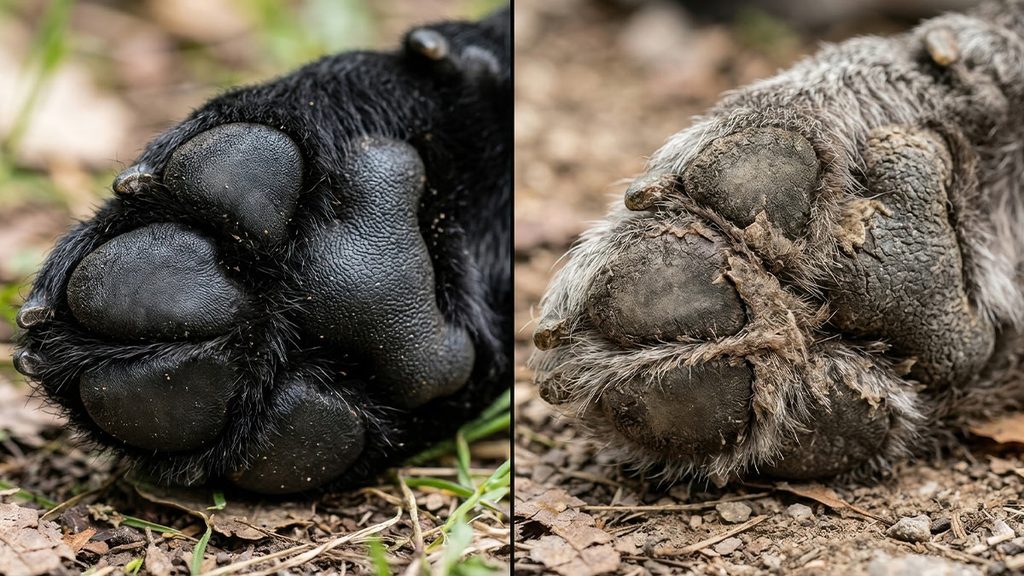
Older dogs often have harder, darker, drier pads. Some develop thick, rough, or crusty skin. The American Kennel Club: Canine Hyperkeratosis guide explains that older dogs can have hardened, dry, or cracked pads. It also explains that hyperkeratosis, the unusual thickening of pad tissue, can have several causes. It isn’t just “normal aging,” so the underlying cause matters.
Run a finger across your dog’s pads. Healthy ones feel slightly springy, with a bit of give. When they turn dry, cracked, or hard as a plastic shell, they can’t flex and grab a smooth floor the same way. That makes slipping more likely on a high-gloss finish, and dog paw traction suffers.
Weak Hindquarters, Less Stability
The second half of the problem happens above the paw.
Senior dogs lose muscle tone. Arthritis, orthopedic problems, pain, or neurological changes can also affect how they share their weight. When a paw starts to slide, a younger dog makes tiny corrections without thinking. An older dog may not be able to, and that is when the back legs shoot outward.
VCA Animal Hospitals lists avoiding slippery floors, slow rising, limping, and reluctance to use stairs as possible signs of pain in aging dogs. So don’t treat traction as a cosmetic issue. If your dog suddenly starts slipping, find out why before you cover up the symptom.
Dry, cracked pads also deserve attention in their own right. Senior dogs also suffer from dry pads, so integrating a routine to treat cracked dog paws is essential for their overall paw health.
The Hidden Risks of Adhesive Paw Grips & Sticky Pads
Plenty of owners search for sticky pads for dogs feet, anti slip paw pads for dogs, or dog paw grips. The instinct is sound: you want more traction without wrestling your dog into a boot.
Adhesive products look like a tidy answer because they sit right under the paw. In practice, how well they work depends on a lot of things: how carefully you apply them, the condition of the pad, how clean the surface is, and whether the adhesive survives real movement.
The Problem With Peel-and-Stick
Once an edge lifts, it picks up hair, dirt, and moisture. And anything stuck to a paw is something a dog may lick or chew.
Not every sticker causes a blockage, and the risk depends on the product. Still, some adhesives are genuinely dangerous when swallowed. The ASPCA Animal Poison Control: Adhesive Ingestion Risks resource describes cases where swallowed expanding adhesive caused serious gastrointestinal obstruction that needed surgery. Read the material list before you stick anything on your dog.
There’s a practical annoyance too. If your senior already hates having their feet handled, putting on and peeling off adhesive pads every day gets old fast, for both of you.
For dogs who need traction every day, a well-fitted reusable sock or soft indoor shoe is easier to check, take off, wash, and replace.
5 Proven Solutions to Restore Paw Friction for Dogs
No single fix suits every senior dog. The best setups usually combine changes to the home, good paw care, and, if your dog tolerates it, properly fitted footwear.
1. Full-Wrap Double-Sided Anti-Slip Dog Socks
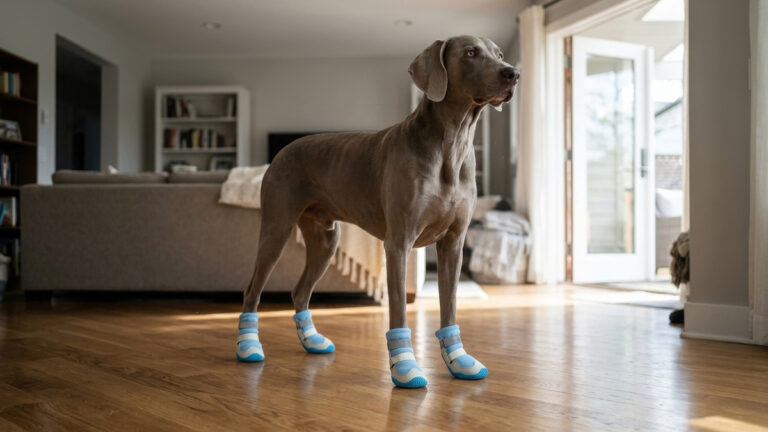
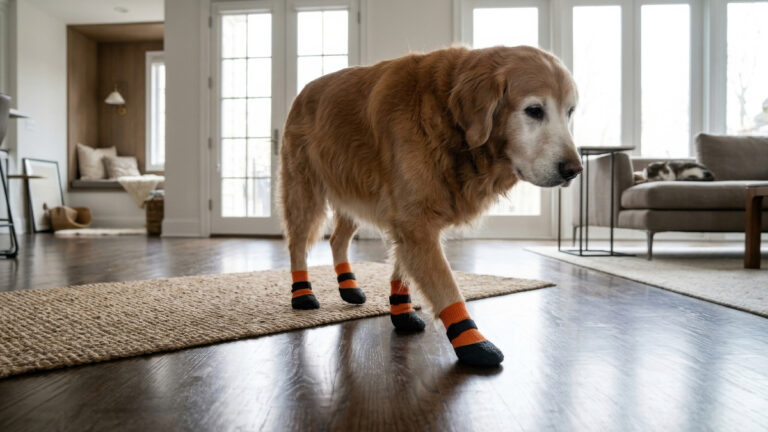
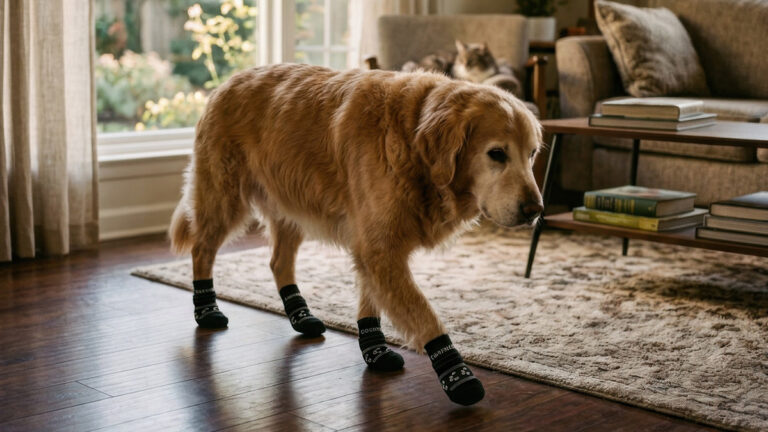
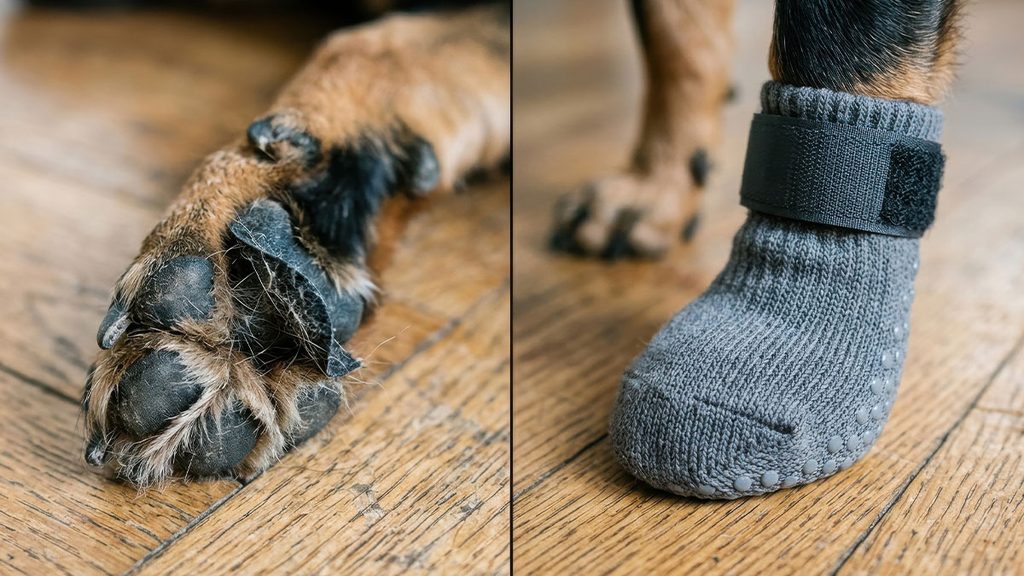
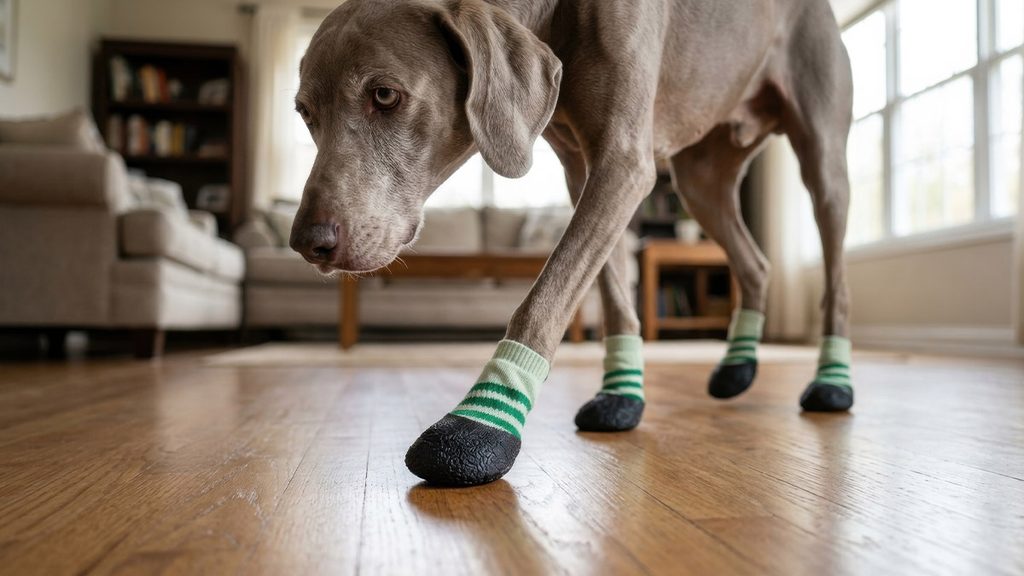
If your dog mostly struggles on smooth indoor floors, dog socks are often the easiest place to start. They add a layer of friction without the bulk of an outdoor boot.
Look for grippy material on the sole and a secure fastening that stays put when your dog stands, walks, and turns. A full-wrap design helps because dogs twist socks around as they move. If the tread rotates up onto the top of the paw, it does nothing for you.
This is the style most people mean when they search for dog paw grips for hardwood floors, dog socks for hardwood floors, or non slip dog socks.
A note on marketing language: be wary of claims like “medical-grade,” “food-grade,” or “zero-slip” unless the maker can back them up. Describe what a sock is made of and what it’s designed for, and trust your own testing on your own floors.
Breathable Anti-slip Indoor Dog Socks
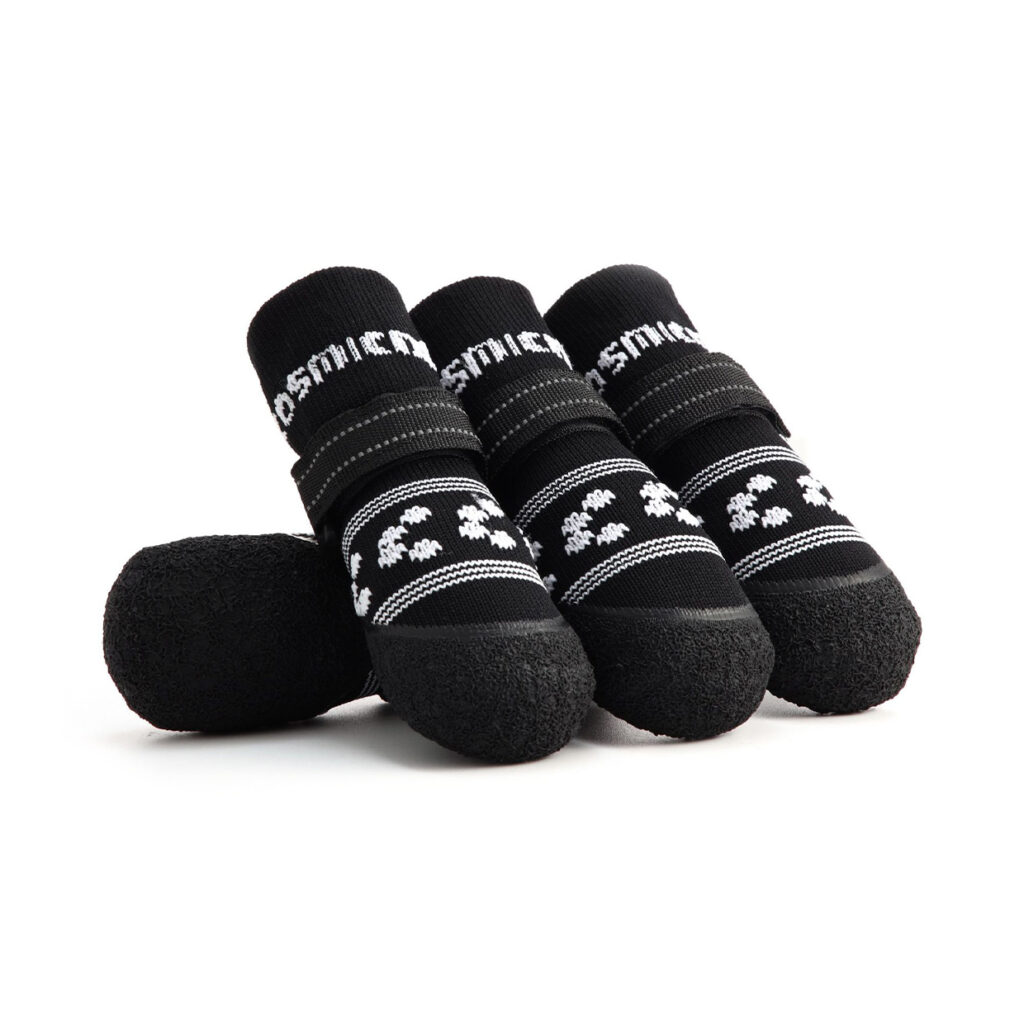
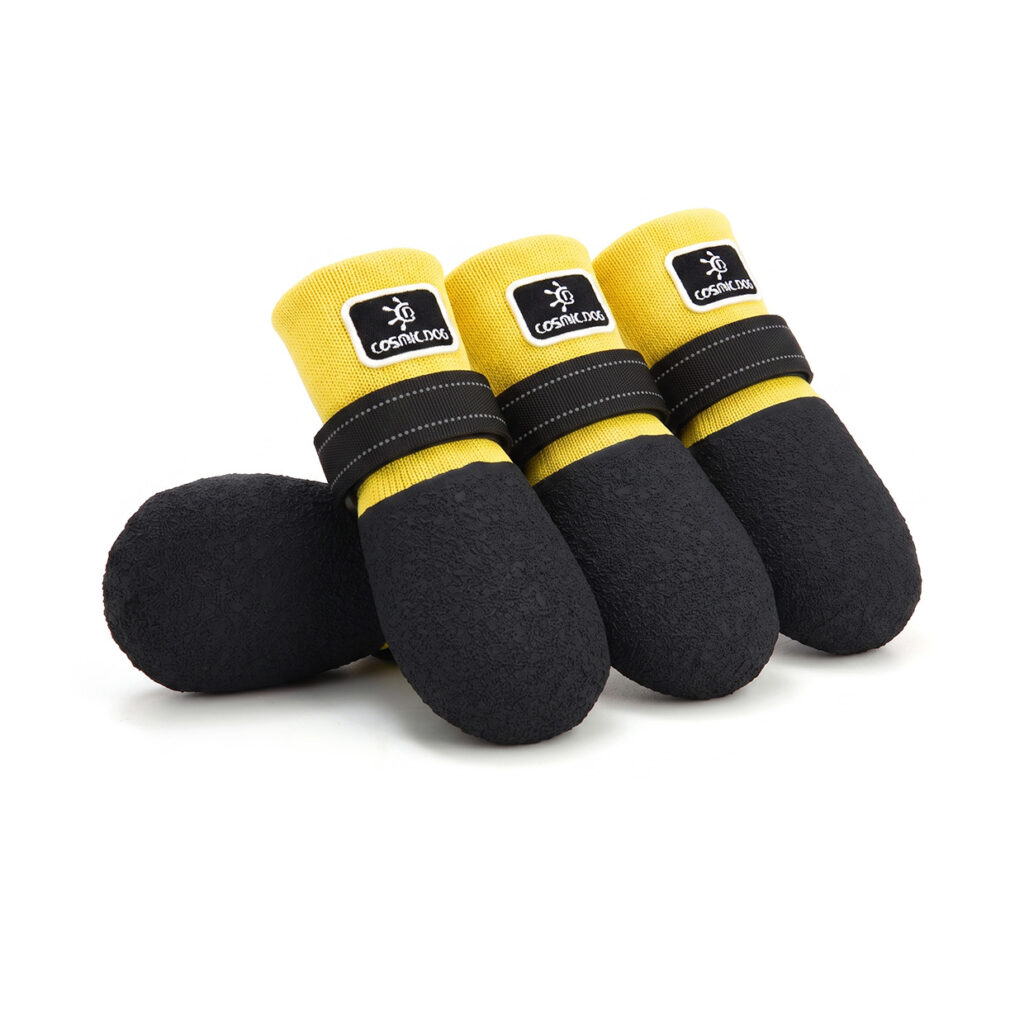
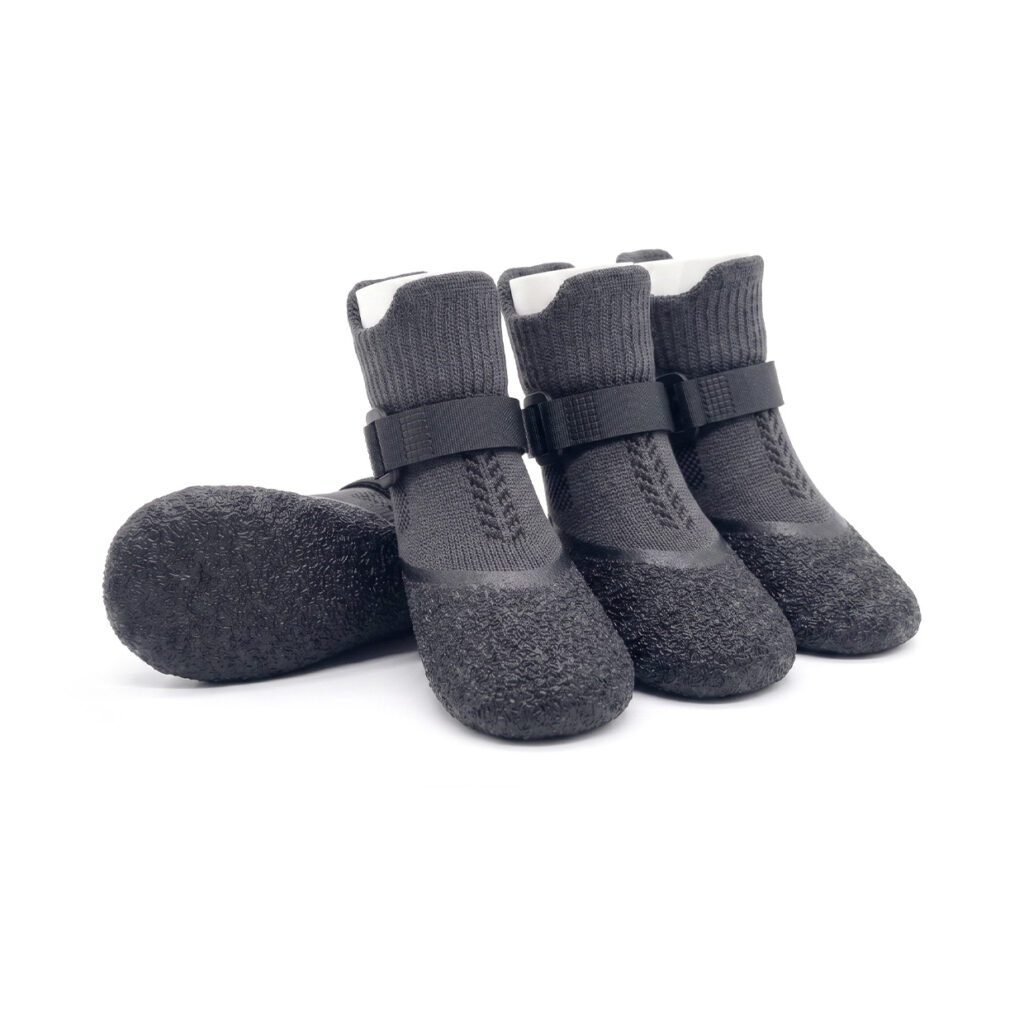
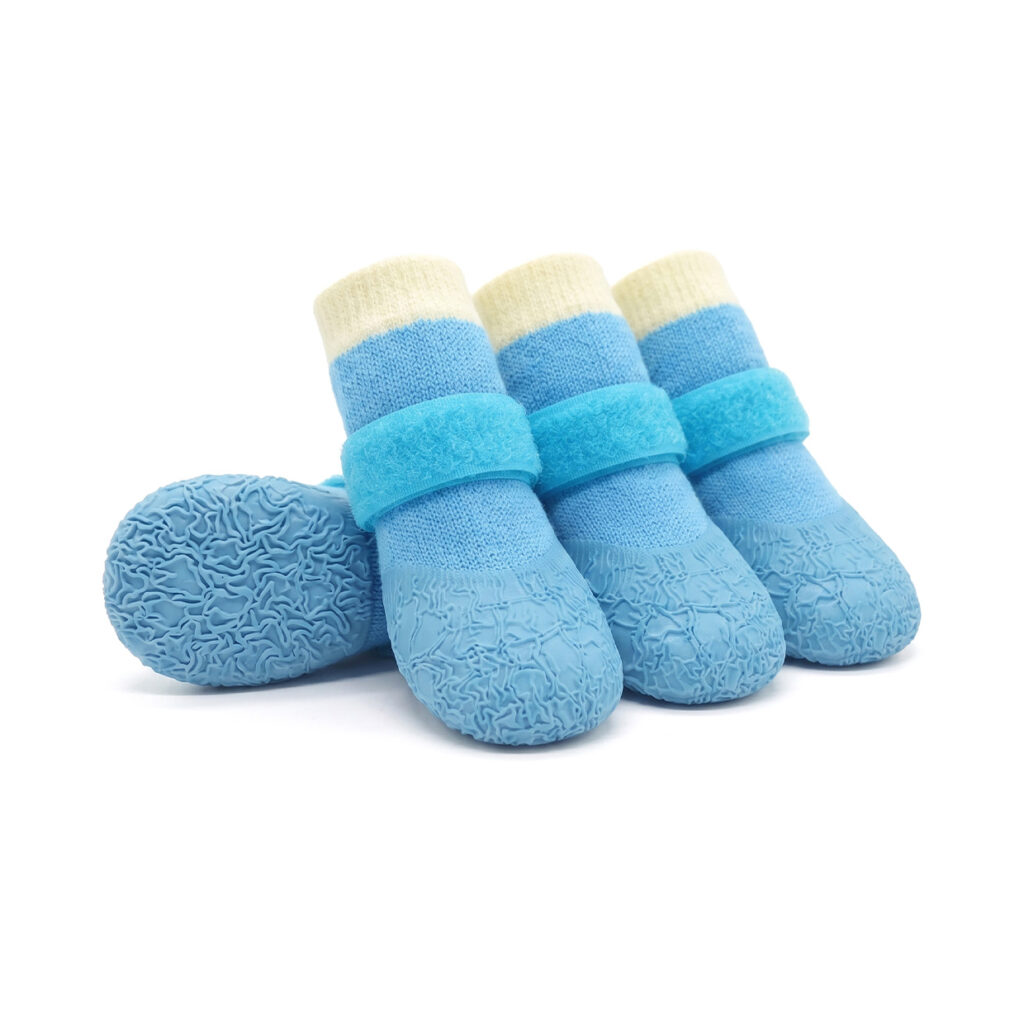
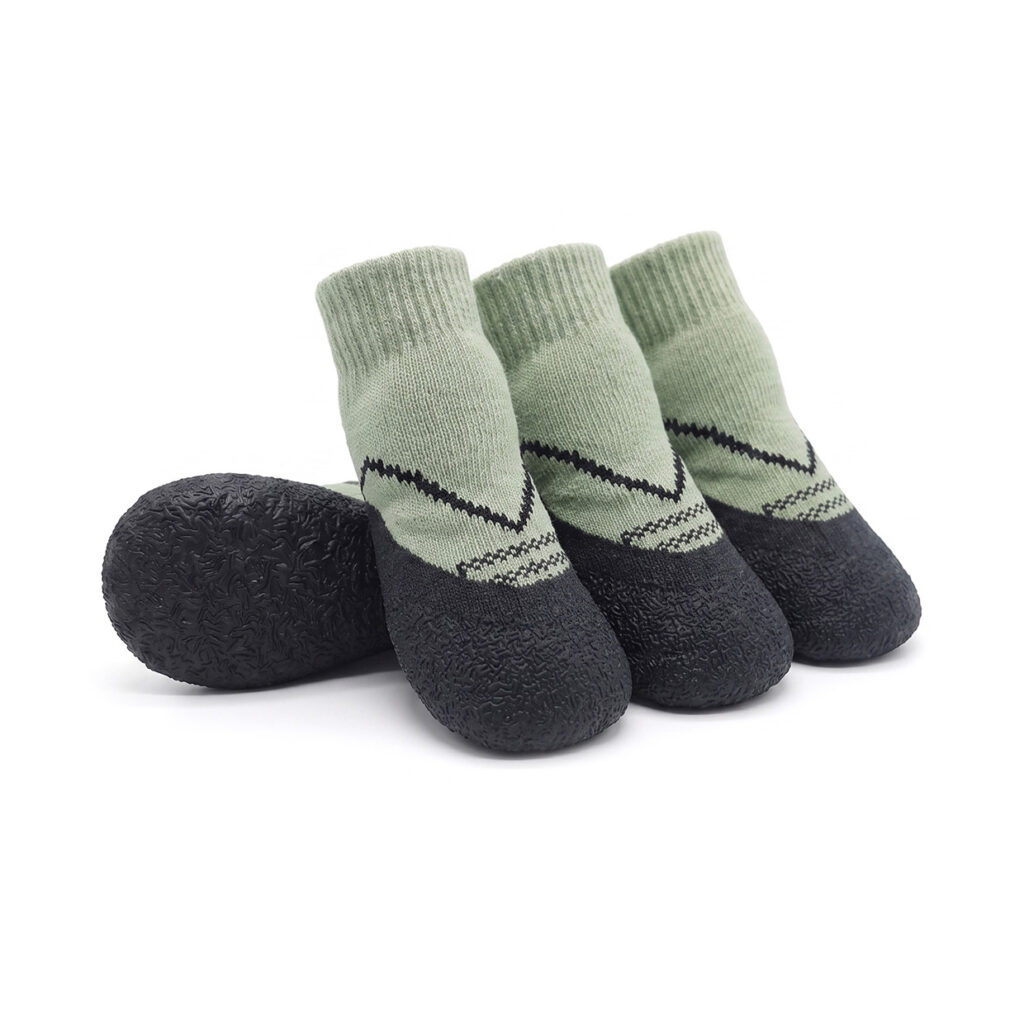
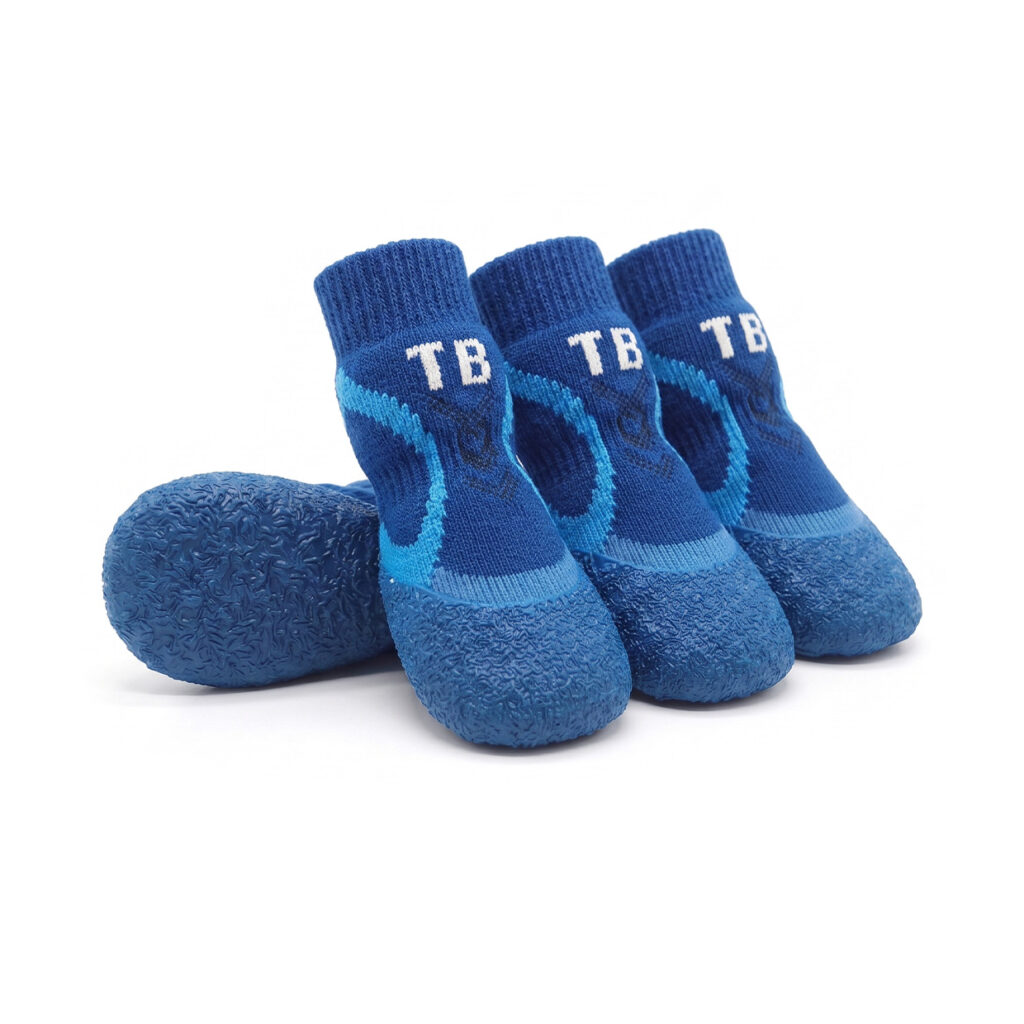
Fit matters as much as tread. Too loose, and the sock spins or bunches. Too tight, and it can press on the paw or lower leg. For dogs who lick or chew at their feet, stay close during the first few wears. Don’t assume any sock can be left on indefinitely.
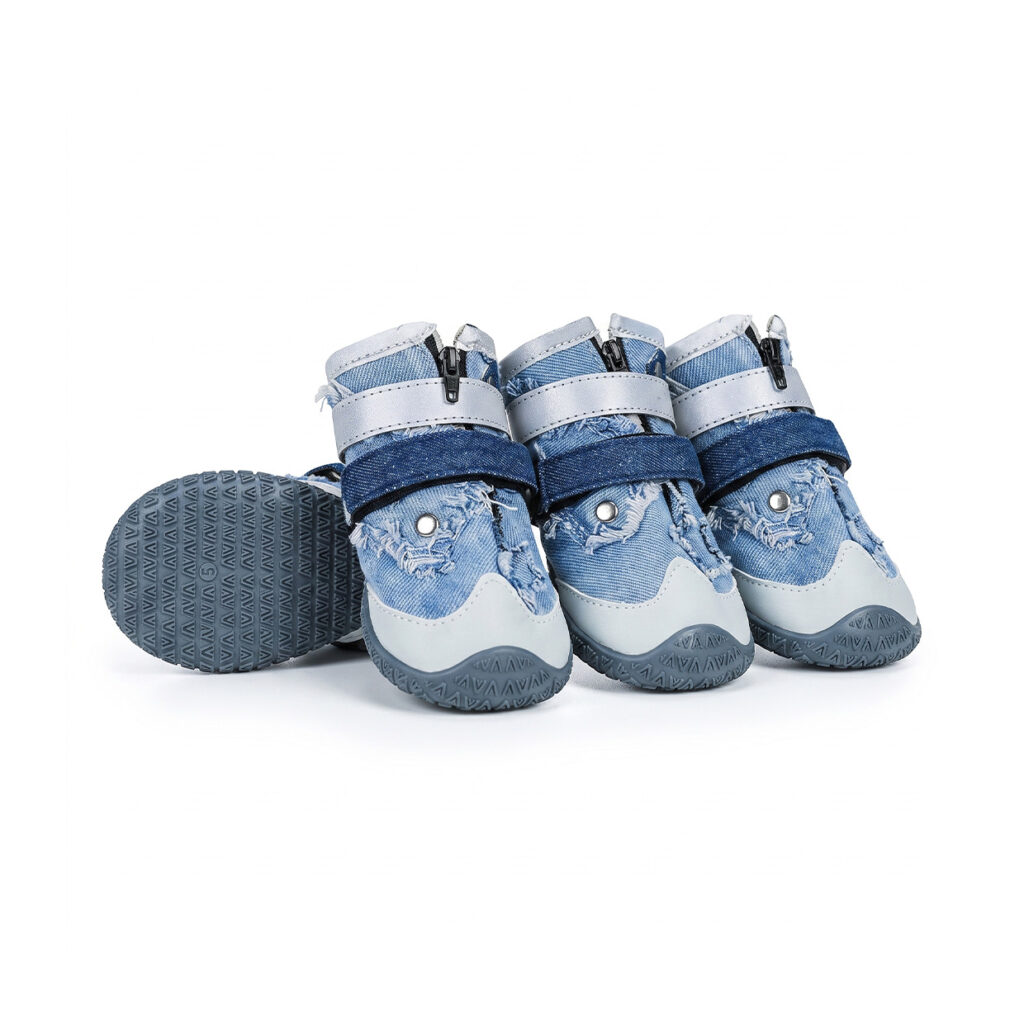
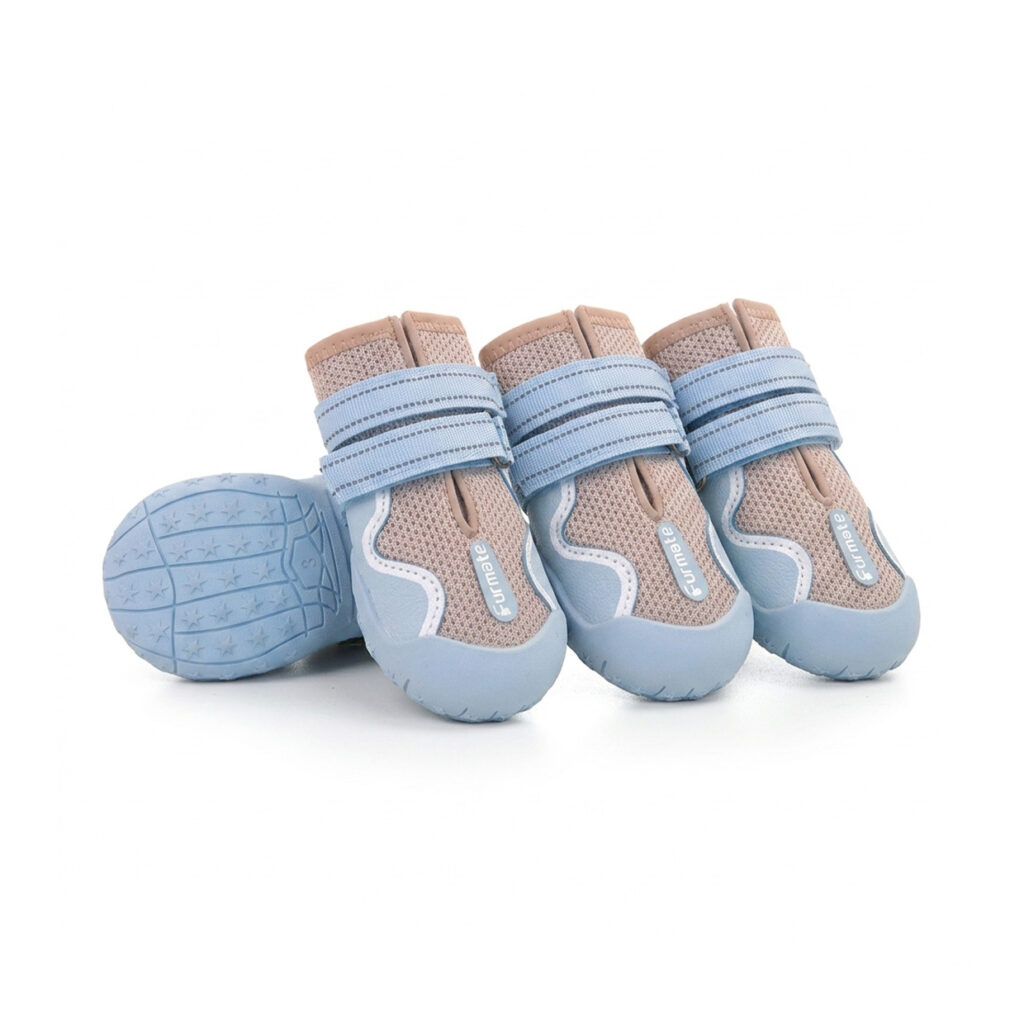
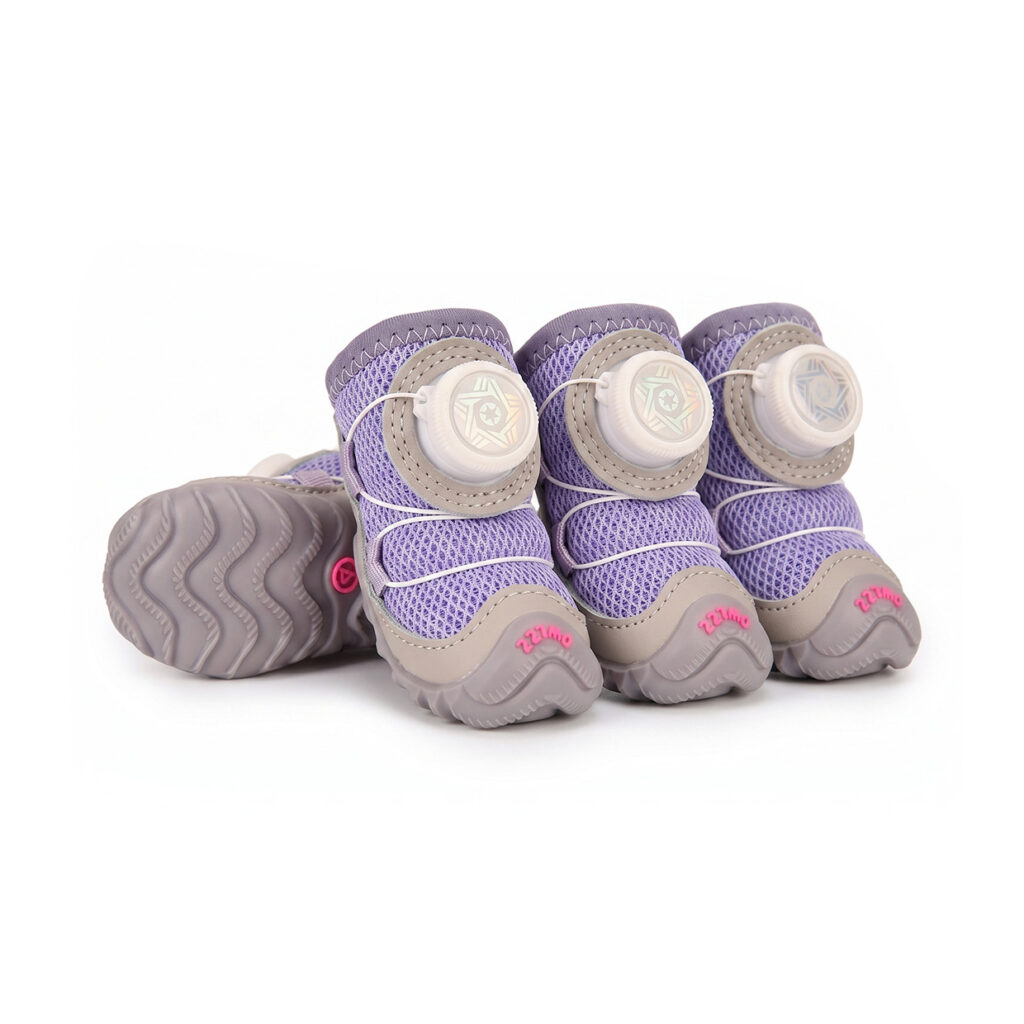
2. Ergonomic Indoor Soft-Sole Dog Shoes
Some dogs need more structure than fabric can give.
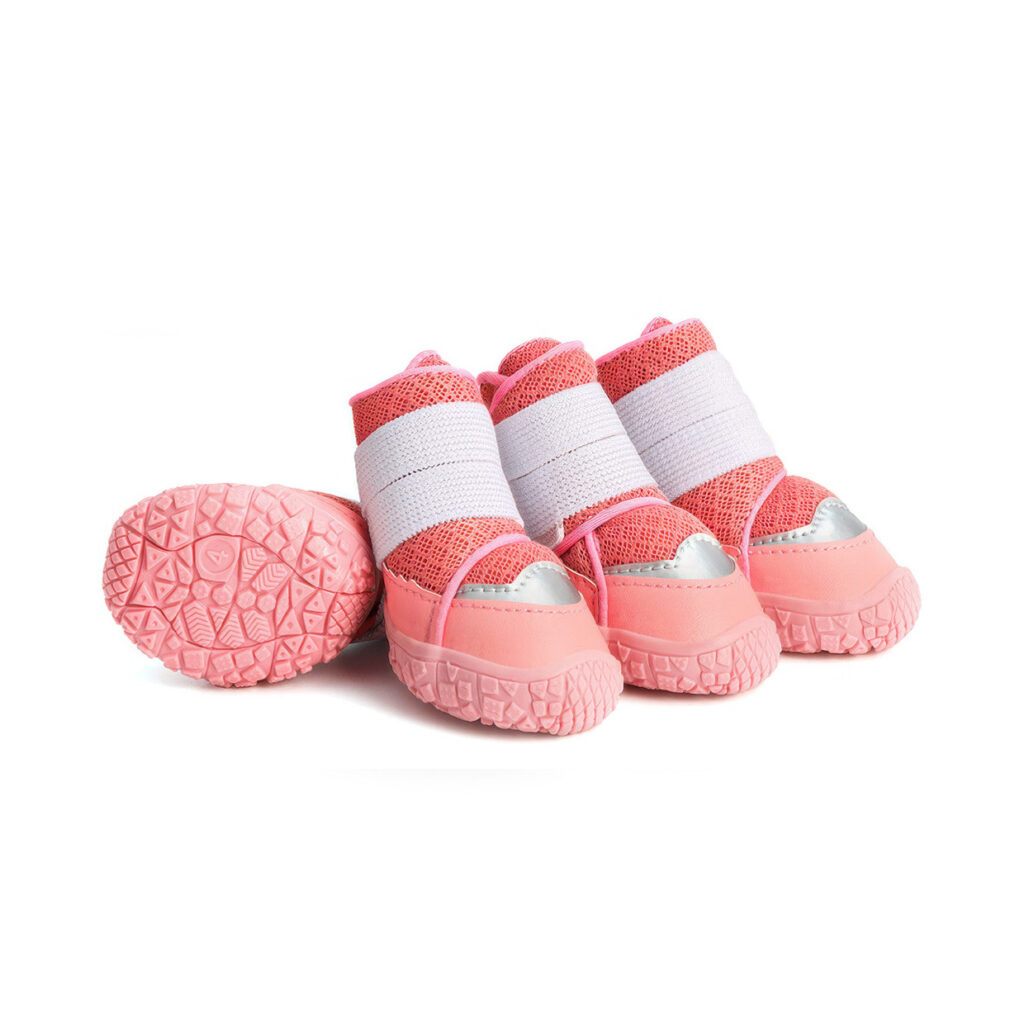
A flexible soft-sole indoor shoe puts a barrier between paw and floor, with traction underneath. It can help dogs with sensitive pads, mild paw dragging, or trouble keeping steady contact with the floor.
You may be comparing dog feet grippers, dog boots for hardwood floors, and paw covers for dogs that slip, which are really different products. The right pick depends on why your dog is slipping. A good indoor shoe should still let the paw move naturally. It shouldn’t feel like a stiff hiking boot.
If your dog is knuckling, dragging a limb, crossing their legs, or visibly weak, footwear is not a replacement for a veterinary or rehab assessment.
Flexible Indoor Dog Shoes
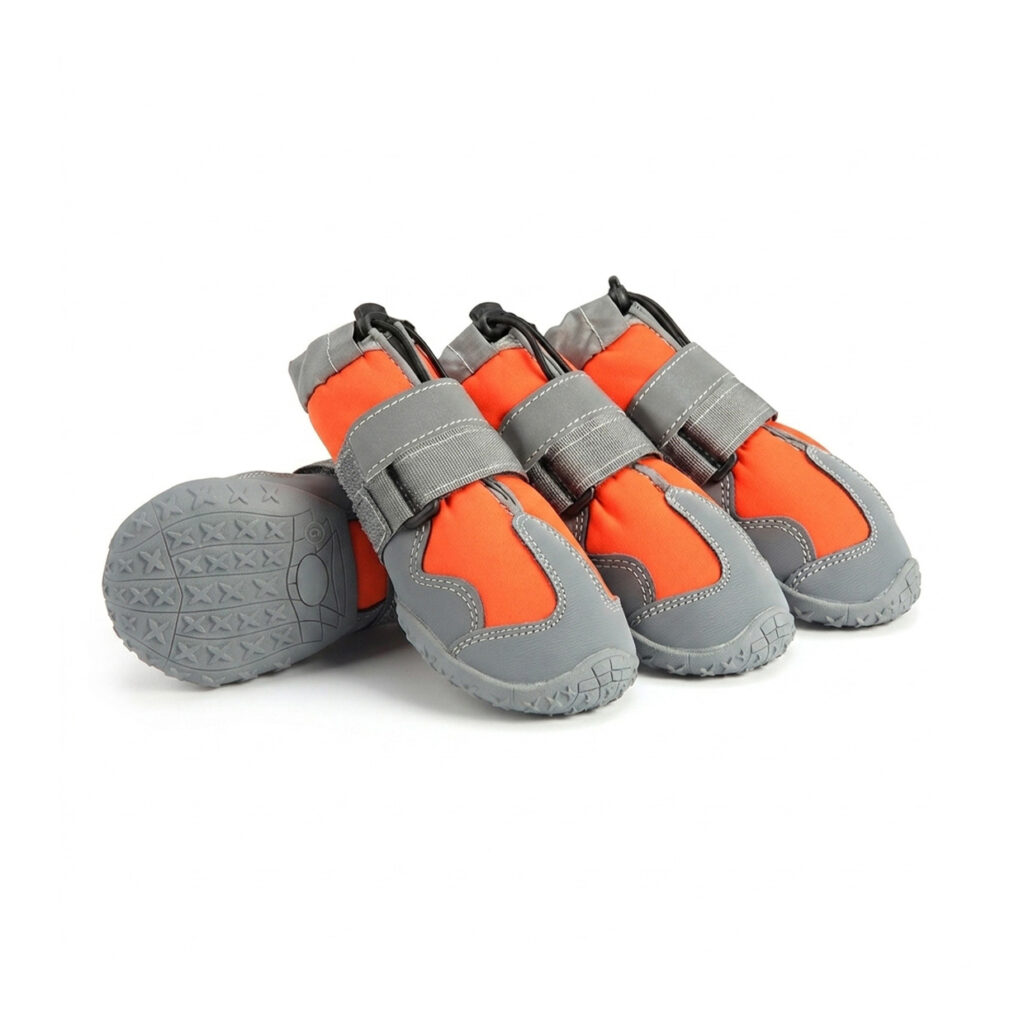
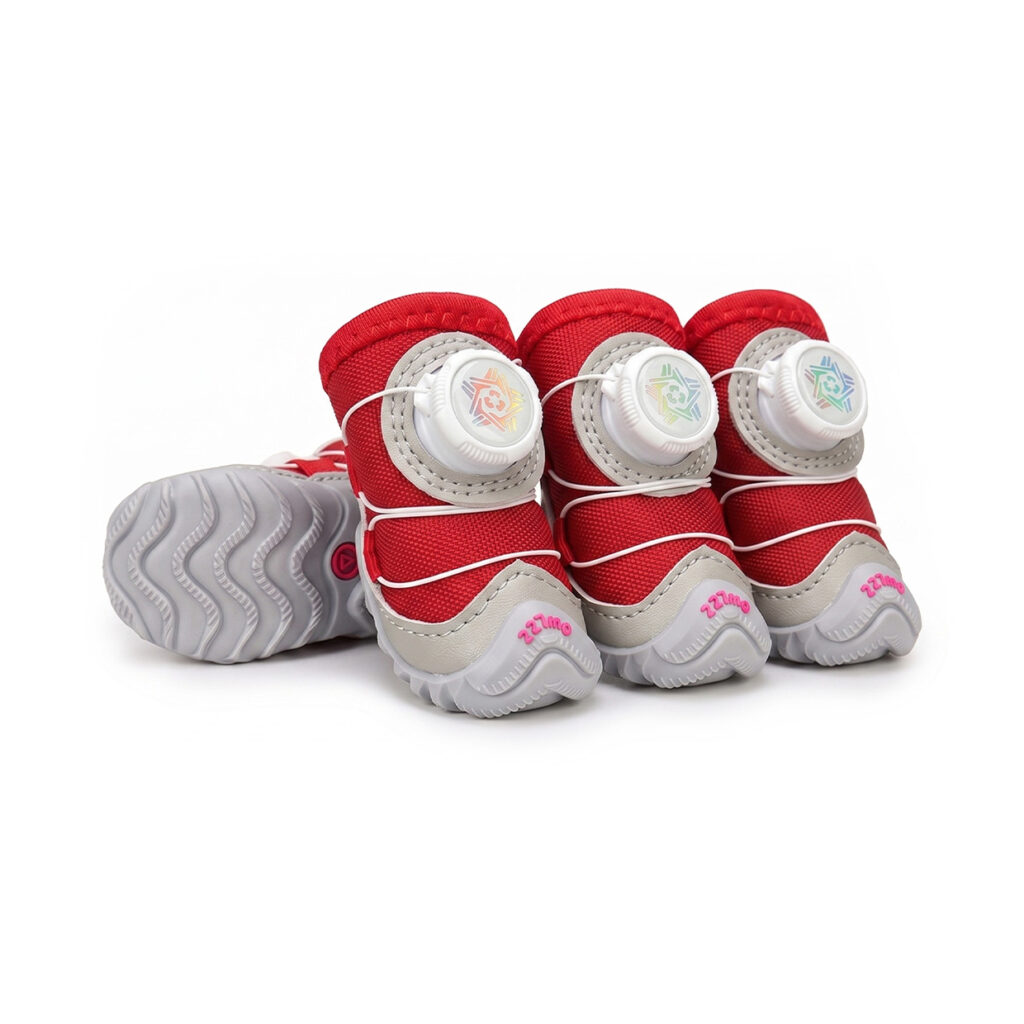
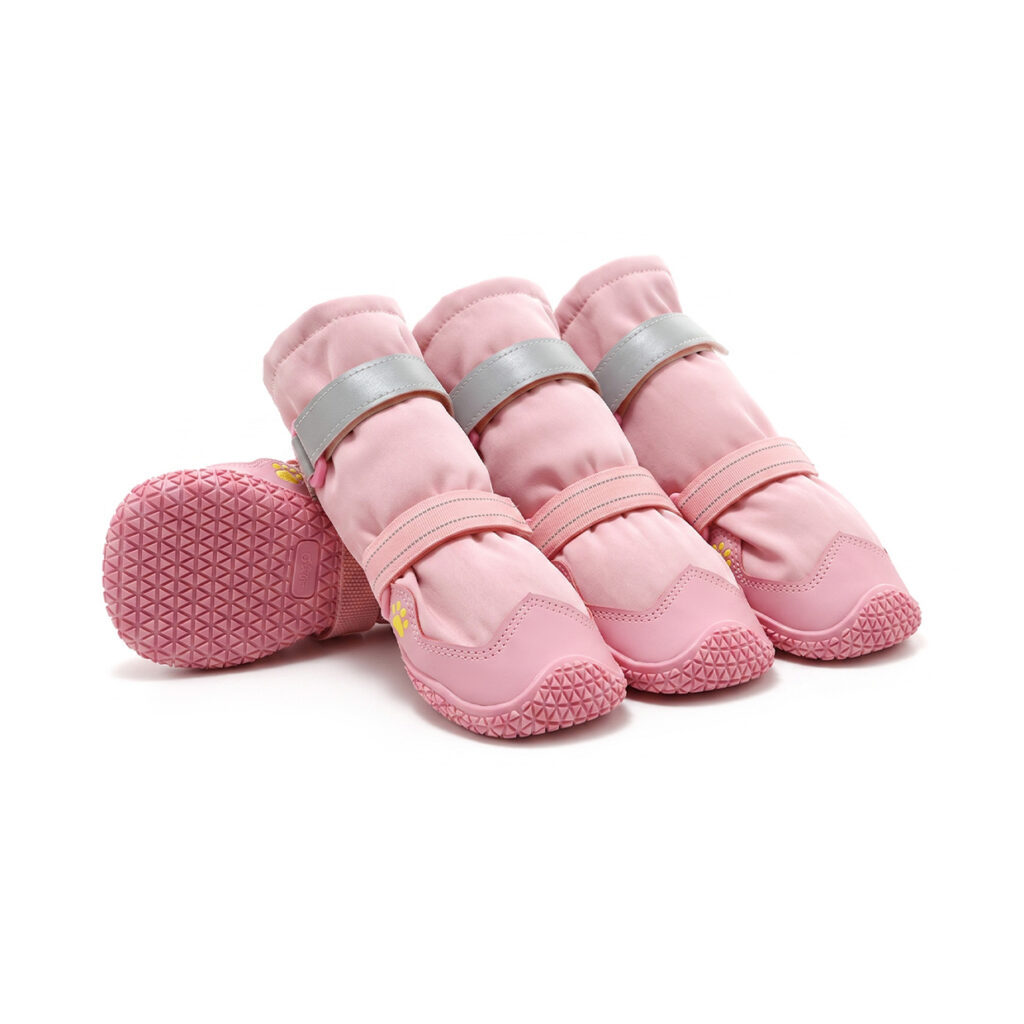
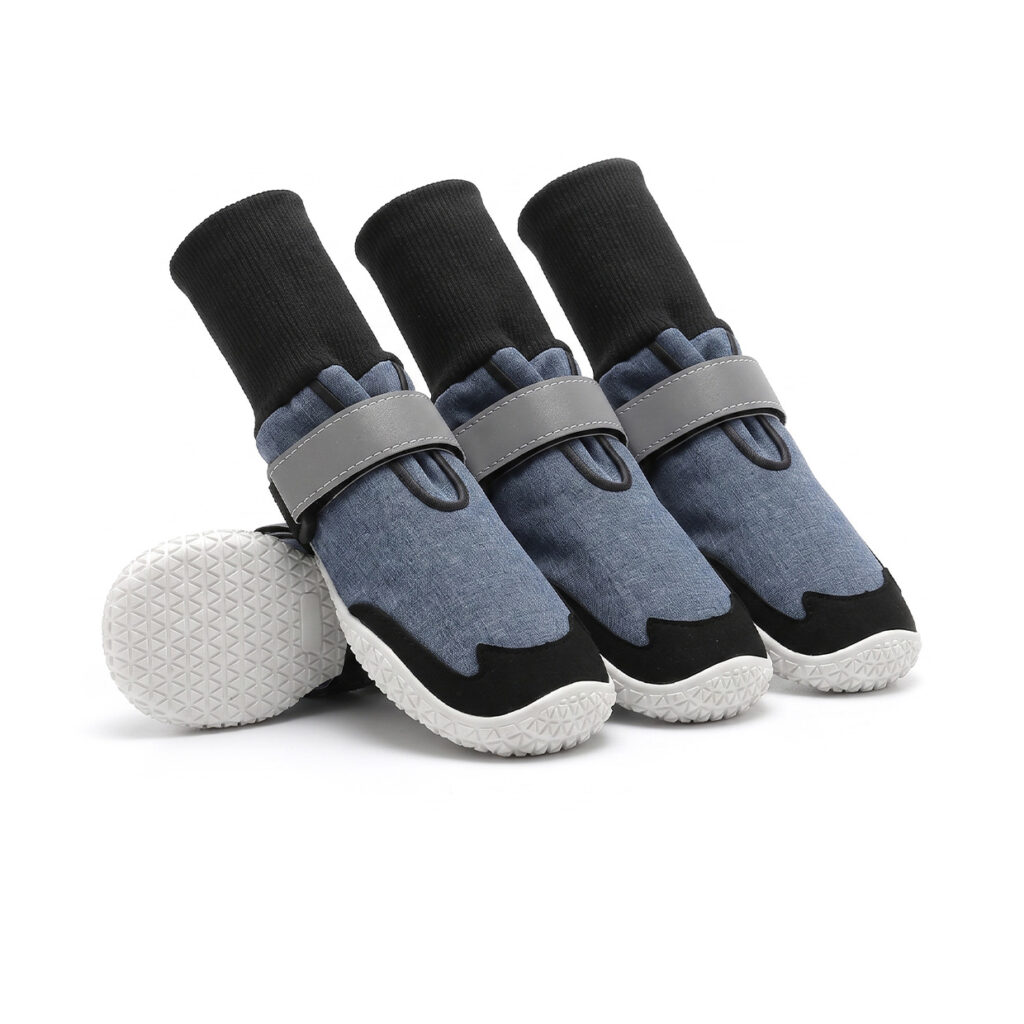
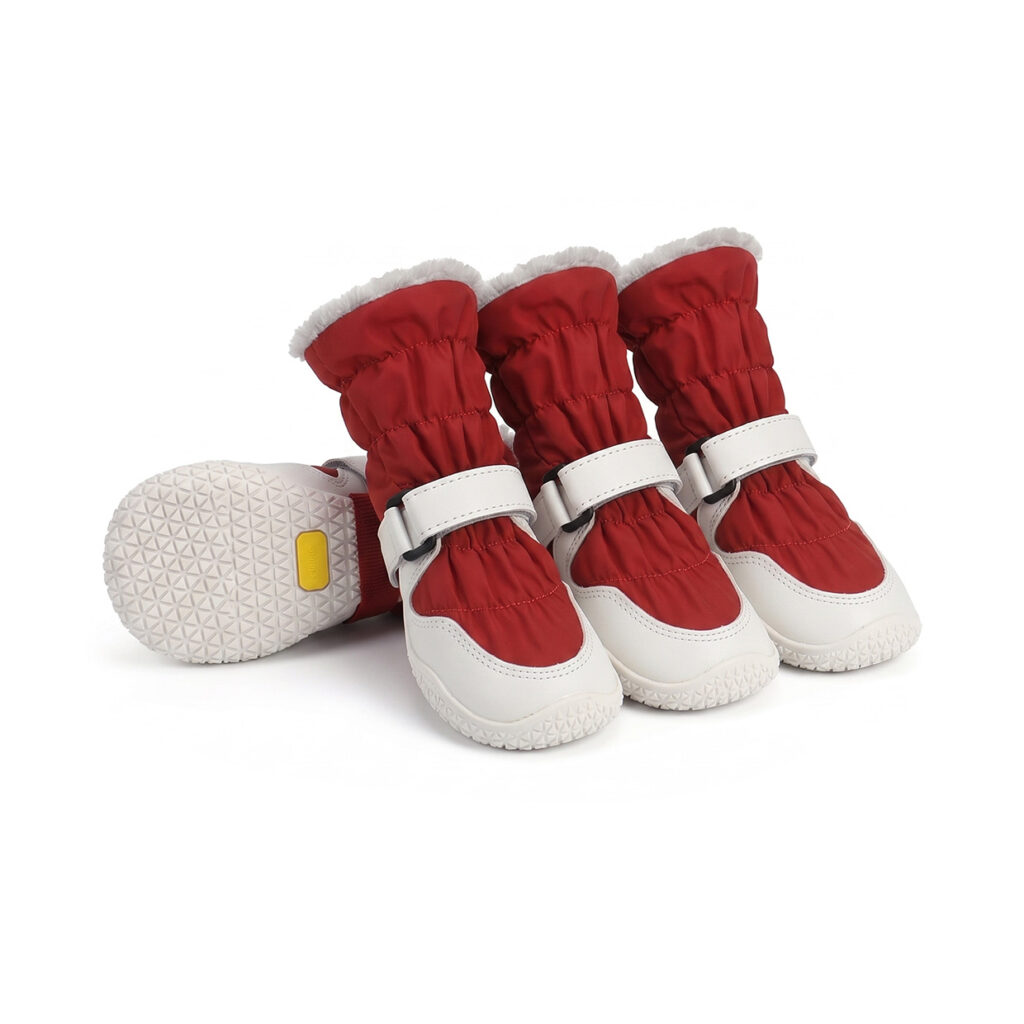
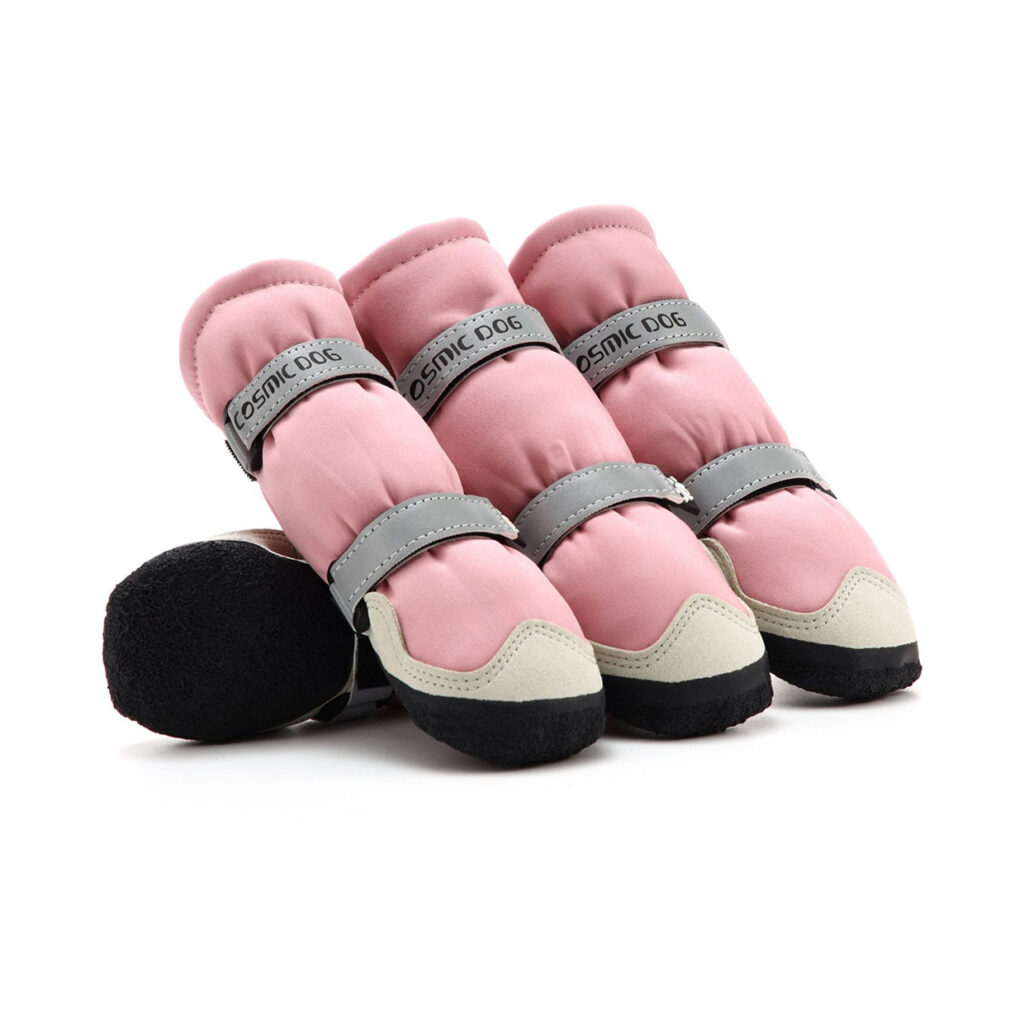
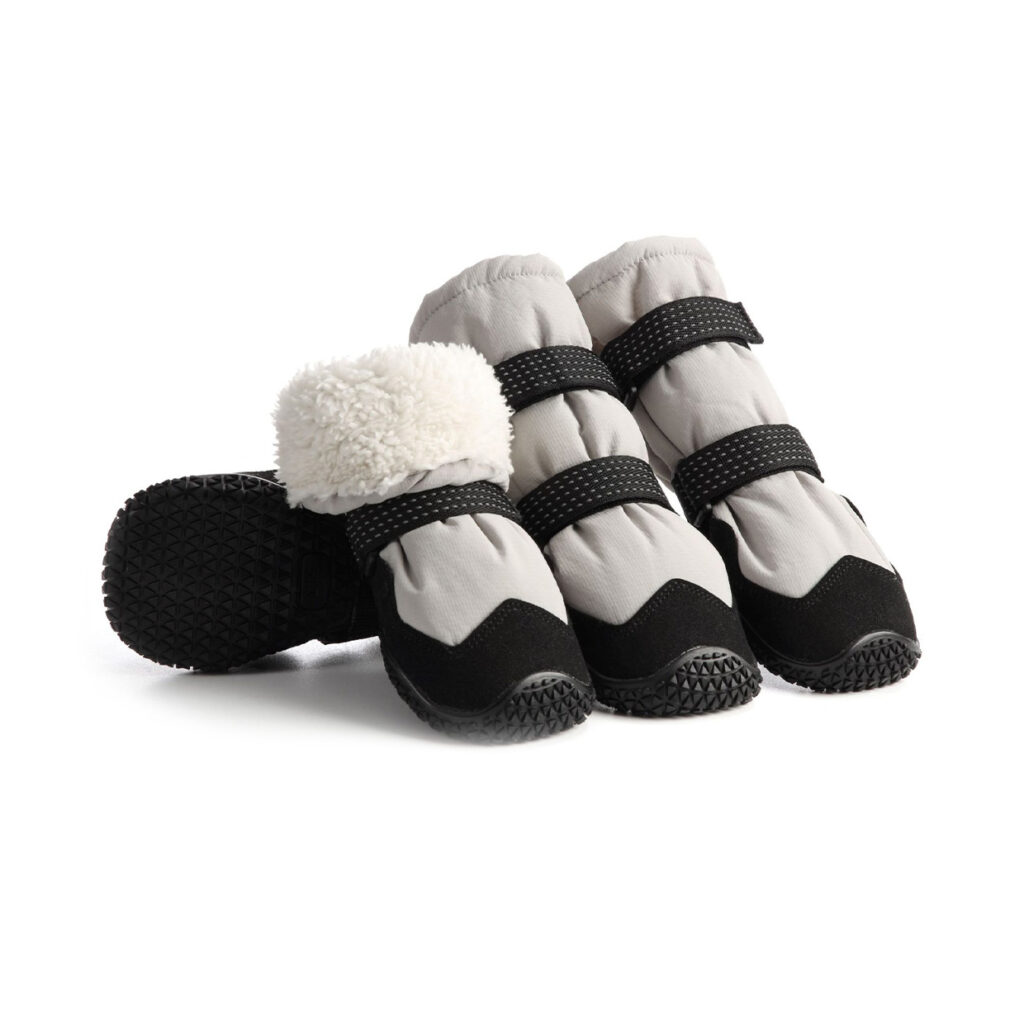
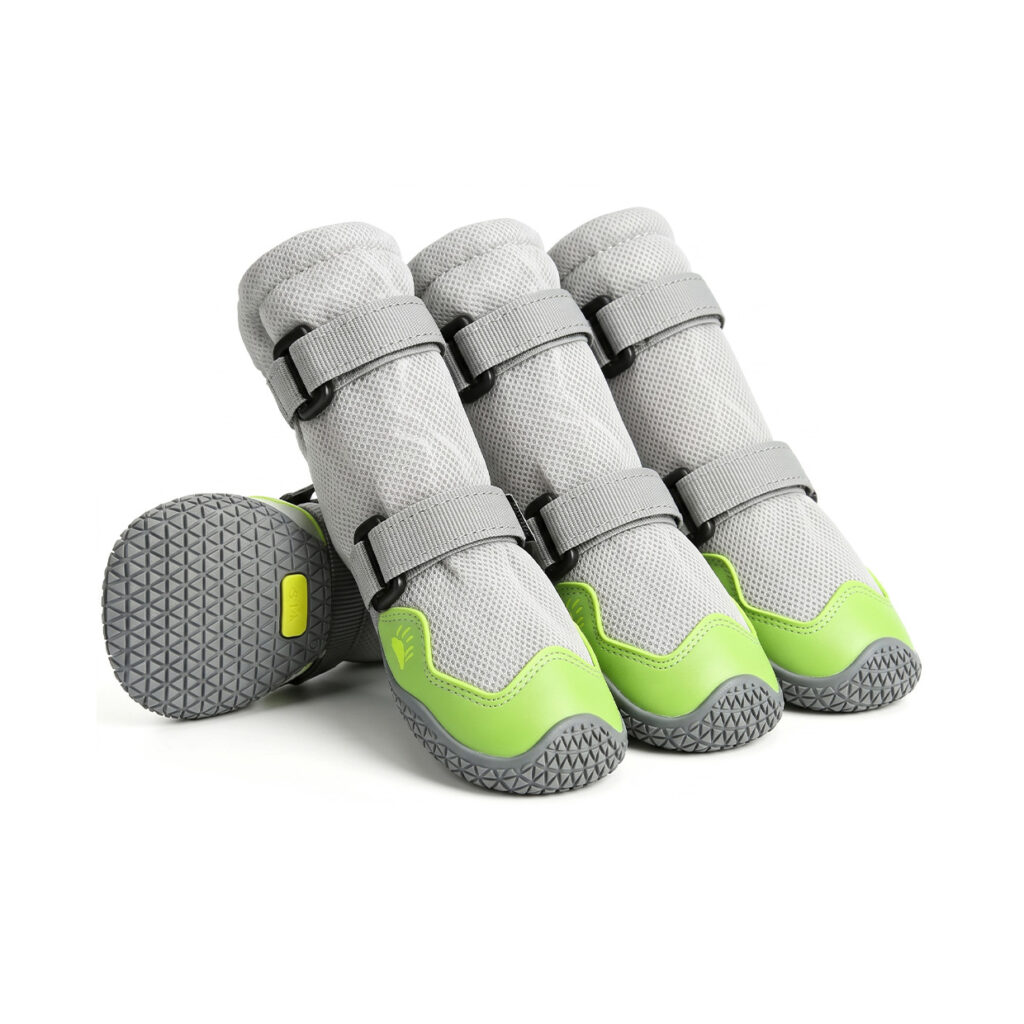
For hiking, snow, rough ground, or other outdoor hazards, you need a different category of gear:
Protective Outdoor Dog Boots
3. Regular Interdigital Fur Trimming
Fur that grows between the toes acts like a tiny sled. It lifts the pad off the floor and cuts down the surface touching the ground.
VCA Animal Hospitals recommends trimming fur that extends between the toes to improve traction for dogs with mobility problems. Keep nails short too. Long nails change how your dog bears weight, and you can often hear the problem as that telltale click-click on the floor.
It’s also one of the cheapest ways to improve paw friction for dogs, because it costs nothing.
Use blunt-tipped grooming scissors or a proper pet trimmer, and stay clear of the pad and the tender skin between the toes. If your dog fights paw handling, a groomer or vet team will do it more safely than a wrestling match on the kitchen floor.
4. Deep-Conditioning Paw Pad Balms
Dry pads deserve care, but the goal isn’t to make them as soft as possible. Pads still need some toughness to do their job.
A suitable dog paw balm can moisturize and protect dry skin, especially when pads look rough or cracked. If the problem is severe, keeps coming back, hurts, bleeds, or has your dog licking nonstop, find the cause. A cosmetic balm won’t solve it.
The AKC notes that treating hyperkeratosis depends on the cause. It also cautions against cutting or peeling thickened tissue at home, which can cause pain, bleeding, and infection. Balm supports everyday paw care. It doesn’t replace veterinary treatment for true hyperkeratosis or paw disease.
5. High-Traction Strategic Hallway Runners
Sometimes the best answer to improving paw friction for dogs is to change the floor, not the dog.
If your home has slick lacquer or laminate, explore our complete breakdown on preventing dog joint injuries from slipping on hardwood floors.
Put non-slip runners along the routes your dog uses most:
- Bed → water bowl
- Bed → backyard door
- Living room → kitchen
- Food area → resting area
- Around furniture where your dog turns
- At the top and bottom of stairs
VCA recommends non-slip rugs and runners for dogs struggling on hard flooring. It also warns that curled corners and loose edges are trip hazards of their own, so anchor everything firmly. A continuous traction path is especially useful for a senior dog who flat-out refuses footwear. For arthritic or mobility-limited dogs, VCA also mentions options like non-skid rugs, foam flooring, and lightweight traction boots, depending on what the individual dog accepts.
Confidence Building: Helping Stubborn Senior Dogs Accept Footwear
The best dog paw grips in the world are useless if your dog won’t wear them.
Seniors can be extra touchy about their feet. Don’t put on all four socks at once and expect a normal stroll. You’ll probably get the classic high-stepping, “what have you done to my legs” dance, and then a dog frozen in place. Go slowly instead.
- Let your dog investigate. Set the socks or shoes near the bed or another familiar spot. Let your dog sniff them. Don’t put them on yet.
- Touch the paw, no dressing yet. Gently handle the leg and paw. Reward calm behavior and stop before your dog gets uncomfortable. VCA recommends gradual paw-handling practice paired with positive reinforcement, and it points out that a dog’s toes have a high concentration of nerve endings.
- Start with one paw. Put on a single sock for a short time. Pair it right away with something wonderful, like a high-value treat or a favorite activity.
- Build up slowly. Once your dog stands comfortably, add a few steps on a non-slip surface. Don’t judge the fit by the first few seconds of walking. Watch for twisting, bunching, licking, chewing, redness, or attempts to pull the footwear off.
- Add real-life movement. When indoor walking feels easy, try turns, getting up from lying down, and short trips between rooms.
The real goal isn’t a dog who puts up with socks. It’s a dog who connects them with comfortable, confident movement.
Frequently Asked Questions (FAQ)
Why do senior dogs lose paw friction on hardwood floors?
It’s usually a mix: drier or harder pads, longer nails, fur between the toes, weaker muscles, and sore joints. Pad thickening can also have causes beyond age, so don’t assume it’s “just getting old.” If your dog suddenly avoids hardwood, struggles to get up, or limps, have your vet take a look.
Are stick-on adhesive paw pads safe for older dogs?
Not automatically. They give short-term grip, but edges lift, dirt gets trapped, and some dogs lick or chew them. Certain adhesives are dangerous if swallowed. For everyday indoor use, reusable traction socks or well-fitted indoor shoes are easier to watch and take off.
How do anti-slip socks help build confidence in aging dogs?
They add a high-friction surface under the paw, so there’s less sliding. Dogs who’ve slipped a few times often get nervous and stop crossing rooms. When the floor feels predictable again, many move around more freely. Treat socks as one part of a bigger plan that also includes runners, nail care, healthy weight, and pain management.
Can my senior dog sleep in grip socks?
Usually it’s better to take them off at night unless your vet says otherwise. Overnight wear makes it harder to spot dampness, rubbing, swelling, or irritation. A resting dog also doesn’t need traction. After each wear, check for redness, dampness, hair matting, or sore spots.
What is the best way to clean indoor grip socks to maintain traction?
Follow the label first. Generally, a gentle wash with mild detergent and a thorough air dry works best. Skip fabric softener if the maker warns against it, since residue can slick up the tread. Before each use, check for worn spots, peeling, trapped debris, or stiffness, and replace worn pairs.
A Practical Senior-Dog Traction Checklist
If your dog keeps slipping, run through these basics before buying a pile of products.
Check the paws:
- Are the pads dry, cracked, unusually thick, or painful?
- Is there extra fur between the toes?
- Do the nails touch or click on the floor?
Check the environment:
- Are your hardwood or tile floors highly polished?
- Is there a continuous non-slip route between sleeping, eating, drinking, and outdoor spots?
- Are rugs firmly anchored, with no curled edges?
Check your dog’s movement:
- Is the slipping new?
- Does your dog struggle to rise?
- Is there limping or obvious pain?
- Is a back leg dragging or knuckling?
- Has your dog started avoiding stairs or slippery rooms?
VCA advises improving household traction while also addressing nails, rugs, flooring, and underlying mobility problems. If your dog’s mobility has changed suddenly or keeps declining, a vet exam matters far more than adding dog paw grips for hardwood floors.
Help Your Senior Best Friend Stand Tall & Walk Fearlessly!
Watching your senior companion struggle to rise on slick floors is hard. But better footing often starts with simple changes at home.
Give your aging dog a steadier walking surface, from non-slip runners and good paw care to comfortable indoor traction footwear. Explore our collection of breathable anti-slip dog socks and lightweight indoor dog shoes, designed for everyday movement around the house.
Shop Senior Dog Traction Socks & Shoes Now