Free Shipping on All Orders | 30-Day Easy Returns
Dog Paw Wear Guide: Shoes, Boots, or Socks?
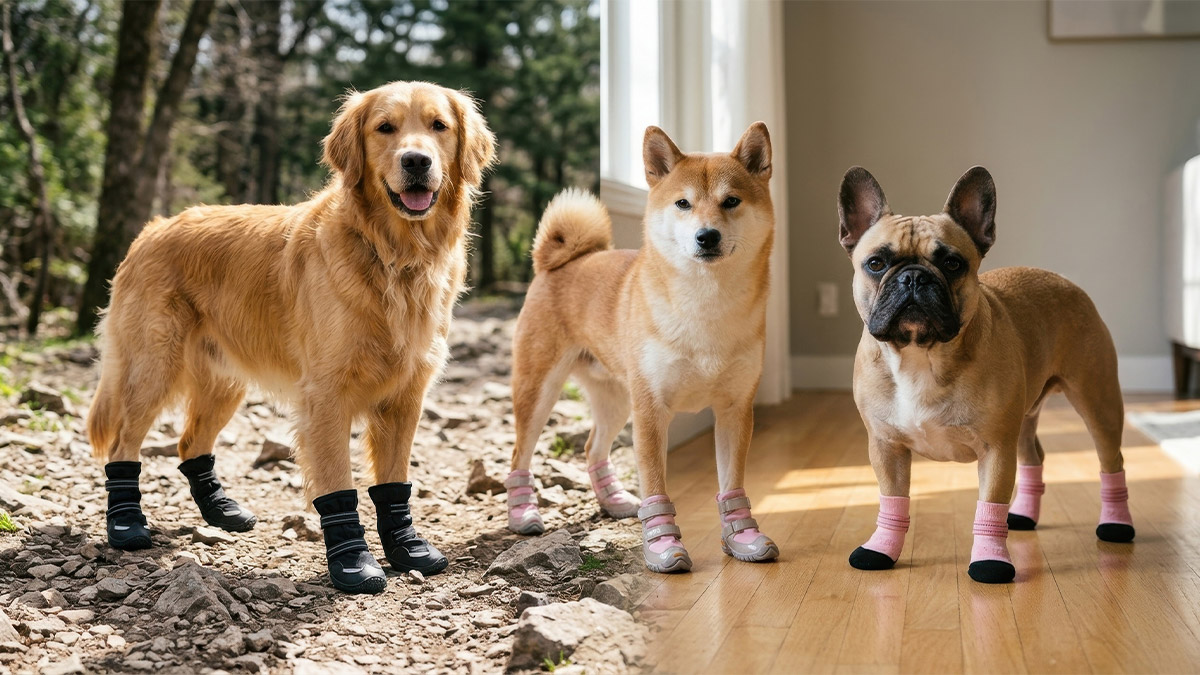
Table of Contents
If you’ve ever watched your dog do that stiff-legged, high-stepping hop across hot asphalt or slide across the kitchen floor like a cartoon character, you already know: paws need backup sometimes. Choosing the right dog paw wear isn’t about babying your pup — it’s about matching the gear to the ground they’re walking on. And honestly, the difference between the right choice and the wrong one can mean an active, happy dog versus a limping, miserable one.
Paw pads are tough, but they weren’t built for scorching sidewalks, road salt, jagged trail rocks, or that suspiciously slippery hallway runner. Extreme heat and cold, plus rough or slick surfaces, can lead to burns, cracked pads, cuts, and — especially in older dogs — real mobility trouble.
So whether your dog needs serious outdoor armor or just a little extra grip around the house, picking the right type of footwear matters as much as picking the right size. Below, we’re breaking down the three main categories — dog shoes, dog boots, and dog socks — what each one is actually built for, and how to figure out which one your dog needs (sizing tips included, because a bad fit ruins even the best gear).
Why Your Dog Actually Needs Paw Protection
Dog paw pads are naturally tough little things — but “tough” doesn’t mean invincible. Day after day of exposure to extreme surfaces slowly wears them down, and the damage often shows up before owners even realize what’s happening.
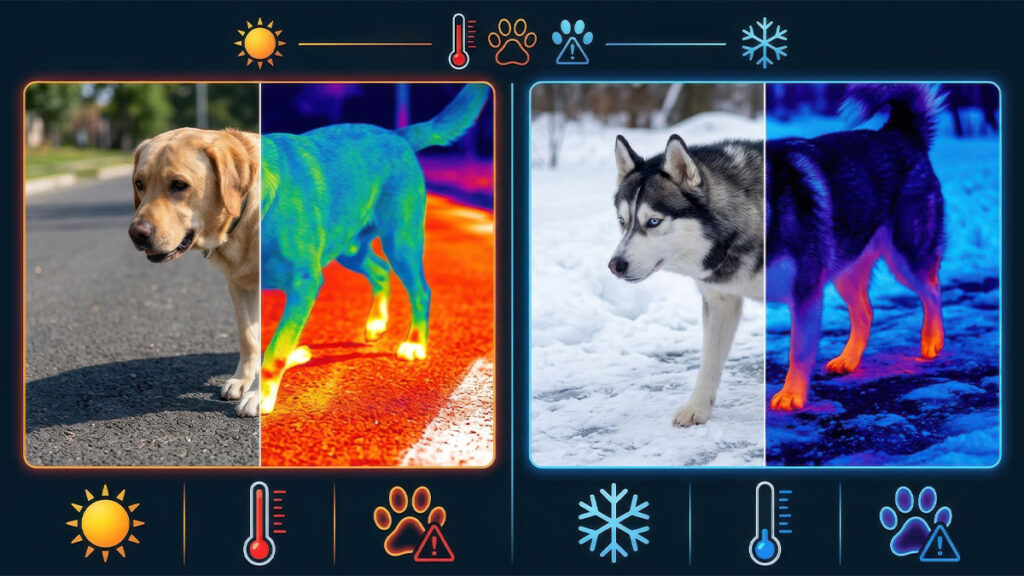
Summer heat is the sneaky one. Air temperature can feel totally manageable while the pavement underneath is quietly cooking. Asphalt soaks up heat and holds onto it, and it doesn’t take long — sometimes just seconds — for that surface to burn sensitive paw tissue. If you’ve ever pressed the back of your hand to the sidewalk before a walk (and you should), you know exactly how fast that pavement can go from “warm” to “ouch.”
Winter brings its own headaches. Ice balls up between the toes, snow packs into paw fur, and de-icing salt is basically a chemical irritant sitting right where your dog walks. Over a season, that combination cracks pads, causes inflammation, and turns a simple walk into a painful chore.
And indoors isn’t automatically safe either. Hardwood, tile, laminate — dogs slide on all of it, and repeated slipping puts real strain on joints and muscles, especially for seniors or dogs recovering from injury or surgery.
The fix is simple in concept: create a barrier between the paw and whatever’s causing the problem. Which barrier you need depends entirely on your dog’s daily environment, activity level, and age.
For more seasonal detail, this one’s worth a read: dog paw summer care tips.
The American Kennel Club’s guidance on hot pavement safety is also a solid reference if you want the science behind the burns.
Dog Shoes, Boots, or Socks? The Real Differences
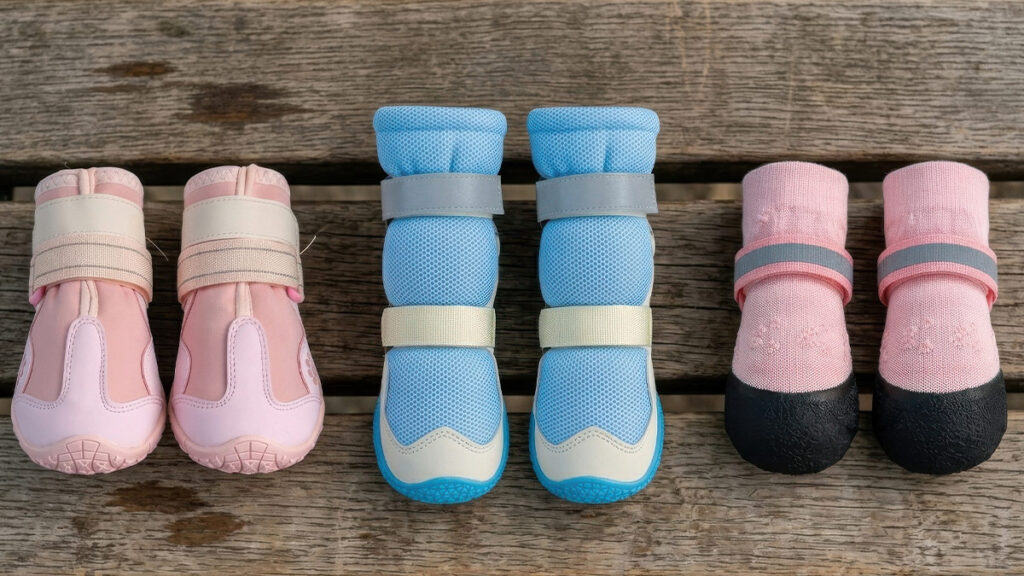
Here’s where a lot of dog owners get stuck — these three products get lumped together, but they’re really solving three different problems.
| Feature | Dog Shoes | Dog Boots | Dog Socks |
|---|---|---|---|
| Material | Lightweight mesh, fabric, flexible rubber | Waterproof fabric, thick rubber soles, reinforced panels | Soft cotton, polyester, silicone grip |
| Primary Use | Everyday walks, summer protection | Snow, hiking, extreme weather | Indoor traction and comfort |
| Weather Compatibility | Warm weather, mild conditions | Ice, snow, rain, rough terrain | Indoor use only |
| Traction Level | Medium | High | Medium to high on smooth floors |
Once you see them laid out like this, the choice usually becomes obvious pretty quickly — it just depends on where your dog spends most of their time.
Dog Shoes: Everyday Outdoor Protection & Breathability
Dog shoes are the “grab and go” option — lighter than boots, easier for most dogs to accept, and built for regular walks rather than expeditions.
The big selling point here is airflow. Good dog shoes use breathable mesh that still shields paws from hot concrete, gravel, and everyday street debris, without turning a summer walk into a sweaty ordeal for your dog’s feet.
If you’ve been hunting for breathable dog shoes for summer heat, this is the category to focus on — you want ventilation and protection working together, not one canceling out the other.
Dog shoes make the most sense for:
- Daily neighborhood walks
- Warm-weather outdoor activities
- City sidewalks and pavement
- Casual trail walking
Take a Look at the Everyday Options Here
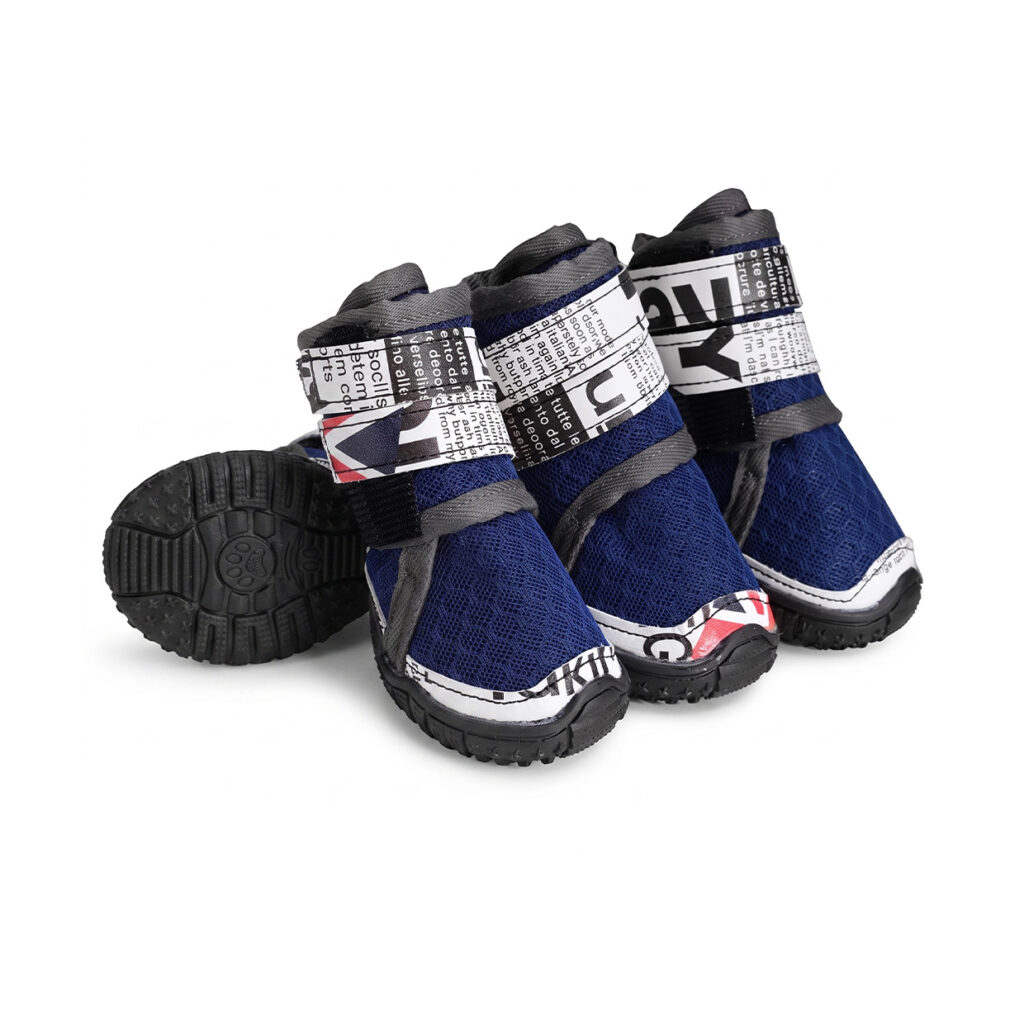
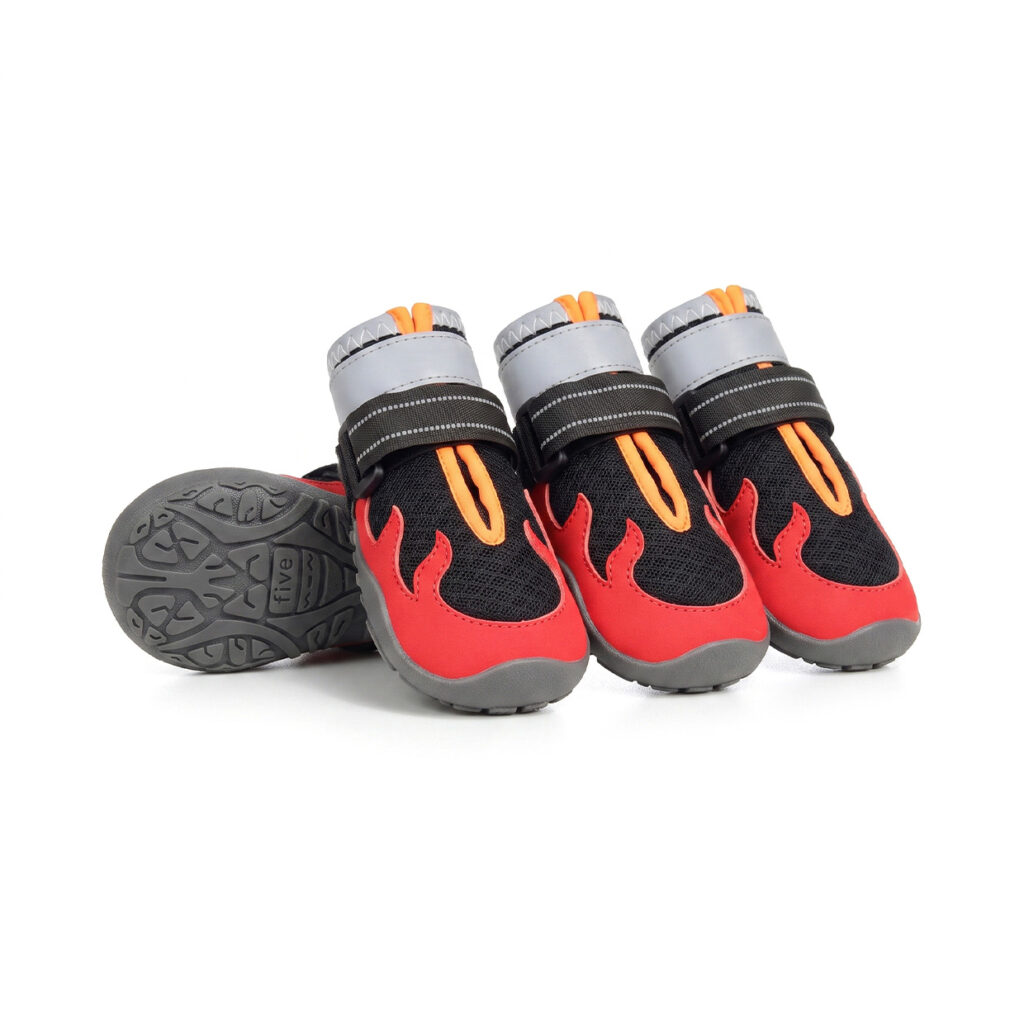
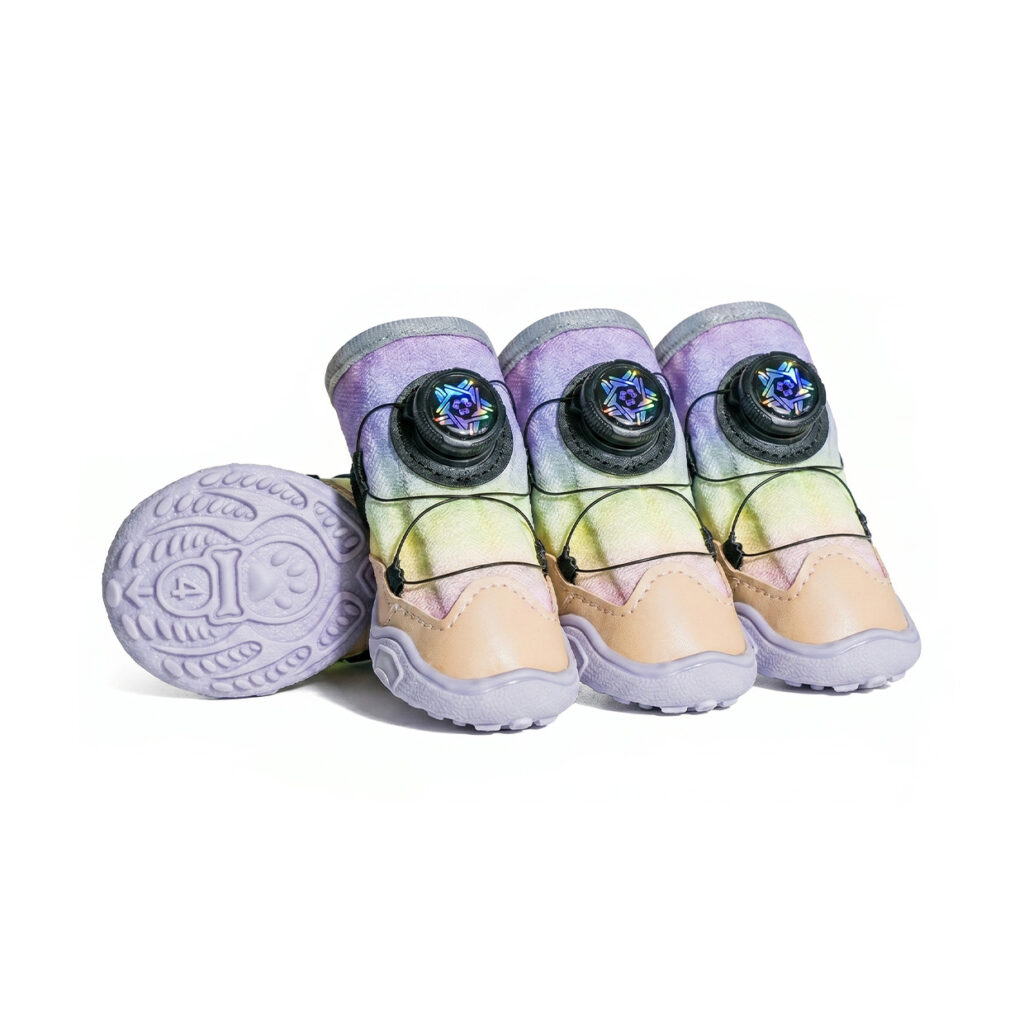
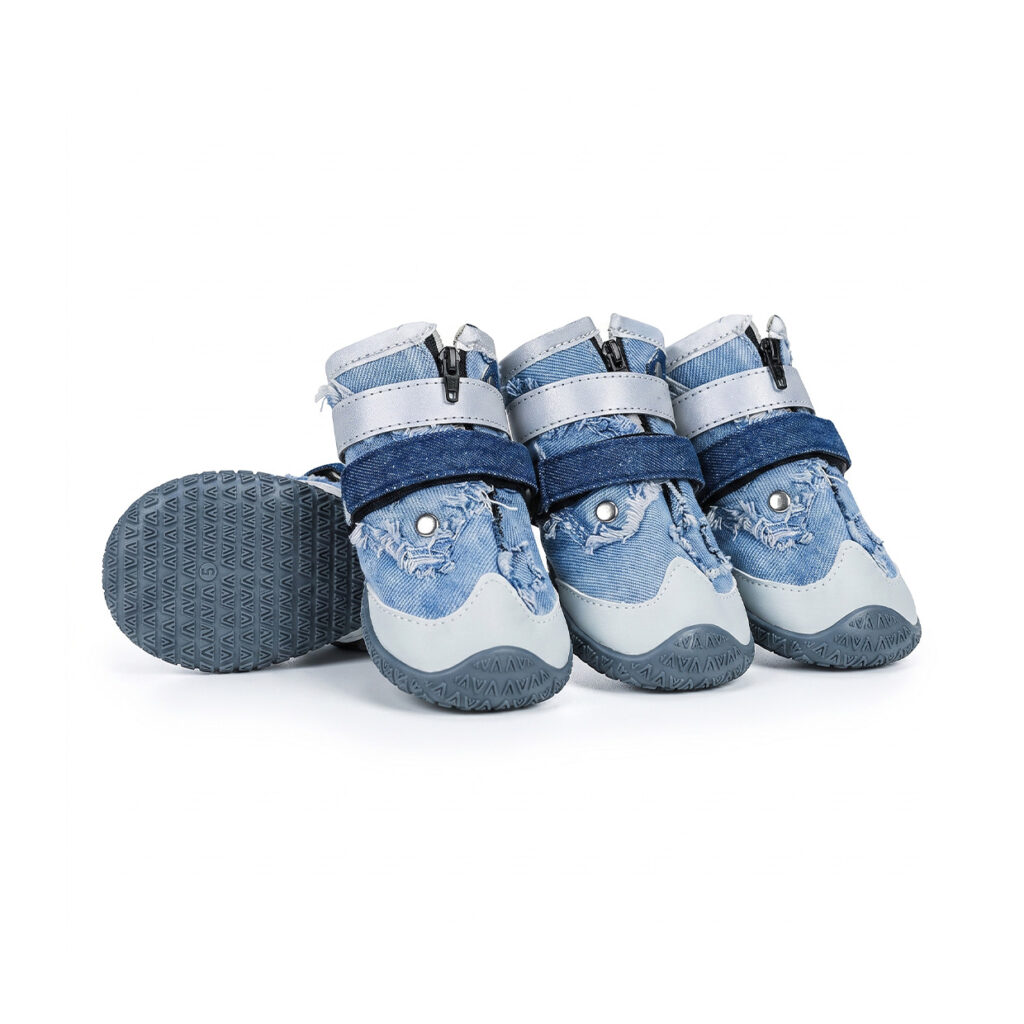
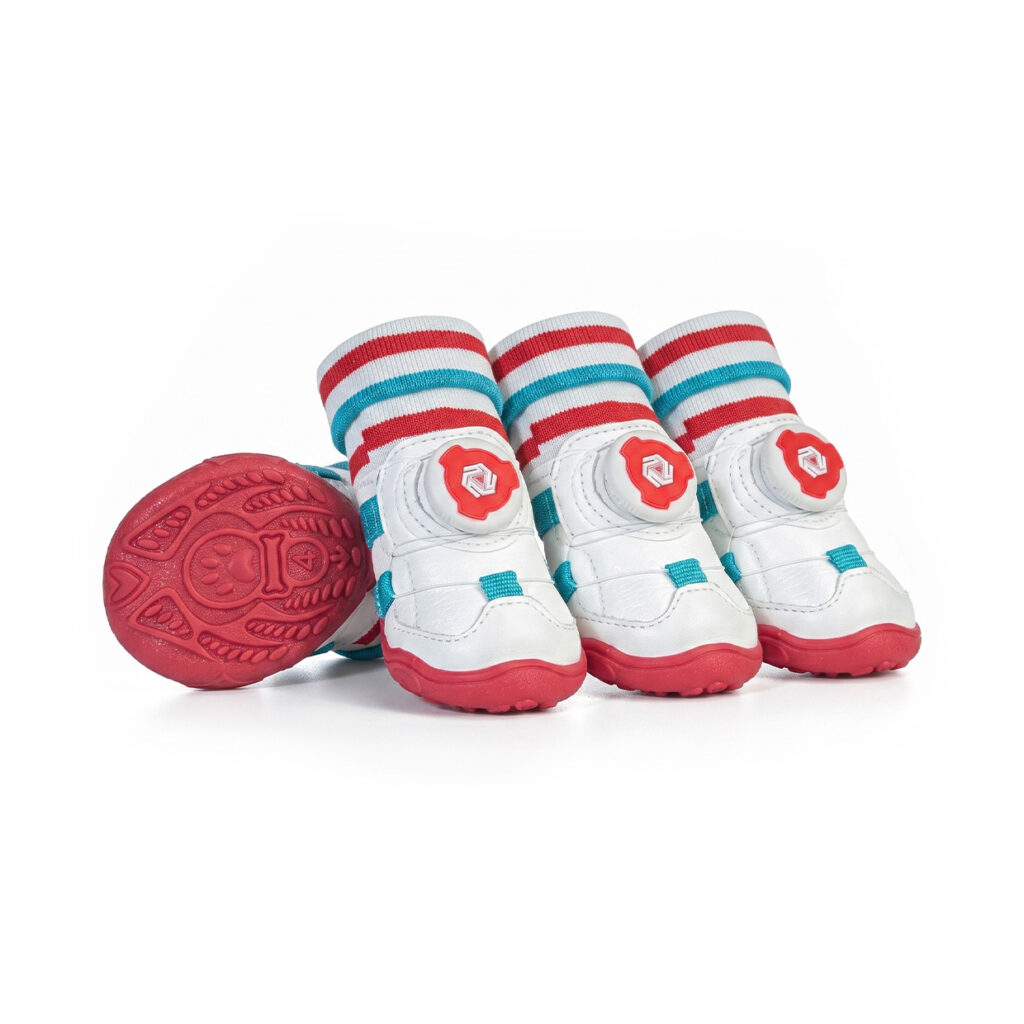
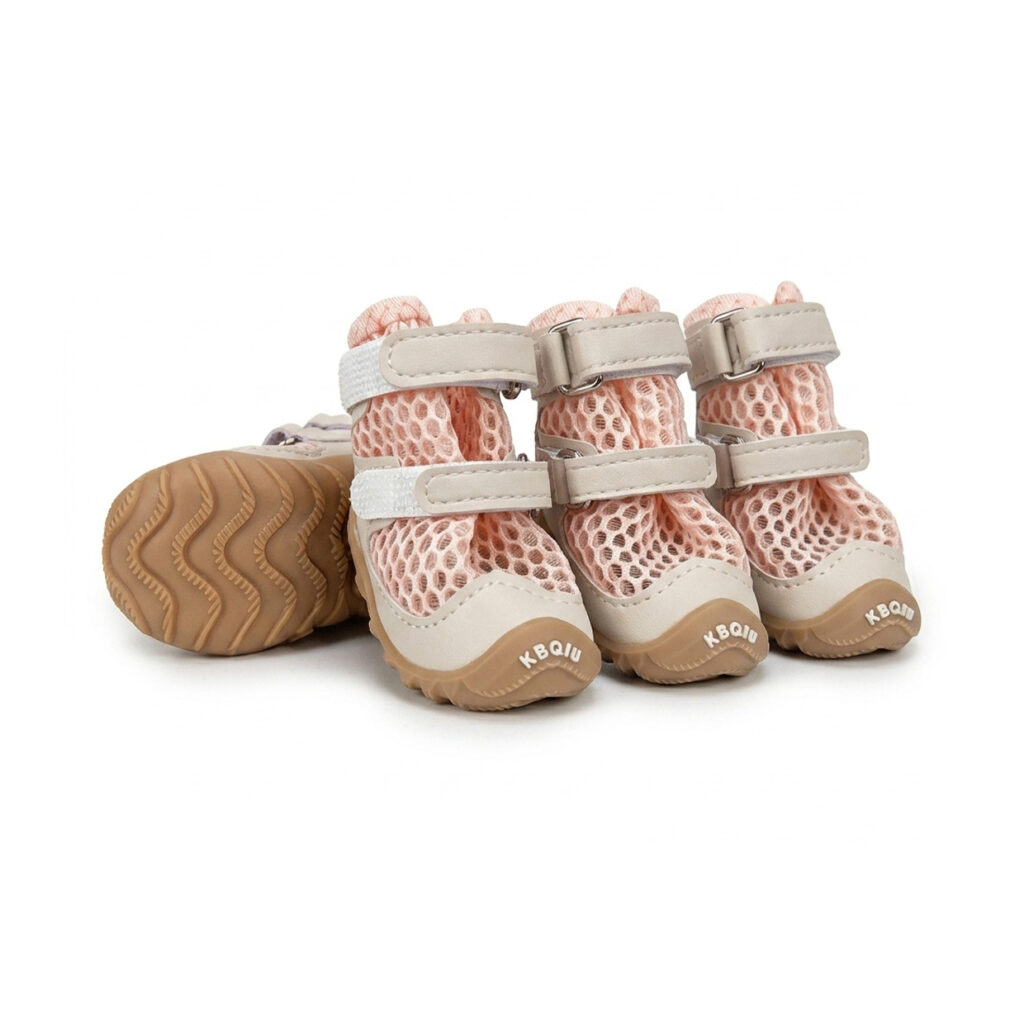
If you’re walking on scorching pavement during summer, explore our wide selection of breathable dog shoes built with heat-resistant soles.
Dog Boots: Heavy-Duty Protection for Extreme Elements
When conditions get serious, boots step up in a way shoes just can’t. Think thicker soles, tougher materials, and construction meant to survive actual wear and tear — not just a stroll around the block.
Solid winter/hiking boots typically include:
- Thick, anti-slip rubber soles
- Waterproof outer shells
- Insulated lining for cold weather
- Secure double Velcro straps
- Reinforced toe caps
When you’re figuring out how to choose dog boots for winter, focus on four things: insulation, waterproofing, sole grip, and a fastening system that stays put without cutting off circulation. Good winter boots should block out snow, ice, and road salt while still letting your dog’s paw flex and move naturally.
Boots are the right call for:
- Snow and ice
- Winter hiking
- Rocky or uneven trails
- Long outdoor adventures
For the Heavy-duty Stuff
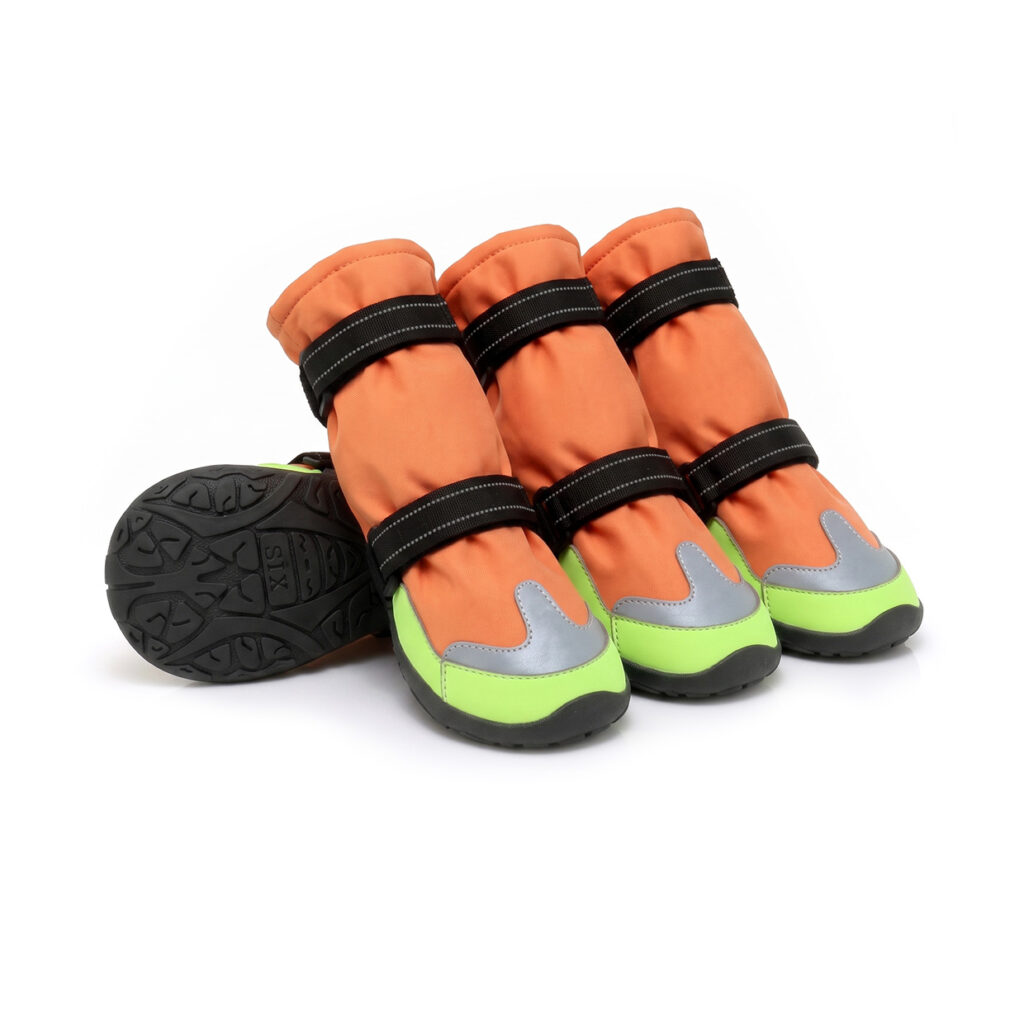
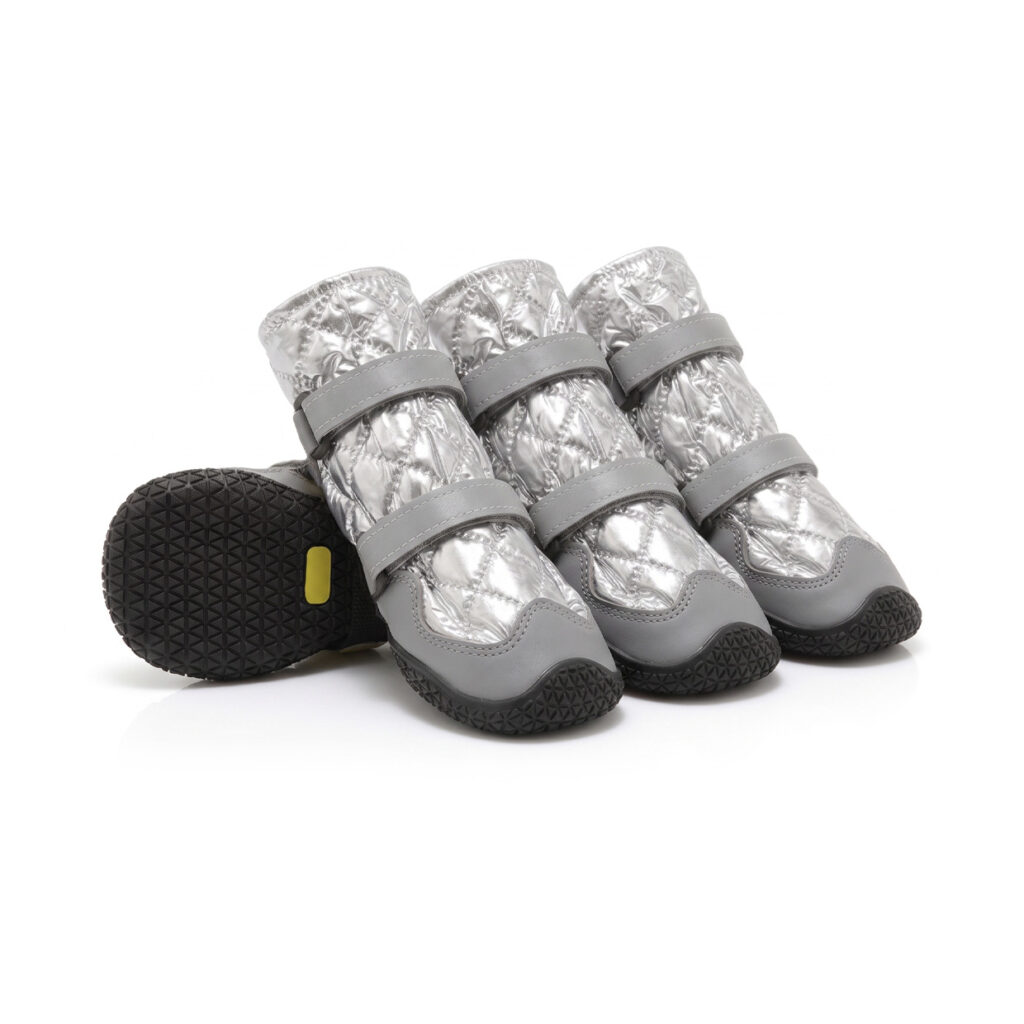
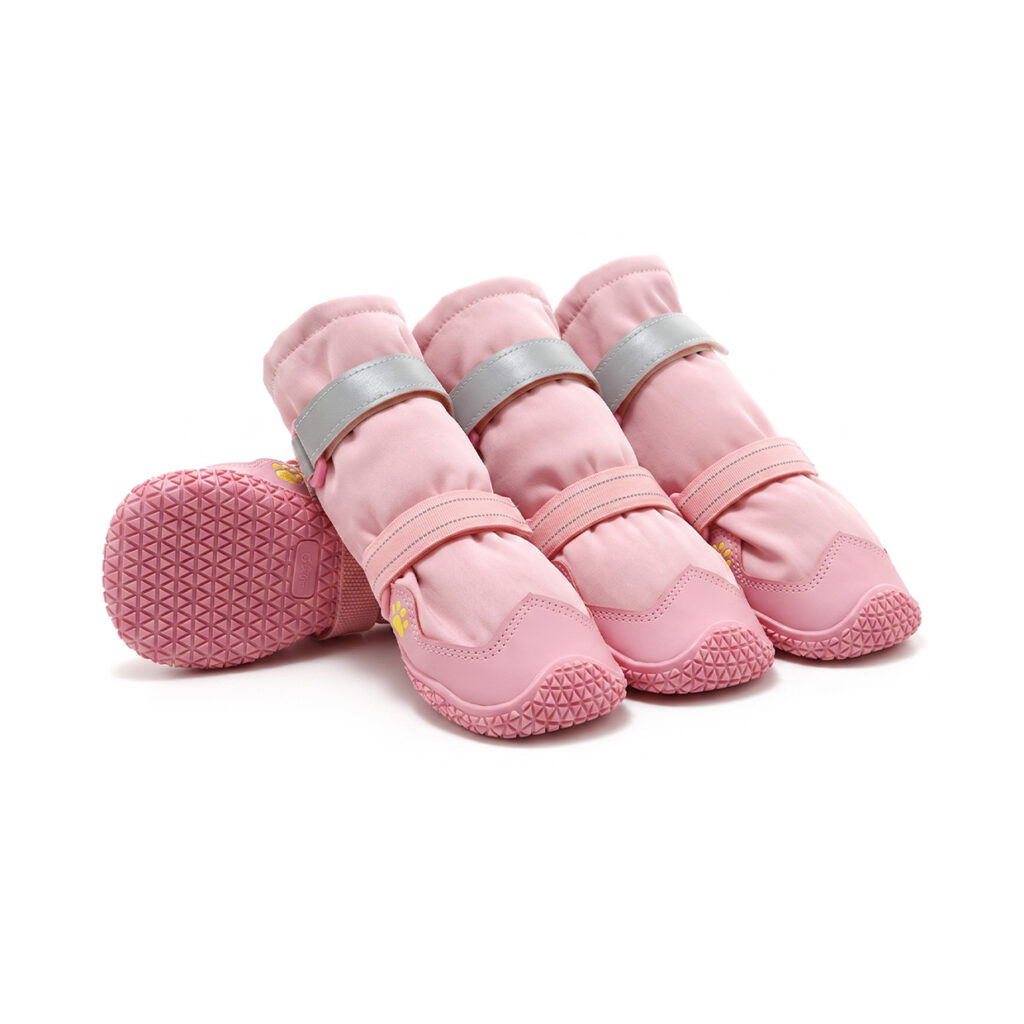
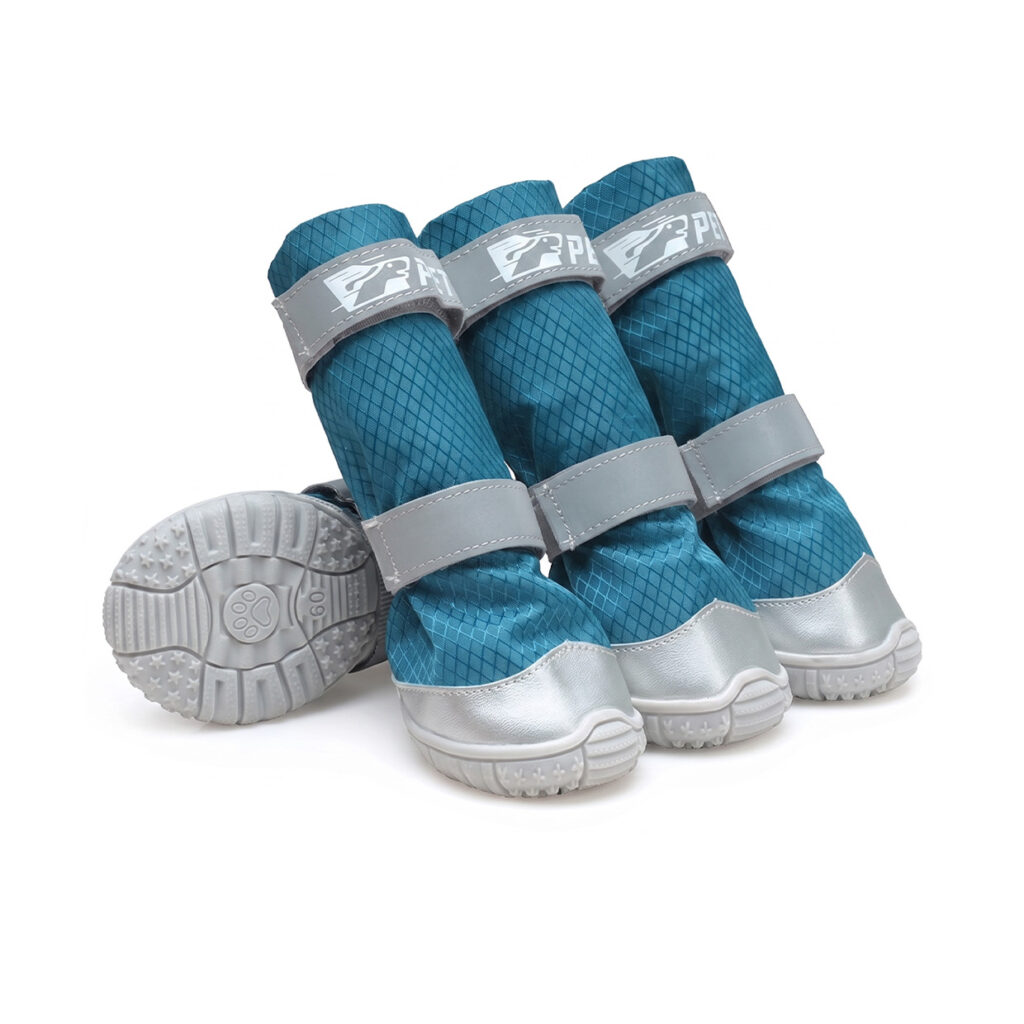
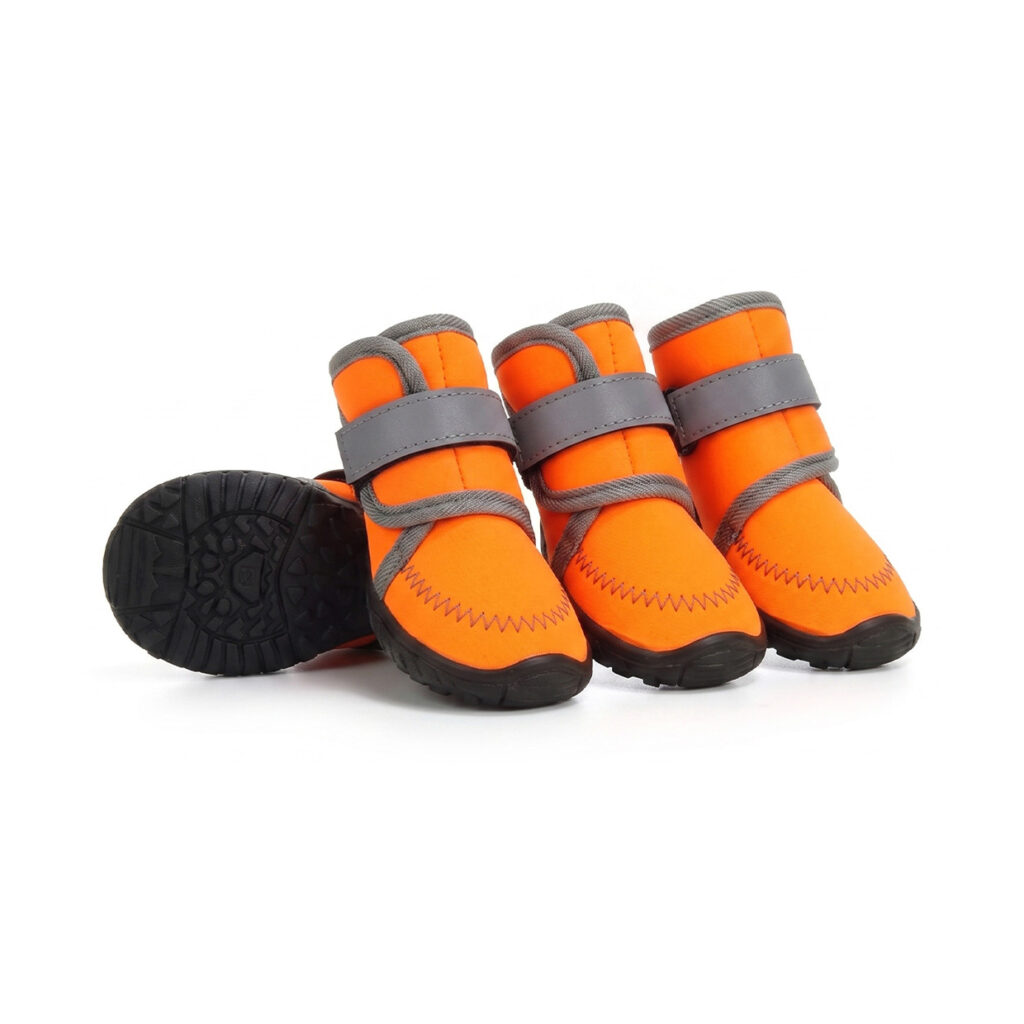
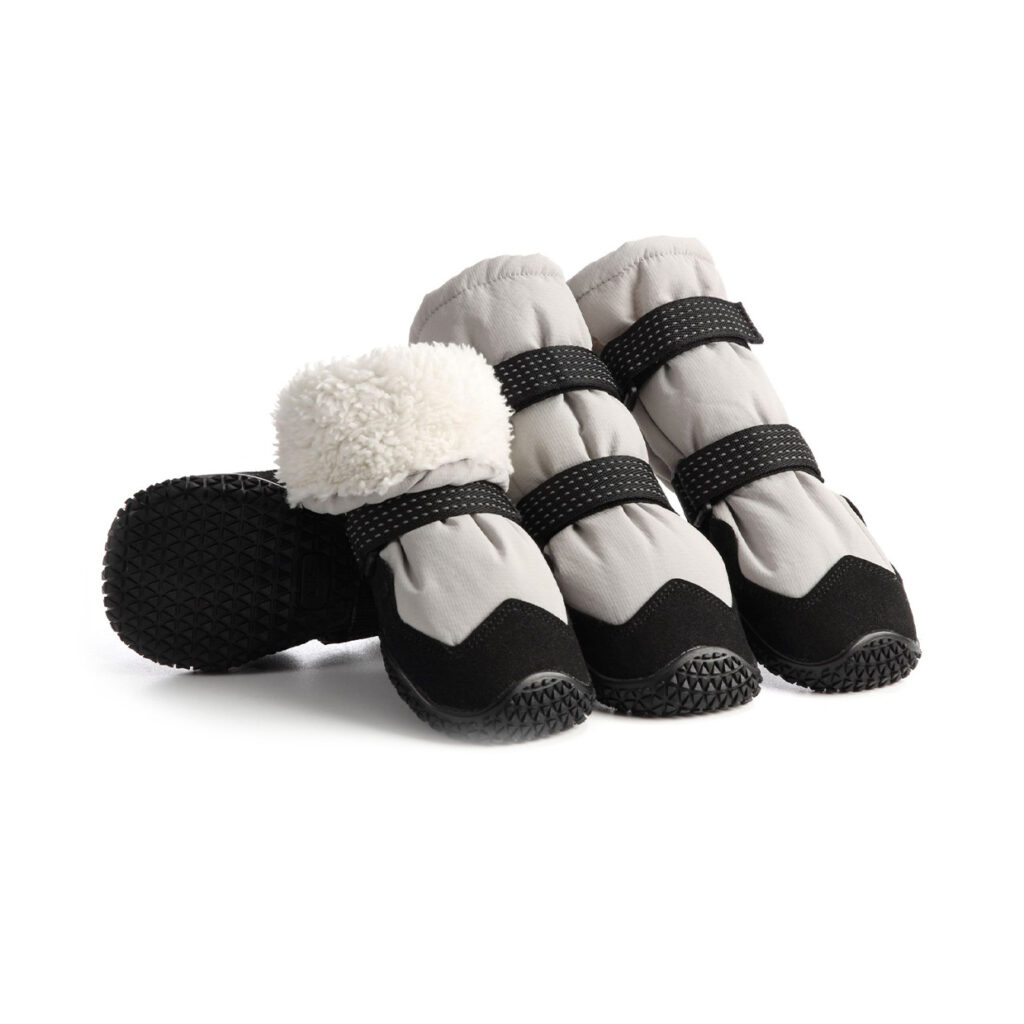
For deep snow, ice, or rugged mountain trails, check out our durable waterproof dog boots with non-slip rubber soles.
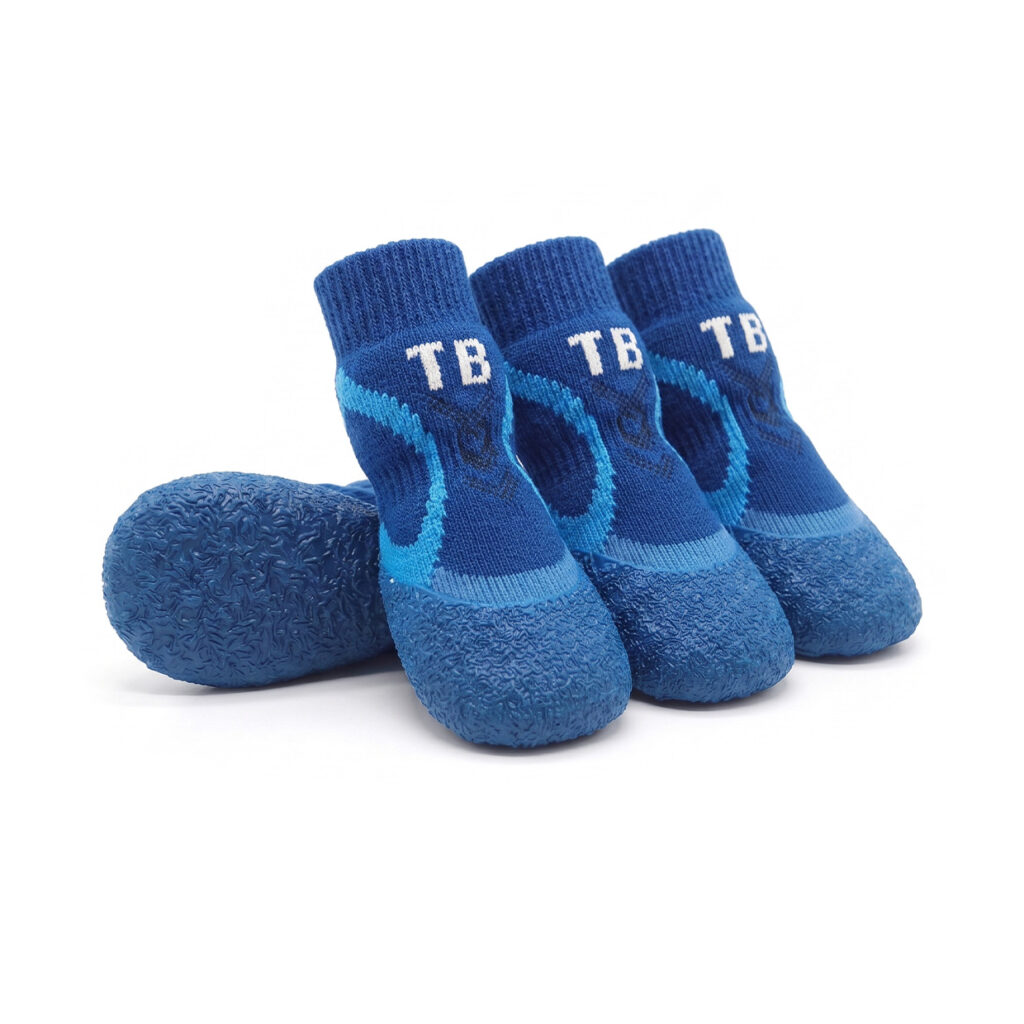
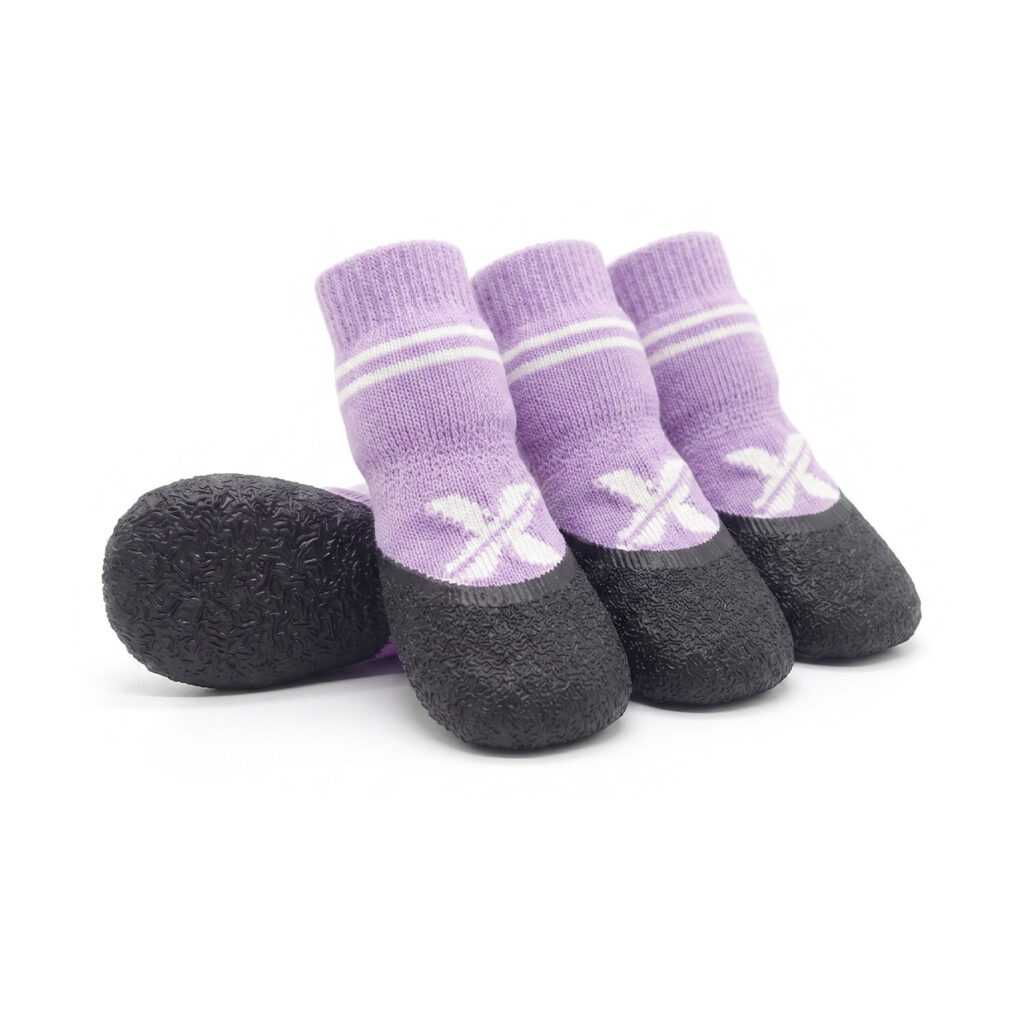
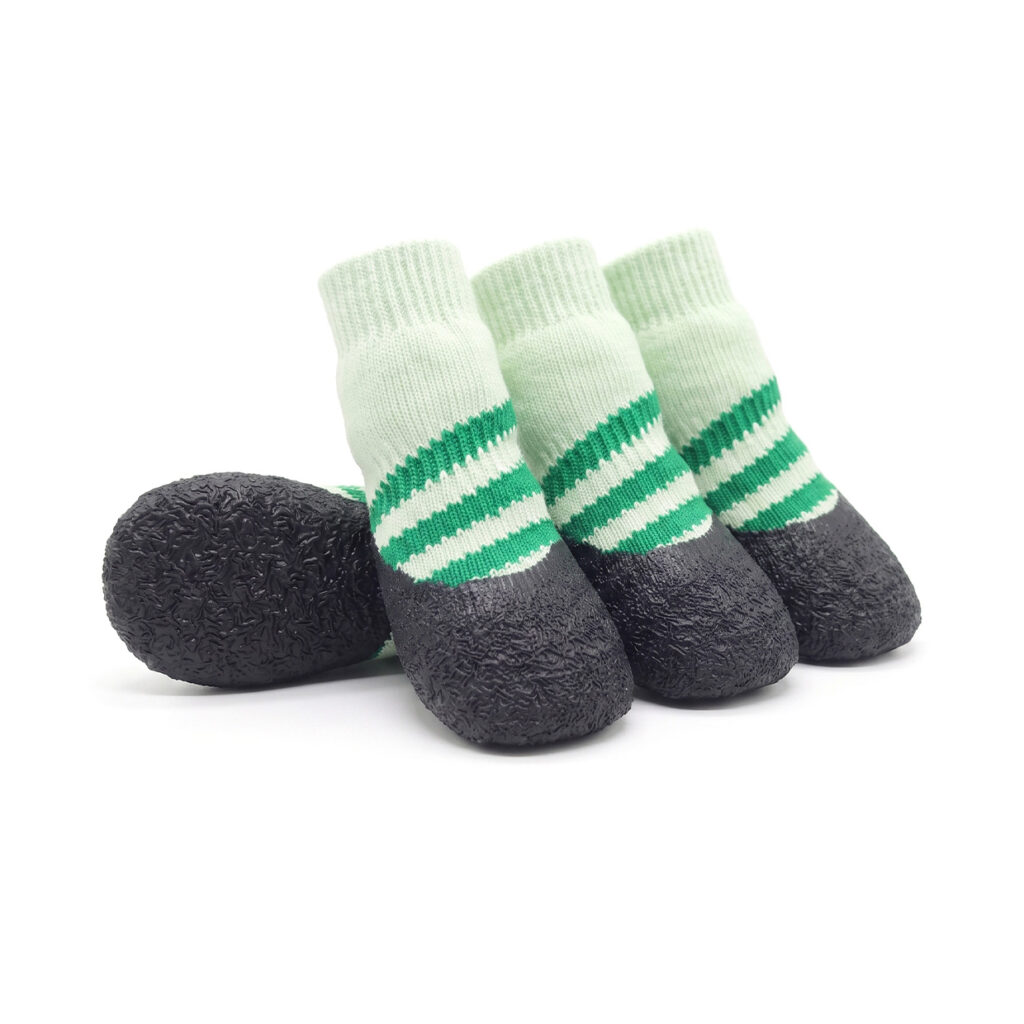
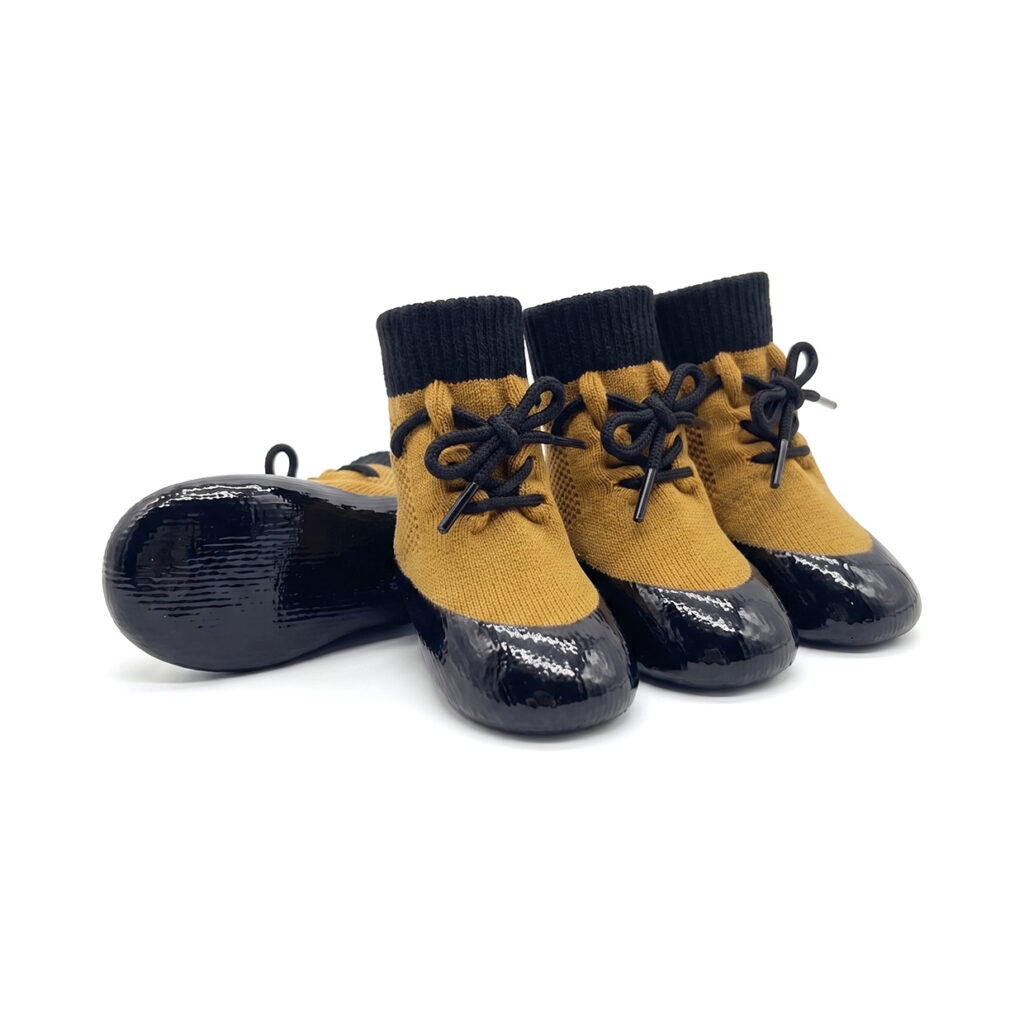
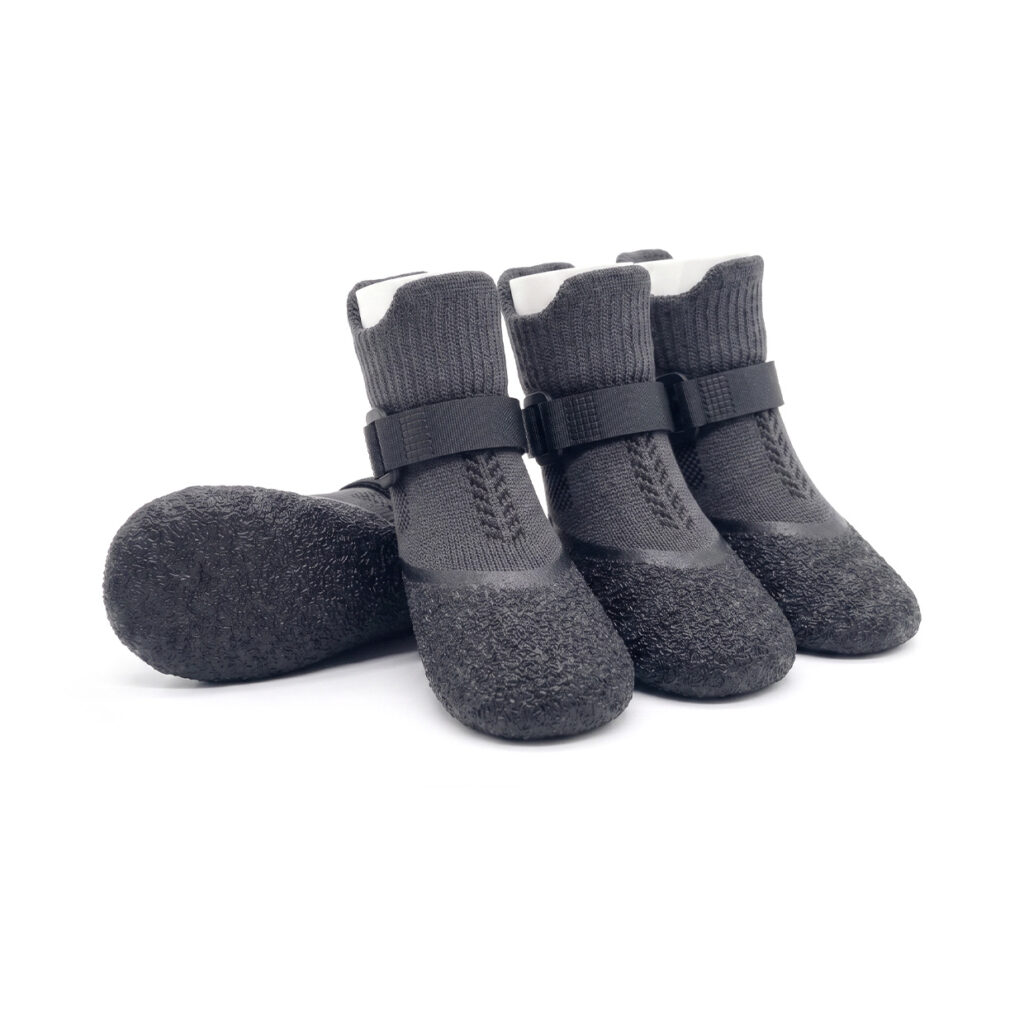
Dog Socks: Indoor Comfort & Anti-Slip Traction
Socks play a completely different game — they’re not trying to protect against weather at all. They’re about grip, and specifically, grip indoors.
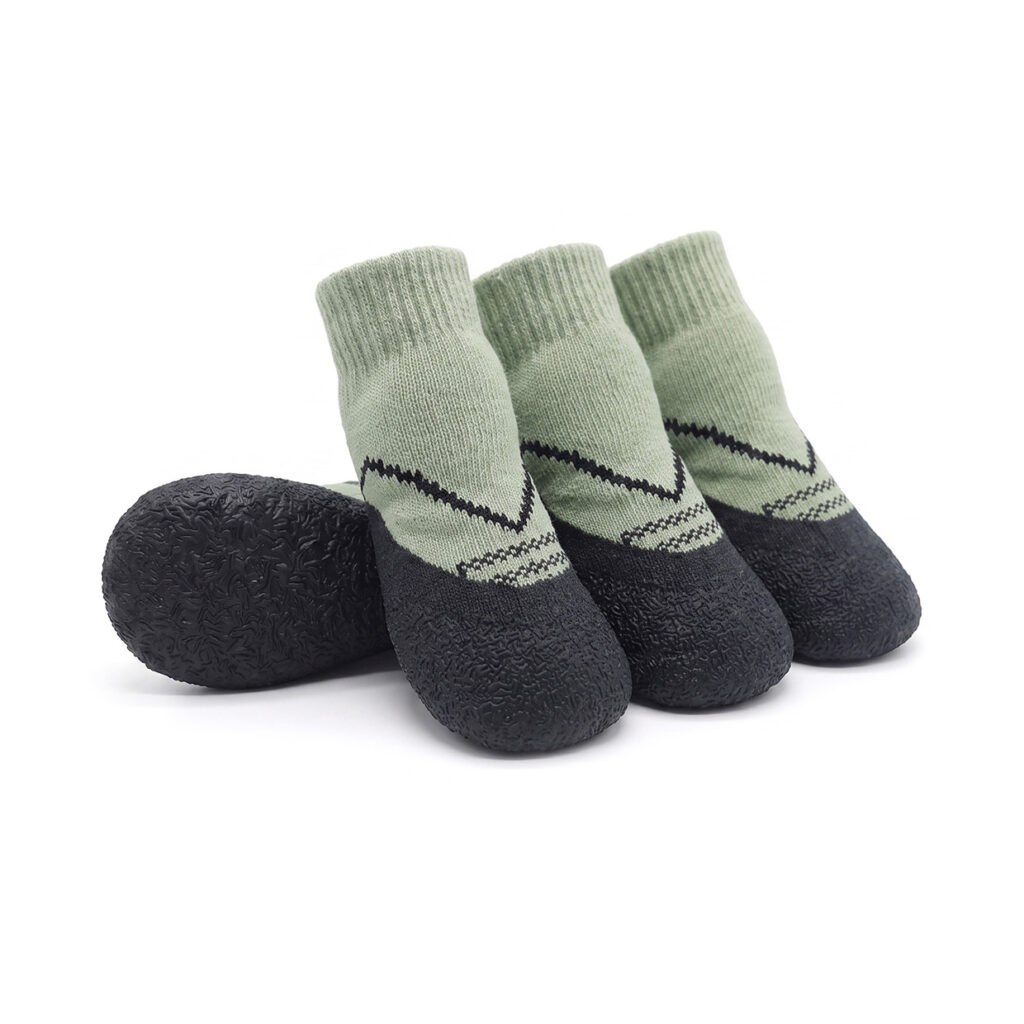
If your dog lives on hardwood or tile and you’ve noticed that slow-motion slide every time they take off after a squirrel outside the window, socks are usually the answer. The better ones combine a soft, comfortable fabric with silicone traction patterns on the sole so your dog actually gets purchase on smooth flooring.
For anyone searching non-slip dog socks for indoor hardwood floors, look closely at full-bottom grip coverage, a snug (not tight) cuff, and a fit that won’t bunch up or slide down mid-walk.
Dog socks are especially useful for:
- Preventing indoor slipping
- Supporting senior dog mobility
- Post-surgery or post-injury protection
- Saving your floors from scratches
If your primary goal is preventing your senior dog from slipping on tiles, bypass heavy-duty boots and dive into our ultimate anti-slip dog socks and indoor footwear guide.
While heavy boots provide outdoor armor, lightweight socks are highly recommended if your goal is to add essential paw grips for senior dogs suffering from hind leg weakness indoors.
For a technical breakdown comparing how indoor silicone grips perform against rugged molded rubber, explore our complete guide to dog boot soles and traction.
Browse Indoor Traction Options
How to Choose the Right Paw Wear for Your Dog
Boiling it down, the decision really rests on three questions.
1. Where Will They Actually Be Wearing It?
Match the gear to the ground:
- Hot pavement → lightweight dog shoes
- Snow and ice → insulated dog boots
- Hardwood floors → anti-slip dog socks
- Hiking trails → durable outdoor boots
2. What’s Your Dog’s Lifestyle Like?
A weekend trail dog and a couch-loving senior have completely different needs. The trail dog needs tough soles and real weather resistance. The senior dog probably cares more about not sliding across the living room than surviving a blizzard.
3. Comfort and Fit Come First — Always
This one gets overlooked constantly, and it shouldn’t. Even premium footwear becomes useless — or worse, harmful — if it doesn’t fit right. Too loose, and it rubs or slips off mid-walk. Too tight, and you’re restricting circulation and movement.
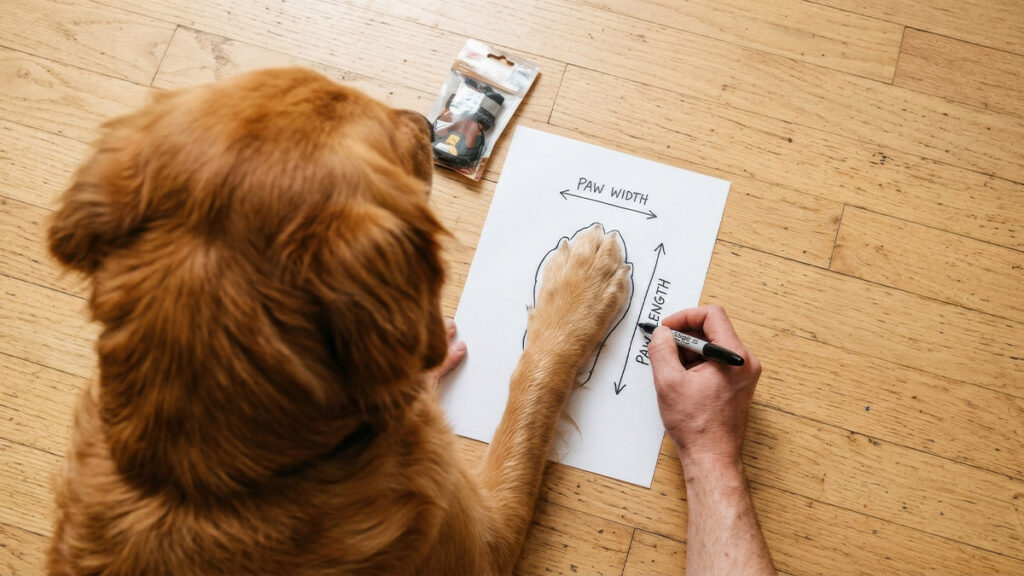
Step-by-Step: How to Measure Dog Paws Accurately
Knowing how to measure dog paws for shoes properly is genuinely the step that determines whether your purchase works out or ends up back in the return box.
Step 1: Prepare the Paw
Set your dog’s paw flat on a plain sheet of paper while they’re standing naturally, with their full weight resting on that foot. Gently lift the opposite paw so the one you’re measuring is bearing normal standing pressure — this matters because paws spread out slightly under weight.
Step 2: Mark Length and Width
With a pencil, mark:
- The widest point across the paw
- The longest point, from the back heel to the tip of the longest nail
Don’t skip the nail length — a lot of sizing charts factor in total paw extension, not just the pad itself.
Step 3: Measure and Compare
Measure the distance between your marks in inches or centimeters, then check that number against the manufacturer’s actual sizing chart — not a general breed or weight guideline. Sizing varies enough between brands that “medium for a 40-pound dog” can mean very different things. For toy breeds to giant dogs, consult our detailed dog boot sizing and fit guide to prevent loose or pinching footwear and master split-sizing between front and hind paws.
The ASPCA’s recommendations on pet comfort and protective gear are a useful cross-check if you want a second opinion before buying.
Frequently Asked Questions About Dog Paw Wear
How do I know if my dog needs shoes, boots, or socks?
It really comes down to where they’re walking. Hot pavement and everyday warm-weather walks? Shoes. Snow, ice, or rugged trails? Boots. Slippery floors at home or a senior dog struggling with traction? Socks. The point isn’t to keep paws covered 24/7 — it’s to step in when the environment is actually working against them.
How long does it take for a dog to get used to paw wear?
Give it three to seven days, generally. Start indoors with short two-to-five-minute sessions, and load up on treats and praise the second the shoes go on. Keep the first few outdoor walks brief and upbeat. And yes — that stiff, exaggerated high-step walk almost every dog does at first? Completely normal. It’s a weird new sensation for them, not a sign of pain.
Should dog boots fit tightly?
Snug, yes. Tight, no. You should be able to slide one finger comfortably between the strap and your dog’s leg — that’s the sweet spot. If the boot spins around mid-stride, it’s too loose. If your dog suddenly refuses to walk or seems stiff and uncomfortable, back off and loosen the strap.
Can dogs wear boots or shoes inside the house?
Not really recommended for all-day indoor wear. Outdoor boots and shoes are built for protection, not breathability, so keeping them on inside can trap heat and restrict natural paw movement. For indoor traction, breathable socks with rubberized grip on the sole are the better call — they let your dog move naturally while still getting the stability they need.
Do dog socks stay on active dogs?
Well-made ones do, at least for indoor activity. Look for adjustable Velcro straps, an elastic cuff that actually stays snug, silicone grip on the bottom, and — this one’s non-negotiable — the correct size. Socks aren’t meant for sprinting outdoors or rough play, but for indoor walking, light activity, and everyday stability, a good pair holds up just fine.
Final Thoughts: Finding the Best Dog Paw Wear
There’s no single “best” option here — just the option that fits your dog’s actual life. Shoes handle daily wear and warm weather with minimal fuss. Boots take on the brutal stuff — snow, ice, rocky trails. Socks quietly solve the indoor slipping problem that a lot of owners don’t even realize is affecting their dog’s joints.
Once your new gear arrives, remember that even the best-fitting boots require a short adjustment period. Be sure to check out our tips on helping your dog adapt to shoes and overcoming awkward gaits to ensure a smooth, stress-free transition.
Get the environment right, measure carefully, and pick quality materials, and you’ve done the real work of keeping every walk — and every trip across the kitchen floor — a little safer and a lot more comfortable.
Give Your Dog the Ultimate Paw Protection Today!
Whether you’re heading out onto frozen winter trails, crossing scorching summer pavement, or just trying to keep your senior dog steady on the hardwood floors at home, there’s a fit made for exactly that.
Explore our full lineup of Dog Shoes, Heavy-Duty Boots, and Anti-Slip Socks — built for comfort, durability, and genuine paw protection.
Shop Dog Shoes, Boots & Socks → Find the perfect paw protection for your dog today.
