Free Shipping on All Orders | 30-Day Easy Returns
Mobility and Traction Dog Boots: Arthritis & IVDD Guide
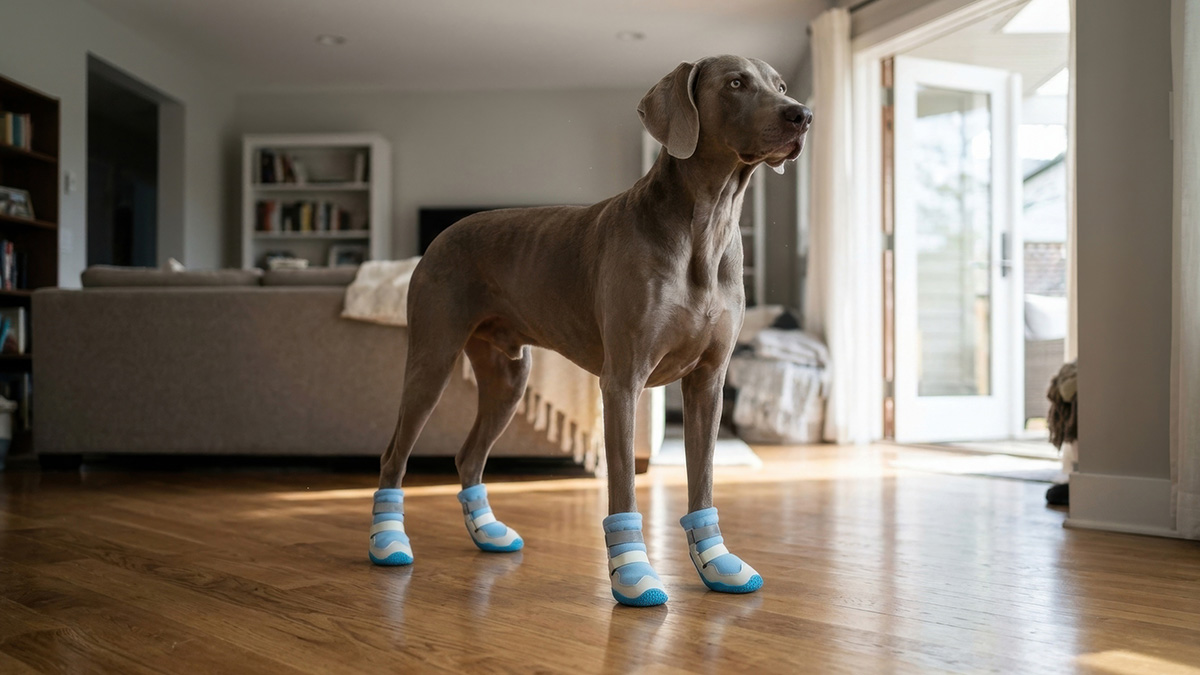
Table of Contents
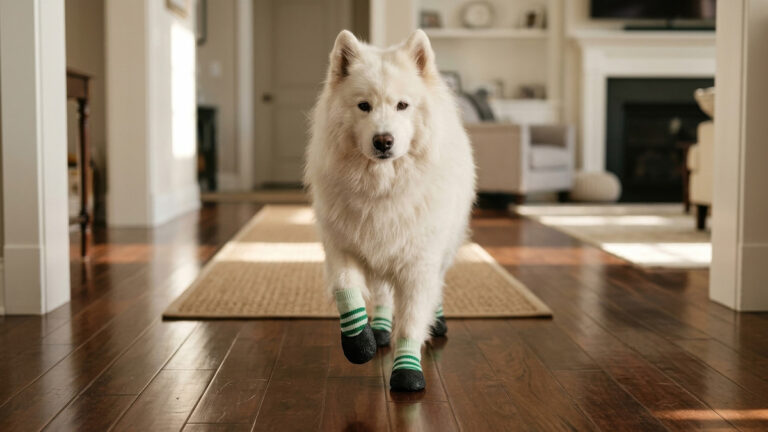
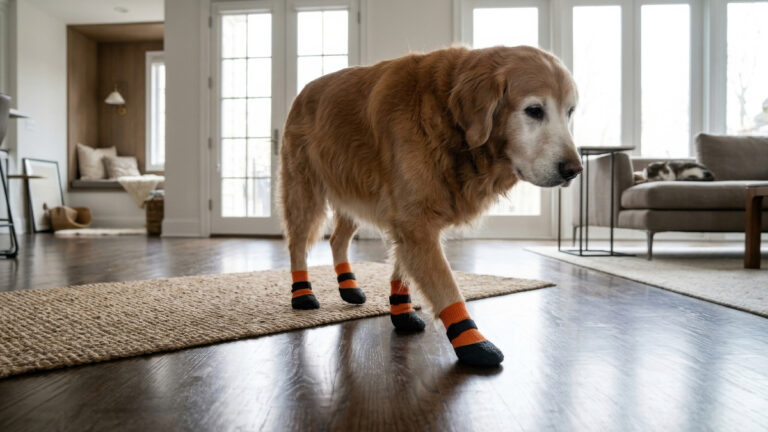
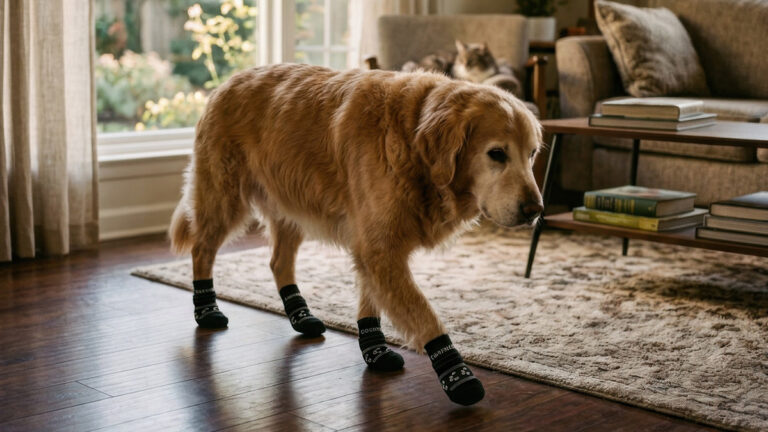
Choosing specialized mobility and traction dog boots starts to matter once your dog can’t place and lift their paws the way they used to. The cause might be weakness, stiff joints, or a nerve problem that has changed how their feet land.
If you’ve lived with it, you know the sound: the soft scritch of a toenail scraping the sidewalk every few steps. Or you’ve watched your old friend’s back legs slowly fan out on the kitchen tile as they try, and try again, to get up. It’s hard to watch, and it’s natural to want to do something.
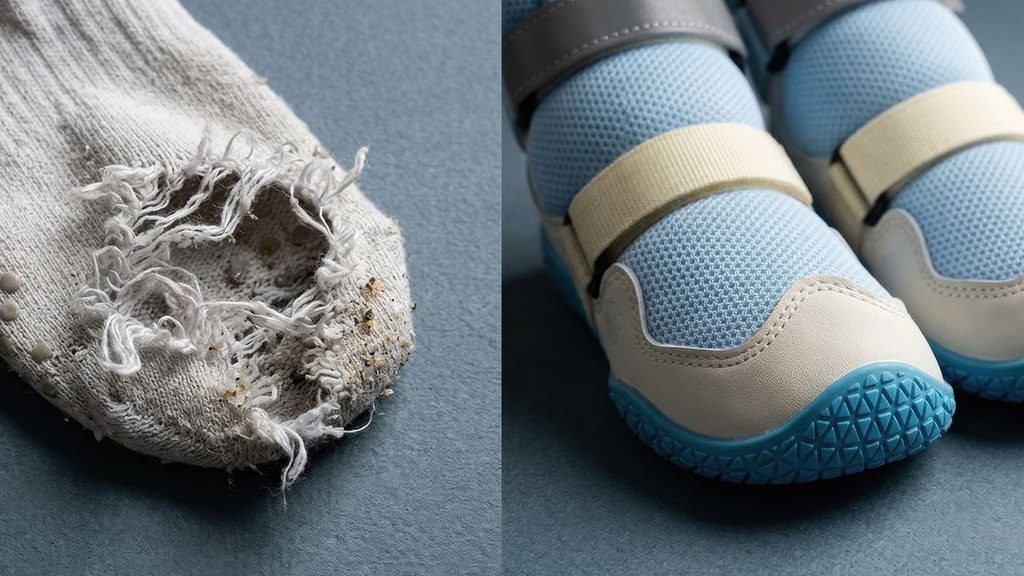
Lightweight grip socks work well for minor slipping indoors. A dog who drags their paws is a different case. They put most of the wear on the top of the foot, which is the part a soft sock was never built to protect. Plenty of dog parents learn this the hard way when they find a hole worn through the toe of a brand-new sock after one walk around the block.
It helps to think about this like an engineer as well as a worried parent (most of us are both). A well-fitted boot can give your dog a more predictable surface to walk on, protect vulnerable skin from scrapes, and help them keep their footing during everyday movement. It cannot treat arthritis, IVDD, Degenerative Myelopathy, or any other neurological condition, and we’ll be upfront about that throughout this guide.
This guide covers:
- How to tell ordinary slipping from paw dragging
- Why standard grip socks wear out so fast on dragging paws
- The design features that matter in dog boots for mobility
- A gentle, step-by-step routine to help your dog get used to them
Before we start: Persistent knuckling, sudden weakness, repeated falls, or a gait that’s changing quickly all need a veterinary visit, and sooner rather than later. Mobility footwear protects the paw. It doesn’t replace a diagnosis or a rehabilitation plan.
Age-Related Slips vs. Neurological Knuckling: The Diagnostic Difference
Not every senior dog who skids on hardwood has the same problem.
A dog with age-related weakness usually still places the paw correctly, with pads down and toes pointing forward. The trouble only shows up when the floor is slick and there isn’t enough grip to push against.
Knuckling is different. The dog doesn’t position the paw correctly. They may put weight on the top of the foot (the dorsal surface) or drag their toes along the ground. VCA Animal Hospitals explains that proprioception, your dog’s sense of where their feet are in space, can be affected by spinal cord injury and IVDD. Older dogs and dogs with osteoarthritis or other musculoskeletal conditions can also have reduced proprioception.
What normal slipping looks like
Picture your dog standing on laminate, polished wood, or tile.
The paw lands right-side up. When your dog pushes backward to stand or take a step, though, there isn’t enough friction between pad and floor to hold that push. The legs slide out sideways into the classic “splay.” Afterward you’ll often see a hesitant, tiptoe stance, as if your dog no longer trusts the floor.
That’s a traction problem, and it’s where boots for dogs with arthritis or ordinary senior slipping can help. They add a grippy layer between paw and floor. The goal isn’t to treat the joint. It’s to improve the grip between foot and floor.
What knuckling looks like
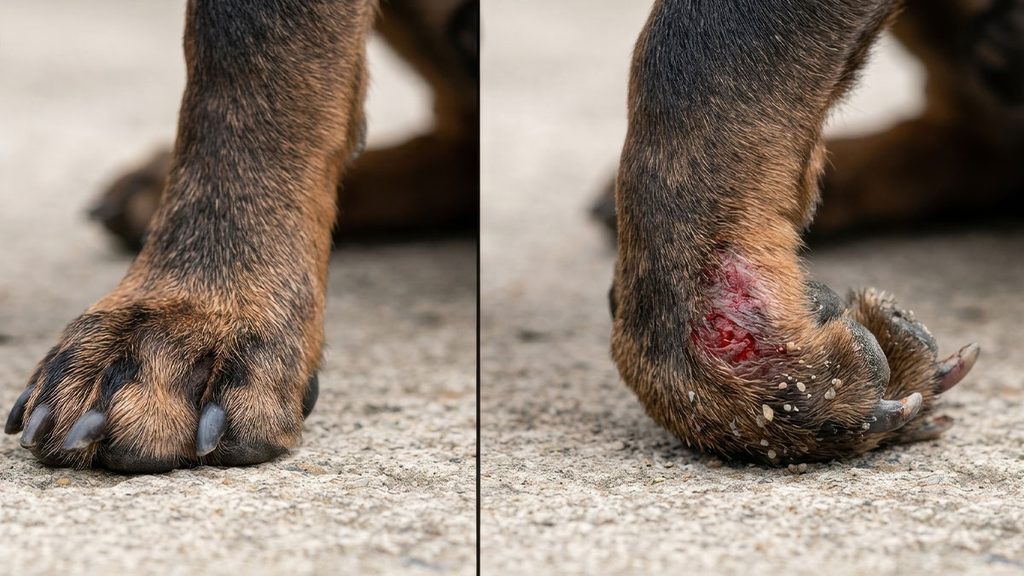
With knuckling, the paw doesn’t slide out. It curls or flips under. Your dog may land on the top or front of the toes, and over time you might notice:
- Toenails worn flat or squared off on the top or front edges, not the tips
- Thinning or scuffed fur over the toes
- Pink or raw skin across the knuckles after walks
- A rhythmic scraping sound on pavement
Neurological conditions such as IVDD can cause changes in gait and proprioceptive deficits. VCA also lists knuckling or weakness as a possible sign of cervical disc disease when nerve roots are affected. Degenerative Myelopathy can cause progressive changes in hind-limb function as well. These conditions need a veterinarian, not a shoe.
Severe osteoarthritis creates a different mechanical problem. Stiff joints and reduced range of motion shorten the stride and lower foot clearance, so a dog may shuffle and catch their toes even though the cause is different from neurological knuckling.
When you’re not sure which one you’re seeing
Please don’t use footwear as a diagnostic test. A more useful step is to film your dog walking on a couple of different surfaces, in slow motion if your phone has it, and show the clips to your vet. Dogs are famously “fine” in the exam room, and a 20-second video of a normal Tuesday evening walk can tell a veterinarian or veterinary rehabilitation professional a lot about gait, limb position, and proprioception.
Here’s a quick side-by-side to help you describe what you’re seeing:
| What You Notice | Ordinary Slipping | Knuckling / Dragging |
|---|---|---|
| Paw orientation | Pads down, normal placement | Paw curls under; top of foot or toes contact the ground |
| Where wear shows | Usually none on the paw itself | Tops of nails, fur over toes, knuckle skin |
| When it’s worst | Smooth floors (tile, laminate, hardwood) | Any surface, but abrasion is worst on pavement |
| What footwear can do | Add grip at the paw-floor contact point | Shield the top of the paw and help the boot stay in position |
This table is for describing what you see, not for diagnosing. Bring your observations to your vet, along with that video.
For dogs with mild age-related slipping rather than neurological toe-dragging, start with our foundational guide on Paw Friction for Dogs: 5 Solutions for Senior Paws.
For more clinical background, see the VCA guidance on canine proprioception and the American College of Veterinary Surgeons information on IVDD.
Why Standard Grip Socks Fail for Paws That Drag
The problem with most soft grip socks is simple: they’re designed for a paw that lands normally.
A typical anti-slip sock has silicone dots or rubberized grip on the underside. That’s sensible when the pads are doing the work. A dog who drags their paws reverses that pattern. The top of the foot or the front of the toes scrapes the ground instead, and the thin knit fabric becomes the only barrier between your dog’s skin and the concrete.
The contact surface matters
Try this: drag the knuckles of a cotton-gloved hand lightly across a sidewalk a few dozen times. You don’t need to do it to know how that ends.
The grip dots on the bottom of a sock do nothing for the top. That’s why dog boots for dragging paws need to be judged on more than sole traction. A better design extends tough, protective material up and around the front of the toes, so that’s what takes the abrasion instead of the skin.
Socks can twist out of position
A weak or unevenly loaded leg puts odd forces on whatever is wrapped around it. When a paw catches, twists, or drags again and again, a soft sock tends to rotate around the foot or slide down toward the toes. Once the grip patch ends up on the side of the paw, it isn’t helping.
This is where structured knuckling boots for dogs have a mechanical advantage over plain fabric. They hold their shape and stay put. To be clear, a good boot protects the paw and keeps a stable contact surface under it. It doesn’t correct the neurological cause of knuckling, and any product that claims otherwise deserves skepticism.
Mobility and Traction Dog Boots: 3 Essential Orthopedic Design Features
When you’re comparing mobility and traction dog boots, ignore the marketing photos for a moment. Focus on the parts that touch the ground and the parts that touch your dog.
Three features matter most: abrasion protection, directional traction, and retention.
1. Wrap-Around Reinforced Rubber Toe Caps
A conventional dog shoe usually has its rubber only on the bottom. For a dog who drags the front of the foot, you want that rubber to wrap up and over the toe area, much like the reinforced toe on a good pair of work boots.
A wrap-around toe cap puts a physical shield between the front of the paw and the ground. When toes scuff the pavement, the boot takes the wear instead of nails and skin. This is the main difference between orthopedic dog boots and everyday weather boots. You’re choosing them for protection during an altered gait, not just for rain or snow.
Look for:
- Reinforced material around the toe box
- A rubber (or similarly abrasion-resistant) toe guard
- Protective coverage that extends beyond the bottom sole
- A smooth interior with no seams that dig into the toes
- Enough toe room for the paw to spread naturally when it bears weight
This is also why searching for the best dog boots for dragging paws or the best dog boots for knuckling shouldn’t automatically lead you to the lightest, softest option. If repeated scraping is the issue, durability at the contact zone matters more than anything else.
2. High-Traction Multi-Directional Outsoles
Traction comes down to physics, and the physics here is simple.
When your dog pushes against the floor to stand, walk, or turn, the paw creates a horizontal force. The floor has to supply enough friction to resist it, or the paw slides. A simplified model:
Friction ≈ μ × N
Here, μ (the Greek letter “mu”) is the coefficient of friction between the paw and the floor, and N is the normal force, essentially how much of your dog’s weight is pressing that paw down.
Here’s the honest part: more friction doesn’t make your dog stronger. It means the strength they already have isn’t wasted on a sliding paw. For a dog who has the muscle to stand but keeps skidding on smooth floors, a high-friction rubber or silicone outsole can make the difference between a confident push-up and a frustrated splay. Better grip can also take some of the strain off joints during that wobbly moment of rising.
The American Kennel Club also lists anti-slip soles and traction-focused tread as useful features for dogs walking on slippery or uneven surfaces.
When choosing dog boots for mobility, match the tread to where your dog spends their time:
- Indoors (hardwood, laminate, tile): A flatter, grippy sole with steady, predictable contact usually beats an aggressive hiking tread, which can feel clunky on flat floors.
- Outdoors (grass, gravel, wet pavement, trails): Deeper multi-directional lugs give better grip on loose or uneven ground.
Slick wood and laminate floors can make standing and walking harder for dogs with reduced mobility. Pairing the right footwear with what you’ll learn in dog slipping on hardwood floors gives your dog a better setup at home.
For dogs who need more structured traction support, explore orthopedic dog boots for mobility.
For lighter, everyday indoor use, browse supportive indoor dog shoes.
3. Stabilizing Dual-Strap Ankle Support & Rigid Heel Counters
The best outsole in the world won’t help if it ends up on the side of the paw.
Think about walking in a shoe that keeps spinning around your foot. The grip would be in the wrong place every time you stepped. That’s why retention is a core part of good orthopedic dog shoes.
A structured heel counter helps the boot hold its shape. Two separate fastening points spread the holding force along the lower leg instead of making one strap do all the work.
When shopping for shoes for dogs with arthritis, look for:
- Two independently adjustable straps
- A firm, secure heel structure
- An opening that holds snugly without squeezing the leg
- A sole that stays centered under the paw
- Enough flexibility to move naturally without twisting
The goal is to keep the boot in position, not to force the joint into a different position.
That distinction matters. Some people looking for a dog knuckling front paw brace or a foot brace for knuckling dogs are really looking for something different from a boot. A true brace changes or limits how a joint moves. If it’s too rigid or poorly fitted, it can create new pressure points or interfere with your dog’s natural movement. AKC notes that poorly fitted mobility devices can cause discomfort or injury, and it recommends professional guidance for more complex devices such as braces. If you think your dog needs a brace, involve a veterinary rehabilitation professional.
Safe Adaptation Routine for Dogs with Limited Mobility
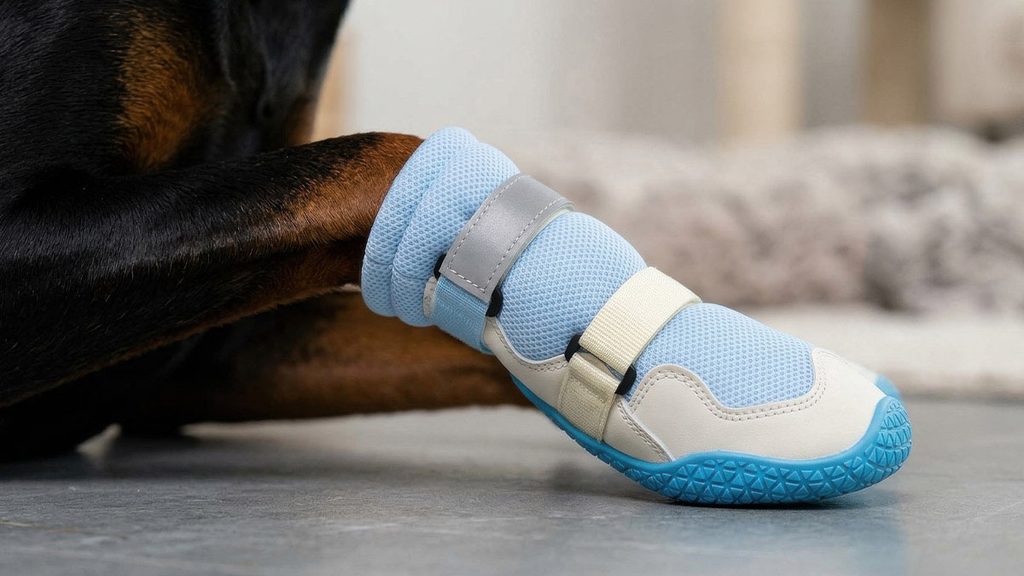
Even the best-designed boots feel strange at first. If you’ve ever seen a dog in shoes for the first time, you know the dance: exaggerated high steps like they’re walking through invisible puddles, a stiff-legged freeze in the hallway, or a determined attempt to chew the strap off. It’s funny and a little heartbreaking at once.
None of that means the boots are wrong. Your dog just needs time to adjust to a new sensation and a slightly different weight distribution. For a dog who already moves carefully, patience matters even more.
1. Start With Short Bursts
Begin indoors on a controlled surface that isn’t slippery, like a rug runner or a yoga mat in the hallway.
- Aim for about 5–10 minutes to start, not a full neighborhood walk.
- Keep the mood light, with treats, praise, and maybe a short game of “find it.”
- Watch whether the boots stay centered and whether your dog’s gait looks different in a worrying way, beyond the usual first-day high-stepping.
- Take the boots off afterward and check the paws (more on that below).
A properly fitted boot should feel secure without being tight. If you can’t slide a finger under the strap, it’s too snug. The AKC recommends indoor test runs to check whether boots stay in place, provide enough traction, and fit the shape of your dog’s paw.
2. Use Harness Support When Appropriate
Some dogs with significant mobility limits need more than footwear.
A rear-support or lift harness gives you a handle to steady your dog as they move between lying, standing, and walking. It does a different job from a boot: the harness helps carry body weight, while the boot mainly changes how the paw meets the ground. Many dogs do best with both.
Don’t rely on a boot for a dog who can’t safely support their own weight. If your dog needs frequent lifting, falls often, or can’t walk without substantial help, talk to your veterinarian or a certified veterinary rehabilitation professional about the right equipment.
3. Perform Daily Skin-Integrity Checks
This step matters most for dogs with reduced sensation or an unusual gait, because they may not flinch or limp when something is rubbing.
After every session, take the boots off and check:
- The tops of the toes
- Between the toes (spread them gently)
- Nail edges, including any dewclaws
- Paw pads
- The heel area
- The skin under and around each strap
Look for redness, swelling, matted fur, damp skin, broken nails, or any spot of unusual wear. Run your fingertips over the paw too. A small patch that feels warmer than the rest is often the first sign of friction, before anything looks red.
If a boot keeps rubbing, don’t just tighten it. Recheck the size, strap placement, boot shape, and whether this style suits your dog’s gait. The AKC’s dog boot guidance also stresses proper fit and gradual adjustment.
Unless a veterinary professional has specifically advised otherwise, don’t leave mobility footwear on during sleep or long periods of rest.
Frequently Asked Questions (FAQ)
What makes mobility and traction dog boots different from regular dog boots?
Regular boots are mostly built for weather, such as snow, hot pavement, or trails. Mobility and traction dog boots are built around how your dog moves. They have high-friction soles, toe protection that wraps up over the front of the paw, and a more structured heel and ankle so the boot stays in place. They provide mechanical support and protection, but they don’t diagnose, cure, or reverse the condition behind your dog’s altered movement.
Can dog boots stop knuckling caused by IVDD or DM?
No. If IVDD, Degenerative Myelopathy, or another neurological condition is affecting your dog’s limb control, a boot can’t repair the nervous system. What a good boot can do is manage some of the fallout. A tough toe guard protects the top of the paw from scrapes and worn-down nails, and a grippy sole reduces sliding. If you’re looking at a foot brace for knuckling dogs, know that braces and boots are different tools, and braces should be fitted with guidance from a veterinary rehab professional.
Why do dogs with arthritis drag their back paws?
Stiff joints, reduced range of motion, weakness, and discomfort can all shorten a dog’s stride and lower how high the foot lifts. Lower foot clearance makes toe-scuffing more likely. Dragging isn’t unique to arthritis, though, because neurological problems can cause it too. Treat boots for dogs with arthritis as protection and traction, not as a way to work out why your dog is dragging. If the dragging is new or getting worse, or comes with weakness or falls, see your vet.
How long can a dog with mobility issues wear boots each day?
There’s no single right number. Start with short, supervised sessions and add time only while your dog stays comfortable and their skin stays healthy. Boots are most useful during walks, potty breaks, and times when your dog needs extra grip, such as moving across a tiled kitchen. Take them off for sleep and long rests so the paws can breathe and you can check them. Dogs with reduced sensation need extra-close monitoring because they may not react to rubbing.
Will boots help a senior dog stand up independently on smooth floors?
Often, yes, as long as your dog still has the strength and coordination to stand. A high-friction sole gives the paws something to push against instead of sliding outward. That’s a mechanical benefit, not a treatment for weakness or joint disease. If your dog still can’t rise with good traction underfoot, ask your vet or a rehab professional whether a harness, brace, cart, or changes to your home would help. The AKC notes that mobility devices range from footwear and toe grips to harnesses, braces, and wheelchairs, and that fit matters most for the more complex ones.
Choosing the Right Mobility Boot: A Practical Checklist
When you’re comparing dog boots for mobility, don’t judge them by how rugged the tread looks in the photo. Ask these five questions instead:
| Question | What to Look For |
|---|---|
| 1. Does the toe area resist abrasion? | If your dog drags the front of the paw, prioritize a reinforced toe guard or wrap-around rubber construction. |
| 2. Does the outsole match the walking surface? | Indoors (hardwood, laminate, tile): steady, predictable grip. Outdoors: tread suited to dirt, gravel, wet pavement, or uneven ground. |
| 3. Does the boot stay centered? | A boot that rotates while your dog walks can’t deliver the traction it was designed for. |
| 4. Can the straps be adjusted independently? | Dual straps hold position without one strap carrying all the retention force. |
| 5. Can you inspect the paw easily? | The best design isn’t necessarily the most rigid. You need to get it on and off easily for daily skin, nail, and pad checks. |
If a boot passes all five, it’s worth a careful indoor trial. The AKC’s general dog-boot guidance likewise recommends checking fit, sole traction, and whether the boot stays put during an indoor test run.
When a Mobility Boot Is Not Enough
A mobility boot is a protection and traction tool. It shouldn’t delay a vet visit when your dog’s mobility is changing.
Contact your veterinarian promptly if your dog develops sudden or progressive:
- Weakness
- Repeated falls
- Inability to stand
- Severe or rapidly worsening gait changes
- Persistent paw dragging
- Bleeding or a significant paw injury
- Loss of normal limb coordination
For dogs with established mobility limits, ask your vet whether veterinary rehabilitation makes sense. Rehabilitation professionals can evaluate your dog’s gait and help decide whether footwear, a harness, a brace, toe grips, changes at home, or another mobility device fits your dog’s situation.
Help Your Brave Companion Walk Comfortably & Dignified Again!
Watching joint stiffness or spinal nerve problems change the way your dog moves is hard. You remember the dog who used to race you to the door. The right mobility setup can’t turn back time, but it can make their world easier to get around, one steadier step at a time.
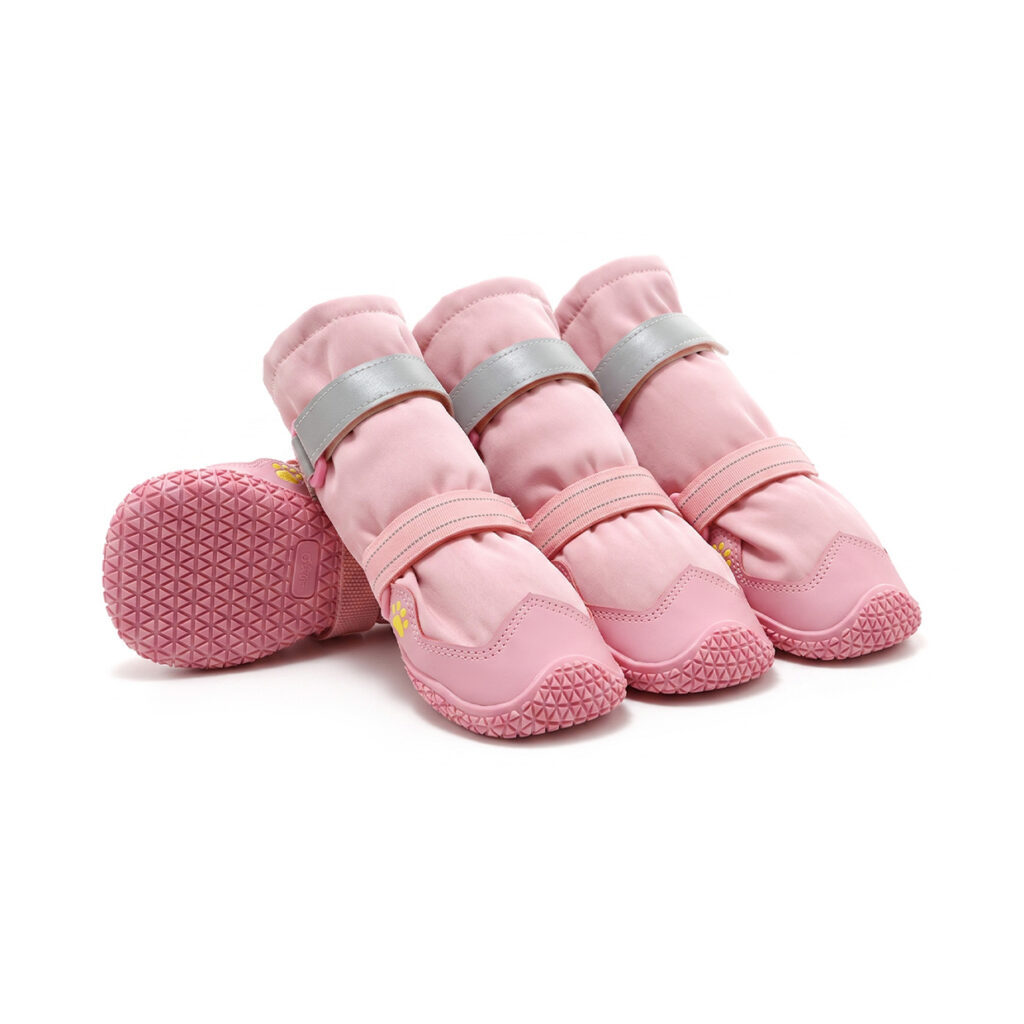
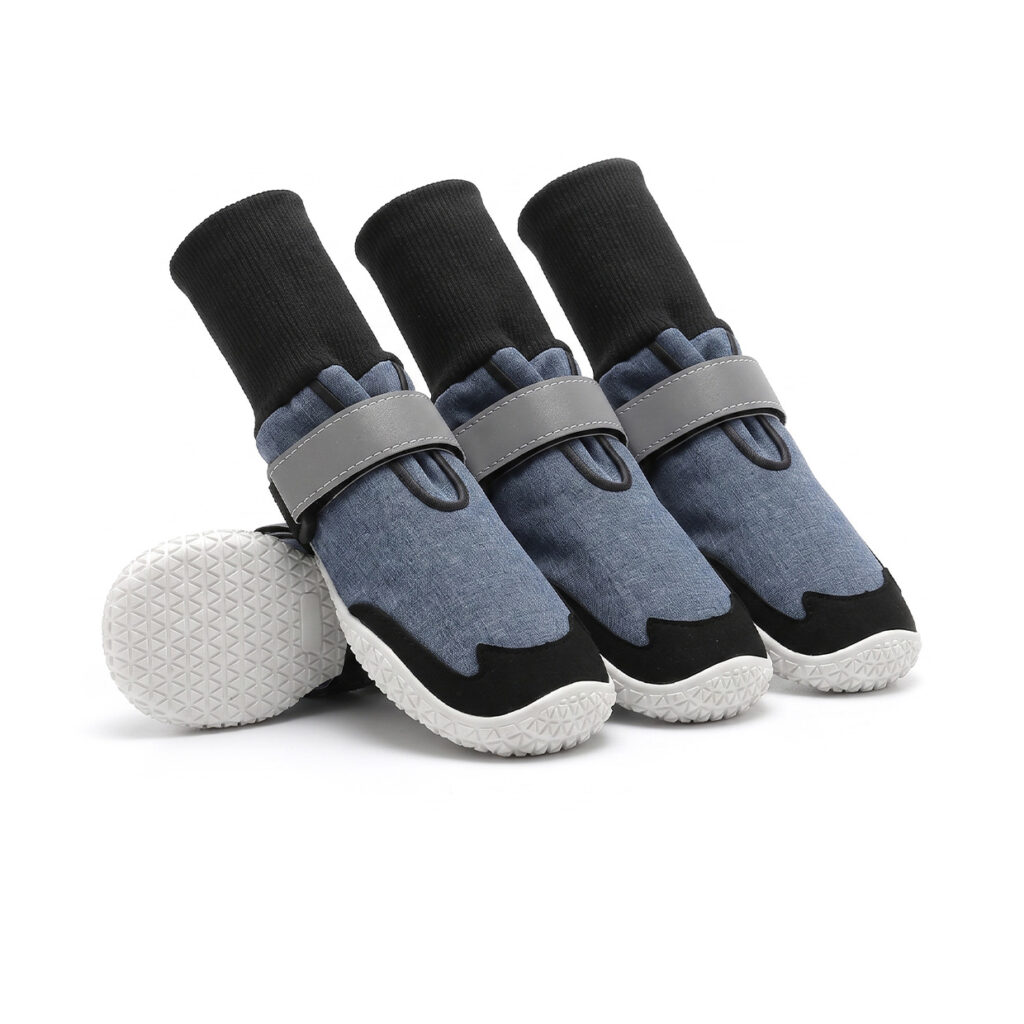
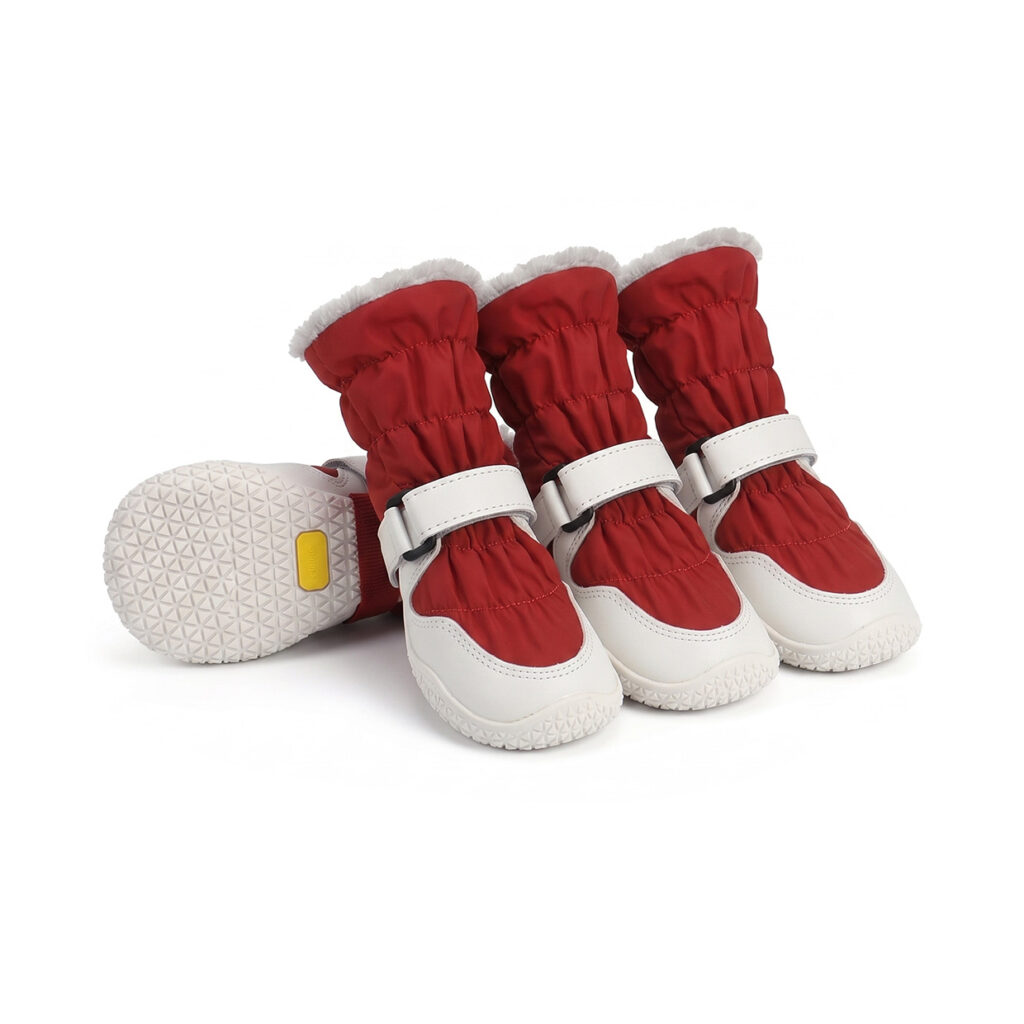
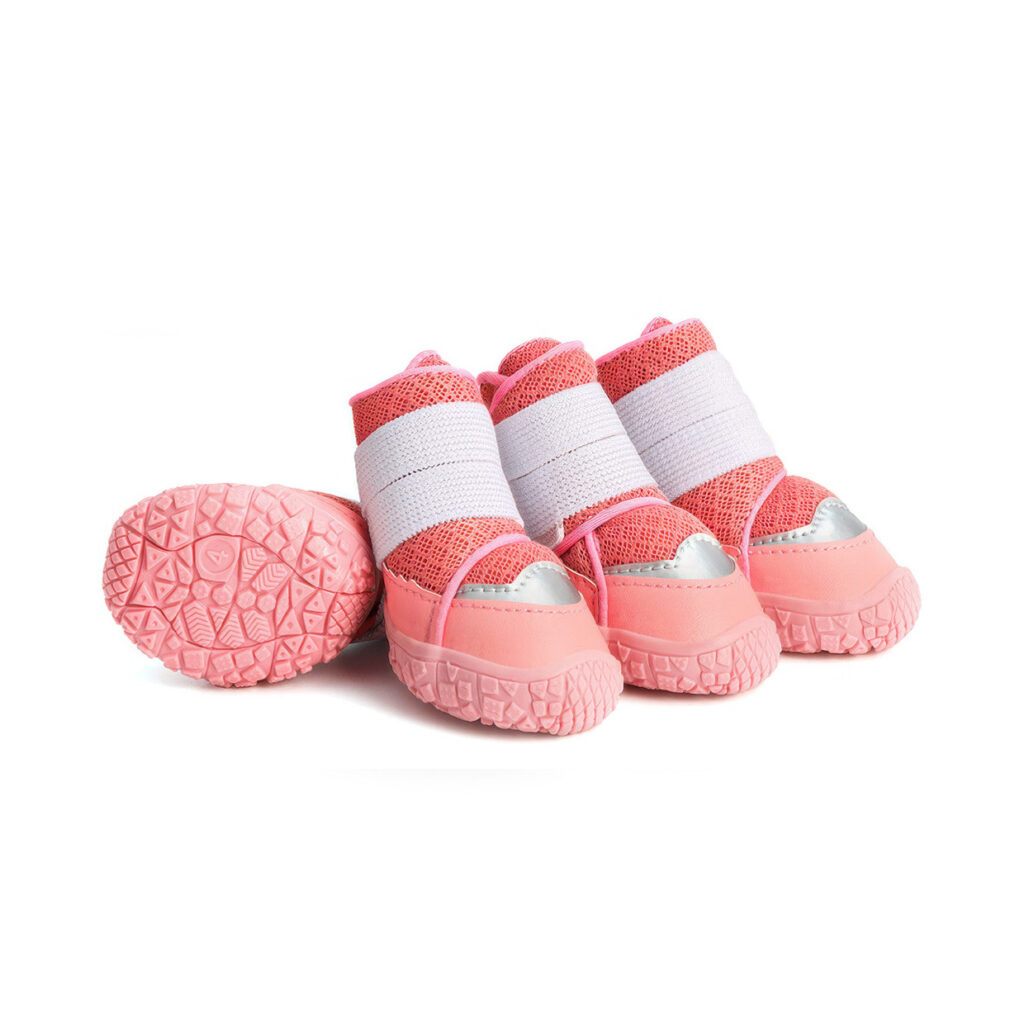
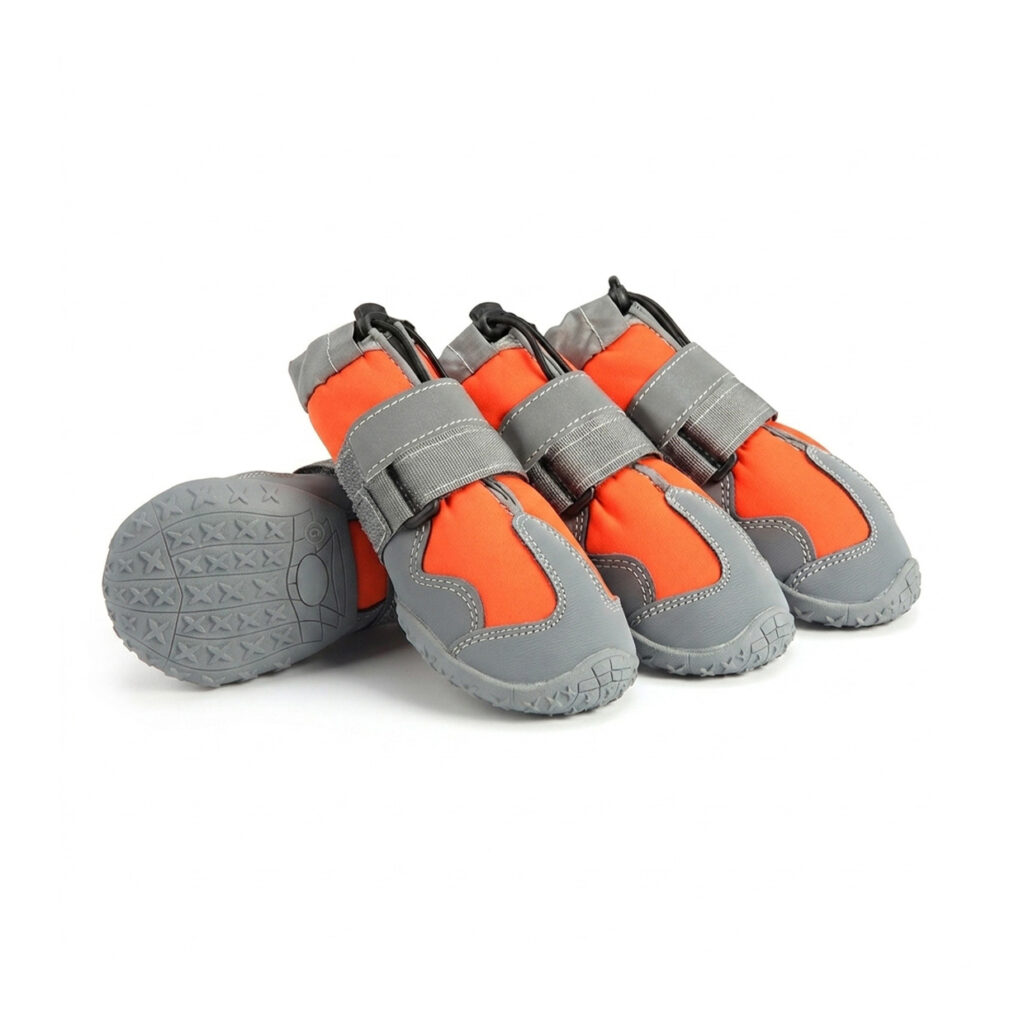
Explore Paw Clad’s collection of Orthopedic Mobility Dog Boots and supportive dog footwear, designed around three practical principles: abrasion protection, stable positioning, and reliable traction.
Reinforced toe protection helps shield paws from repeated contact with the ground, and high-friction rubber or silicone outsoles give a more secure grip on smooth or uneven surfaces.
Shop Orthopedic Mobility & Traction Dog Boots Now
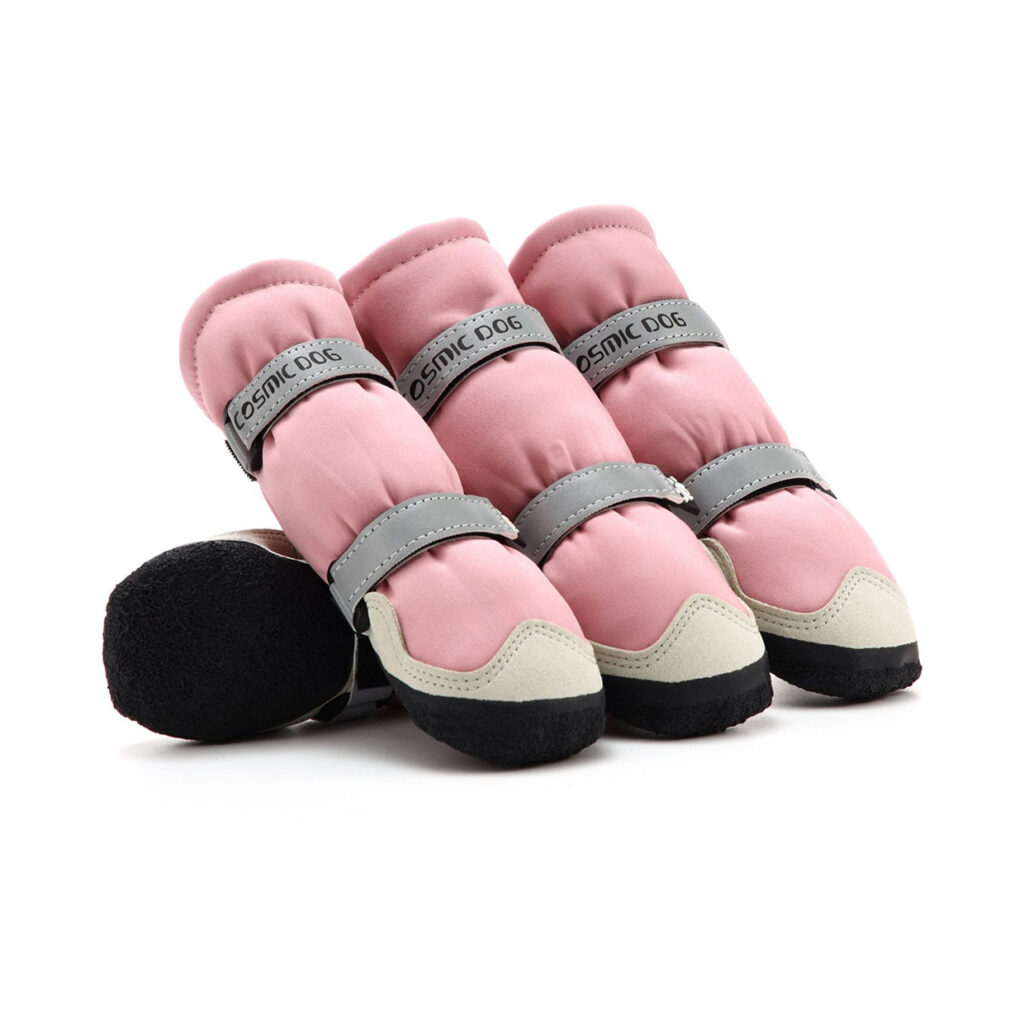
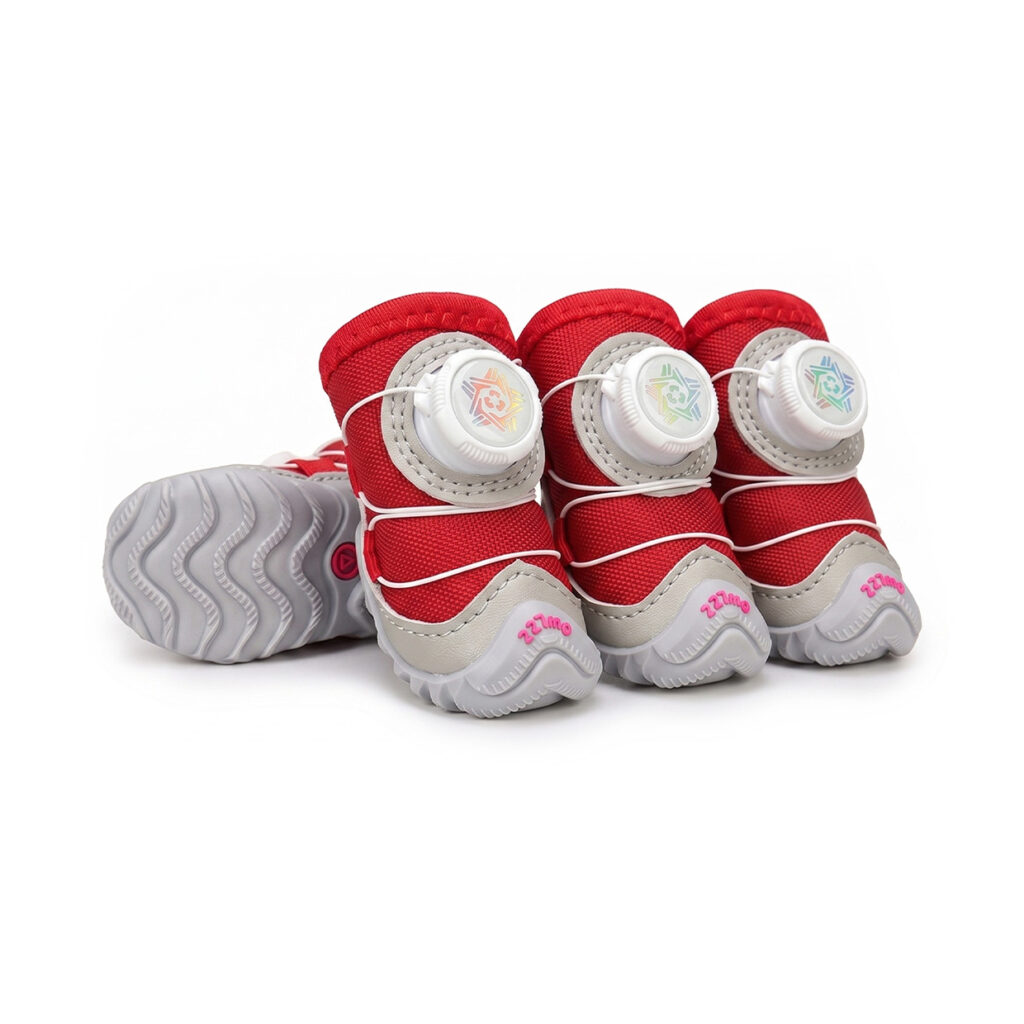
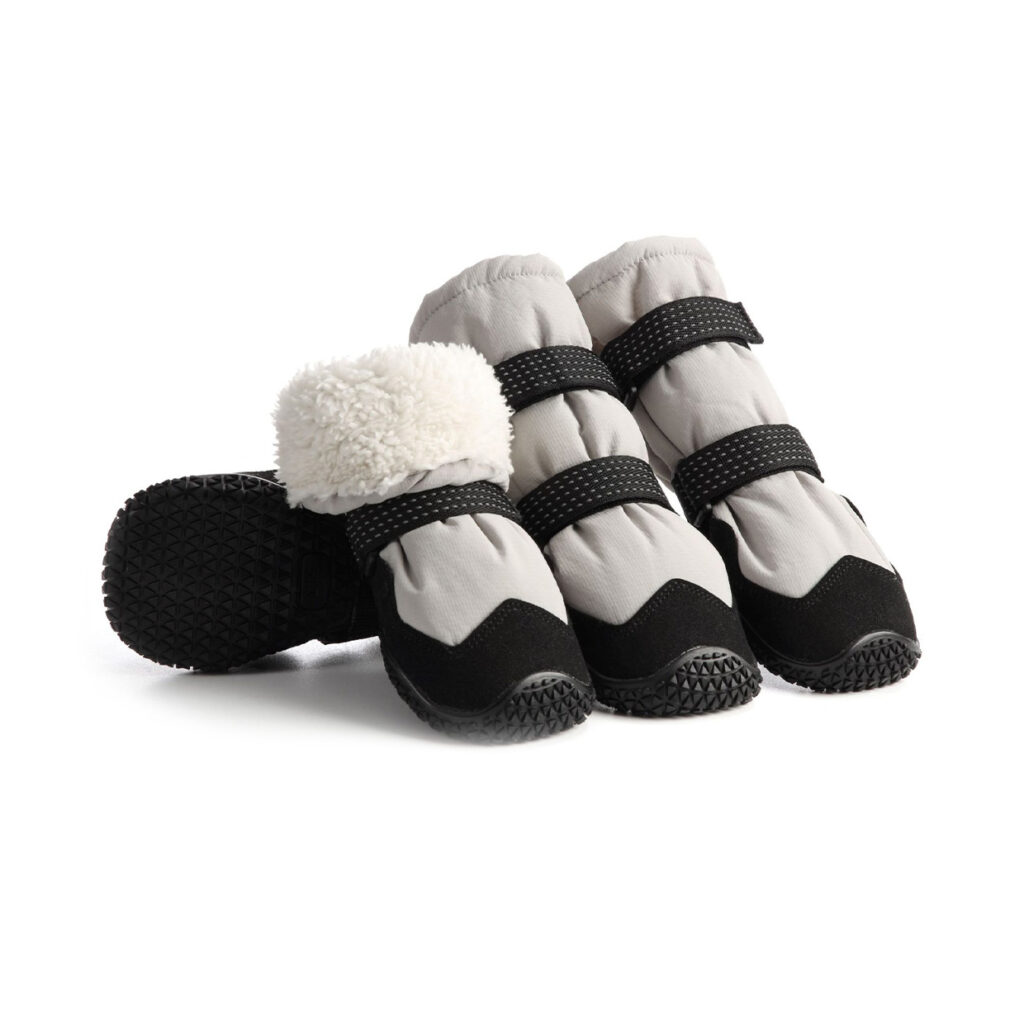
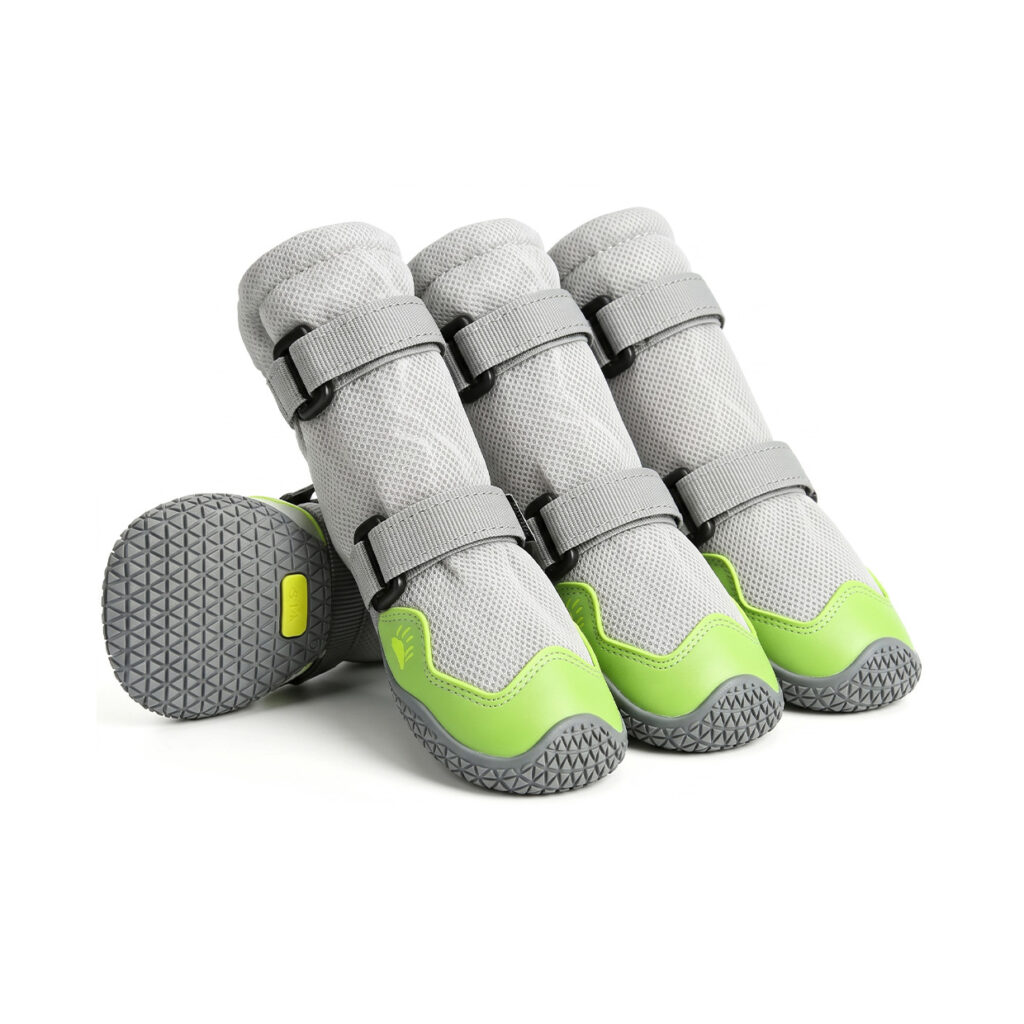
Choose footwear based on how your dog moves, where they walk, and what keeps them comfortable, not just the label on the box.
Protect the paw. Improve the footing. Support every step.